


The post The ‘Perfect’ Home Is Officially Over, Designers Say This Is the New Look Everyone Wants Instead first appeared on Crafting Your Home.
For years, the dream home was easy to recognize: spotless white kitchens, matching furniture sets, perfectly styled shelves, neutral walls, and rooms that looked ready for a magazine photo shoot at any moment. But designers say that picture-perfect approach is losing its appeal. Today’s homeowners are moving toward spaces that feel warmer, more personal, and more connected to real life rather than homes that look untouched.
The shift does not mean people are abandoning good design. Instead, experts say the definition of a beautiful home is changing. The focus is shifting from creating a showroom to creating a place that tells a story, whether that means mixing vintage furniture with modern pieces, displaying meaningful objects, or embracing materials that become more beautiful with age.
Interior designers are increasingly pushing back against spaces that feel overly controlled or copied from online inspiration boards. They argue that homes should reflect the personalities, memories, and lifestyles of the people who live there. The result is a design movement built around comfort, character, and authenticity instead of chasing the latest viral aesthetic.
The Era of the “Show Home” Is Fading as Personality Takes Over
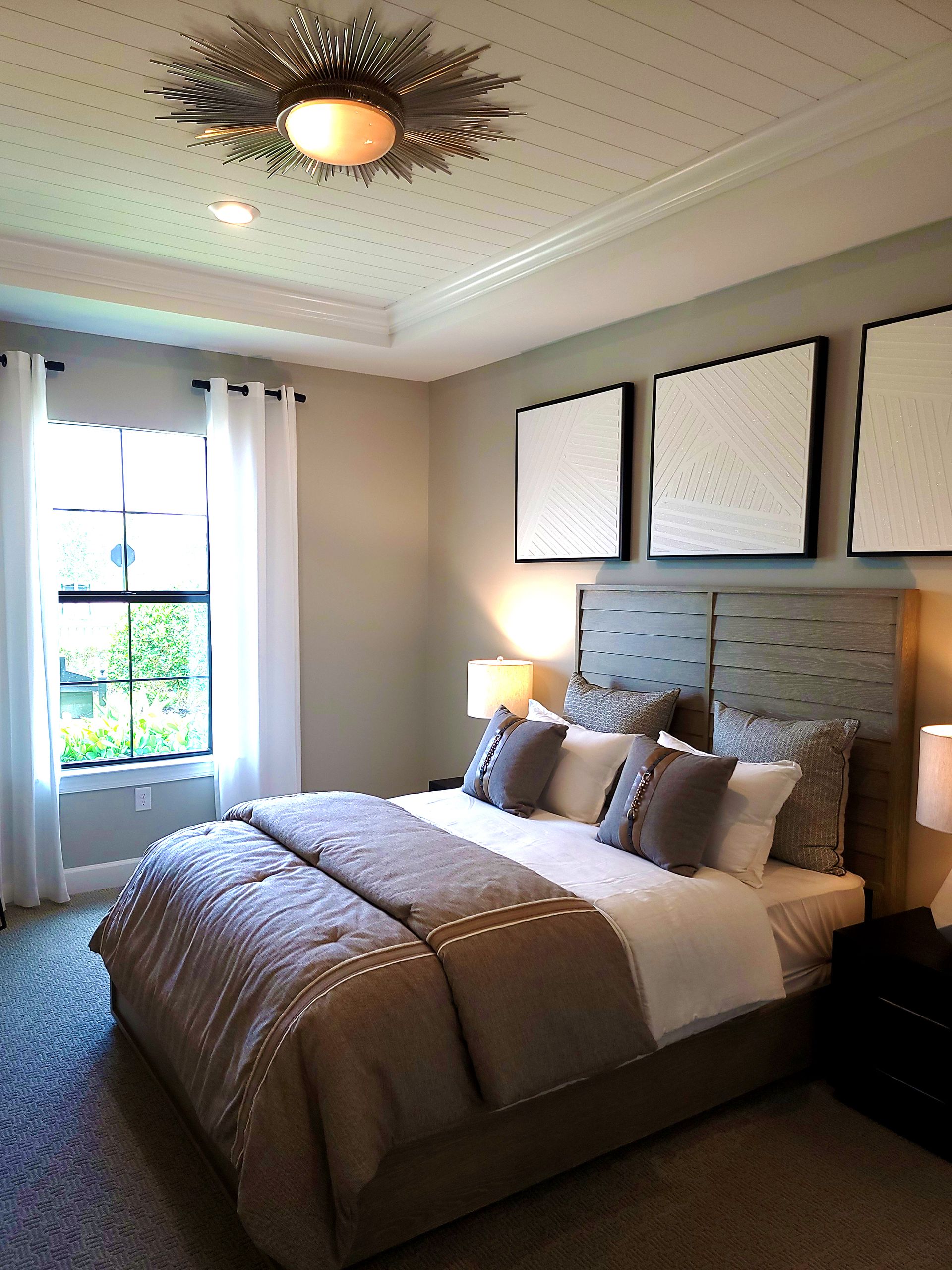
The perfectly coordinated home had a strong moment over the past decade. Social media helped popularize carefully styled interiors where every pillow matched, every surface was cleared, and every room followed a specific color palette. But designers say that approach often created spaces that looked impressive online but lacked the warmth people want in everyday life.
Brigette Romanek, an AD100 interior designer, explained that homeowners increasingly want spaces with identity rather than spaces that simply look expensive. “People want their homes to feel alive and personal, with pieces that have history, character, and personality,” Romanek said.
That idea is showing up in several major design trends. Designers are embracing natural wood, textured fabrics, handmade items, antiques, and pieces collected over time. Instead of buying an entire room from one store, homeowners are encouraged to create interiors that feel naturally assembled, almost like a visual diary of their lives.
The change is also affecting how people think about furniture. Mass-produced “fast furniture,” which became popular because it let homeowners quickly recreate trending looks, is drawing more criticism from designers who believe quality and longevity matter more. Kathy Kuo, founder of Kathy Kuo Home, said she prefers “timeless, well-made, and sustainable furniture and decor pieces” over disposable, trend-driven items.
This does not mean every new purchase needs to be expensive or luxurious. Designers say the goal is to choose pieces with meaning and durability, whether that is a vintage chair found at a market, artwork from a local creator, or a dining table that becomes part of family memories for years.
Designers Are Replacing Minimal Perfection With Warmth and Character
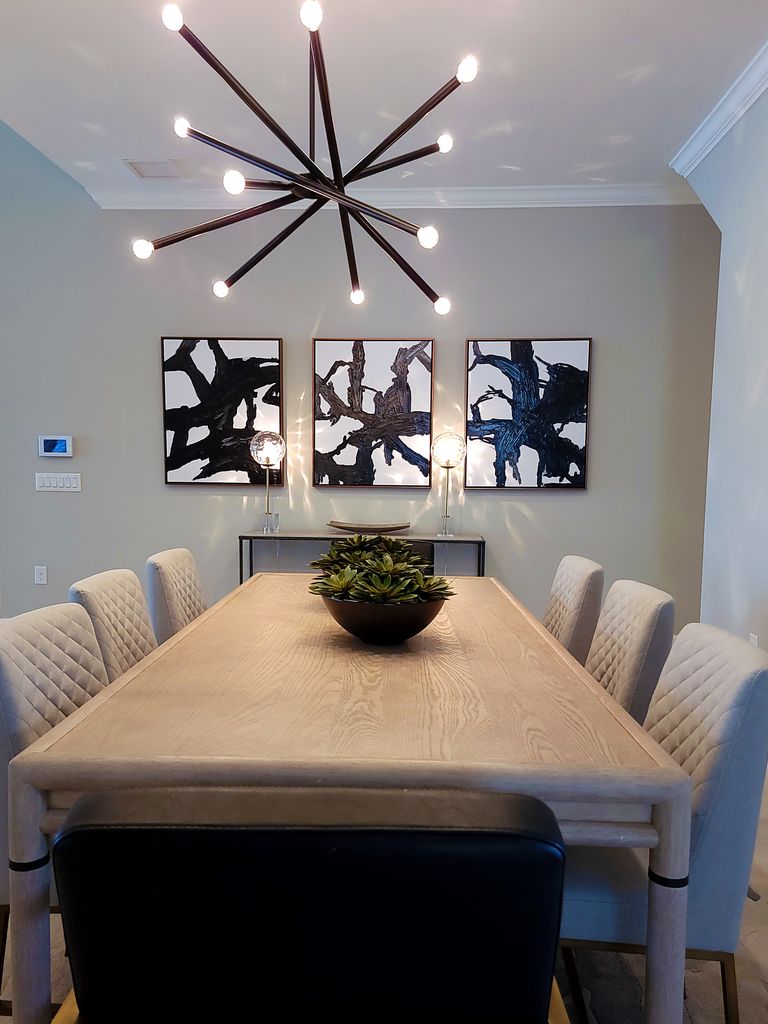
One of the biggest changes happening in interiors is the move away from cold minimalism. For years, ultra-clean spaces with little decoration were celebrated as the ultimate sign of sophistication. But many designers now say those rooms can sometimes feel disconnected from the people who live in them.
Meiyi Sun, founder and principal designer of MU Studio, said traditional minimalism can leave homeowners with too little room for personality. “Pure minimalism, with its emphasis on extreme simplicity and visual emptiness, often can’t meet homeowners’ needs for personality,” Sun said.
The replacement is not a return to clutter. Instead, designers are creating layered interiors where different textures, colors, and materials work together. A room might include a modern sofa, an antique lamp, handmade ceramics, and artwork collected from travel experiences. The goal is balance, not perfection.
Color is also making a comeback. Designers note that all-white interiors, once considered timeless, are losing popularity as homeowners seek richer tones and more emotional spaces. Warm earth colors, deeper shades, and natural finishes are becoming more common because they create rooms that feel inviting rather than sterile.
Natural materials are another major part of the movement. Wood, stone, linen, wool, and handcrafted finishes add texture and depth. According to Architectural Digest, designers continue to see demand for warmth, comfort, tactile materials, and lived-in interiors.
The message from designers is simple: a home should not feel like a waiting room. It should show evidence of life. A slightly worn wooden table, a collection of books, or a favorite chair can add more personality than a room filled entirely with brand-new matching furniture.
The New Definition of Luxury Is a Home That Feels Like Yours
The biggest change in home design may be philosophical. Luxury is no longer only about expensive finishes, huge spaces, or perfectly styled rooms. Designers say today’s luxury is increasingly about individuality, having a home that could belong to no one else because it reflects the owner’s experiences and preferences.
Christine Gachot, co-founder of Gachot Studios, described a move toward collecting meaningful items instead of creating overly edited spaces. She said she has been “challenging” herself to layer more personal elements into interiors, including family pieces and flea-market finds.
That philosophy is changing renovation decisions, too. Designers are encouraging homeowners to think carefully before removing every sign of a house’s history. Original details, older materials, and unique architectural features are increasingly valued because they provide character you can’t simply buy from a catalog.
The result is a new kind of dream home, one that may not look perfect in the traditional sense but feels perfectly suited to the people inside it. The latest design movement is not about impressing guests with a flawless space. It is about creating a home where guests can immediately understand who lives there.
The “perfect” home is not disappearing; it is being redefined. Designers are replacing the idea of perfection with something more realistic and lasting: comfort, personality, and a space that grows more meaningful over time. In the new world of interiors, the best homes are not the ones that look untouched; they are the ones that look truly lived in.
Other posts you might like:
- 5 Luxury Flooring Ideas to Instantly Elevate Your Dream Home
- 5 Things You Shouldn’t Buy at the Home Improvement Store
- Home renovations uncovered these unbelievable secrets hiding behind walls and floors


