



This article was originally published on Crafting Your Home. A human contributor wrote and edited the post.
America is home to some of the most prosperous cities in the world, but it also has communities facing decades of economic hardship, limited opportunities, and social challenges. From former industrial giants dealing with the loss of manufacturing jobs to rural areas struggling with healthcare access and declining industries, some places continue to face obstacles that affect the daily lives of thousands of residents.
The challenges facing these communities are rarely caused by one single issue. Poverty, unemployment, aging infrastructure, limited healthcare options, housing difficulties, and economic transitions often overlap, creating complicated problems that require long-term solutions.
Examining these areas provides a deeper understanding of the challenges many Americans face and highlights the resilience of residents who continue working to rebuild their communities.
Gallup, New Mexico
Gallup represents the difficulties many rural communities face when economic opportunities and essential services are limited. Located in western New Mexico, Gallup serves as an important regional center with strong cultural connections, including a significant Native American population. However, many residents face economic hardship due to limited employment opportunities, lower wages, and challenges accessing healthcare services.
The community has also struggled with issues related to substance abuse and social inequality. Limited resources can make it difficult for residents to receive support when they need it most. Despite these challenges, Gallup remains a community with a strong cultural identity. Local organizations continue working to improve healthcare access, education, and economic development.
Detroit, Michigan

Detroit’s story shows how the collapse of a dominant industry can reshape an entire city’s economic future. For much of the 20th century, Detroit was the heart of America’s automobile industry. The city attracted workers from across the country and became one of the nation’s largest manufacturing centers. However, changes in the auto industry, automation, global competition, and factory closures led to significant job losses. As employment opportunities declined, many residents moved away, contributing to population loss and financial challenges for the city.
Detroit has experienced major changes in recent years, including downtown redevelopment, new businesses, and investment in technology and transportation. However, many neighborhoods still face issues related to poverty, housing conditions, unemployment, and access to essential services. The city’s recovery remains a long-term process, with progress happening alongside continued challenges.
Flint, Michigan
Once known as a symbol of American manufacturing strength, Flint now represents the difficult transition many industrial cities experienced after factory closures and economic decline. Flint became famous during the 20th century as a major center of automobile production. The city’s factories provided thousands of jobs and supported generations of families. However, as manufacturing operations declined and companies moved production elsewhere, Flint lost many of the employment opportunities that had supported its economy.
The city later gained national attention because of its water crisis, which exposed serious infrastructure failures and created concerns about public health. The crisis damaged public trust and added another layer of difficulty to a community already dealing with economic challenges.
Today, Flint continues efforts to improve infrastructure, attract investment, and create new opportunities. Community organizations, local leaders, and residents have worked toward rebuilding the city’s reputation while addressing the lasting effects of decades of economic struggle.
East St. Louis, Illinois
The decline of manufacturing transformed East St. Louis from a major industrial center into a city facing severe economic challenges. East St. Louis once benefited from factories, rail transportation, and industrial activity. These industries created jobs and helped support a growing population. As companies closed or relocated, employment opportunities decreased. The loss of industry contributed to population decline, lower tax revenue, and difficulties maintaining infrastructure and public services.
The city has faced challenges involving abandoned buildings, neighborhood deterioration, and limited economic resources. Education, healthcare access, and employment opportunities remain important concerns for many residents. Despite these obstacles, local leaders and community groups continue working on revitalization projects designed to improve living conditions and create new opportunities.
Camden, New Jersey
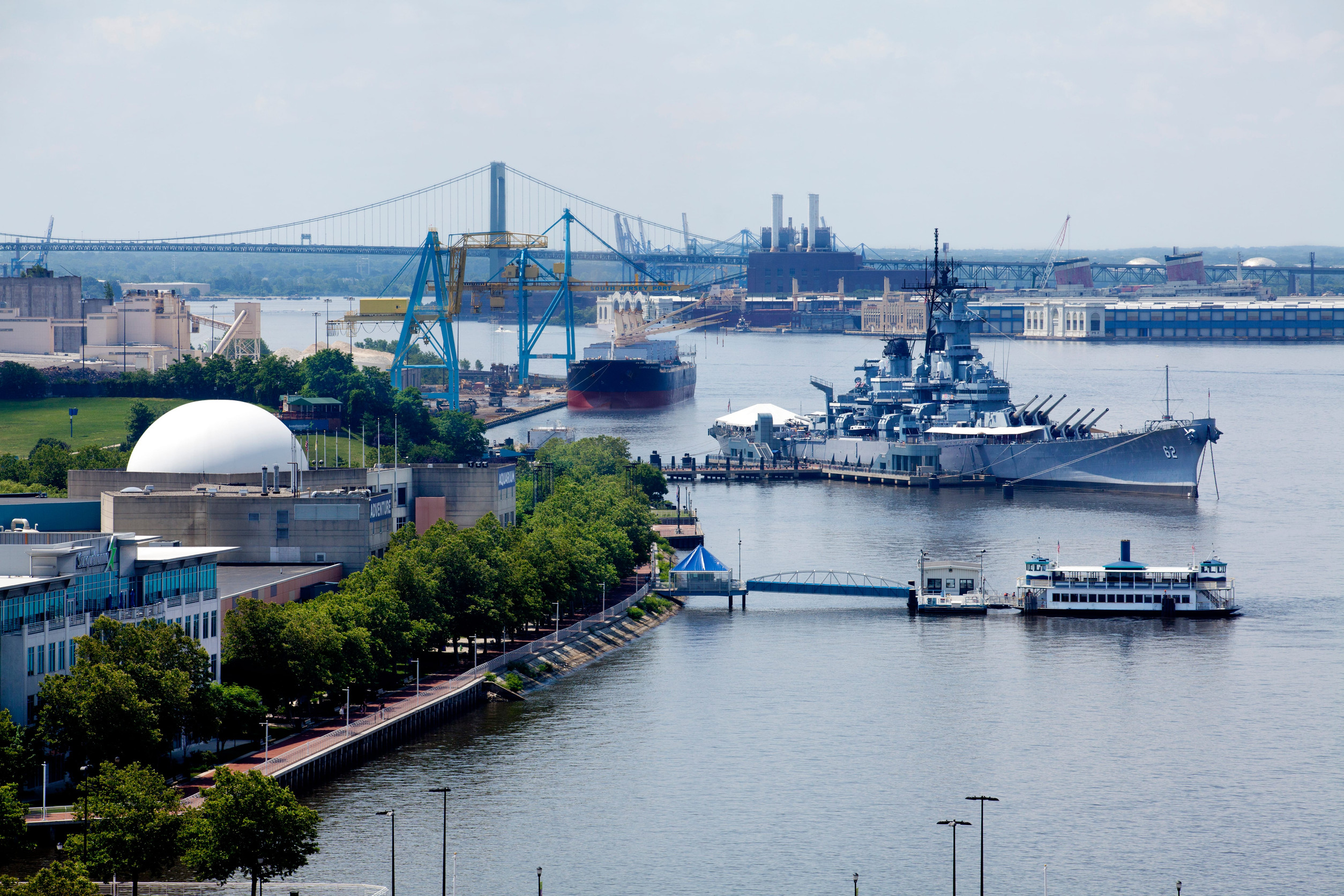
Camden’s struggles reflect the impact of industrial decline combined with years of economic disinvestment. Located across the Delaware River from Philadelphia, Camden was once an important manufacturing center. Factories and businesses provided employment for thousands of residents, but many industries eventually disappeared, leaving behind fewer job opportunities. The city has historically faced high poverty levels and public safety concerns. Some neighborhoods have struggled with abandoned properties, limited economic development, and reduced access to resources.
In recent years, Camden has undergone changes aimed at improving infrastructure, attracting businesses, and strengthening public services. New development projects and community programs have attempted to create more stability. However, many residents continue to face challenges connected to income inequality, housing availability, and economic mobility.
McDowell County, West Virginia
Few places demonstrate the impact of economic transformation more clearly than McDowell County, where the decline of coal reshaped everyday life. For generations, coal mining was the foundation of the local economy. Mining jobs supported families and created a strong sense of community identity. As coal production declined due to market changes, technology, and shifting energy demands, many residents lost stable employment. The disappearance of these jobs created economic uncertainty throughout the region.
McDowell County continues to face challenges related to poverty, healthcare access, education opportunities, and substance abuse. Rural geography also makes it harder for residents to access certain services. However, community organizations have focused on rebuilding the local economy through education programs, entrepreneurship initiatives, and efforts to attract new industries.
Immokalee, Florida
Immokalee’s economy depends heavily on agriculture, but many workers face financial insecurity because of low wages and seasonal employment. Located in southwest Florida, Immokalee is known for its agricultural industry, particularly tomato farming and other produce production. Many farm workers perform physically demanding jobs that are essential to the nation’s food supply. However, seasonal employment, limited wages, and housing challenges can make financial stability difficult.
Some residents also experience barriers to healthcare access and other essential services. Community organizations have worked to improve worker protections, healthcare availability, education, and economic opportunities. Immokalee’s story reflects the broader challenges faced by many agricultural communities across America.
Baltimore, Maryland

Baltimore’s challenges reveal how economic hardship can exist alongside areas of growth and opportunity within the same city. Baltimore has a rich history, a major port, respected universities, and important cultural institutions. However, certain neighborhoods have experienced decades of poverty, crime concerns, and limited economic investment. Some communities struggle with unemployment, aging housing, underperforming schools, and unequal access to healthcare. These issues are often concentrated in specific areas rather than affecting the entire city equally.
Baltimore has invested in redevelopment projects, neighborhood improvement programs, and economic initiatives designed to create more opportunities. The city’s future depends on addressing inequality while building on its existing strengths in education, healthcare, technology, and culture.
Bakersfield, California
Bakersfield’s challenges highlight the struggles faced by communities dependent on industries with unstable employment patterns. Located in California’s Central Valley, Bakersfield has a strong connection to agriculture and energy production. These industries provide important jobs but can also create economic uncertainty because many positions are seasonal or affected by market changes.
Some workers experience financial instability because of fluctuating employment opportunities and lower wages. The city also faces environmental concerns, including air quality issues that have raised health concerns among residents. At the same time, Bakersfield has experienced growth and continues efforts to diversify its economy. Investments in education, infrastructure, and new industries are part of attempts to create a more stable future.
Key Takeaways

Behind every struggling city or region are millions of residents who continue building families, working jobs, and supporting their communities despite difficult circumstances.
A place’s challenges do not define every person who lives there. Many communities facing poverty or economic hardship also have strong neighborhoods, dedicated leaders, cultural traditions, and residents committed to creating positive change.
The hardest places to live often reveal the importance of investment, opportunity, and support systems. Economic recovery does not happen overnight, but many communities across America continue proving that rebuilding is possible through persistence, innovation, and collective effort.
If you like what you just read, then subscribe to our newsletter and follow us on social media.


