The Most Believable Historical Myths People Still Fall For

History has a funny way of surprising us, especially when the stories we grew up repeating turn out to be a little off. I once confidently corrected a friend about the old tongue map myth, insisting, “No, you can’t taste sweetness at the back of your tongue — only bitterness!” I was so sure I sounded smart. Then I learned that research published in the International Journal of Molecular Sciences shows all taste sensations can be detected across the entire tongue.
The whole “map” came from a mistranslated 1901 German paper that stuck in textbooks for decades. It’s humbling, and honestly pretty entertaining, because it proves we’ve always loved a good story — even when the science says otherwise.
Vikings Wore Horned Helmets

So many of us grew up picturing Vikings charging into battle with dramatic horned helmets. The image is so bold and theatrical that it’s almost disappointing to learn it’s completely made up. Historians found no evidence of Vikings using horned helmets in combat, and actual Norse helmets discovered by archaeologists are simple and practical.
For instance, the Gjermundbu helmet, discovered in a burial mound at Haugsbygd in Ringerike, Norway, in 1943 had a rounded cap and protective nose guard — no horns. The horned version came from 19th-century costume designers who wanted their operas to look more exciting.
Napoleon Was Extremely Short
Napoleon gets dragged for being tiny, but the height myth is a misunderstanding that stuck around for centuries. He was about 5’6″ to 5’7″, which was average height for French men in the early 1800s.
The confusion partly came from French versus British measurement systems at the time. British propaganda during the Napoleonic Wars also doubled down on portraying him as smaller to make him seem weaker.
People Thought the World Was Flat in the Middle Ages

Many people still think explorers like Columbus had to convince everyone the Earth was round. But educated Europeans already knew the Earth was spherical as far back as the ancient Greeks.
There were textbooks in the 1200s explaining the Earth’s curvature, and astronomers had accurate calculations long before Columbus set sail. The flat-Earth story became popular in the 1800s because it made earlier eras seem less informed.
Marie Antoinette Said “Let Them Eat Cake”
This quote is one of the most repeated lines in history, even though there’s no evidence Marie Antoinette ever said it. The phrase existed long before she became queen and appeared in writings unrelated to her.
Historians believe it was attributed to her later as a way to make her look out of touch during rising political tensions. But she often donated to the poor and wasn’t nearly as indifferent as the rumor suggests.
Benjamin Franklin Wanted the Turkey as the National Bird
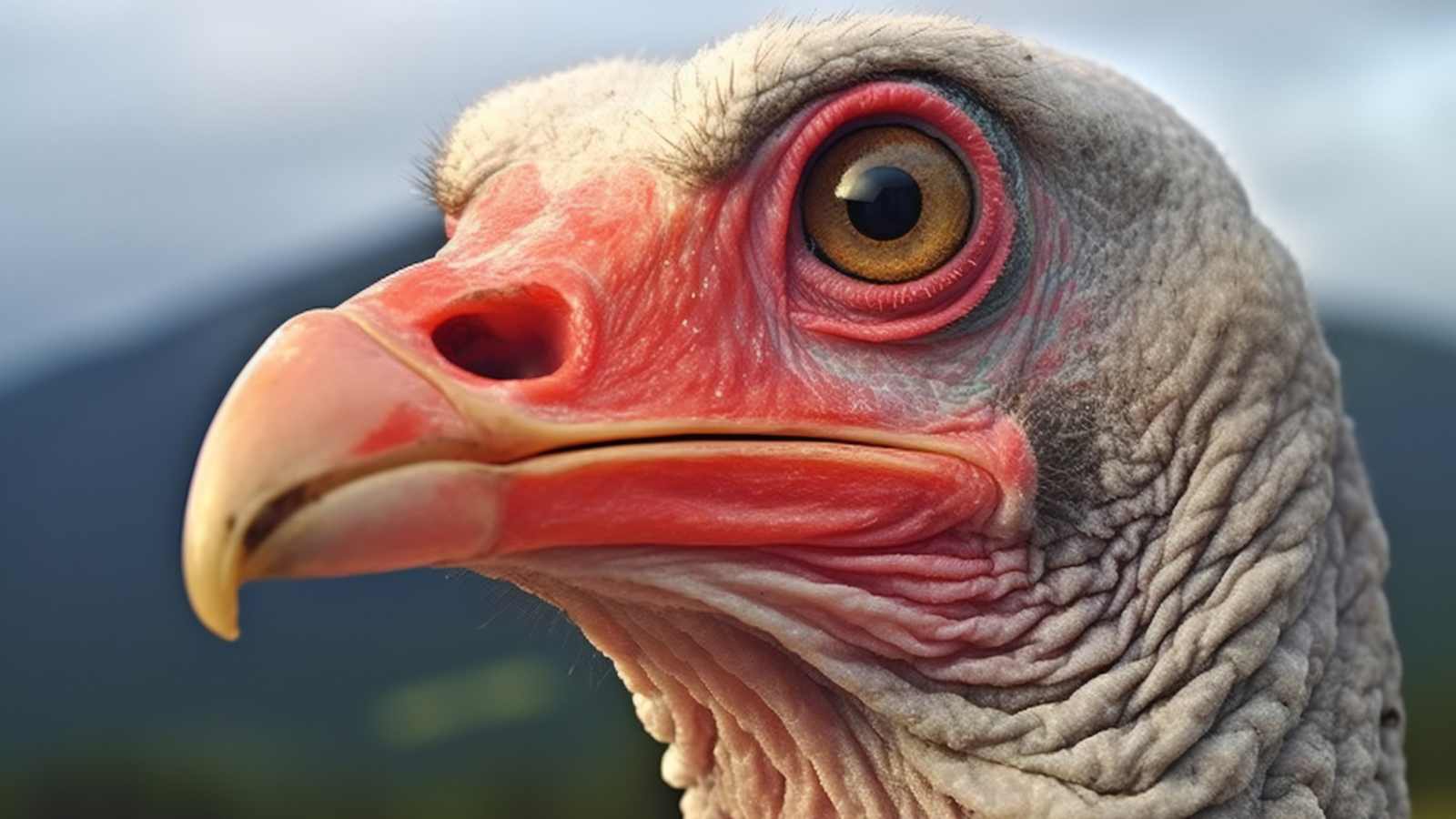
Franklin did admire the turkey and joked in a private letter that it had more “moral character” than the bald eagle, but he never proposed it as the national symbol. The story grew because people loved the idea of Franklin earnestly lobbying Congress for a bird with such a humble personality.
In reality, the bald eagle became the national bird in 1782 without much debate. Franklin’s letter wasn’t meant to be taken so seriously, but once the rumor caught on, it never let go. The turkey probably doesn’t mind staying out of the spotlight.
Medieval People Took Baths Only Once a Year
It’s easy to imagine people in the Middle Ages avoiding baths entirely, but this idea is exaggerated. Bathhouses were common in many European cities, and regular washing was encouraged, especially for health. Some towns even had public bath fees listed in city documents, which means people used them often enough to require pricing rules.
Personal hygiene varied by class and location, but no society functioned on the “one bath per year” schedule people joke about today. The myth caught on because it fit neatly into stereotypes of the era.
Key takeaways
Many myths stick around because they’re simple, dramatic, or just more interesting than the real story. Once a false idea spreads widely, it becomes surprisingly hard to correct.
These examples show how easy it is for a small misunderstanding to snowball into a centuries-long belief. And hey, if nothing else, it gives us great conversation material—and maybe a chance to impress someone at trivia night.
Read the original article on Crafting Your Home