6 Most Beautiful Monuments to Visit in France
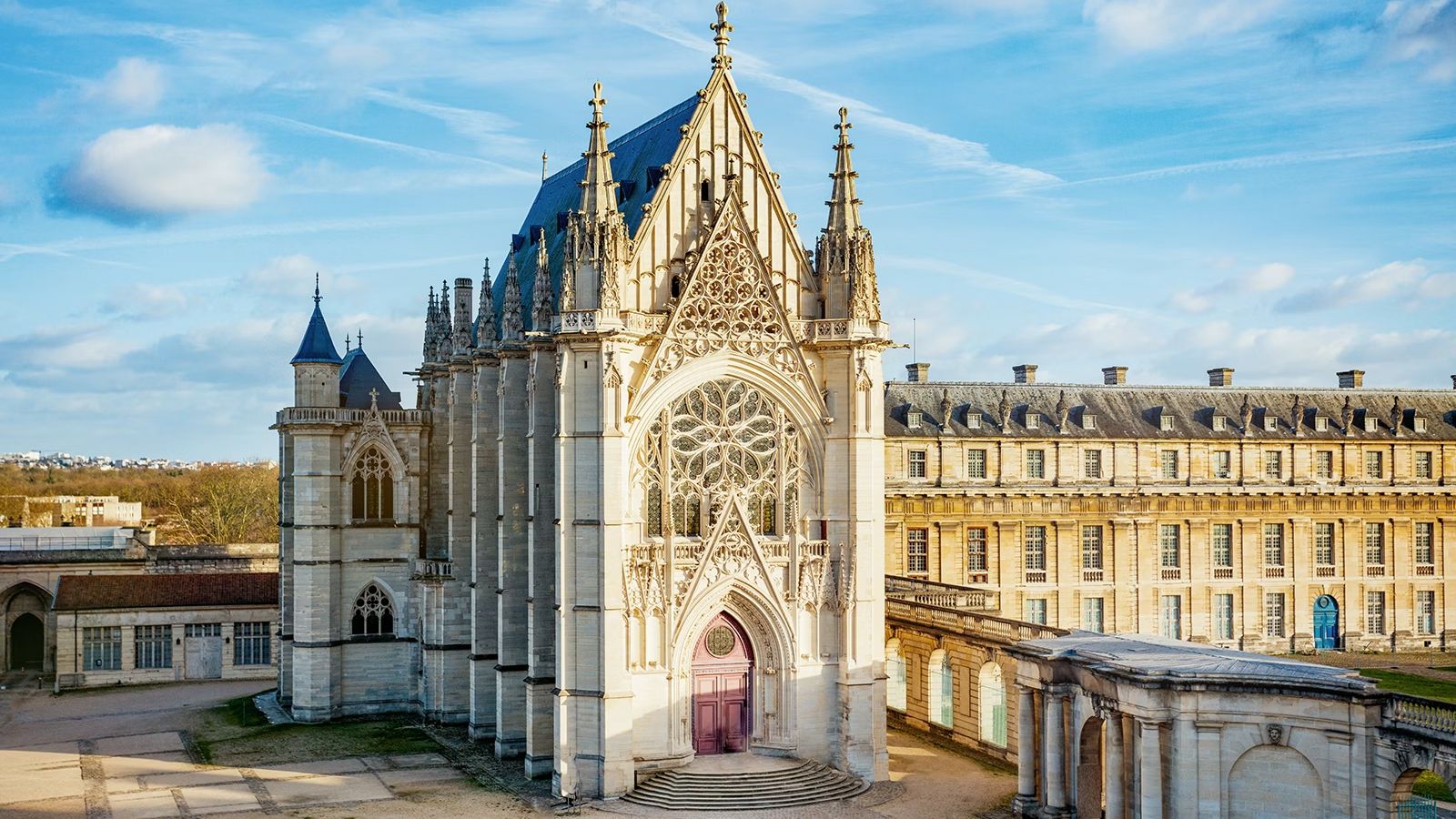
Image Credit: Alvinjesusyouth/Wikimedia Commons, Licensed Under CC BY-SA 4.0
Picture this: you’ve just stepped off the plane in France, greeted by the smell of freshly baked croissants and the ever-present hum of a city that’s been around longer than most countries. You’re standing in front of a monument that’s been the backdrop to countless movies, photos, and Instagram posts, and you’re thinking, “Okay, what’s next?”
Well, lucky for you, we’re here to help guide you through some of the most stunning, jaw-dropping monuments France has to offer. These aren’t just any old tourist spots—they’re pieces of history that have seen empires rise and fall, witnessed revolutions, and been designed by architects who probably had a flair for making things look way cooler than anyone thought possible.
Whether you’re a fan of medieval castles, iconic towers, or sprawling palaces, these six monuments will give you a serious case of wanderlust—and maybe even a little envy for the people who get to visit them on the daily.
Sainte-Chapelle
Nestled on the Île de la Cité in Paris, the Sainte-Chapelle is a lesser-known marvel that often gets overshadowed by the grandeur of the Notre-Dame Cathedral. However, its intricate Gothic design and stunning stained glass windows make it a hidden treasure in the heart of the city. Built in the 13th century by King Louis IX to house Christian relics, including the Crown of Thorns, Sainte-Chapelle is a shining example of the Rayonnant Gothic style.
As you step inside, you’ll be greeted by the breathtaking stained glass windows that cover the walls, depicting biblical scenes in vivid colors. The light streaming through the windows creates an ethereal atmosphere, making it feel almost celestial. Despite its modest size compared to other Parisian landmarks, Sainte-Chapelle offers a sense of spiritual intimacy and artistic beauty.
The intricate details of the stained glass windows, covering over 600 square meters, fill the chapel with a kaleidoscope of colors. The chapel is a testament to the beauty and grandeur of Gothic architecture, and its quiet charm offers a welcome escape from the bustle of Paris.
Eiffel Tower
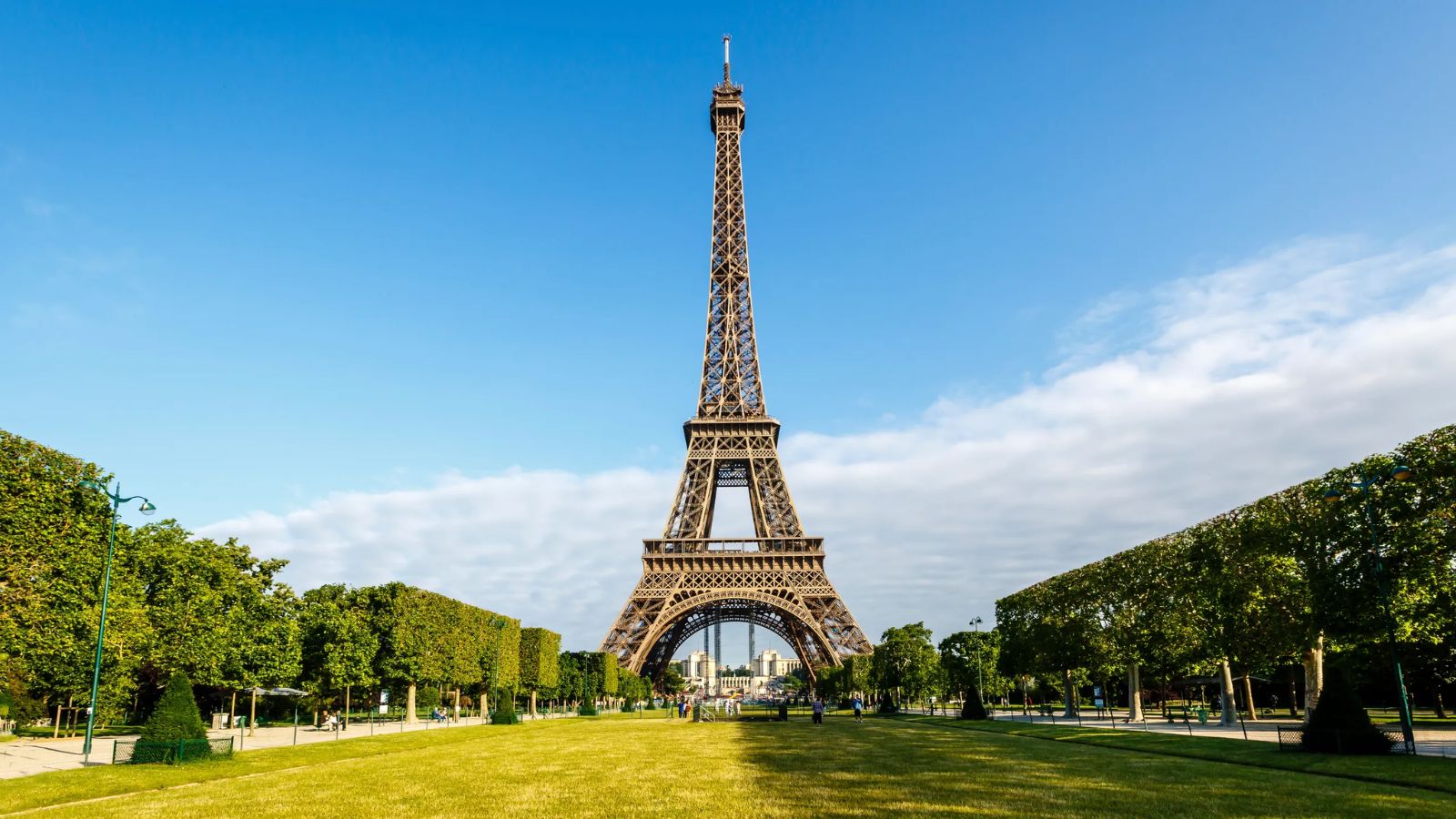
If you’re thinking of France, the Eiffel Tower is undoubtedly the first image that comes to mind. Standing at 330 meters, this world-famous iron lattice tower was erected in 1889 for the World’s Fair. Designed by engineer Gustave Eiffel, it faced fierce opposition from some of the greatest minds in Paris at the time.
Yet, despite the criticisms, it has transformed into the quintessential symbol of the French capital and a must-see marvel for anyone visiting Paris. The Eiffel Tower is not just a magnificent feat of engineering; it offers an unparalleled view of the City of Lights from its observation decks.
Whether you choose to take the elevator or brave the climb to the top, the vistas of Paris below, from the Seine River to the sprawling boulevards, are worth every second of the journey. While the Eiffel Tower is now one of the most photographed monuments in the world, it was initially criticized for its ‘ugly’ design. Over time, its unique structure won over even the harshest of critics.
Château de Chambord
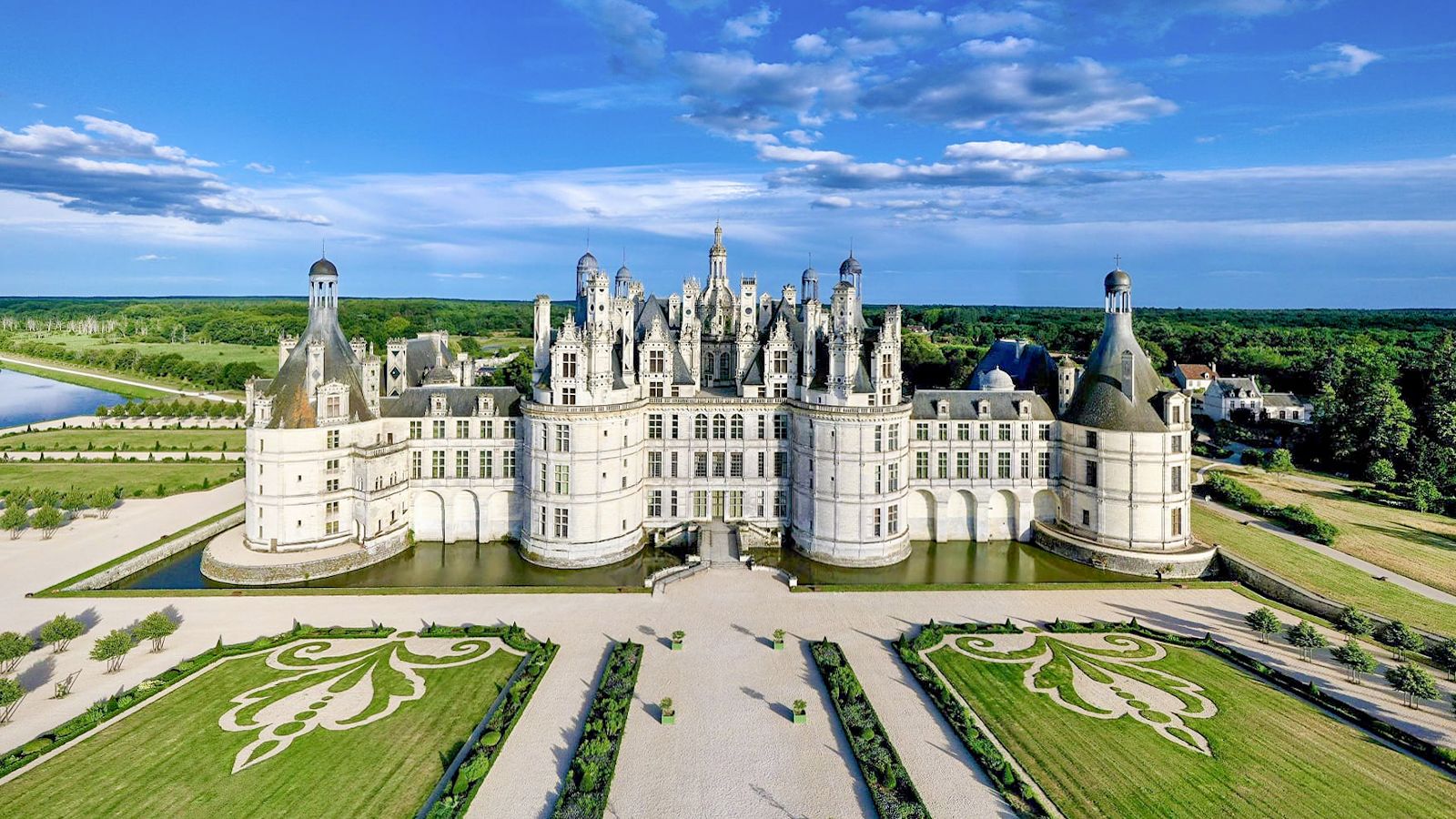
The Loire Valley is often called the ‘Garden of France,’ and within this lush region, the Château de Chambord reigns supreme. This magnificent Renaissance castle, commissioned by King François I, combines the medieval fortifications of a castle with the elegance of Renaissance architecture.
What truly sets Chambord apart is its unique double-helix staircase, attributed to Leonardo da Vinci, which elegantly spirals its way up to the top. As you wander through the sprawling grounds, you’ll encounter over 282 fireplaces and more than 440 rooms, making it one of the largest castles in the region.
The estate is surrounded by an enormous park, home to wild boar and deer, creating a perfect blend of natural beauty and architectural mastery. Chambord’s architecture is a fusion of French medieval and Italian Renaissance styles, and its history is as mysterious as its design. While the purpose of its creation remains unclear, one thing is certain—Château de Chambord is a masterpiece of artistic expression, making it one of the most important Renaissance buildings in the world.
Carcassonne
Located in the south of France, the Walled City of Carcassonne is one of the best-preserved medieval cities in Europe. With its imposing ramparts, drawbridges, and 52 watchtowers, Carcassonne looks like something straight out of a fairy tale. It’s a rare example of a fortified city that has survived through the centuries, offering an incredibly immersive experience for visitors.
As you walk through the narrow cobblestone streets, you’ll feel transported back in time. The city is surrounded by two layers of walls, which once served as protection against invaders. One of the highlights is the stunning Basilica of Saint-Nazaire, where you can admire beautiful stained glass windows and Gothic architecture.
Restored in the 19th century by architect Eugène Viollet-le-Duc, Carcassonne stands as a testament to medieval military genius. Its legends are rich with tales of knights and battles, and it’s easy to see why it has been declared a UNESCO World Heritage site.
Mont-Saint-Michel
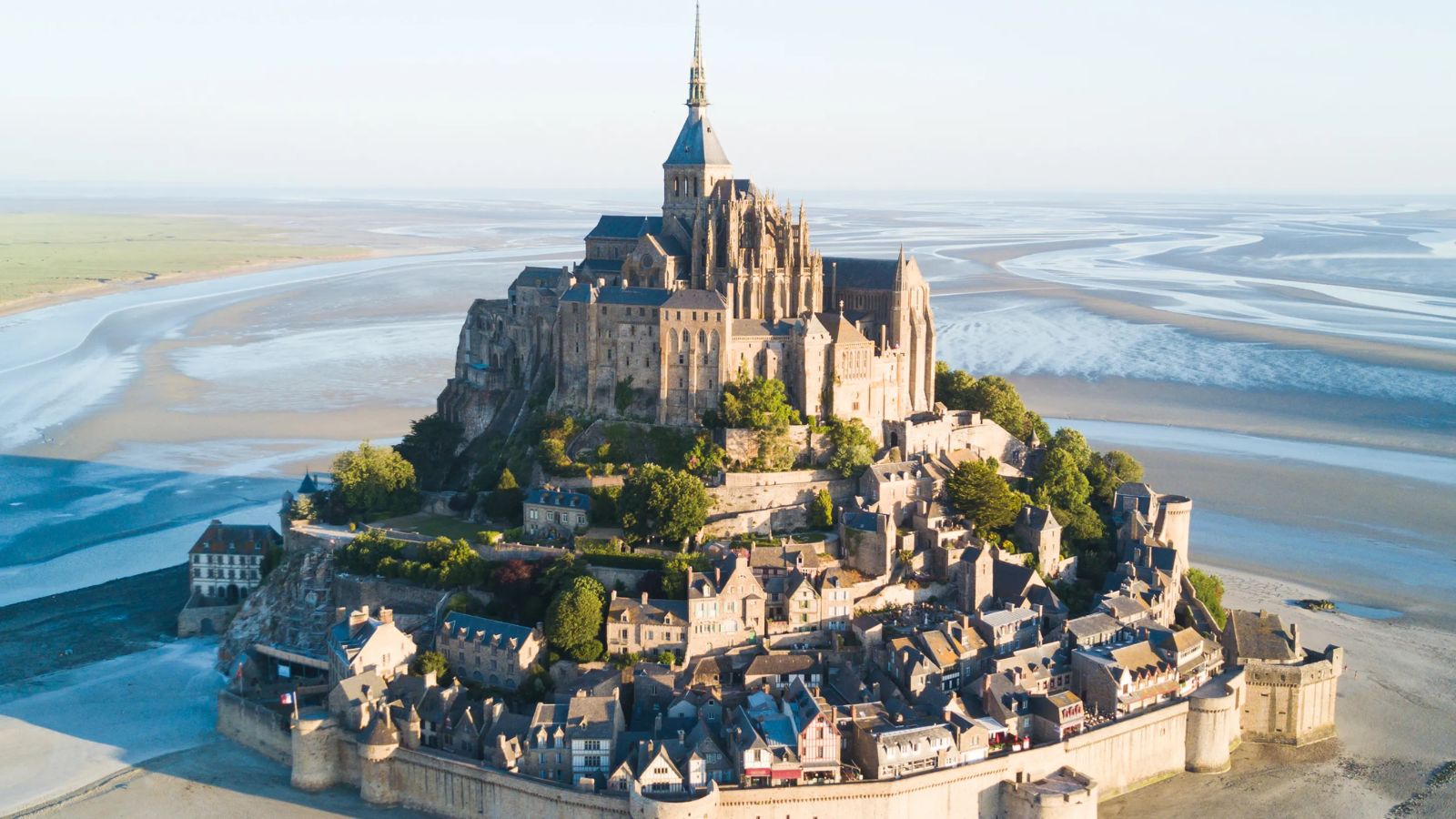
Located off the coast of Normandy, Mont-Saint-Michel is a true gem that seems to float on the horizon at high tide. This island commune is known for its stunning Benedictine Abbey, perched atop a rocky hill that rises dramatically from the sea. What makes this monument even more magical is its ever-changing landscape, shaped by the highest tidal variations in Europe.
The journey to the abbey involves a steady climb along cobbled streets, winding through quaint medieval shops and homes before reaching the summit. The view from the top is nothing short of spectacular, offering panoramic vistas of the surrounding bay, especially as the tide recedes and reveals vast stretches of golden sand. Mont-Saint-Michel’s architecture—mixing Romanesque and Gothic styles—adds to its otherworldly charm.
Founded in the 8th century, Mont-Saint-Michel has long been a place of pilgrimage, drawing countless visitors seeking both spiritual solace and architectural wonder. It’s a UNESCO World Heritage site and one of the most visited places in France, truly a must-see for any history lover.
Palais des Papes
In the heart of the city of Avignon, the Palais des Papes (Palace of the Popes) looms large as one of the most imposing Gothic structures in Europe. Built in the 14th century, this enormous palace served as the residence of several popes during the period when the papacy was based in Avignon, rather than Rome.
The grandeur of the Palais des Papes reflects the political and religious power that the Church wielded at the time. Visitors can explore the palace’s grand halls, magnificent frescoes, and austere chapels, all while soaking in the historical significance of this formidable building.
Avignon is a city that is synonymous with the power of the papacy. The Palace of the Popes, with its monumental towers and vast interior, reminds visitors of the period of the Avignon Papacy. In the summer, the palace becomes a hub for the famous Festival d’Avignon, attracting artists and performers from around the world.
Conclusion
France’s monuments offer more than just beautiful structures; they are windows into the past, reflecting the nation’s complex history, artistry, and spiritual fervor. From the towering Eiffel Tower in Paris to the medieval splendor of Mont-Saint-Michel, each monument tells a unique story that spans centuries of French culture and history.
These monuments are not just tourist destinations; they are living symbols of the country’s legacy, which continues to captivate visitors from around the world. Whether you’re a history enthusiast, an architecture lover, or simply someone in search of awe-inspiring beauty, France’s monuments are sure to leave an indelible mark on your heart and soul.