The 7 Richest Men in History: Masters of Fortune and Legacy
Throughout history, there have been individuals whose wealth transcended the conventional standards of prosperity. These men didn’t just accumulate riches; they built empires, changed the course of history, and left indelible marks on the world. Whether through industry, conquests, or pioneering innovations, their fortunes remain awe-inspiring.
Below, we explore the 7 richest men in human history, their incredible journeys, and the lasting legacies they created.
John D. Rockefeller
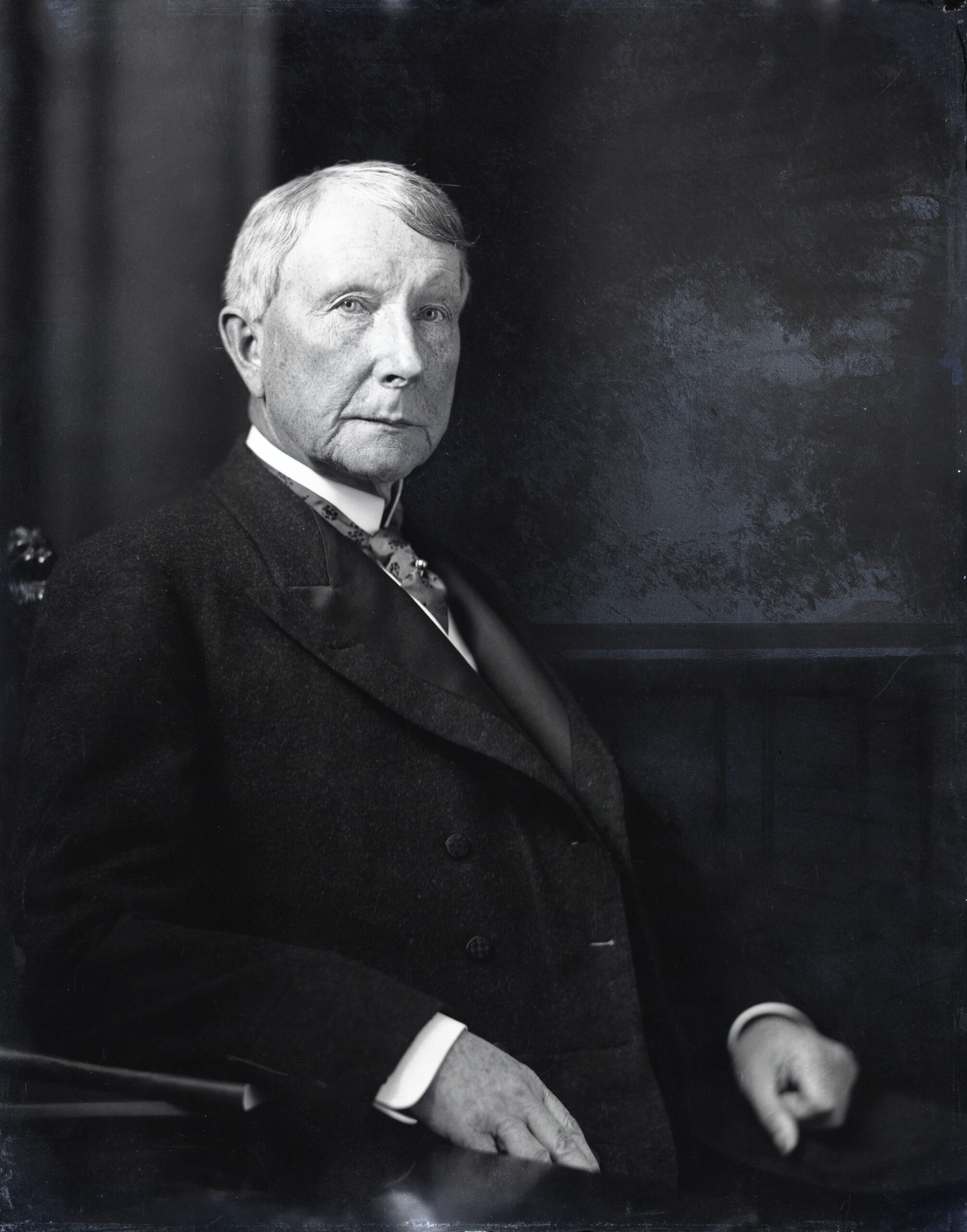
John D. Rockefeller is often regarded as the wealthiest individual to have ever lived. As the founder of Standard Oil, he revolutionized the oil industry in the United States and across the globe. Born in 1839, Rockefeller began his career as a bookkeeper and quickly realized the potential in the burgeoning oil industry. By establishing Standard Oil in 1870, he methodically expanded his company to control nearly 90% of the U.S. oil market.
Rockefeller’s wealth peaked at an extraordinary $340 billion in today’s dollars. His business practices, while controversial at times, allowed him to dominate the oil industry and achieve unmatched levels of success. He not only amassed wealth but also became one of the world’s most influential philanthropists, giving away vast portions of his fortune to educational and scientific institutions.
Osman Ali Khan, Asaf Jah VII
Osman Ali Khan, born in 1886, was the Nizam of Hyderabad, a princely state in India. Upon inheriting the throne in 1911, he took control of one of the wealthiest kingdoms in the world. His vast wealth came from land ownership, precious gems, and the state’s control over trade and commerce in the region.
By the time of his death in 1967, Osman Ali Khan had accumulated an astounding $230 billion fortune, much of which was used to fund infrastructure, education, and cultural institutions in Hyderabad. His extravagant lifestyle and riches made him one of the most affluent monarchs in history.
Andrew Carnegie
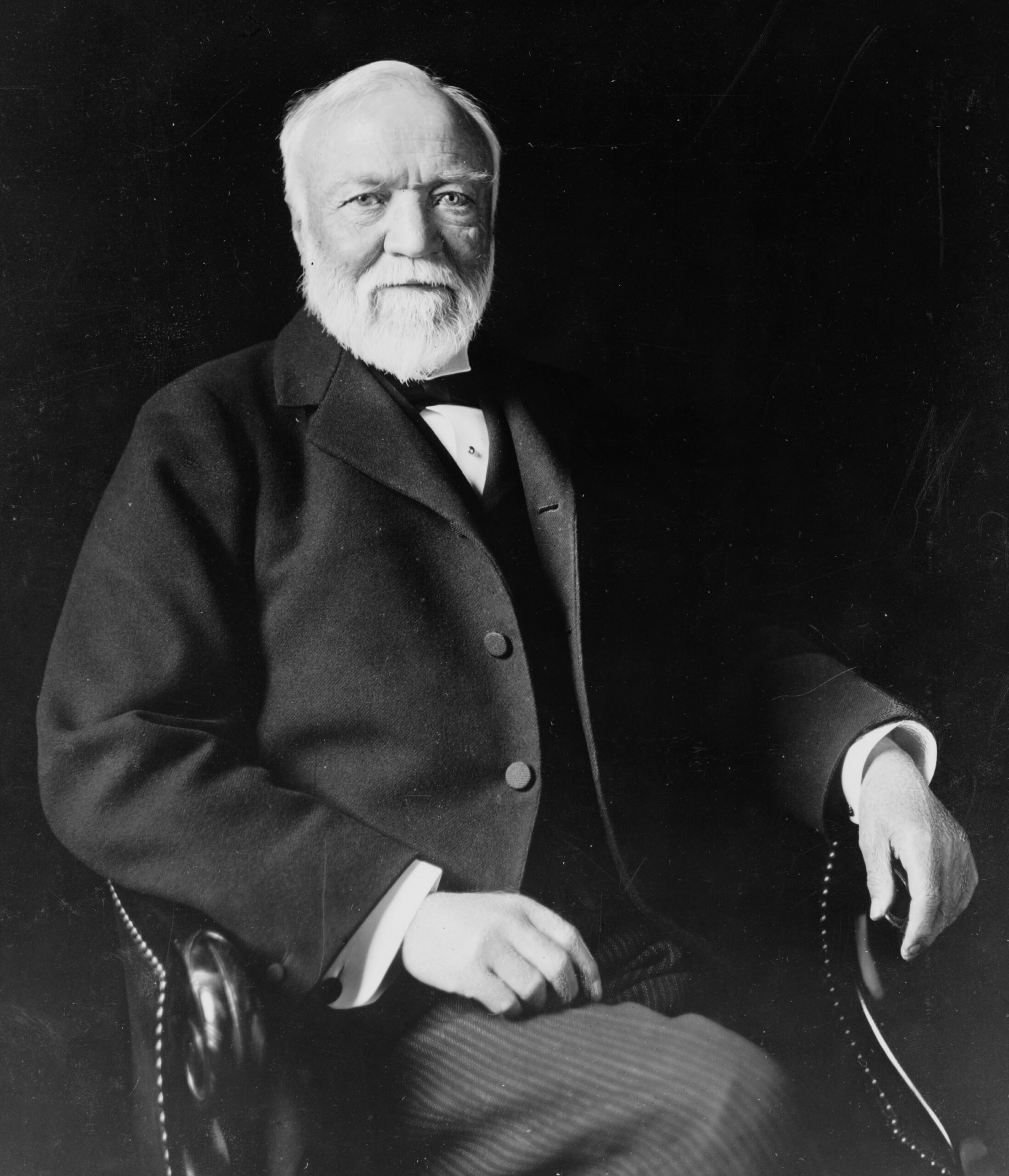
Andrew Carnegie’s rise to wealth is the epitome of the American Dream. Born in Scotland in 1835, he immigrated to the United States at the age of 13, finding work in factories. His remarkable journey led him to dominate the steel industry. By founding Carnegie Steel in 1892, Carnegie revolutionized steel production and became one of the wealthiest men of his time.
In 1901, Carnegie sold his steel empire to J.P. Morgan for $310 billion in today’s money, cementing his place as one of the richest individuals in history. Carnegie’s wealth allowed him to become a major philanthropist, funding libraries, universities, and other charitable causes. His legacy lives on through Carnegie Mellon University and countless other contributions to American society.
William Henry Vanderbilt
William Henry Vanderbilt was born into wealth, being the son of the legendary industrialist Cornelius Vanderbilt. After his father’s death in 1877, William inherited a vast fortune and the control of the family’s railroads. While he was initially seen as less competent than his father, William proved his worth by expanding the Vanderbilt railroad empire and significantly increasing its profitability.
By the time of his death in 1885, William had turned the Vanderbilt family fortune into a $239 billion empire, primarily through railroads, real estate, and other investments. He doubled the family’s fortune in just a few short years, cementing his place among the wealthiest men of all time.
Henry Ford
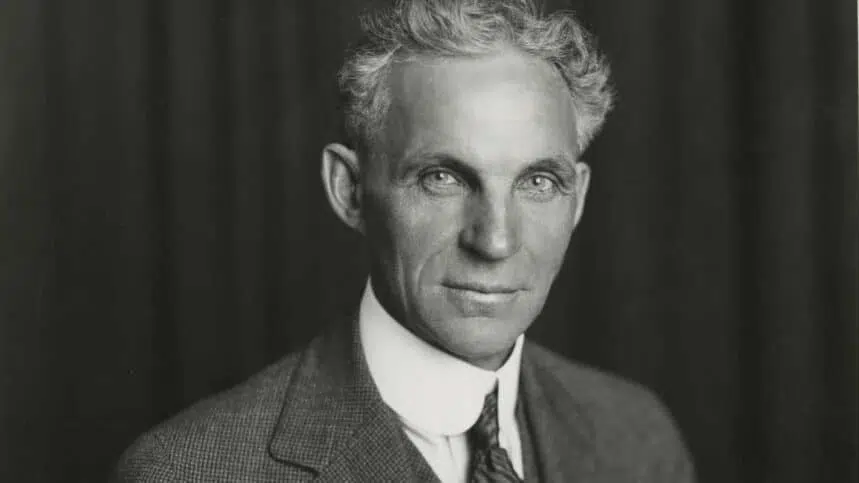
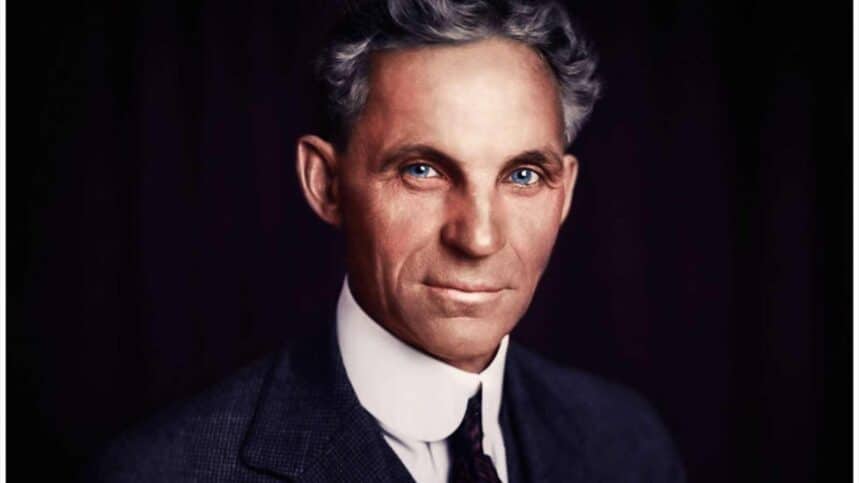
Henry Ford is best known for revolutionizing the automobile industry and popularizing mass production. Born in Michigan in 1863, Ford founded the Ford Motor Company and introduced the Model T, which made automobiles affordable for the average American. His innovative use of the assembly line drastically lowered production costs and increased efficiency.
Ford’s wealth peaked at $186 billion, and his contributions to the automotive industry have shaped the modern world. His company’s success laid the foundation for the American automobile industry and had lasting effects on global manufacturing processes.
Cornelius Vanderbilt
Cornelius Vanderbilt, born in 1794, started his career in the shipping industry before transitioning to railroads. His empire grew rapidly as he acquired and consolidated various rail lines, including the New York Central Railroad. By the time of his death in 1877, Vanderbilt had built a fortune estimated at $165 billion in today’s dollars, making him one of the richest men of his era.
His wealth was primarily derived from the transportation sector, and his influence over the railroads made him a titan of American industry. Vanderbilt’s legacy is evident in the vast transportation network he helped create, which would serve as the backbone of America’s industrial revolution.
Andrew W. Mellon
Andrew Mellon was an influential figure in early 20th-century America. Born in 1855, Mellon was a banker, industrialist, philanthropist, and government official. As the owner of the banking firm T. Mellon & Sons, he was a key player in financing major corporations, including the Aluminum Company of America and Gulf Oil.
Mellon’s legacy was not only in his wealth, which at its peak totaled $188 billion, but also in his role as U.S. Secretary of the Treasury, where he played a major role in shaping the nation’s fiscal policies during the 1920s. His influence and vast fortune were central to the development of modern America.
Conclusion
These men didn’t just amass wealth; they created legacies that continue to shape the world. From the oil fields of Rockefeller to the railroads of Vanderbilt, their fortunes were built on vision, innovation, and strategic thinking.
Though their methods and industries may have varied, their impact on history is undeniable. Today, we continue to reap the benefits of their contributions, as their stories remain a testament to the power of wealth in shaping the course of human history.
Read the original article on crafting your home