The ’60s kitchen code: 7 habits that are now illegal and why
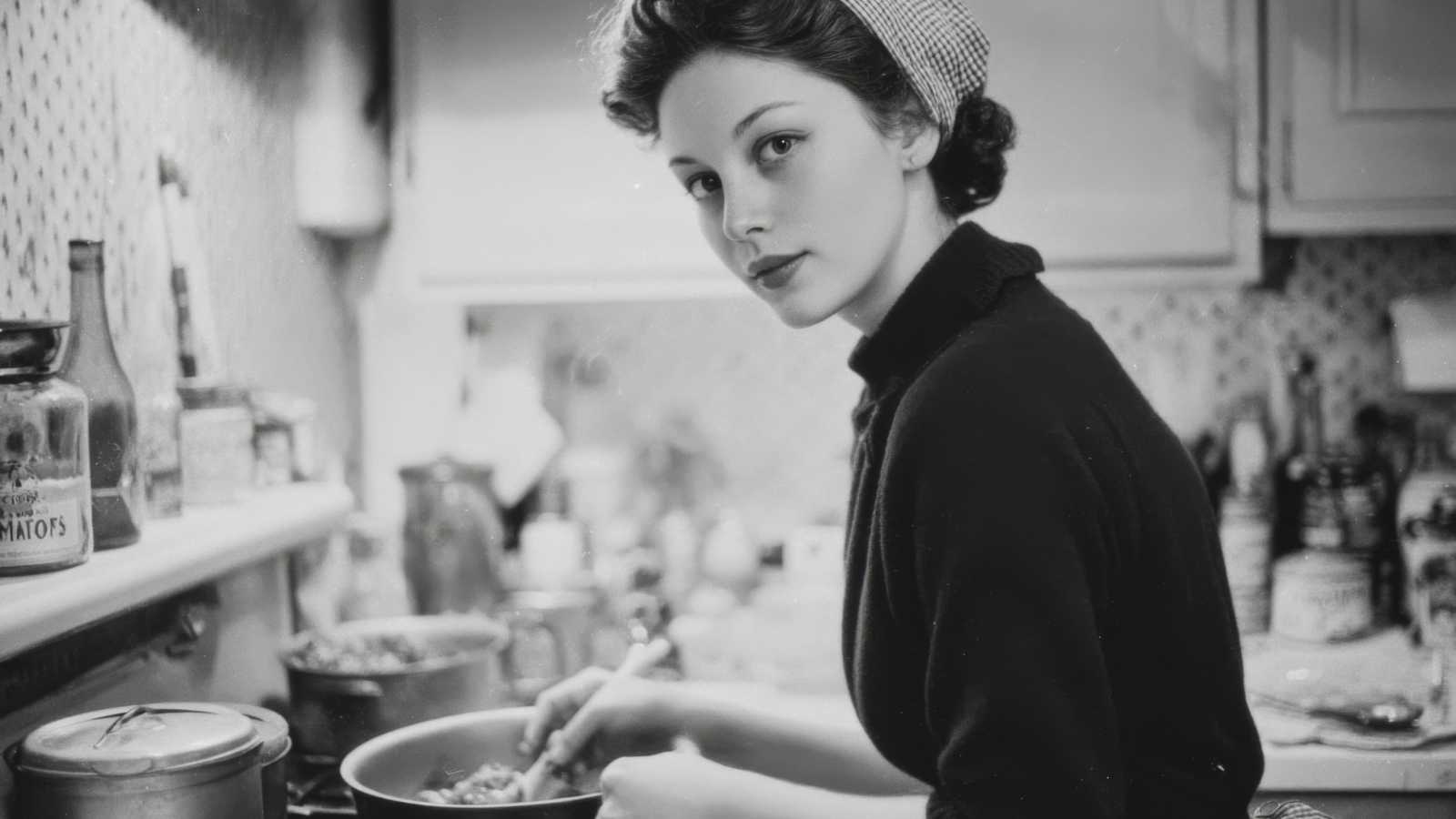
Grab a Tab, pull up a vinyl chair, and let’s rap about the good ol’ days. I love the mid-century aesthetic as much as the next guy, but the ’60s kitchen wasn’t just about fondue and Jell-O molds; it was a regulatory Wild West. Back then, “Better Living Through Chemistry” wasn’t just a slogan; it was a dietary plan.
The FDA didn’t even start reviewing the “Generally Recognized As Safe” (GRAS) list until President Nixon ordered it in 1969. Before that, we blindly trusted products that are now strictly banned. In fact, a 1961 debate noted that of 30 permitted food colors, 17 had “deficient” safety evidence. We’re going to look at the specific toxins we welcomed into our homes.
Eating the “Red Scare” (Red dye no. 2)
You know something is bad when a candy company voluntarily pulls a color just to avoid bad PR. FD&C Red No. 2 was the king of food dyes in the ’60s, coloring everything from sausage casings to ice cream. But after Soviet scientists claimed it caused tumors in rats in 1970, the FDA finally banned it in 1976.
Mars didn’t even use Red No. 2 in M&M’s, but they pulled the red candies anyway for a decade just to calm panicked consumers. IMO, that’s a guilt trip we didn’t need. Today, we use Red No. 40, which is safer (supposedly), but I still miss the vintage vibrancy of those toxic treats.
Stabilizing beer foam with heavy metals

In the mid-60s, a strange epidemic of heart failure hit heavy beer drinkers in Quebec City and Omaha. The culprit wasn’t the alcohol; it was cobalt sulfate. Breweries like Dow Breweries added this heavy metal to beer to stabilize the foam because detergents were killing the head.
It turns out, cobalt blocks the heart’s ability to use oxygen, leading to cardiomyopathy. At least 20 people died in Quebec alone before the additive was banned in 1966. We literally poisoned ourselves for a prettier pint.
Dieting with bladder carcinogens
If you wanted a zero-calorie soda in 1968, you drank cyclamates. This artificial sweetener was in everything from Tab to bacon. It was 30 times as sweet as sugar and had no aftertaste. We thought we found the holy grail of dieting.
Then, a 1969 study showed that high doses caused bladder tumors in rats. The FDA banned it that same year, sparking a massive recall where sodas were dumped down drains. FYI, it’s still legal in Canada, but Uncle Sam says “no way.”
Decorating the nursery with DDT
We didn’t just spray DDT on crops; we wallpapered our kids’ rooms with it. Brands like Trimz sold DDT-treated wallpaper in “Disney Favorites” patterns, promising to “Protect Your Children Against Disease-Carrying Insects!” The slogan “DDT is good for me-e-e!” actually existed.
Rachel Carson’s Silent Spring (1962) finally woke us up to the fact that DDT destroys ecosystems and likely harms humans. The EPA banned it in 1972. I shudder to think about the fumes we inhaled while sleeping in those “protected” nurseries.
Huffing the stain remover
Every ’60s housewife had a bottle of Carbona (carbon tetrachloride) under the sink. It was the ultimate spot remover because it “cannot explode” like gasoline-based cleaners. But it had a nasty side effect: it destroyed your liver and kidneys.
Kids in the ’60s also started sniffing it for a cheap high, leading to fatalities and even a song by the Ramones. The government banned carbon tetrachloride in consumer products in 1970. Now, we just use it in labs to induce liver damage in rats. Fun, right?
Ironing on asbestos
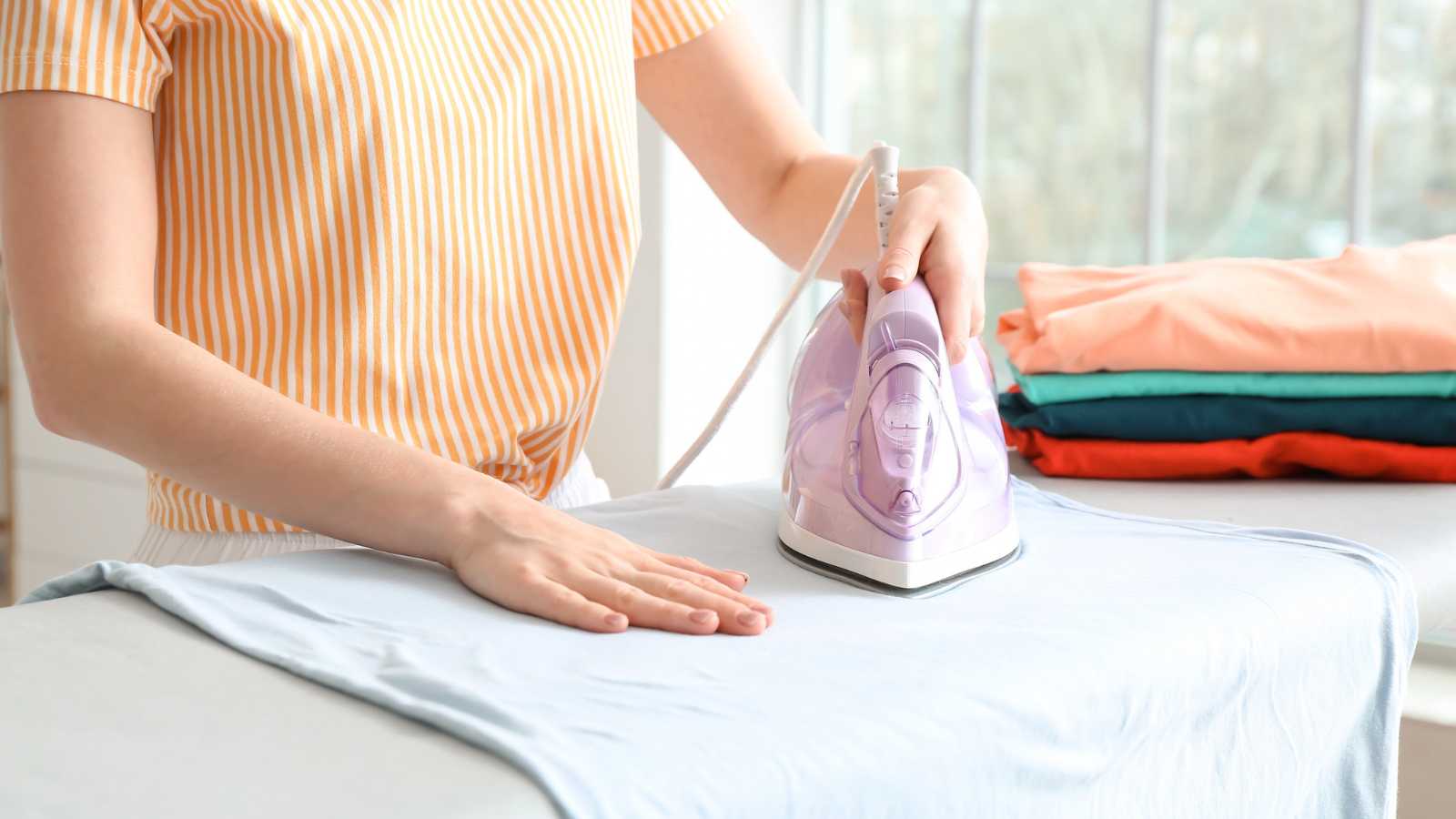
In the 60s, asbestos was the “miracle mineral” that kept us safe from fire. We put it in oven mitts, hairdryers, and—my personal favorite—ironing board covers. Brands like Lady Susan boasted covers made of “Asbestos with NuFoam“.
As these covers aged, they became friable, releasing microscopic, lung-shredding fibers into your face as you pressed shirts. The CPSC cracked down on these consumer uses in the late 70s.
Serving dinner on radioactive lead
If you collect vintage Fiestaware, especially the “radioactive red” (orange) made before 1972, you might want to buy a Geiger counter. The glaze contained uranium oxide and high levels of lead.
Before 1971, there were no limits on the amount of lead that could leach from dinnerware. Acidic foods like tomato sauce could pull that neurotoxin right onto your fork. I keep my vintage pieces in a cabinet, far away from my dinner table.
Key Takeaway

The “good old days” were chemically adventurous, to say the least. We traded safety for convenience, foamier beer, and bug-free wallpaper. While modern food has its issues, at least we aren’t knowingly serving neurotoxins on our dinner plates. Check your vintage stash, stay safe, and maybe stick to filtered water.
Read the Original Article on Crafting Your Home.