The 6 Worst Places in America We’d Never Recommend to Anyone
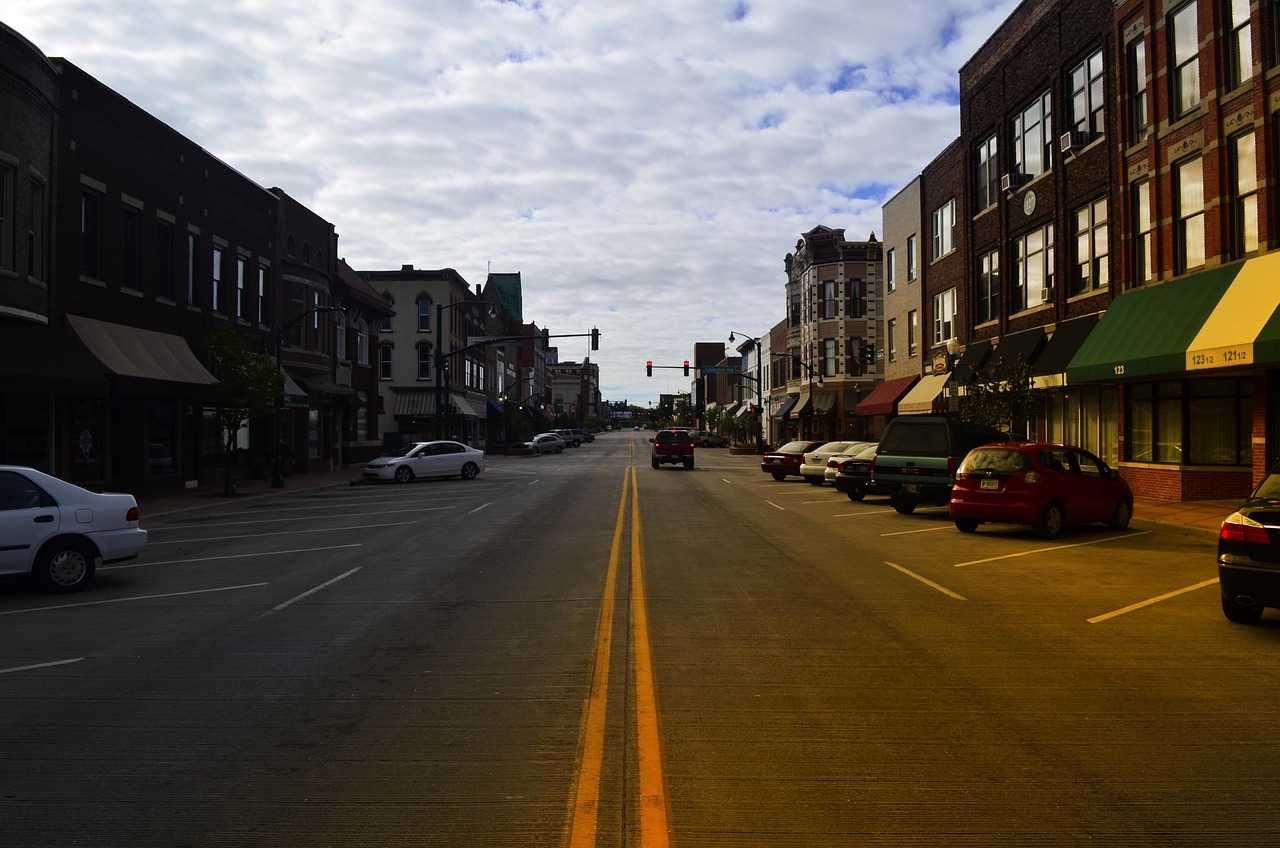
Image Credit: Stephen Marc/pixabay
Not every pin on the map deserves a full vacation. Some places punish the unprepared with brutal heat, isolation, environmental hazards, or block-by-block safety concerns, turning “adventure” into an expensive lesson. When we plan trips, we look for destinations that reward our time with comfort, beauty, culture, or effortless fun.
The locations below can still hold meaning for residents and history buffs, but for most travelers, they’re better approached with eyes wide open, or swapped for nearby alternatives that deliver a far better experience.
Flint, Michigan
Image Credit: Photo by WMrapids, CC0, via Wikimedia Commons
Flint became synonymous with a public-systems failure, and while the city has worked aggressively on infrastructure repair, the visitor narrative is still dominated by recovery, accountability, and rebuilding trust. Official updates report major progress on service-line work, but for most travelers seeking easy enjoyment, Flint isn’t the obvious pick.
Where we’d go instead:
Detroit for museums, architecture, music history, food
Ann Arbor for walkable charm and a low-friction weekend.
Gary, Indiana
Image Credit: Photo by Steve Shook from Moscow, Idaho, USA, CC BY 2.0 via Wikimedia Commons
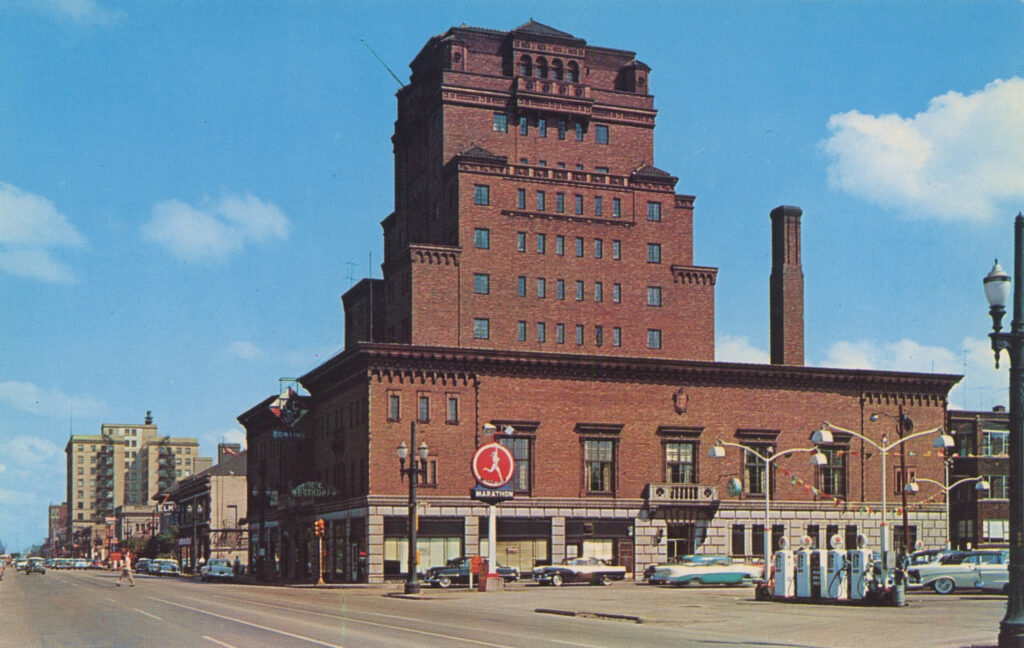
Gary Indiana, can feel like a city caught between eras: proud history, ambitious residents, and visible signs of long-term disinvestment. For casual visitors, the experience often lands as confusing rather than compelling, stretches of emptiness, limited tourist infrastructure, and neighborhoods you simply shouldn’t wander without local knowledge.
Indiana Dunes National Park for beaches, trails, and sunsets
Chicago for museums, food, architecture, easy day-trip distance
Death Valley, California
Image Credit: Photo by Vulturesong, CC0, via Wikimedia Commons
Death Valley is visually unreal: salt flats that look like cracked porcelain, canyon walls that glow at sunrise, and skies so clear they feel edited. The catch is the heat, which doesn’t merely “feel hot”, it can overwhelm healthy adults fast, especially in summer.
The park has documented record heat and issues safety guidance for visitors because conditions can be dangerous for the unprepared.
Where we’d go instead:
Joshua Tree National Park for desert beauty with a more forgiving vibe
Red Rock Canyon (Las Vegas) for dramatic scenery with easier logistics
But for travelers, the practical truth remains: the visitor experience is highly neighborhood- and purpose-dependent. If you’re not going for a specific venue, event, or guided plan, it’s rarely the best use of limited travel time.
Where we’d go instead:
Philadelphia (museums, walkability, iconic neighborhoods)
Nearby South Jersey towns with strong dining scenes and safer evening strolls.
The Arts District for galleries, coffee, murals
Little Tokyo for food and culture with a welcoming street vibe
Birmingham for food, civil rights history, museums
Cheaha State Park for scenery and fresh air
Centralia, Pennsylvania
Centralia is eerie in a way that photographs can’t fully capture: a town emptied out, land altered, and an atmosphere that whispers “this isn’t normal.”
Jim Thorpe for charming streets, scenery, and a true visitor experience
Conclusion
Travel is supposed to expand your world, not shrink your comfort. When a destination demands constant vigilance, extreme-weather survival planning, or careful street-by-street navigation, we either go with a purpose, or we choose the nearby alternative that gives us the same region, the same flavor, and a far better story at the end of the trip.
Patience is a writer whose work is guided by clarity, empathy, and practical insight. With a background in Environmental Science and meaningful experience supporting mental-health communities, she brings a thoughtful, well-rounded perspective to her writing—whether developing informative articles, compelling narratives, or actionable guides.
She is committed to producing high-quality content that educates, inspires, and supports readers. Her work reflects resilience, compassion, and a strong dedication to continuous learning. Patience is steadily building a writing career rooted in authenticity, purpose, and impactful storytelling.