The 6 phrases that are dead giveaways that someone is lying
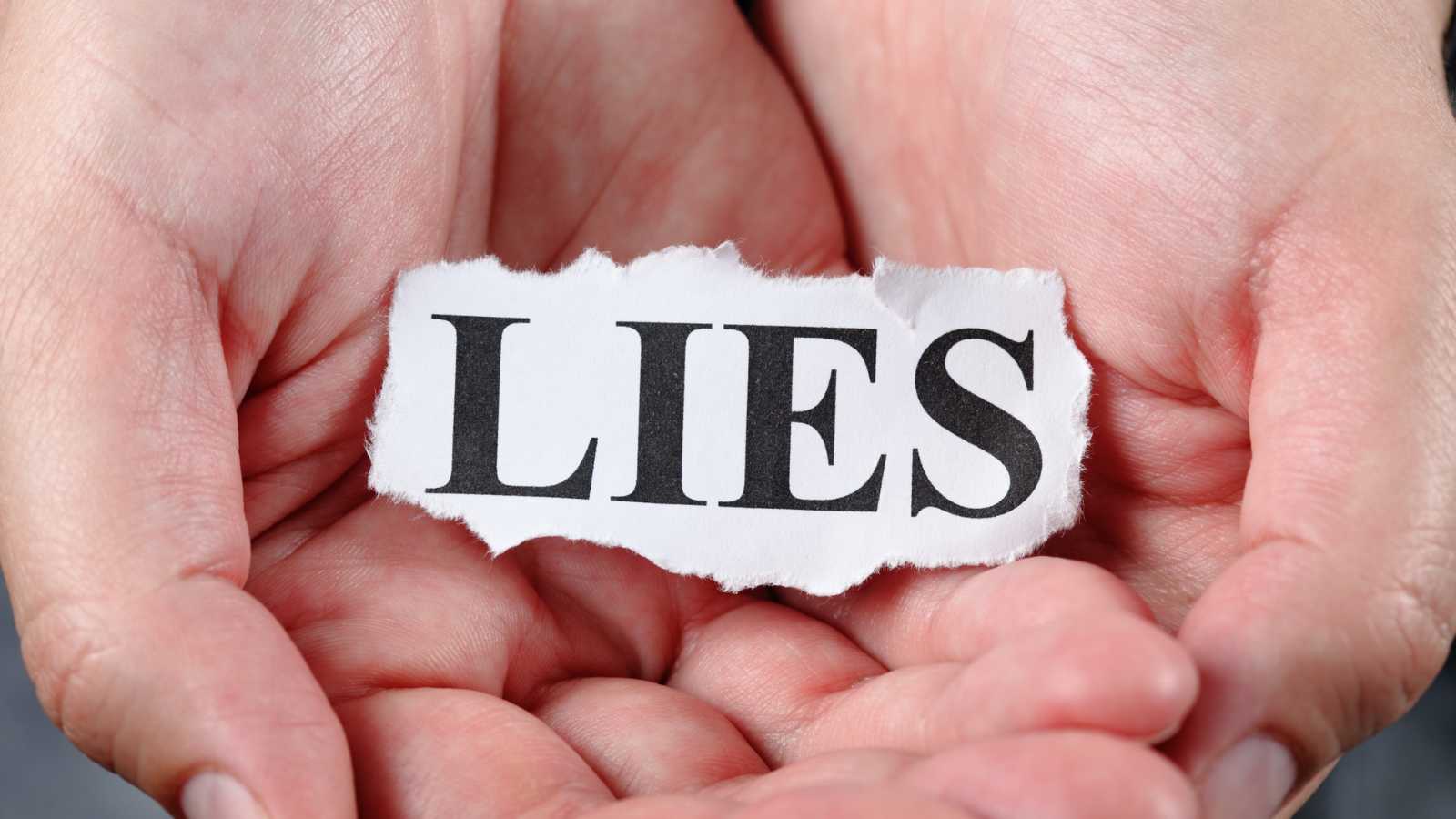
You’re likely being lied to right now, and you probably don’t even realize it. It is a harsh reality, but let’s be real—we’ve all been there. I still remember the time I bought a “gently used” car that died three days later; the seller’s smooth talk definitely masked a lemon.
According to ResearchGate, a national survey of 1,000 U.S. adults asked respondents to report how many lies they tell in 24 hours. Surprisingly, 60% of respondents claimed they hadn’t lied at all, while nearly half of all lies were told by just 5% of participants. This shows that lying prevalence varies widely, with a small group of people responsible for most of the lies. Since we aren’t human polygraphs, we need to rely on specific linguistic slip-ups to catch the truth.
That’s about it
Ever ask a friend what they did last night and get a vague, “Oh, dinner, a movie… that’s about it”? That hanging phrase is a massive red flag. Former FBI expert Jack Schafer warns that the word “about” acts as a text bridge or qualifier, signaling that the speaker is scrubbing details they don’t want you to see.
Honest people naturally conclude a story with “That’s it” or simply stop talking because they have nothing to hide. When someone adds “about,” they are subconsciously telling you that their story falls short of the whole truth. They want to close the file on the conversation before you dig up the buried bodies—metaphorically speaking, of course.
You can’t prove that

This one always makes my skin crawl. When you accuse an honest person of something, they usually scream, “I didn’t do it!” because they are focused on the reality of the situation. A liar, however, switches to lawyer mode instantly. Experts note that honest people don’t think in terms of proof because they know the evidence doesn’t exist.
By saying “You can’t prove that,” the liar shifts the debate from “Did they do it?” to “Can you catch them?” It is a subtle admission of guilt that acknowledges the crime happened, but bets you lack the receipts to nail them. If they challenge your evidence rather than the accusation itself, keep digging.
Why would I do that?
Answering a question with a question is the oldest trick in the book, yet it works surprisingly well. It is a stalling tactic designed to buy the liar precious seconds to cook up a believable story. Instead of giving you a direct “No,” they try to lure you into a debate about their logic or character.
Psychologically, this is a deflection. They want you to validate their character (“You’re right, you’re a good guy”) so they don’t have to address the facts. FYI, honest people usually offer direct denials; if someone needs to sell you on their motive rather than the facts, they are likely selling you a fabrication.
Are you accusing me?
Talk about gaslighting. This phrase flips the script, putting you on the defensive for even daring to ask the question. It is a classic offensive shift designed to make you feel guilty for violating social norms.
By feigning outrage, the liar hopes you will back off just to save the relationship or avoid a fight. Jack Schafer suggests the only way to handle this is to hold your ground: “Yes, I am accusing you, or I wouldn’t have brought it up”. Don’t fall for the guilt trip; it is just a smokescreen for their own anxiety.
I don’t remember doing that

The devil is in the details—specifically the word “that.” Dr. Schafer points out that saying “I don’t remember doing that” implies they remember doing something else they don’t want to admit. It creates a mental loophole; if you catch them later, they can claim they just had a “bad memory” rather than admitting to a lie.
Honest folks usually say “I don’t know” or “I didn’t do it.” To claim you don’t remember a specific action requires you to have stored the memory of the event first. This particular memory lapse is often a calculated exit strategy to avoid a definitive lie that could later be disproven.
To tell you the truth
Phrases like “Honestly,” “Frankly,” or “To tell you the truth” are what experts call “bolstering statements”. Why do they need to announce they are telling the truth now? Were they lying to you five minutes ago?
Pamela Meyer, author of Liespotting, notes that liars use these phrases to bolster their credibility when the facts fall short artificially. Research from Harvard Business School even calls this the “Pinocchio Effect”—liars use more words and complex sentences to mask the deception. If they have to swear on a stack of Bibles to get you to believe them, you probably shouldn’t.
Key takeaway

Catching a liar isn’t about reading minds; it is about listening to the words they use to hide. Whether it is the vague “that’s about it” or the defensive “are you accusing me,” these phrases are leaks in their narrative. Trust your gut, but verify with their vocabulary. Next time you hear one of these, don’t let it slide—dig a little deeper.
Read the Original Article on Crafting Your Home.