The 5 Most Dangerous Poisonous Plants Found in Gardens
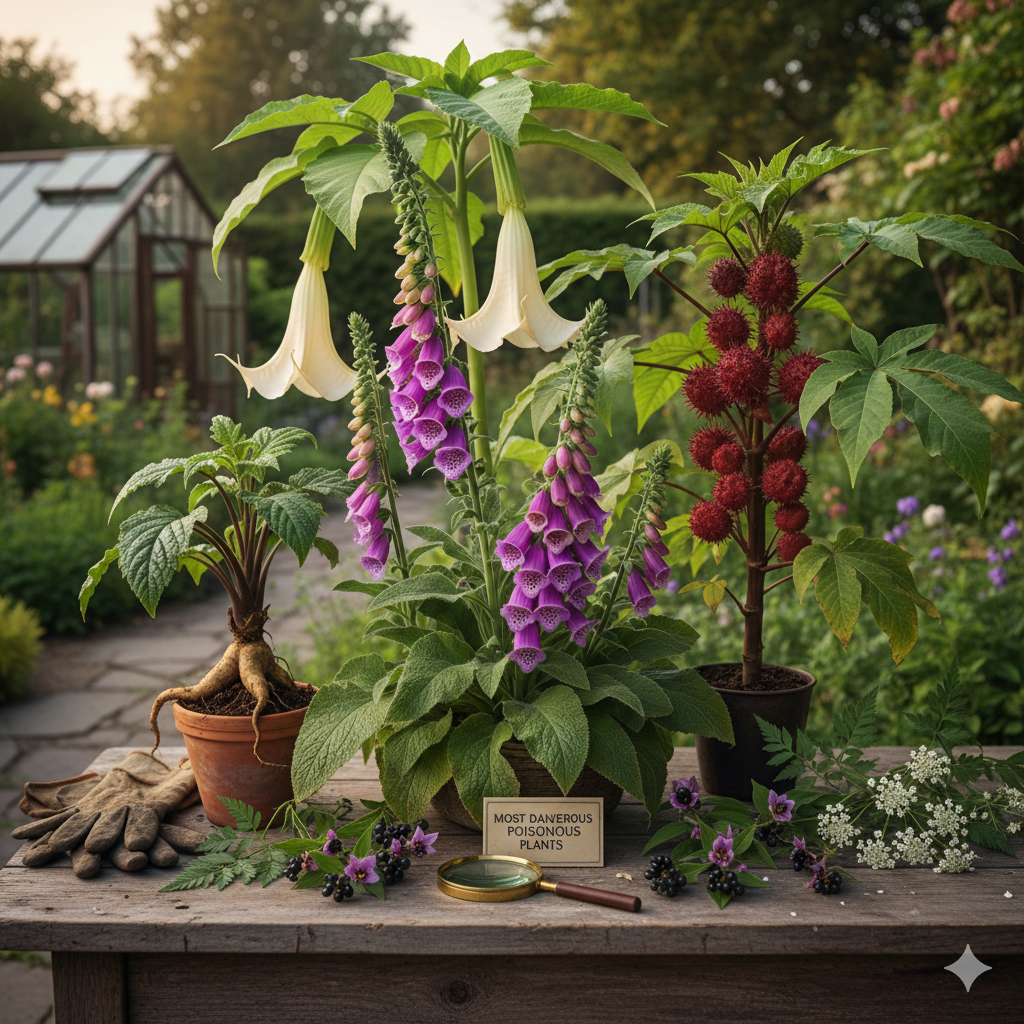
Poisonous plants pose a significant threat to human health and wildlife. Whether you’re a seasoned gardener, a parent, or a pet owner, knowing how to identify and avoid poisonous plants is crucial.
This guide will provide detailed information about the most dangerous plants, their effects, and tips for managing them safely.
What Are Poisonous Plants?
Poisonous plants contain toxic substances that can cause harm to humans, animals, and insects when ingested, touched, or inhaled. The toxicity level can vary widely, from mild irritants to lethal substances.
Some plants may have multiple parts that are toxic, while others may have specific harmful components such as leaves, seeds, or flowers.
Common Types of Poisonous Plants
Poisonous plants can be classified based on the type of toxin they produce. These include alkaloids, glycosides, and resins, each of which can have different effects on the body.
- Alkaloids are nitrogen-based compounds that can cause nausea, vomiting, and even paralysis.
- Glycosides affect the heart, causing irregular heart rhythms and even cardiac arrest.
- Resins can cause skin irritation or allergic reactions when touched.
How Poisonous Plants Affect the Body
The way a toxic plant affects the body largely depends on the method of exposure, the quantity of plant material ingested, and the type of toxin involved. Symptoms can range from mild discomfort, such as skin irritation, to severe reactions like organ failure. In some cases, poisoning can lead to death if not treated promptly.
Identifying the Most Dangerous Poisonous Plants
Several poisonous plants are commonly found in gardens, forests, and even urban settings. Here, we focus on those that are most dangerous and how to identify them.
Oleander (Nerium oleander)
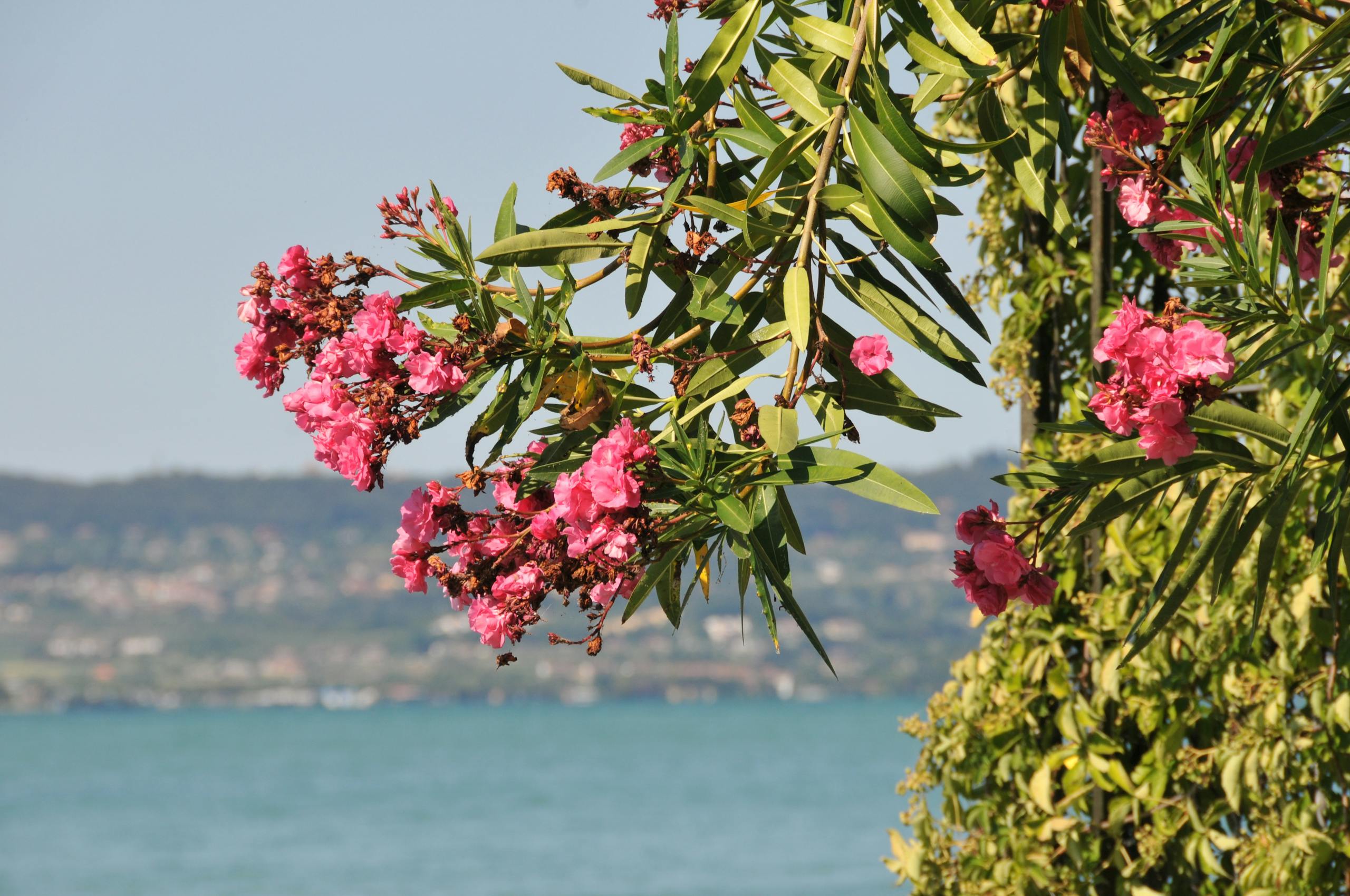
Toxic Parts: All parts of the oleander plant, including leaves, flowers, and stems, are highly toxic.
Symptoms of Poisoning: Oleander poisoning can cause nausea, vomiting, abdominal pain, heart arrhythmias, and, in severe cases, death.
Identification: Oleander is a shrub with glossy, narrow leaves and clusters of trumpet-shaped flowers. The flowers come in colors ranging from white to red and pink.
Aconite (Aconitum spp.)
Toxic Parts: All parts of the aconite plant are toxic, particularly the roots and leaves.
Symptoms of Poisoning: Poisoning from aconite causes symptoms like nausea, vomiting, diarrhea, and irregular heart rhythms. In severe cases, it can lead to paralysis and death.
Identification: Aconite is characterized by its striking purple, blue, or yellow flowers that resemble a monk’s hood. The plant is tall, with deeply lobed leaves.
Foxglove (Digitalis purpurea)
Toxic Parts: Leaves, flowers, and seeds.
Symptoms of Poisoning: Foxglove poisoning leads to symptoms such as vomiting, diarrhea, abdominal pain, and heart arrhythmias. It can cause severe cardiac disturbances and can be fatal if untreated.
Identification: Foxglove is known for its tall spikes of bell-shaped flowers that are typically purple or pink but can also be white or yellow. The leaves are broad, dark green, and rough.
Poison Ivy (Toxicodendron radicans)
Toxic Parts: Leaves, stems, and roots.
Symptoms of Poisoning: Poison ivy causes severe skin irritation, redness, itching, and swelling. Direct contact with the plant can lead to a rash caused by urushiol oil.
Identification: Poison ivy has leaves in clusters of three, often with a shiny or waxy appearance. The leaves turn red in the fall and are typically green in the summer.
Castor Bean Plant (Ricinus communis)
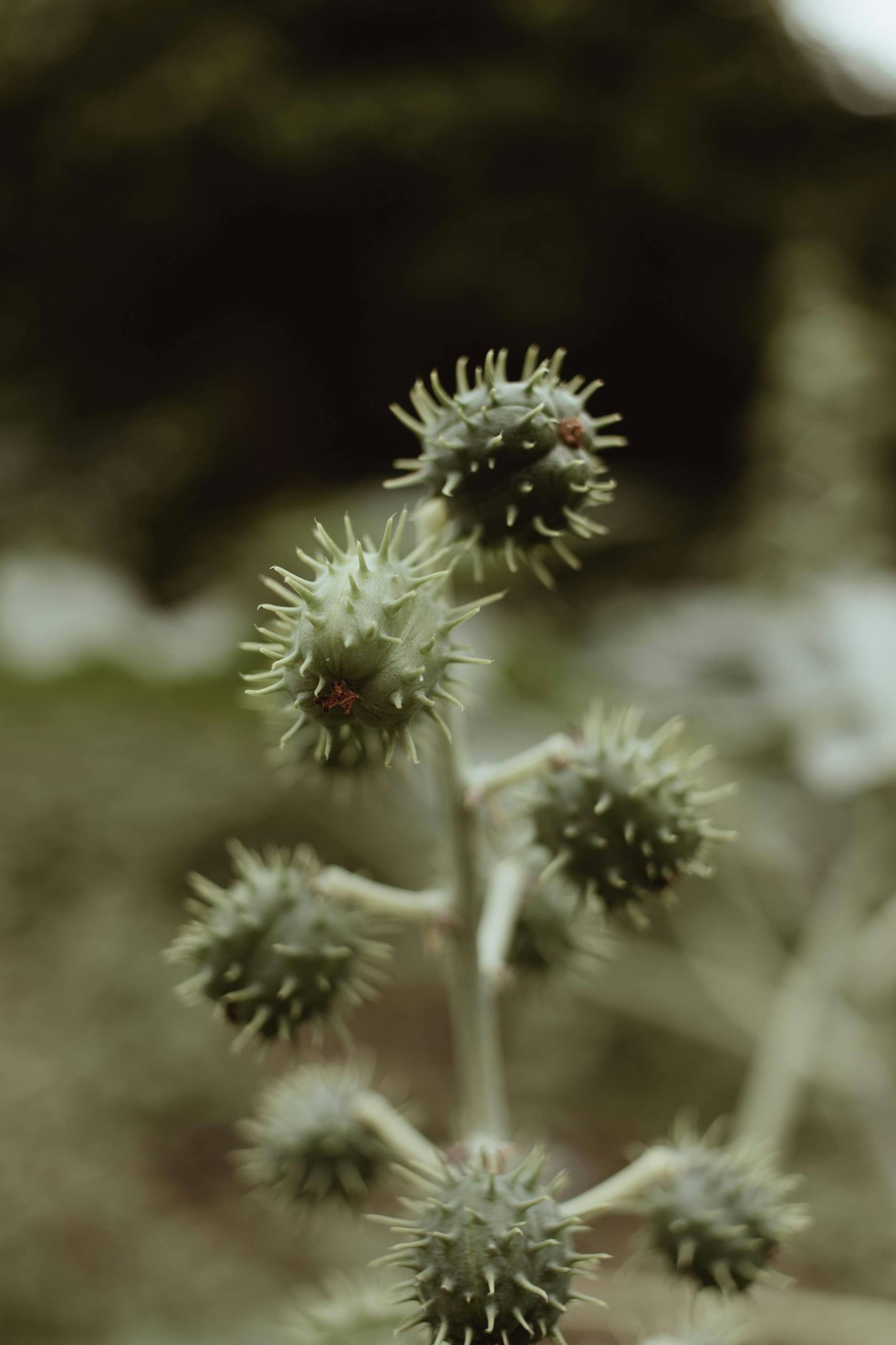
Toxic Parts: Seeds.
Symptoms of Poisoning: Ingestion of castor bean seeds can cause severe abdominal pain, vomiting, diarrhea, and organ failure. It can lead to death in a matter of days if untreated.
Identification: The castor bean plant is a large shrub with large, lobed leaves. The seeds are spiny, and the plant produces clusters of red or yellow flowers.
How to Handle Poisonous Plants Safely
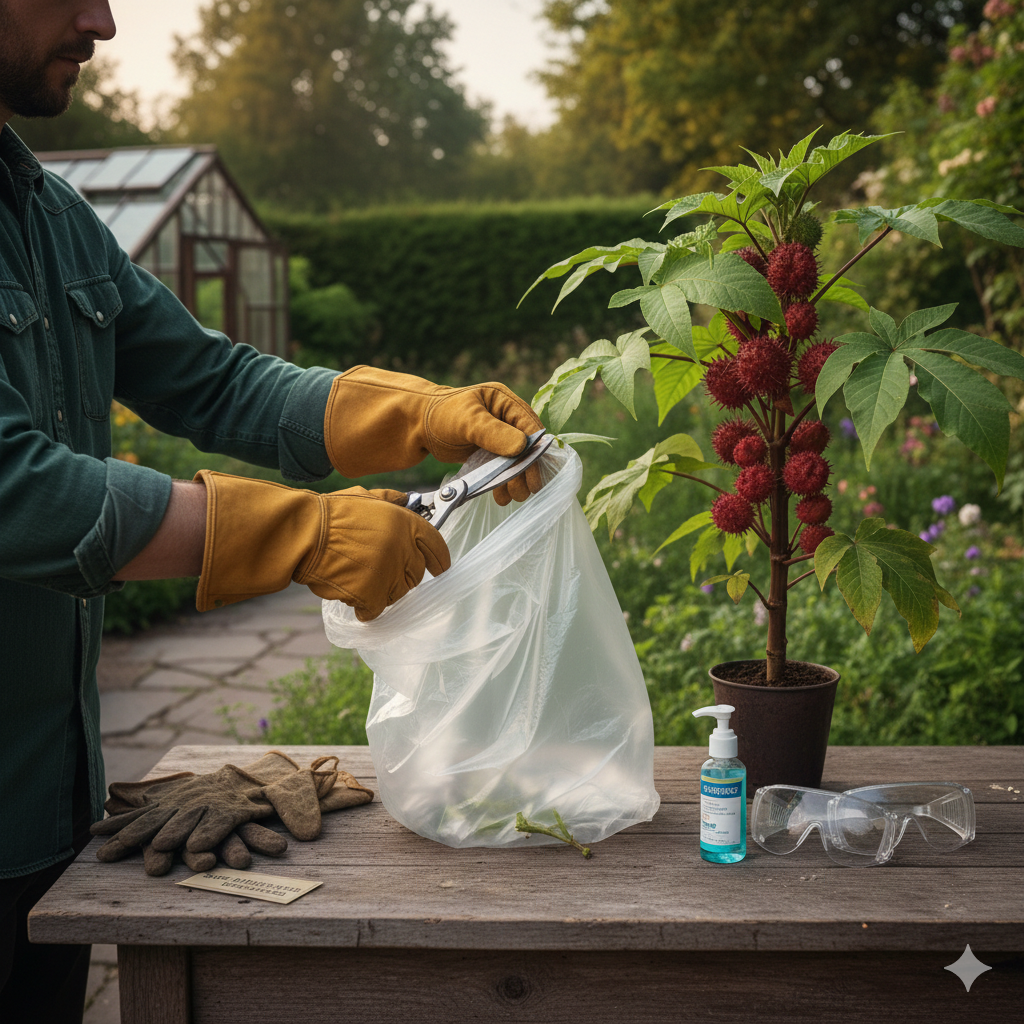
While it is essential to avoid contact with poisonous plants, there are several strategies that can help mitigate risks.
Wear Protective Clothing
When handling plants that may be toxic, always wear gloves, long sleeves, and long pants. Protective gear will reduce the risk of direct contact with the plant.
Proper Identification
Always ensure you can correctly identify any plant before handling it. Familiarize yourself with the plant’s appearance, especially the flowers, leaves, and fruits.
Educate Family and Pets
Children and pets are especially vulnerable to the dangers of poisonous plants. Educate them on which plants are harmful and discourage them from touching or eating unknown plants.
Proper Disposal
If you remove a poisonous plant from your garden or yard, ensure it is disposed of properly. Place it in a sealed bag before throwing it away to prevent animals or children from coming into contact with it.
First Aid for Poisoning
If poisoning occurs, it is essential to act immediately. For ingestion, try to identify the plant and call a poison control center or seek medical attention. If contact with skin occurs, wash the affected area immediately with soap and water.
The Role of Poisonous Plants in the Ecosystem
Despite their toxicity, many poisonous plants play a crucial role in the environment. They help maintain balance by deterring herbivores, competing with other plants for resources, and contributing to the overall diversity of plant life.
Some plants even provide food or shelter to specific species of insects that have evolved to tolerate their toxins.
Conclusion
Poisonous plants are a potential danger that should never be underestimated. By learning to identify these plants, understanding their toxic properties, and taking the necessary precautions, we can protect ourselves, our families, and our pets from their harmful effects.
Always exercise caution when handling unknown plants, and consult experts if you are unsure about the safety of any plant.
Read the original article in Crafting Your Home.