The 10 Surprising Roles of Alcohol in Saving Lives
Alcohol is commonly associated with negative outcomes such as accidents, addiction, and health issues.
However, this potent liquid has also played an unexpected and life-saving role in various medical emergencies. From reversing poisoning to aiding survival in extreme conditions, alcohol has saved lives in ways that may surprise many.
In this article, we explore real-life instances in which alcohol, often in the form of vodka or whiskey, has served as a critical tool in saving lives around the world.
Alcohol as a Cure for Methanol Poisoning
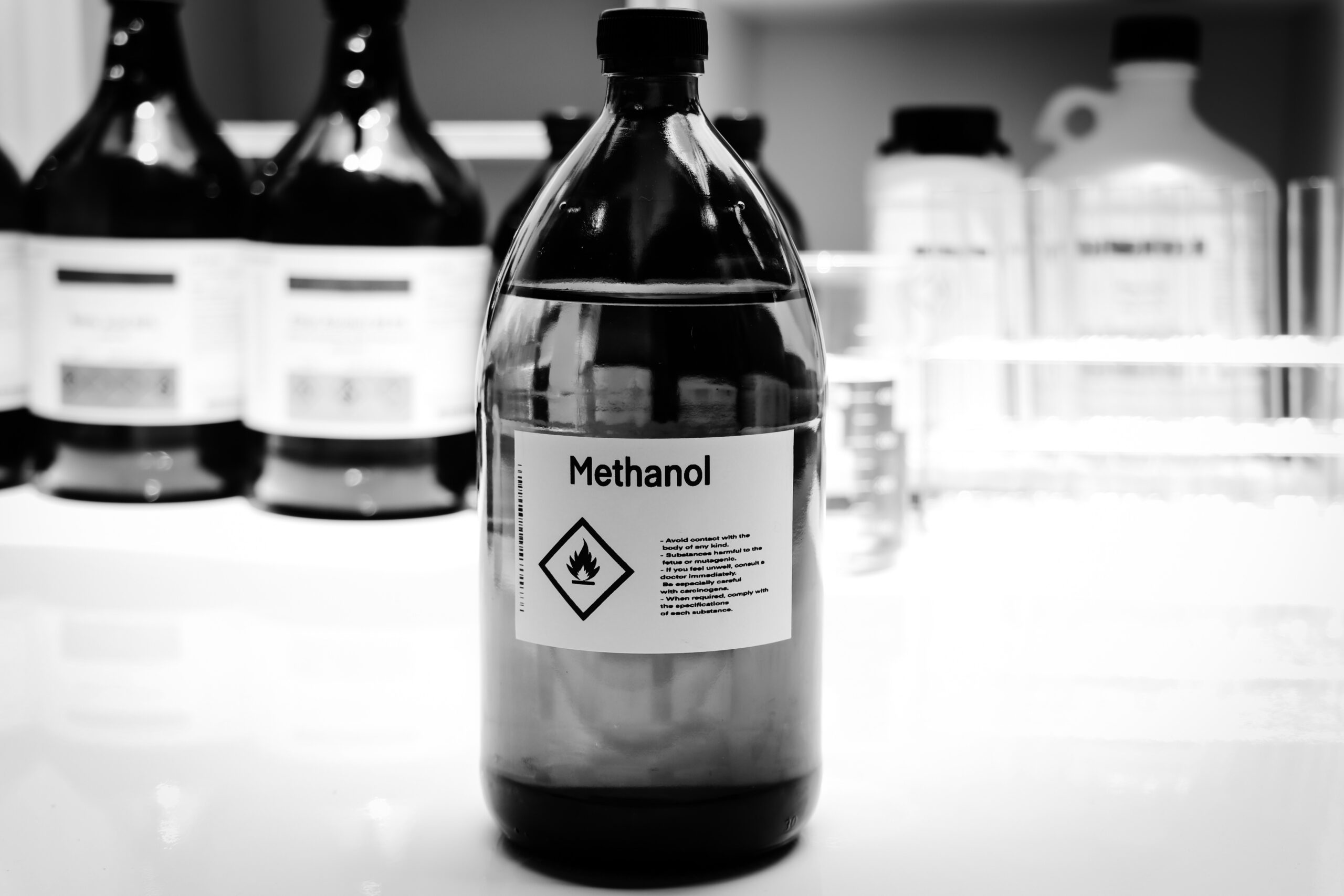
One of the most fascinating and unique medical uses of alcohol is in treating methanol poisoning. Methanol is a toxic substance that, when ingested, can cause severe harm or even death.
However, doctors have discovered that ethanol, the type of alcohol found in alcoholic drinks, can be used to treat methanol poisoning effectively.
In 2019, a 48-year-old man in Vietnam, Nguyen Van Nhat, was admitted to intensive care after consuming a drink contaminated with methanol. Doctors administered 15 cans of beer, a substitute for vodka, to counteract the methanol in his system.
Since the liver breaks down ethanol before methanol, the ethanol helps to flush out the poisonous substance. Thanks to this treatment, Nguyen made a full recovery.
This phenomenon is widely known as “ethanol substitution therapy,” and it works because ethanol competes with methanol for hepatic processing, thereby preventing methanol from causing further damage.
While vodka, with its higher ethanol content, would have been a more effective treatment, beer served as an accessible alternative.
Ethanol Ablation for Heart Arrhythmia
In rare cases, alcohol is used in the treatment of heart conditions. In 2012, 77-year-old Ronald Aldom experienced ventricular tachycardia (VT), a dangerous heart arrhythmia that resulted from a malfunctioning implantable defibrillator.
Despite multiple attempts at medical intervention, Aldom’s condition worsened, and doctors resorted to “ethanol ablation.”
Ethanol ablation involves the injection of alcohol directly into the heart to create a controlled heart attack.
By doing so, the alcohol stops the erratic muscle contractions, allowing the heart to return to a normal rhythm. This method, though unorthodox, saved Aldom’s life and helped stabilize his condition.
Saving Sight with Whiskey
Alcohol has also been used in cases of poisoning involving substances like formaldehyde. In 2012, Denis Duthie, a 65-year-old diabetic, went blind after consuming vodka, which interfered with his diabetes medication.
He was rushed to the hospital, where doctors suspected formaldehyde poisoning, a condition that could be treated with ethanol.
Since the hospital lacked enough ethanol for treatment, a bottle of Johnnie Walker Black Label whiskey was obtained. The doctors administered the whiskey directly into Duthie’s stomach via an intravenous drip, bypassing the risk of intoxication.
While Duthie remained in a coma for several days, the whiskey prevented further harm, and he recovered without any lasting vision impairment.
The Titanic Survivor
One of the most surprising cases of alcohol saving a life occurred during the infamous sinking of the RMS Titanic. Charles Joughin, the ship’s head baker, was among the few to survive the freezing waters of the Atlantic Ocean.
As the Titanic sank, Joughin remained in the icy water for over two hours before being rescued by a lifeboat. The reason for his survival? A significant amount of alcohol in his bloodstream.
Joughin had been drinking heavily throughout the evening, and his alcohol consumption played a role in preventing him from succumbing to hypothermia.
While alcohol typically increases the risk of freezing in cold water, in Joughin’s case, the high alcohol content in his system caused his blood vessels to constrict, allowing him to survive longer in the frigid temperatures.
Animal Lives Saved by Alcohol

It’s not just humans who benefit from alcohol in life-threatening situations. In 2012, two circus elephants in Siberia were saved from freezing to death by the administration of vodka.
After a fire broke out in the trailer carrying the elephants, they were exposed to temperatures of -40°C (-40°F). The elephants were suffering from frostbite, and their chances of survival were slim.
Circus staff administered diluted vodka shots to the elephants to prevent hypothermia. The animals responded positively to the treatment, and their condition improved.
Remarkably, the elephants were not intoxicated by the alcohol; the diluted vodka merely helped them survive the extreme cold. This unusual but effective treatment prevented a tragedy and helped preserve the elephants’ lives.
The Life-Saving Power of Alcohol in Animal Poisoning Cases
Animals are often exposed to toxic substances, and in some cases, alcohol has been used as a remedy.
In one instance, a dog named Cloe in Melbourne, Australia, ingested antifreeze, a substance that can be fatal if not treated promptly. The veterinarian, unable to find the required antidote, decided to administer vodka as a substitute.
Vodka contains ethanol, which competes with the ethylene glycol in antifreeze and prevents it from being metabolized into toxic compounds.
Cloe received a drip of vodka over several days, which ultimately saved her life. This case underscores the potential of alcohol in veterinary medicine, especially when conventional treatments are unavailable.
Vodka as a Medicinal Drink in Suicide Attempts
Alcohol has also been used in the treatment of poisoning cases involving suicide attempts. In 2007, a 24-year-old Italian tourist in Australia attempted suicide by ingesting antifreeze.
Upon his arrival at the hospital, doctors administered a drip of vodka to counteract the ethylene glycol in his system. Over the course of three days, the doctors continued to administer vodka to stabilize the patient’s condition.
The patient survived the ordeal and was later released from the hospital. This case highlights the role of alcohol in emergency medicine, particularly in cases where immediate action is needed to save a life.
Alcohol and Kidney Poisoning in Pets
Another example of alcohol saving an animal’s life occurred in Melbourne, Australia, with a Maltese terrier named Charlie. After licking antifreeze, Charlie developed kidney failure, a common consequence of antifreeze poisoning.
Veterinarians treated Charlie with vodka, which helped prevent the toxic effects of ethylene glycol and allowed the dog to recover.
Charlie received vodka intravenously over a period of two days, and by the end of the treatment, the dog was fully recovered. Although Charlie experienced some mild aftereffects, such as a hangover, the alcohol treatment was ultimately life-saving.
Saving a Cat with Alcohol
In yet another case involving animals, a cat named Tipsy was found near death after ingesting antifreeze.
The veterinarians at an Australian hospital quickly administered a drip of vodka to the dying cat. The alcohol helped to neutralize the toxins in Tipsy’s system, and after 10 hours of treatment, the cat recovered fully.
This case is one of many examples of alcohol’s ability to save lives in emergency situations, even for pets. It also illustrates how alcohol, when used correctly, can be a valuable tool in medicine.
Conclusion
While alcohol is often viewed in a negative light, particularly in relation to its role in accidents, addiction, and health issues, it has demonstrated life-saving properties in specific medical situations.
From treating methanol poisoning to helping animals recover from poisoning, alcohol’s medicinal value is undeniable.
These surprising cases serve as a reminder of the versatile and sometimes unexpected uses of alcohol in medicine, highlighting its potential as a life-saving tool when administered correctly.