

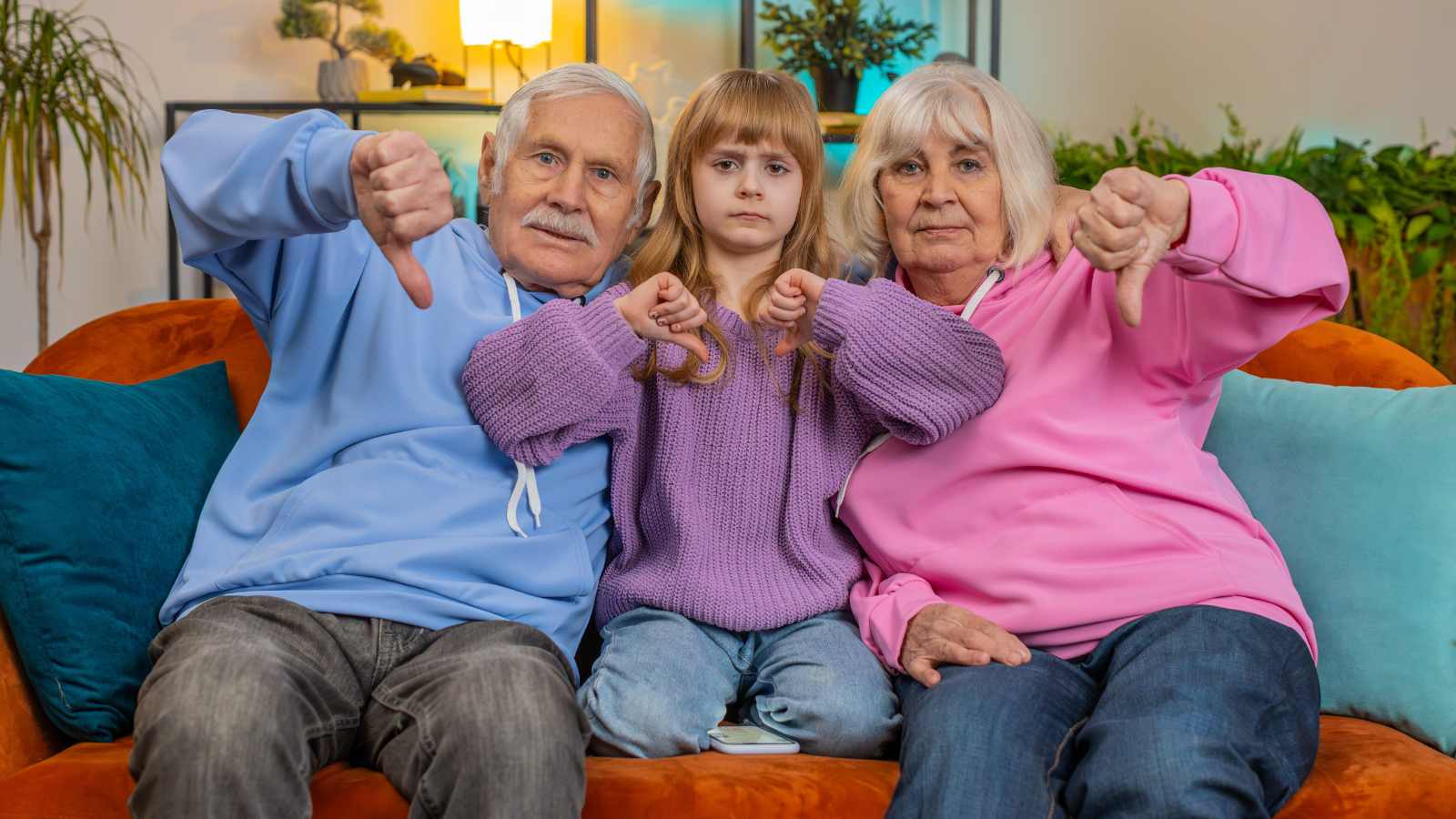
Grandparents play a pivotal role in the lives of children, often serving as second parents, mentors, and sources of unconditional love.
However, while many grandparents are a blessing, there are behaviors they may unknowingly adopt that can cause harm to both their grandchildren and their own children. Understanding the fine line between supportive involvement and crossing boundaries is essential for maintaining harmony in the family dynamic.
In this article, we’ll delve into the ten toxic behaviors grandparents should avoid.
Favoring One Grandchild Over the Others
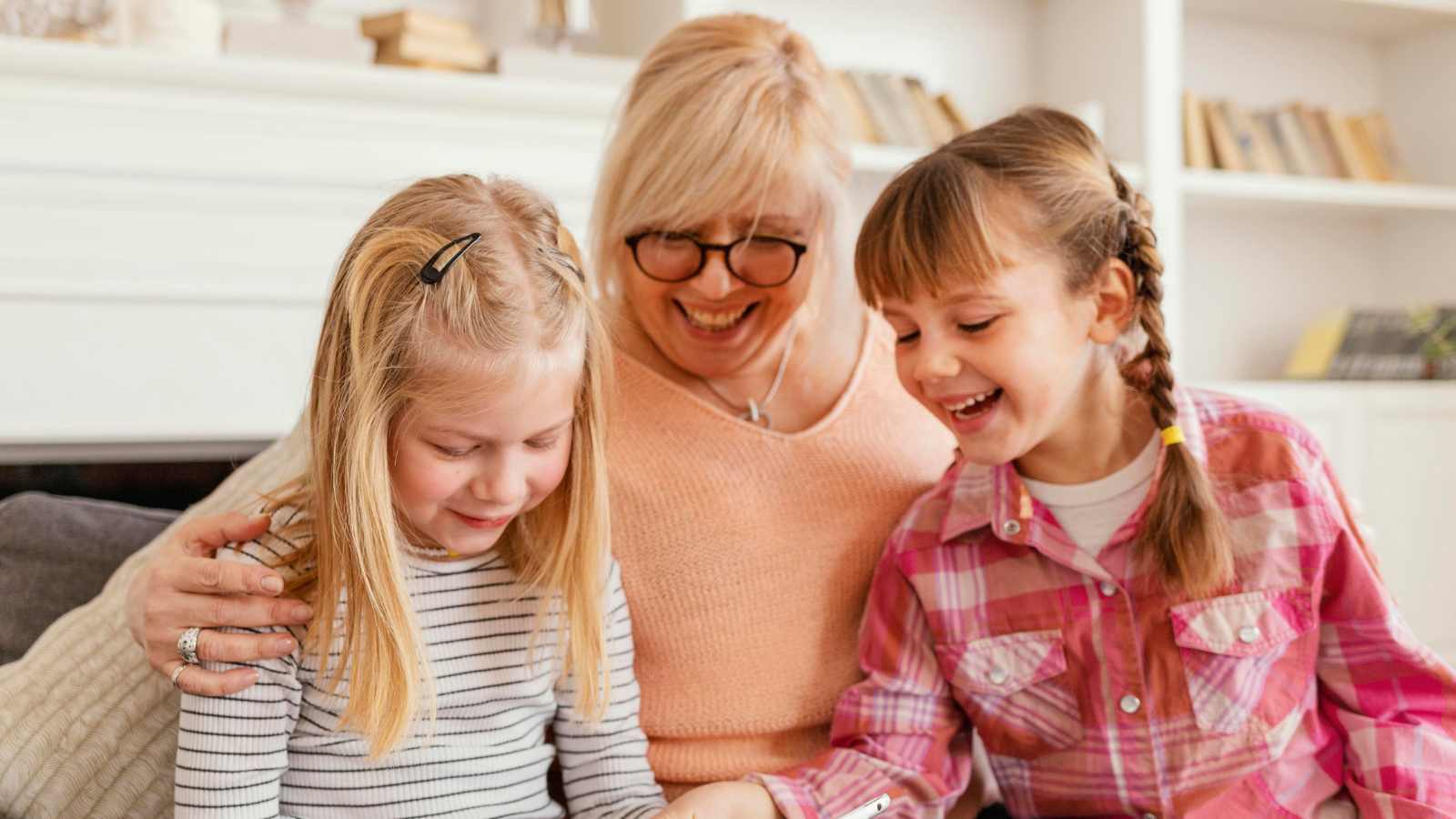
Playing favorites may seem harmless, but it creates deep resentment among siblings. Children are incredibly sensitive to favoritism, and the effects can last well into adulthood.
Whether it’s through the attention given or the gifts received, favoritism can lead to a lack of trust between siblings and create emotional scars. Grandparents should make an effort to treat all grandchildren equally to ensure a healthy family bond.
Undermining Parental Authority
One of the most damaging behaviors a grandparent can exhibit is undermining the rules set by the parents. When grandparents ignore boundaries and openly defy the parents’ rules, it creates confusion and tension in the family.
Allowing a child to stay up past their bedtime or indulge in unhealthy treats can lead to the child developing mixed feelings about authority. Over time, this can erode the parents’ authority and cause friction between family members.
Sharing Adult Issues with Children
Grandparents sometimes make the mistake of sharing personal or adult issues with young children. Conversations about financial troubles, family disputes, or health problems should never be discussed with children.
These types of topics can overwhelm children, creating unnecessary anxiety and making them feel responsible for problems they are too young to understand. Protecting children’s innocence is a fundamental aspect of grandparenting.
Making Passive-Aggressive Comments
Comments such as “That’s not how we did it” or “Back in my day, we didn’t…” may seem innocuous but can have a lasting impact. These passive-aggressive remarks undermine a parent’s authority and create tension in the family.
Instead of criticizing or comparing, grandparents should embrace modern parenting methods and offer support without judgment.
Using Guilt to Manipulate Attention

Guilt-tripping a parent or child to spend more time with them is a manipulative tactic that causes unnecessary stress.
Grandparents who often remind their children of sacrifices made or play the victim to gain affection are only pushing family members away. Healthy relationships are based on mutual respect and not guilt.
Ignoring Medical Advice
Some grandparents may disregard parents’ instructions regarding the child’s diet or medical care, believing they know better. Sneaking forbidden treats or giving out-of-date remedies can harm the child’s health and directly contradict the parents’ efforts to care for their child.
It’s essential that grandparents respect the medical guidelines set by parents to avoid any dangerous situations.
Posting Photos of Grandchildren Without Permission
In the age of social media, privacy is more important than ever. Posting pictures of grandchildren without the parents’ permission is a breach of privacy and can create trust issues.
Grandparents should always seek consent from the parents before sharing any images of their grandchildren online.
Refusing to Respect Cultural or Family Boundaries
Cultural or family traditions may differ from grandparenting styles, but it’s important to respect these differences. Whether it’s religious practices, dietary restrictions, or unique family traditions, grandparents should be open to learning and respecting the values and boundaries that parents set.
Dismissing these traditions can create emotional rifts and a lack of respect in the family dynamic.
Giving Unsolicited Advice
Offering advice in a subtle, nonchalant way may feel like helpful guidance to some grandparents, but it can feel like criticism to others. Constant unsolicited advice, whether about parenting, relationships, or life choices, can undermine parents’ confidence and create distance.
Grandparents should only offer advice when it’s asked for and ensure it’s framed in a supportive, non-judgmental way.
Pressuring Children for Physical Affection
While affection from grandparents can be heartwarming, pressuring children into hugs or kisses can feel uncomfortable and intrusive. It’s important to allow children to show affection on their own terms.
Respecting a child’s autonomy not only fosters healthy boundaries but also strengthens the relationship.
Conclusion
While grandparents can be an incredible source of support, they also need to be aware of the boundaries that should never be crossed. By avoiding toxic behaviors and embracing actions that contribute positively to family dynamics, grandparents can continue to foster loving, nurturing relationships with their grandchildren.
This helps ensure that the bond between generations remains strong and healthy for years to come.


