The 10 Fascinating Science Behind Falling in Love: Exploring the Mechanics of Attraction
Photo Credit: 123rf
Falling in love is one of the most profound and enchanting experiences that shape human existence. It alters our perceptions, drives our actions, and creates deep connections that define our relationships.
But what does modern science say about this emotional phenomenon? In this article, we delve into the neurological, hormonal, and psychological processes that occur when we fall in love, highlighting the key factors that influence attraction and bonding.
The Spark of Limerence
The initial stages of falling in love are often marked by a state known as “limerence,” a psychological preoccupation with a person.
This phase is fueled by a cocktail of neurotransmitters in the brain that trigger intense feelings of excitement, desire, and fixation.
Limerence is a complex phenomenon that can be ignited only by specific individuals, suggesting a unique chemistry between two people.
While the exact biological triggers remain elusive, research suggests that subtle cues, such as scent, voice, and body language, play a crucial role in sparking this powerful emotional state.
Phenethylamine (PEA)
One of the key chemicals involved in the early stages of love is phenethylamine (PEA), a naturally occurring compound that acts as a brain stimulant.
Often referred to as the “love drug,” PEA is responsible for the euphoric feelings we experience when infatuated with someone.
This chemical acts similarly to amphetamines, creating a sense of heightened energy and emotional intensity.
PEA is a key player in the attraction phase of love, and its presence explains the overwhelming feelings of joy and restlessness that accompany new romantic relationships.
Dehydroepiandrosterone (DHEA)
Dehydroepiandrosterone (DHEA) is a steroid hormone produced naturally by the adrenal glands. DHEA is a precursor to sex hormones like estrogen and testosterone, and its levels fluctuate during the reproductive process.
Known for its aphrodisiac properties, DHEA is responsible for boosting libido and sexual desire. It also contributes to the sense of well-being and energy that often accompanies the early stages of love.
Beyond its role in sexual attraction, DHEA also enhances cognitive function, memory, and immune response, making it a vital player in the emotional and physical experience of falling in love.
Oxytocin
Oxytocin, often dubbed the “cuddle hormone,” is one of the most well-known hormones associated with love.
This powerful neuropeptide is released during physical touch, such as hugging or kissing, and plays a key role in forming emotional bonds between individuals.
Oxytocin enhances trust, empathy, and emotional connection, fostering a sense of closeness that is essential for long-term relationships.
It also facilitates childbirth and breastfeeding, reinforcing its critical role in human bonding and attachment. As oxytocin levels rise, individuals experience feelings of warmth and intimacy, creating a solid foundation for love to flourish.
Estrogen
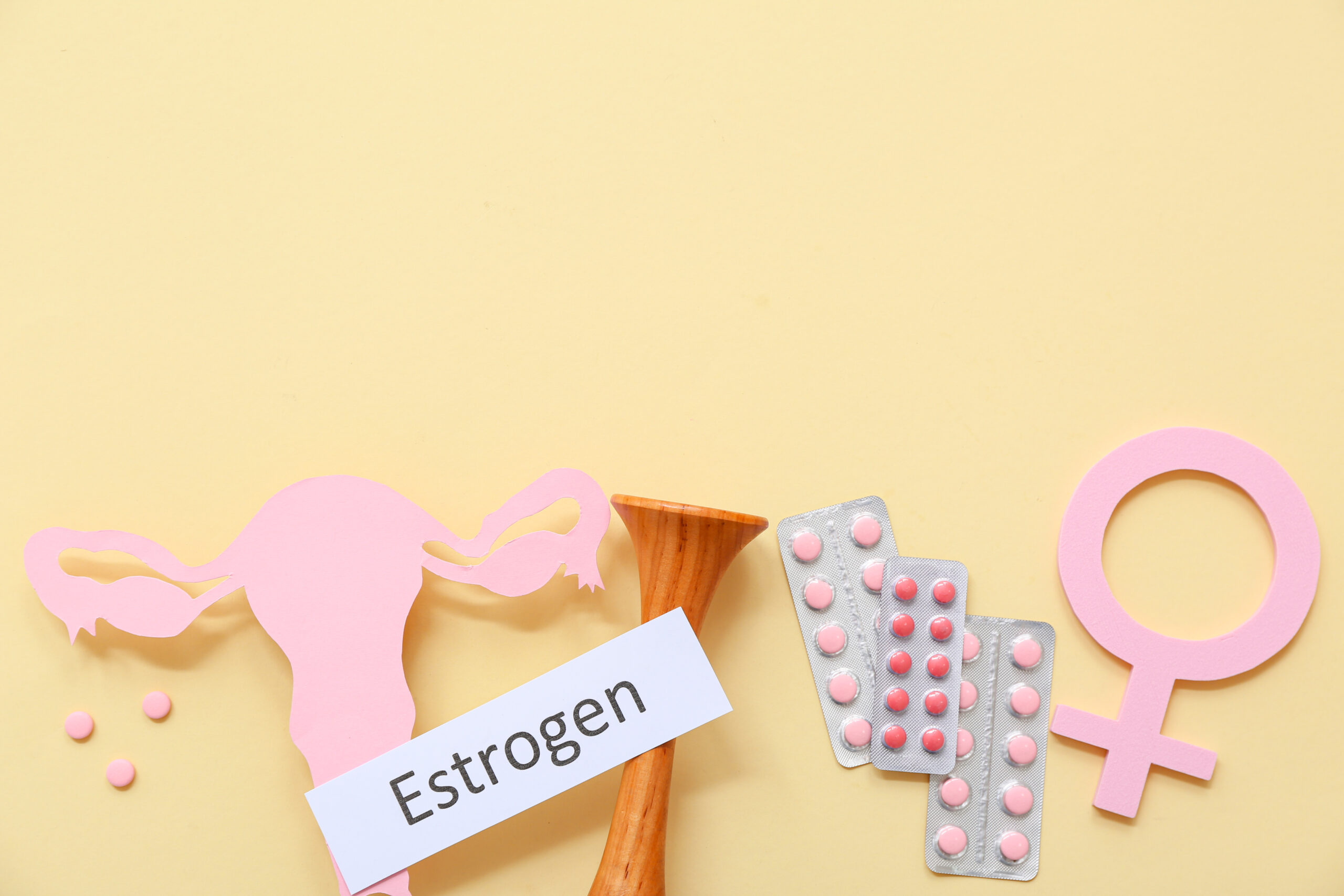
Though often associated with female physiology, estrogen plays a significant role in both men and women when it comes to romantic attraction.
This hormone regulates mood, energy levels, and emotional responses, and its influence is particularly noticeable during the early stages of falling in love.
Elevated estrogen levels enhance sexual attraction and increase the emotional intensity of romantic feelings.
Estrogen also significantly impacts social behavior, making individuals more receptive to others’ emotional cues and reinforcing the sense of connection that underlies romantic love.
Vasopressin
While oxytocin is responsible for initial bonding, vasopressin plays a crucial role in long-term attachment and monogamy.
This hormone, which is more prevalent in men, encourages individuals to commit to a single partner and form lasting bonds.
Research has shown that vasopressin works in tandem with oxytocin to reinforce loyalty and attachment, playing a critical role in the stability of romantic relationships.
Vasopressin has been linked to the formation of deep emotional connections and is thought to influence behavior related to commitment, trust, and fidelity.
The Phases of Love
Dr. Helen Fisher, an anthropologist, categorizes the experience of love into three distinct phases: lust, attraction, and attachment.
Each of these phases is marked by unique biochemical changes in the brain, and together they create the powerful force of romantic love.
- Lust is driven by high levels of testosterone and estrogen, leading to sexual desire and the pursuit of a partner.
- Attraction is characterized by the release of dopamine and adrenaline, which create feelings of infatuation and obsession.
- Attachment occurs when oxytocin and vasopressin take over, signaling the brain to settle into a committed relationship.
These stages are essential for forming lasting bonds, guiding individuals from the initial excitement of new love to the deep emotional connection that defines long-term relationships.
Lust
Lust is the primal urge that fuels the desire to find a mate. It is the first stage in the love cycle and is marked by an intense focus on physical attraction.
This stage is driven by testosterone and estrogen, which increase sexual desire and urge individuals to seek out partners.
Lust is not always focused on a specific individual, but rather on the need to procreate. In this phase, the brain is flooded with chemicals that drive the desire for sexual activity, pushing individuals to seek out opportunities for intimacy.
Attraction
Attraction is the stage where love begins to intensify. It is characterized by feelings of obsession and infatuation, as individuals become deeply focused on a single partner.
During this phase, dopamine and adrenaline are released, creating a sense of euphoria and invincibility. The brain experiences heightened pleasure and excitement, making everything about the partner seem perfect.
This phase is essential for establishing a deep connection with a potential partner, as it allows individuals to bond on an emotional level before transitioning into a more stable attachment.
Attachment

Attachment is the final stage of the love cycle, when the relationship deepens and stabilizes. During this phase, the brain shifts from the intense euphoria of attraction to a calmer, more secure emotional state.
Oxytocin and vasopressin dominate during this stage, promoting bonding, trust, and commitment.
Attachment is characterized by a desire to build a life together, often leading to long-term partnerships and the creation of families.
It is the phase in which love becomes a stable, lasting force that transcends the initial excitement of lust and attraction.
Conclusion
Falling in love is not just an emotional experience; it is a complex interplay of biological, chemical, and psychological factors that drive human behavior.
From the initial spark of limerence to the long-term attachment that binds individuals together, love is a fascinating journey shaped by the body and the brain.
Understanding the science behind love enhances our appreciation for its power and influence, helping us navigate the emotional and physiological shifts that occur during romantic relationships.
Whether through hormonal changes, neurotransmitter activity, or psychological bonding, the science of love reveals the intricate processes that make us human.