The 10 Dirtiest Places in Your Home (and Exactly How We Clean Them Properly)
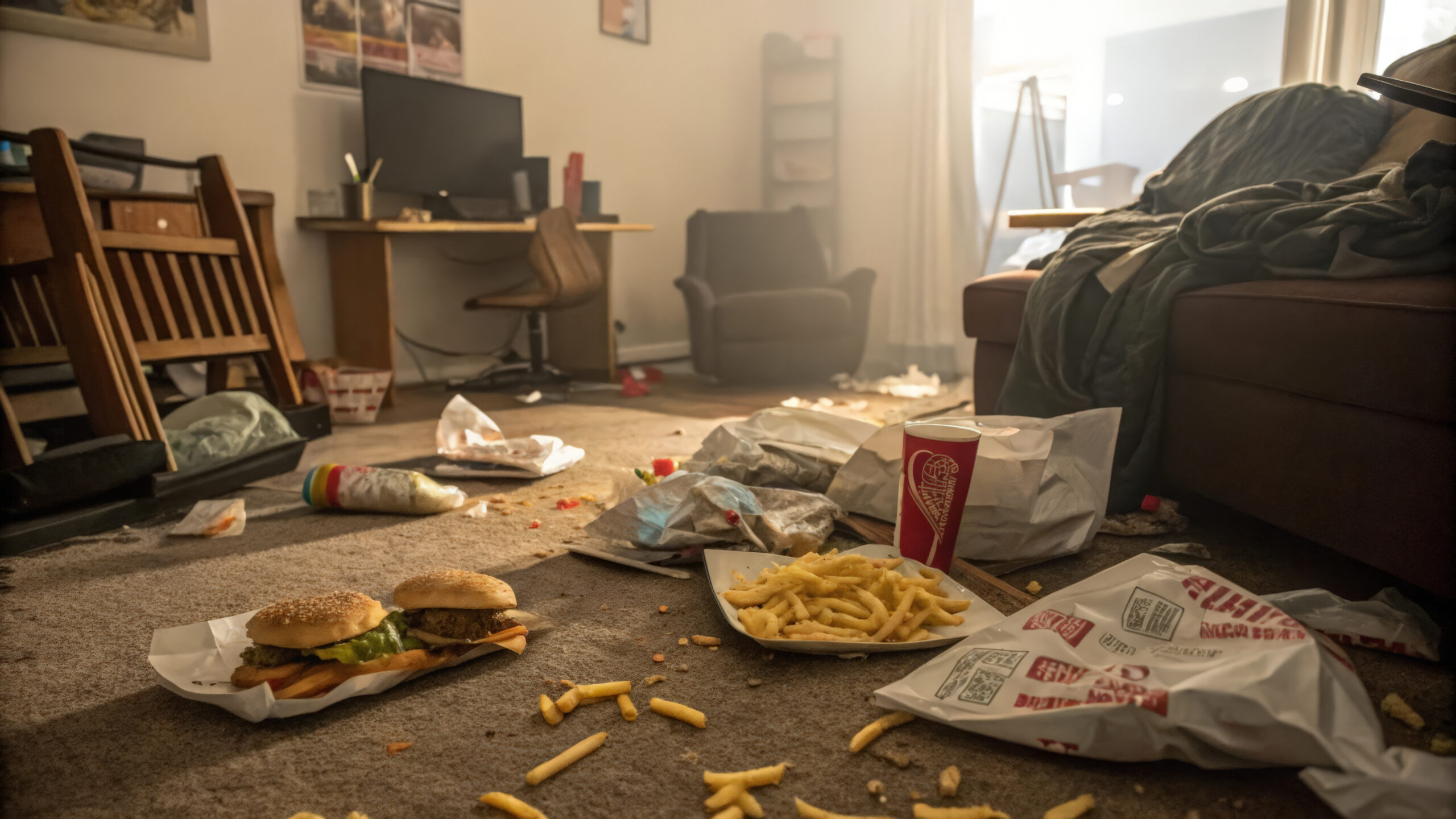
Even the most well-kept home contains “germ hotspots” that quietly collect bacteria, yeast, mold, and grime. These are the high-touch, high-moisture, and frequently overlooked areas where contamination builds fast, especially in kitchens and bathrooms.
Dish Sponges (The #1 Dirtiest Item in Most Homes)
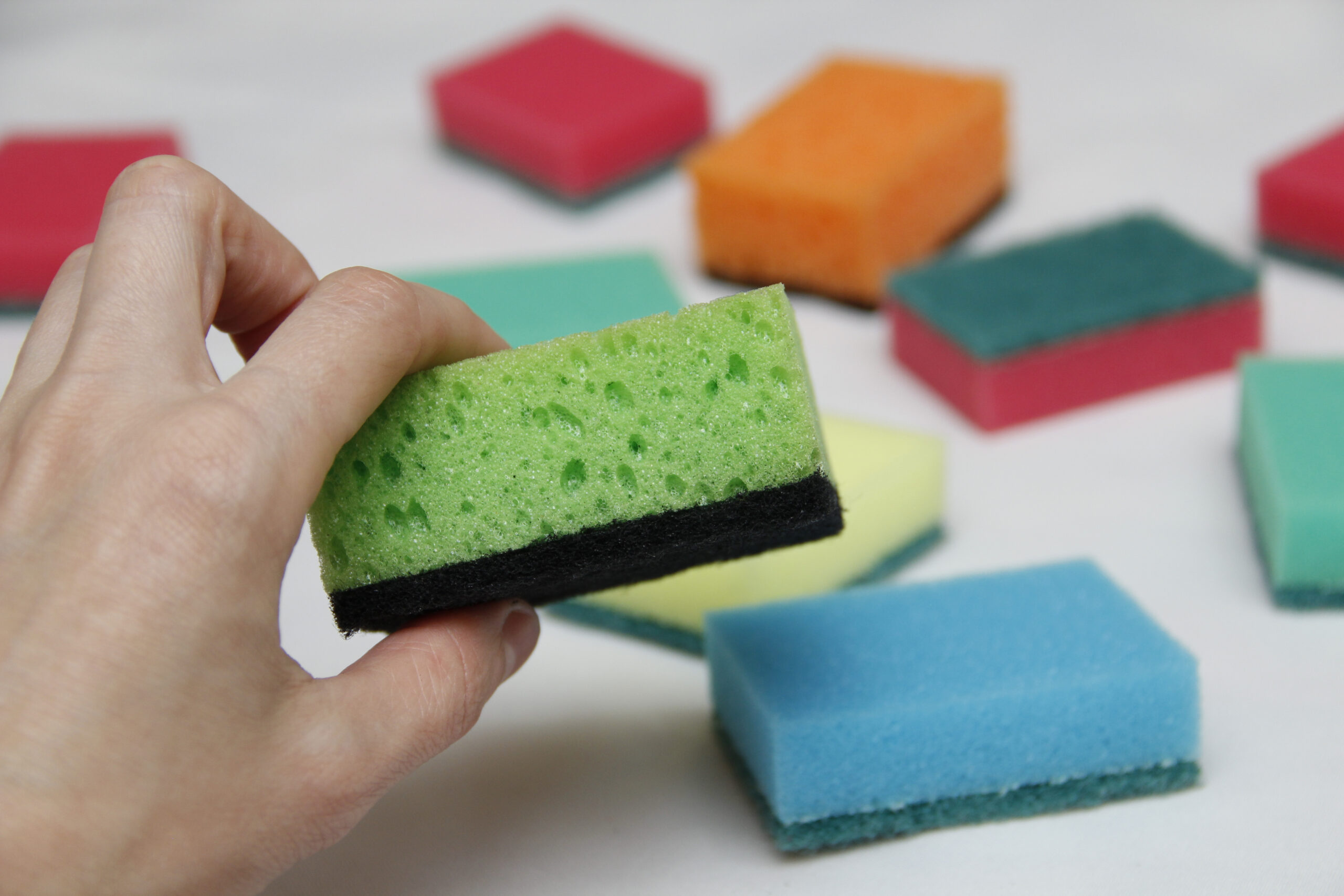
How do we clean a dish sponge safely?
- Replace every 1–2 weeks (sooner if it smells)
- Disinfect daily using one method:
-
- Soak in hot water + a small amount of disinfectant for several minutes.
- Run through a dishwasher hot cycle (top rack) if the sponge type allows
- Air-dry completely between uses
- Use separate tools for separate jobs:
-
- One for dishes
- One for counters
- Never reuse a sponge used on raw meat packaging or spills.
Toothbrush Holders (A Bathroom Contamination Magnet)
How do we keep toothbrush storage sanitary?
- Wash the holder 2–3 times per week.
- Use hot water + dish soap, then scrub seams and crevices.
- Rinse thoroughly and dry fully.
- Keep toothbrushes upright and spaced apart.
- Avoid closed containers that trap moisture for long periods.
Cutting Boards (Small Grooves, Big Bacteria Risk)
The safest cutting board setup
- Use separate boards:
-
- One for raw proteins.
- One for produce and ready-to-eat foods.
- Replace boards with deep grooves or rough surfaces.
How to clean cutting boards correctly
- Wash immediately after use.
- Run through the dishwasher (high heat) when possible.
- Wash with hot soapy water quickly (do not soak long-term)
- Disinfect periodically using a food-safe method.
- Dry upright so both sides fully air-dry.
Kitchen Sink (Often Dirtier Than We Assume)
Where the sink stays dirtiest
- Drain ring and strainer basket
- Faucet base seam
- Sink corners and caulk the line.
- Underside of sink accessories
How to deep-clean a kitchen sink
- Remove dishes and debris.
- Scrub the basin with a non-abrasive cleaner appropriate for the sink material
- Clean the drain area carefully (including the ring)
- Rinse, then dry with a clean towel.
- Finish by cleaning the faucet and handles (the most missed area)
Coffee Makers (Warm + Wet = Mold-Friendly)
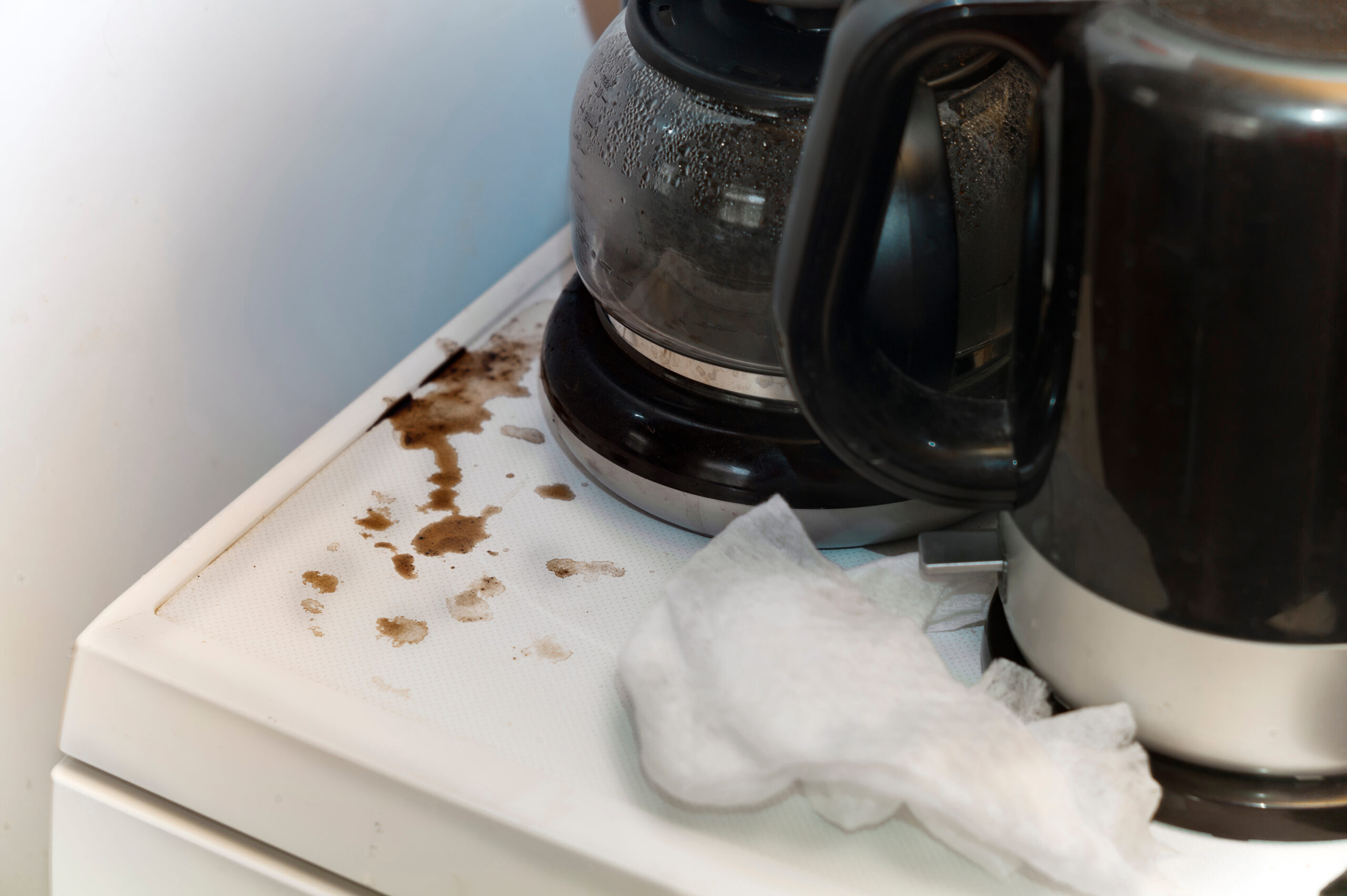
Parts we clean most often
- Water reservoir
- Drip tray
- Brew basket and reusable filter
- Lid hinges and narrow seams
Coffee maker cleaning routine
- Wash removable parts weekly.
- Run a cleaning cycle regularly using a descaling approach suitable for the machine.
- Always run plain water cycles afterward.
- Empty and dry the reservoir when the machine won’t be used daily
Stove Knobs (Touched Before Hands Are Clean)
How do we thoroughly clean stove knobs?
- Remove knobs (if removable)
- Soak in warm, soapy water.
- Scrub around inner rings and textured grip areas.
- Dry completely before reinstalling.
Faucet Handles (Hands Transfer Everything Here)
How do we keep faucet handles clean daily?
- Wipe with a disinfecting cleaner or appropriate sanitizing method.
- Focus on:
-
- Handle tops
- Undersides
- Base seam where water pools
Kitchen Counters (A High-Traffic Contamination Zone)
The biggest counter-cleaning mistake
How to sanitize kitchen counters effectively
- Clear the surface completely.
- Wash crumbs and spills away first (so we don’t “seal in” grime)
- Apply an appropriate cleaner for the countertop material.
- Let it sit briefly before wiping (when safe and appropriate)
- Use a clean cloth or disposable towel to finish.
- Dry the surface so moisture doesn’t linger near seams.
Remote Controls (High-Touch, Rarely Cleaned)
How do we clean a remote control safely?
- Remove batteries first
- Wipe the surface with a lightly damp disinfecting cloth.
- Use a cotton swab to clean around the button edges.
- Dry completely before reinstalling batteries.
Garbage Cans (Leaks, Lid Grime, and Hidden Buildup)
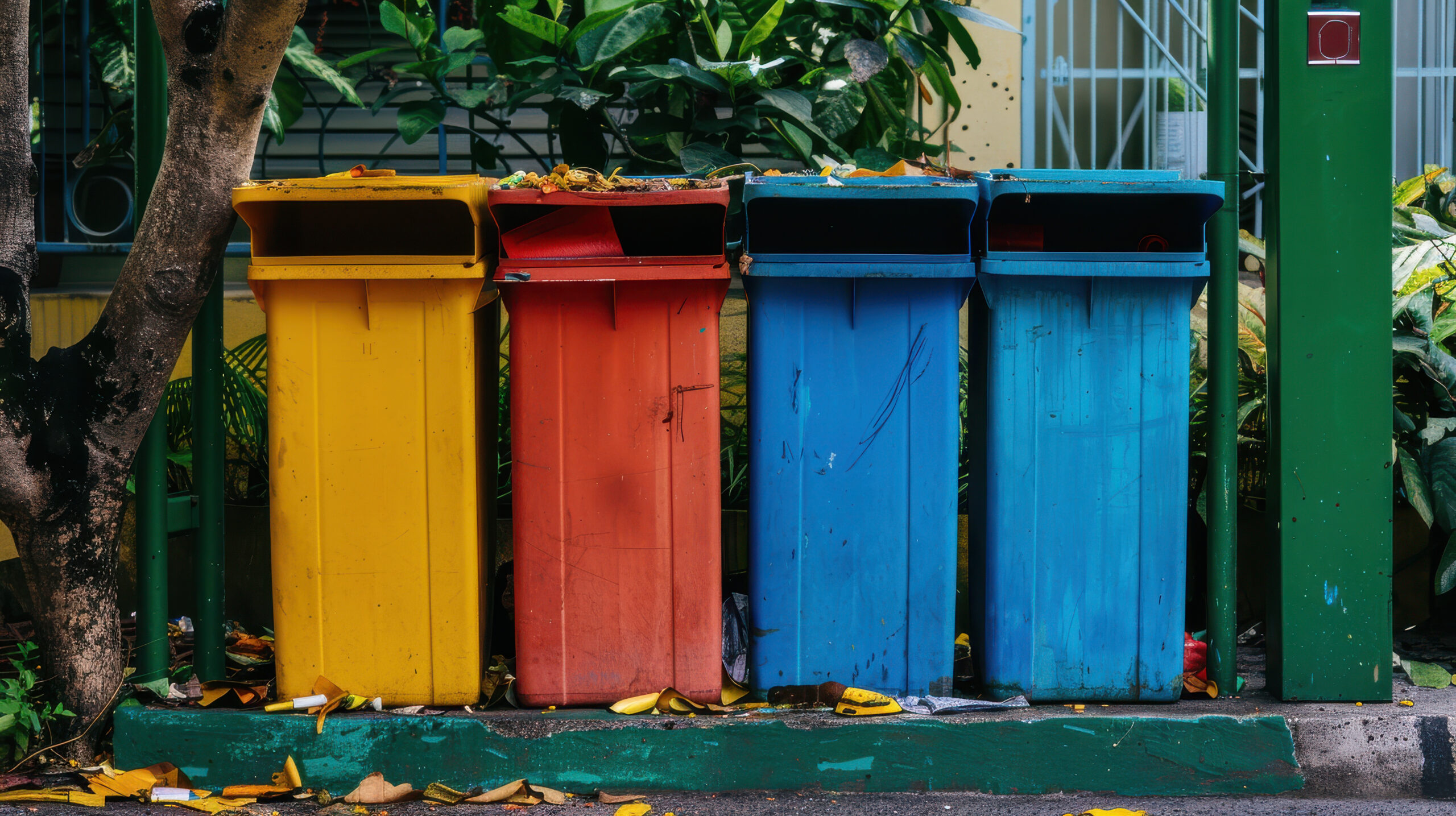
Garbage cans aren’t always the dirtiest surface in the home, but they become a serious contamination source when bags tear, liquids leak, or the lid interior collects splatter.
How do we clean garbage cans without spreading mess?
- Empty completely
- Rinse out crumbs and residue.
- Wash inside with a cleaner appropriate to the bin material.
- Scrub the lid underside and rim area (the most missed spot)
- Rinse and dry fully
- Clean the floor area where the bin sits.
Conclusion
A spotless-looking home can still carry contamination in overlooked zones. When we consistently target the 10 dirtiest places in the home, we dramatically reduce how fast germs spread, without spending hours cleaning everything every day.
If we clean smarter, not harder, we keep kitchens safer, bathrooms fresher, and everyday surfaces meaningfully cleaner.