6 Terrifying Animal Facts You Won’t Believe Are Real
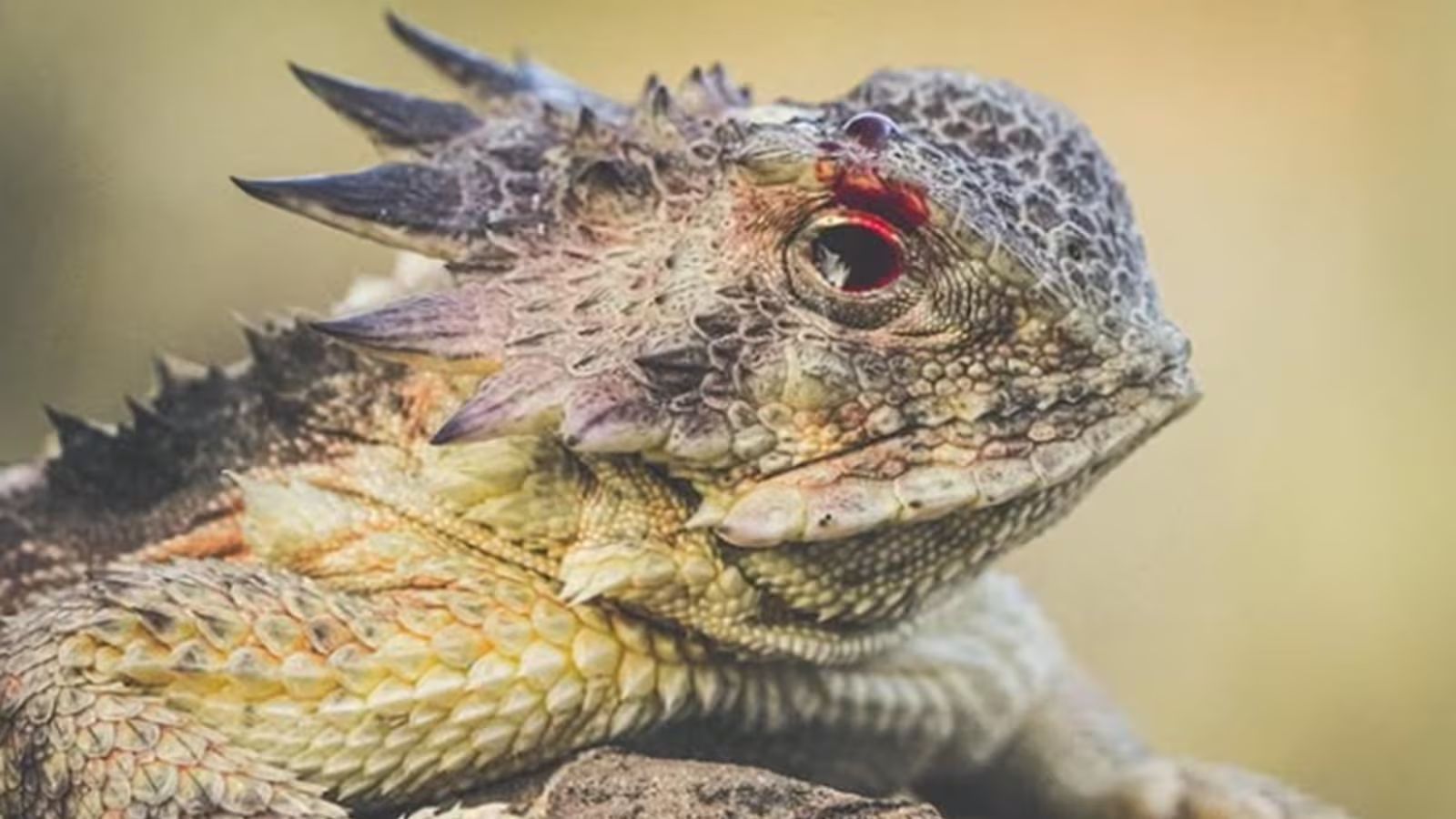
Image Credit: Rick Josey via Pexels
In the expanse of the natural world, some creatures defy our understanding of the ordinary, revealing just how strange and unsettling the wild can truly be. While most animals bring to mind images of grace, beauty, or even playful antics, there’s a darker side to the animal kingdom that few are brave enough to explore.
From venomous creatures with deadly capabilities to bizarre behaviors that challenge nature’s laws, the animal kingdom has its fair share of spine-chilling surprises. What if we told you that some of the creatures lurking in the shadows of forests or deep beneath the ocean’s surface possess secrets so terrifying, they could keep you awake at night? These 6 animals aren’t your run-of-the-mill wildlife; they’re enigmatic, eerie, and downright unnerving.
While you might already be familiar with a few of them, others will leave you questioning just how safe the world outside your door really is. So, if you’re ready to venture into the heart of nature’s most terrifying creatures, let’s uncover the chilling truths that might just make you think twice before stepping foot into the wild again.
Golden Poison Dart Frog
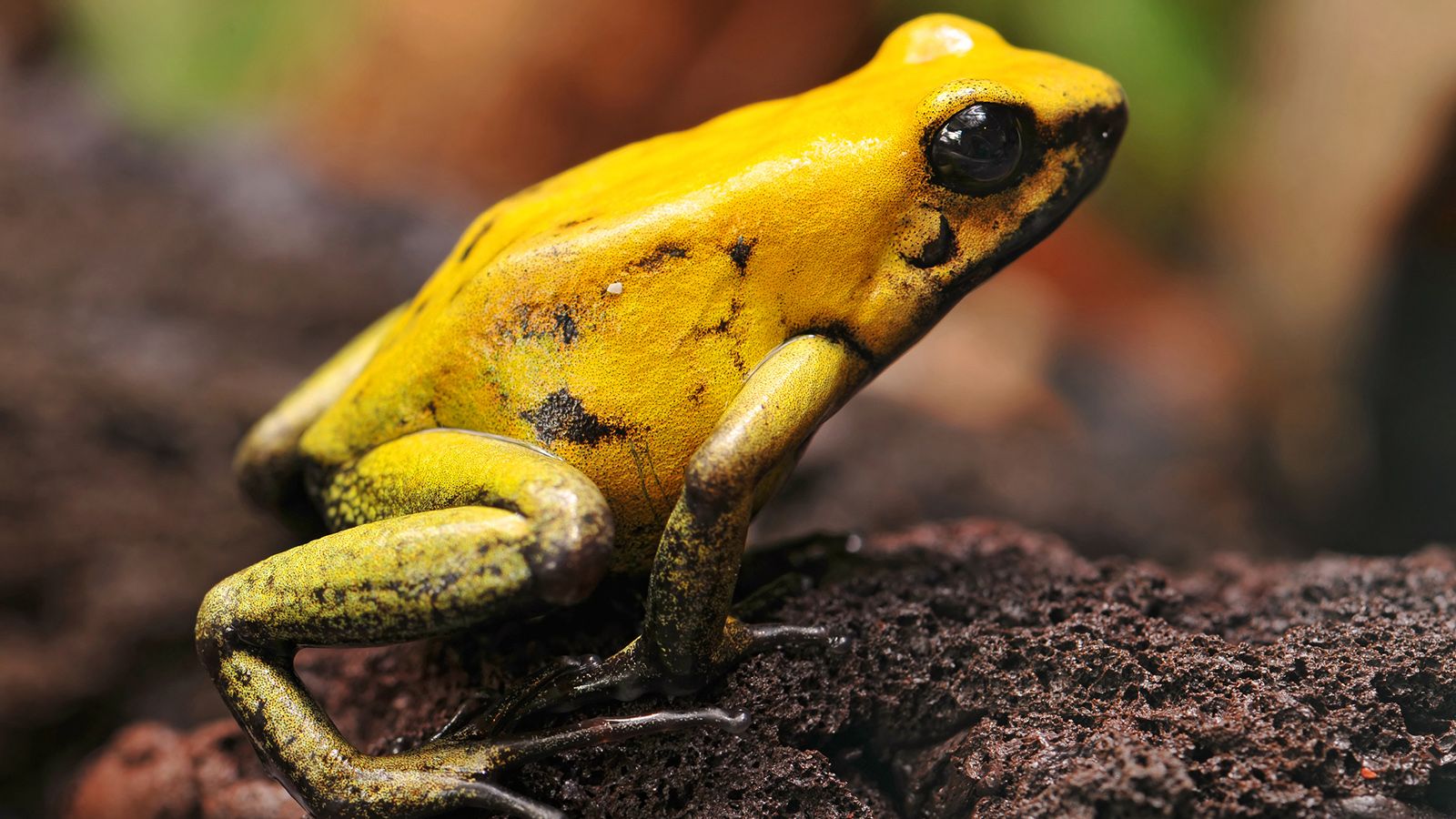
Imagine a frog no larger than your fingertip, its body a vibrant yellow, almost glowing in the sunlight. It seems so innocent, right? Found exclusively in the rainforests of Colombia, this tiny amphibian is perhaps one of the most lethal creatures in the animal kingdom. This frog secretes batrachotoxin, a potent chemical compound that paralyzes the muscles and nerves of its prey—often leading to an agonizing, slow death.
The toxin is so powerful that a single gram of it can kill up to 200,000 mice, or roughly 10-20 humans. You may be wondering, “How does such a small creature hold such power?” The golden poison dart frog’s toxicity comes from the specific diet it consumes in the wild, which includes certain ants and beetles that produce the toxic substances.
Interestingly, in captivity, these frogs lose their toxic properties, highlighting how much their environment shapes their defense mechanisms. While their bright skin color is a warning sign for predators, it’s also a striking reminder that sometimes, what’s small and beautiful can be the most dangerous.
Cape Buffalo
The Cape buffalo, often referred to as the “Black Death,” isn’t just a nickname—it’s a grim testament to this animal’s lethal capabilities. At first glance, these imposing beasts, part of Africa’s “Big Five,” may appear sluggish or docile as they graze in the open savanna. But make no mistake: these are apex creatures with unparalleled strength and aggression.
What sets them apart is their unpredictable nature. Unlike most animals that prefer to flee from danger, the Cape buffalo prefers to stand its ground. Known for their remarkable stamina and speed—up to 56 kilometers per hour—they can charge with little warning. Their robust build and large, curved horns are lethal, and a group of buffaloes can become a formidable, almost unstoppable force when protecting one of their own.
The most terrifying part? Buffaloes are responsible for more human deaths in Africa each year than lions or elephants, due to their sheer unpredictability and territorial instincts. So, next time you spot one in the wild, consider keeping a safe distance—respect, after all, is essential when it comes to the Black Death of Africa.
The Box Jellyfish
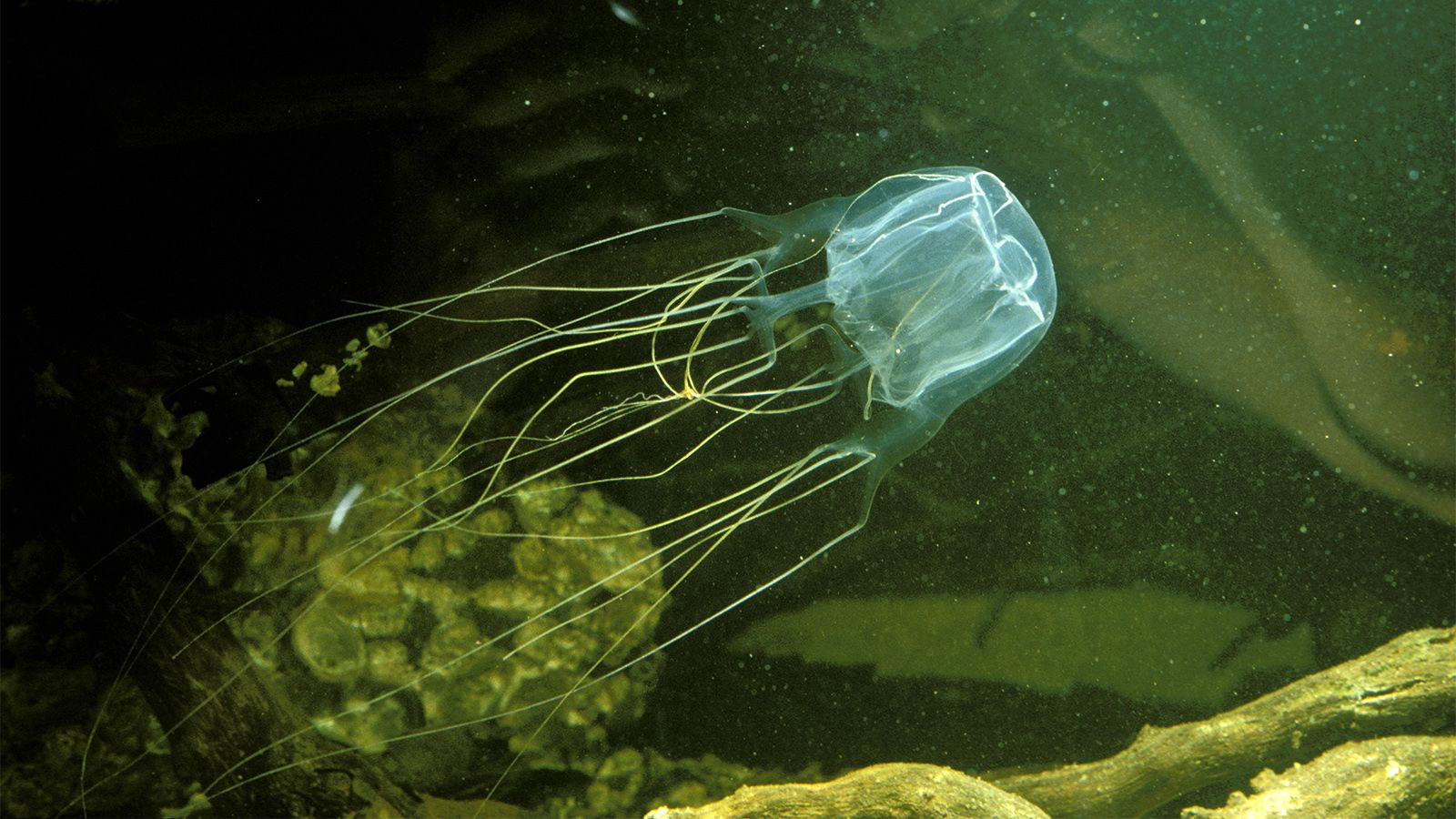
The ocean is home to some of the most awe-inspiring creatures, but also some of the deadliest. The box jellyfish is the prime example of this duality. With its transparent, gelatinous body and delicate, almost otherworldly appearance, the box jellyfish seems harmless—until you realize it’s capable of one of the most dangerous stings in the animal kingdom.
The venom of the box jellyfish is potent enough to cause a victim’s heart to stop within minutes. Its tentacles, which can stretch over three meters, contain thousands of microscopic nematocysts—stinging cells that release venom into the victim’s bloodstream. The venom induces a rapid, intense reaction in the body, often causing cardiac arrest and respiratory failure. Many people who are stung report feeling an immediate, excruciating pain and intense shock.
Sadly, some stings are fatal, making the box jellyfish one of the deadliest marine animals in the world. In areas where box jellyfish are common, protective measures such as wearing stinger suits and avoiding certain beaches are critical to survival. It’s a sobering reminder of the dangers that lurk beneath the surface of our oceans.
Blood-Squirting Lizards
Imagine this: you’re stalking through the desert, and suddenly, a lizard eyes you from a distance. You take a step closer, only for the creature to spray blood from its eyes in your direction. Startling, isn’t it? The horned lizard is capable of just that—a remarkable defense mechanism designed to confuse and fend off predators.
This bizarre ability is not some random accident of evolution; it’s a carefully honed survival strategy. When threatened, the horned lizard increases the blood pressure in its head, causing blood vessels in its eyelids to burst. The blood is then expelled from the corner of its eyes, often with enough force to surprise and bewilder any potential predator. The expelled blood not only confuses but also contains a foul-tasting compound that makes the lizard even less appetizing.
In addition, the red liquid is thought to give the lizard a brief window of escape by disorienting the predator long enough for it to flee. As unnerving as it sounds, this defense is incredibly effective. It’s yet another reminder of how nature has equipped its creatures with ingenious survival tools—no matter how weird they may seem.
Meerkats
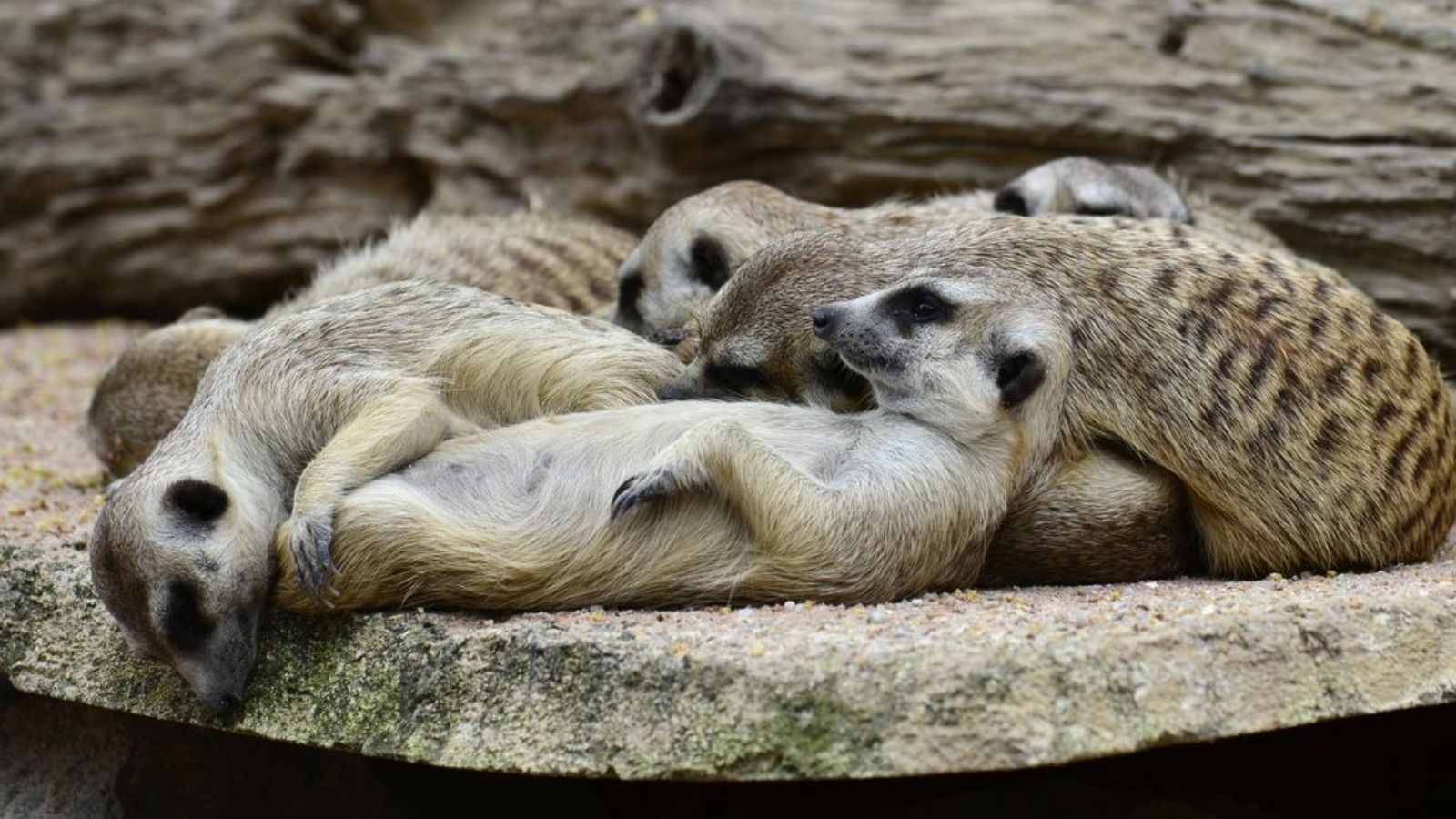
Meerkats are often depicted in media as cute, social creatures—standing upright to survey their surroundings with wide eyes. However, beneath their playful demeanor lies a more ruthless side. These little mammals, native to southern Africa, have a strict social hierarchy, with the dominant female controlling the breeding rights within the group. While this behavior may seem normal in animal societies, what’s truly chilling is the female meerkat’s tendency to kill offspring from other females.
This gruesome practice ensures that her own genetic line thrives, and it’s a part of a cold, calculating survival strategy. By eliminating potential competitors, the dominant female ensures that her own offspring have the best chance of survival and access to the clan’s resources.
This kind of ruthless behavior is common in the animal world, but it’s hard not to feel a bit unsettled when you realize that even the most innocent-looking animals can have such violent instincts.
The Cone Snail
At first glance, the cone snail looks harmless, a beautiful creature with an intricately patterned shell. However, hidden within this seemingly harmless snail is a venomous harpoon capable of killing its prey—and sometimes even humans. The cone snail, found in tropical waters, uses a venomous barb to capture and immobilize its prey. When the snail targets a fish, it shoots a needle-like harpoon loaded with toxins.
These toxins work quickly, causing paralysis and respiratory failure in the victim. While the venom may not seem like much to a predator, to humans, it can be fatal. The harpoon of a cone snail delivers a dose of poison that can incapacitate a person within minutes, with many victims unable to even reach help before succumbing to its effects.
The deadly nature of this snail is such that some marine experts have dubbed it “the cigarette snail”—because of the fact that victims only have enough time to light a cigarette before they pass away. So, the next time you spot a colorful shell by the ocean, remember: it might not just be a pretty decoration. It could be a deadly predator in disguise.
Key Takeaways
The animal kingdom is full of strange, deadly, and sometimes shocking creatures. As we’ve seen, many of the animals on this list are capable of causing harm or even death in ways that seem almost unbelievable. Whether it’s a tiny frog with enough venom to kill a human or a cute meerkat with a deadly secret, these animals serve as a reminder of the raw power of nature.
In a world where we often take our safety for granted, it’s crucial to remember that the natural world is filled with dangers that are sometimes hidden behind beautiful exteriors. Understanding these creatures, their behaviors, and their roles in the ecosystem is essential to both our safety and to appreciating the complexity of the world around us.