

This article was originally published on Crafting Your Home. A human contributor also wrote and edited the post.
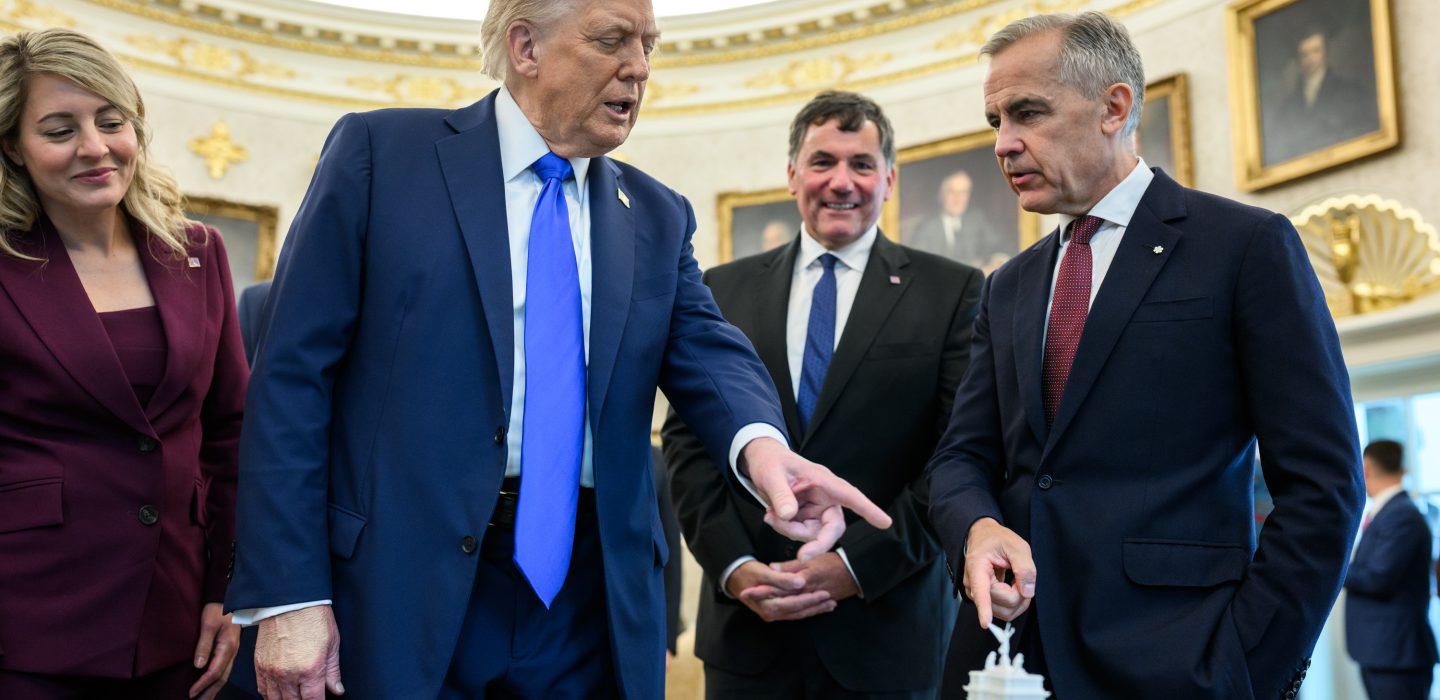
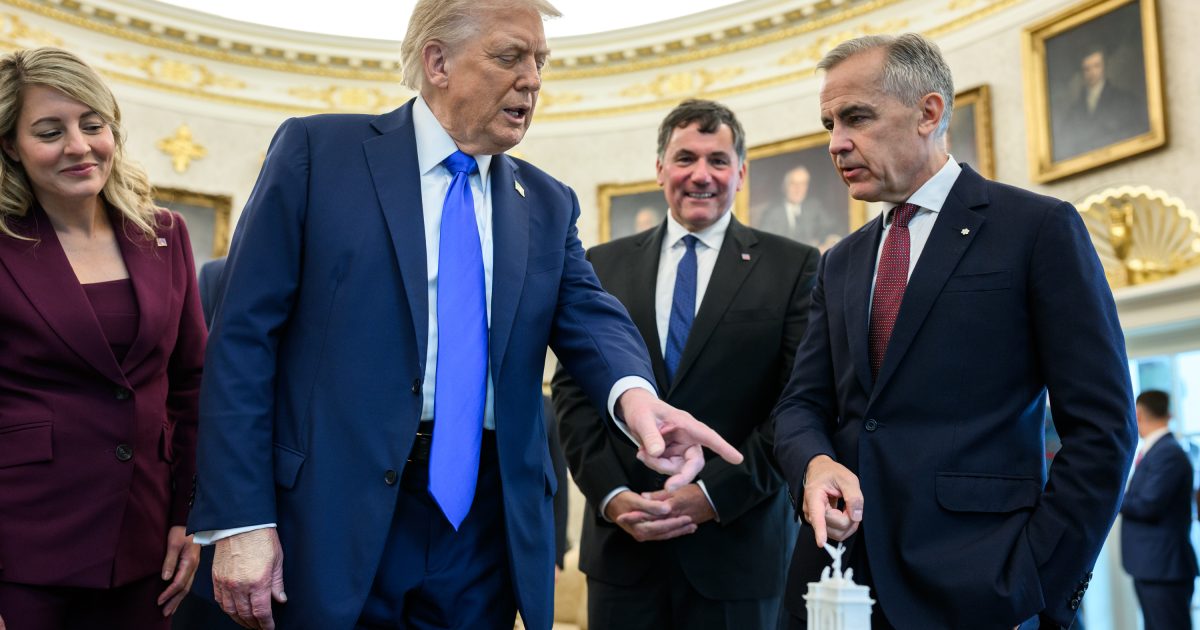
The relationship between the United States and Canada is facing one of its most difficult moments in decades after President Donald Trump’s latest criticism of Canada intensified an already heated dispute over trade, tariffs, and national interests.
For generations, the United States and Canada have been viewed as some of the closest allies in the world. They share a massive trading relationship, a common border, security partnerships, and deeply connected industries.
But recent disagreements have transformed what was once considered a predictable partnership into a more uncertain political battle.
The latest confrontation is not just about one comment or one policy decision. It reflects a larger struggle over economic power, trade independence, and how two neighboring countries define fairness in their relationship.
As tensions continue, both Washington and Ottawa are discovering the same reality: neither country can easily ignore the other.
Trump’s Criticism Pushes U.S. Canada Relations Into Another Crisis

Daniel Torok, Public domain, via Wikimedia Commons
President Trump’s latest remarks have added pressure to trade negotiations that were already strained by months of disagreements.
Trump has repeatedly argued that the United States has been treated unfairly in trade relationships and has used tariffs as a tool to pressure other countries into making concessions.
Canada has become one of the biggest targets of that approach.
The Trump administration has argued that certain Canadian trade practices disadvantage American companies, while Canadian officials have pushed back, saying the measures taken by Ottawa are responses to U.S. actions.
The dispute has created uncertainty for industries that depend on predictable cross-border commerce. For businesses operating across North America, political disagreements can quickly become economic problems.
Why Canada Is More Powerful Than Many Americans Realize
Although the United States has the larger economy and greater military power, Canada has its own forms of influence that Washington cannot easily replace.
Canada is one of America’s most important suppliers of energy, raw materials, and manufactured goods.
The two economies are deeply connected through industries such as automobiles, agriculture, energy, and technology.
A product made in North America often depends on supply chains that cross the border multiple times. A disruption in one country can quickly affect workers and consumers in the other.
This economic connection limits how aggressively either side can pressure the other without creating consequences at home. Trade conflicts between the two countries do not create a clear winner. They create uncertainty for both.
Tariffs Become the Center of the Conflict
The biggest source of tension between Washington and Ottawa has been the growing use of tariffs as a political weapon. Trump has long supported tariffs as a way to protect American industries and force stronger trade agreements.
Supporters argue that tariffs can encourage companies to produce more goods domestically and reduce reliance on foreign suppliers. Critics argue that tariffs can increase costs because businesses often pass higher import expenses on to consumers.
The latest tariff disputes have raised concerns among manufacturers, retailers, farmers, and consumers on both sides of the border.
For Canada, the challenge is responding strongly enough to defend its interests while avoiding unnecessary damage to a relationship that remains economically essential.
Canada Refuses to Back Down
Canadian leaders have signaled that they are willing to negotiate but do not want to accept terms they believe harm Canadian workers and businesses.
Prime Minister Mark Carney has described the trade discussions as difficult while emphasizing that Canada’s priority is protecting its economic interests.
Canada has also explored ways to reduce its dependence on the American market by strengthening relationships with other countries.
The goal is not to replace the United States entirely. The American market remains extremely important to Canada.Instead, Canadian officials want more options. A country with more trading partners has greater flexibility when negotiating with a larger neighbor.
The Political Fight Goes Beyond Trade
The dispute between Trump and Canada has become a debate about sovereignty and national identity.
For many Canadians, the issue is not only about tariffs or economic policy. It is about maintaining independence in the face of pressure from a much larger neighbor.
Trump’s previous comments about Canada joining the United States as a state have caused strong reactions among many Canadians, with leaders emphasizing Canadian sovereignty.
These tensions have contributed to stronger nationalist sentiment in Canada, including calls for consumers to support Canadian products and reduce reliance on American goods.
For some Canadians, the trade dispute has become a symbol of a larger question: how closely should Canada align itself with the United States?
American Businesses Could Also Feel the Impact
While tariffs are often presented as a tool against foreign countries, their effects can reach American companies and consumers. Many U.S. businesses depend on Canadian resources and suppliers.
Industries such as automotive manufacturing rely on integrated North American production networks. Energy markets are also closely connected between the two countries.
When trade becomes unpredictable, companies may delay investments, adjust supply chains, or increase prices.
This is why many business leaders prefer negotiated solutions rather than prolonged economic conflict. A trade war between two highly connected economies can create challenges that affect ordinary households.
A Relationship Too Important to Break
Despite the current tensions, the United States and Canada remain deeply connected in ways that are difficult to separate. The two countries cooperate on defense, energy, transportation, intelligence, and economic issues.
Their relationship has survived previous disagreements, including disputes over agriculture, energy, and trade rules.
The current conflict is serious, but history shows that both countries have strong incentives to find common ground. The challenge is finding a balance between protecting national interests and preserving cooperation.
What Happens Next Could Shape North America’s Future
The future of U.S. Canada relations may depend on whether both governments can move from confrontation toward negotiation. Trump’s approach relies on using American economic power to secure better agreements.
Canada’s approach focuses on defending its industries while creating more independence. Both strategies come with risks.
A prolonged dispute could affect businesses, workers, and consumers across North America. A compromise, however, could strengthen the relationship by creating clearer rules for future trade.
The Bigger Meaning Behind the Conflict
The latest clash between Trump and Canada shows that even the closest allies can enter periods of serious disagreement. The United States remains the dominant power in North America, but Canada is not without leverage.
Its energy resources, economic importance, and strategic position give it influence that cannot simply be ignored. The current dispute is a reminder that modern alliances are built not only on friendship but also on shared