



The post 12 Surprisingly Common Items People Steal From Grocery Stores first appeared on Crafting Your Home.
When people think of grocery store theft, they might think of expensive bottles of liquor or premium cuts of meat. But some of the products that attract shoplifters are surprisingly ordinary. Cheese, coffee, chocolate, and even laundry detergent have appeared in retail theft reports, showing that everyday household essentials can be just as appealing to thieves as luxury products. The problem goes beyond a few missing items at checkout. According to the National Retail Federation’s 2026 retail theft report, retailers surveyed experienced a 12.4% decrease in shoplifting incidents and an 8.1% decline in merchandise theft incidents in 2025 compared with 2024. However, organized retail theft and other forms of fraud continue to challenge businesses across the United States.
The products that attract thieves often share certain characteristics: they are desirable, relatively valuable, widely available, or easy to resell. Some are stolen for personal use, while others are targeted by organized groups seeking profit.
The following 12 categories have appeared in documented retail theft findings.
Cheese
Cheese might seem like an unlikely target for grocery store thieves, but retail theft reports show a surprisingly long history. In 2011, the Center for Retail Research’s Global Retail Theft Barometer identified cheese as a particularly vulnerable food product. Contemporary reporting described cheese as the most frequently stolen food category worldwide, followed by meat. The findings reflected the retail conditions examined at the time and should not be treated as a current global ranking.
The historical figures attracted attention because cheese is such an ordinary grocery purchase. Unlike expensive electronics or designer clothing, shoppers routinely add it to their carts without much thought. According to ABC News’ 2011 coverage of the study, researchers linked the appeal of cheese and other specialty foods to market demand and potential resale value.
Fresh Meat
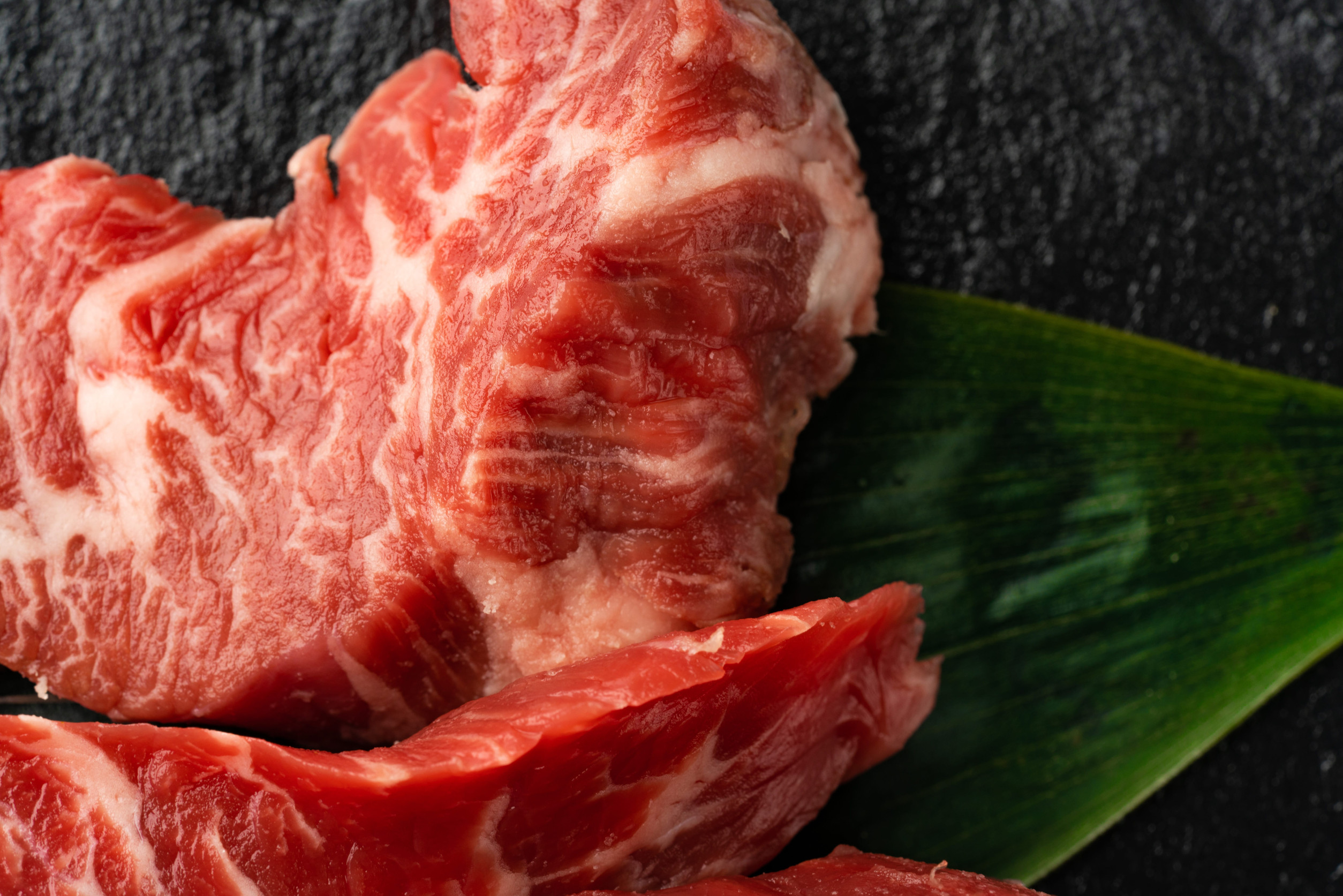
Fresh meat appears repeatedly in grocery theft reports, especially when expensive cuts are involved. The 2012–2013 Global Retail Theft Barometer identified premium beef, bacon, chicken, and other meat products as merchandise targeted in grocery stores across several markets. These observations came from retailer interviews and surveys, not a continuously updated database of individual theft incidents. The study also highlighted meat theft in British supermarkets during a period of economic pressure. Retailers identified higher-value fresh foods as a concern, suggesting that grocery theft isn’t always driven by the same factors that drive the theft of luxury goods.
Meat has an obvious financial characteristic: the price of a package can climb quickly with its weight, type, and quality. Premium steaks and large cuts can cost more than many everyday packaged foods. However, retailers must also distinguish stolen meat from inventory losses caused by handling problems, stock-counting errors, or other operational issues. Missing inventory alone does not prove shoplifting.
For grocery businesses, meat represents a challenging category because it combines relatively high product value with the ordinary operational demands of managing fresh merchandise.
Related: 5 Protein-Packed Foods That Make Meatless Dinners Feel Like a Real Meal
Chocolate
Chocolate may not carry the same price tag as a premium steak, but it offers an interesting example of how affordable, familiar products can become targets for theft.
A peer-reviewed study published in the Journal of Applied Behavior Analysis in 1995 investigated candy sales and theft at a grocery store. Researchers Ned Carter, Angeli Kindstedt, and Lennart Melin examined promotional changes involving reduced prices and increased product exposure. Their study demonstrated that researchers could measure candy theft alongside sales and merchandising activities in a real grocery environment. However, it was a small, preliminary study and did not establish that chocolate is among today’s most frequently stolen American supermarket products.
Chocolate and other confectionery products also appeared in the Global Retail Theft Barometer’s historical grocery findings. Unlike expensive merchandise, candy appeals for its immediate appeal rather than its resale value. A candy bar taken for immediate consumption and a large quantity of packaged sweets stolen for resale are different retail loss problems, even though both involve merchandise disappearing from a store.
Alcohol
Alcoholic beverages have appeared in retail theft reporting for years, making them one of the more established categories on this list. Many American grocery stores sell beer, wine, and spirits, though state and local laws determine which beverages individual retailers can offer. Historical retail theft research has repeatedly identified alcoholic beverages as attractive targets. The Global Retail Theft Barometer listed wine and spirits among products stolen from grocery retailers, and earlier international findings also highlighted alcohol theft.
These findings support alcohol’s inclusion as a documented theft category, but they do not provide a current ranking of theft rates across U.S. supermarkets. Alcohol can be highly valuable, particularly in premium bottles. Certain products may also have an established resale market. For retailers, alcohol theft creates both inventory and security concerns. Stores must manage merchandise losses while also complying with applicable alcohol sales and age-verification requirements.
The U.S. Department of Justice’s guide to shoplifting explains that theft patterns are strongly influenced by the merchandise a store carries. It also identifies product characteristics such as value and portability as important factors
Coffee
Coffee is another everyday grocery product that has appeared in historical retail theft reports. The 2012–2013 Global Retail Theft Barometer listed coffee among stolen food and beverage products, including premium instant coffee brands. Retailers in several countries identified packaged coffee as a product vulnerable to theft. The findings are particularly interesting because coffee is not usually considered a luxury purchase. However, certain premium varieties can command relatively high prices in small packages.
Coffee also has a practical characteristic that distinguishes it from some other groceries: depending on the packaging and product type, unopened products can often be stored for extended periods. That makes packaged coffee potentially attractive for personal consumption or resale, although the historical reports do not establish how much coffee theft was linked to either motivation. The Global Retail Theft Barometer specifically documented coffee alongside meat and cheese among products grocery retailers targeted.
The broader significance is straightforward: common grocery products can become theft targets when their price, popularity, and resale potential overlap.
Related: Coffee and Confidence: How Your Brew Shapes Your Day
Baby Formula

Baby formula stands out because U.S. government investigations have specifically identified it as merchandise targeted by organized retail crime. In a 2011 report titled Organized Retail Crime: Private Sector and Law Enforcement Collaborate to Deter and Investigate Theft, the U.S. Government Accountability Office (GAO) listed infant formula among products commonly stolen for resale.
The report distinguished organized retail theft from opportunistic shoplifting, explaining that criminal groups may systematically acquire merchandise for distribution through resale networks. The financial appeal is understandable. Baby formula is a specialized product that families purchase regularly, and some varieties are relatively expensive.
Razor Blades
Razor blades are among the best-documented examples of retail merchandise that attracts thieves. The U.S. Department of Justice’s National Institute of Justice identifies premium replacement razor cartridges as high-loss products for certain retailers. Their small packaging, relatively high price, and consistent consumer demand are important characteristics. Unlike large grocery products, razor cartridges can represent considerable retail value without occupying much shelf space.
A randomized controlled trial published in the Journal of Experimental Criminology in 2012 investigated anti-theft procedures and protective fixtures for high-loss retail merchandise. The National Institute of Justice’s evaluation explains how protective display systems can make merchandise harder to remove without completely interfering with legitimate shopping. This helps explain why shoppers sometimes encounter razor blades in locked cabinets or specialized dispensers.
Cosmetics
Cosmetics are another well-documented category of retail theft, particularly at supermarkets and large stores with extensive be