Surprising Unhealthy Foods That You Thought Were Healthy

Image Credit: thorstenschmitt via 123RF
Navigating the world of nutrition can often feel like walking through a minefield. On every shelf, there are products labeled as “healthy” or “low-fat,” making it seem like we’re making the right choices for our bodies. But, as with many things in life, appearances can be deceiving.
There are a number of foods that are marketed as healthy, yet they could be undermining your health goals. Let’s dive into six common foods you might have thought were good for you — but might not be as healthy as you think.
Sweetened Yogurt

Yogurt has long been touted as a healthy breakfast or snack option, packed with probiotics that support gut health. While plain yogurt can indeed be a nutritious choice, many flavored varieties are loaded with added sugars that can sabotage your health goals.
Some commercial brands sweeten their yogurt with hefty amounts of sugar to enhance flavor, making it more like a dessert than a health food. The issue lies in the hidden sugars — many brands add more than 20 grams of sugar per serving, which is more than the recommended daily intake for women.
Even more troubling, those sugars often come from processed ingredients that offer no nutritional benefits. Overconsuming sugar can contribute to weight gain, insulin resistance, and increased risk of heart disease.
What to Choose Instead: Opt for plain, unsweetened yogurt and add fresh fruit or a drizzle of honey for sweetness. Look for options that contain live active cultures to ensure you’re getting the full benefits of probiotics.
Dried Fruit

At first glance, dried fruit might seem like a convenient and healthy snack. After all, it’s just fruit in a different form, right? The truth is, dried fruits can be much higher in calories and sugars than their fresh counterparts. When fruits are dried, the water content is removed, making the sugars more concentrated.
For example, just a small handful of raisins can contain the same amount of sugar as a much larger portion of fresh grapes. While dried fruits do offer fiber and antioxidants, portion control is key. It’s easy to overeat dried fruit, which can lead to excessive calorie intake.
If you’re craving dried fruit, make sure to keep your servings small and always check the nutrition label for added sugars or preservatives. Fresh or frozen fruit is always a healthier choice. But if dried fruit is a must, stick to unsweetened varieties and be mindful of portions.
Packaged Deli Meats
A sandwich made with whole grain bread, veggies, and deli meat seems like a wholesome lunch, right? Unfortunately, packaged deli meats often contain more sodium and preservatives than you might expect. Just a couple of slices of ham can contain over 500 milligrams of sodium, which is a significant portion of your daily intake.
Additionally, processed meats are often treated with nitrates and nitrites, chemicals linked to an increased risk of chronic diseases like cancer and heart disease. Consuming too much sodium can lead to high blood pressure, increasing your risk of stroke and heart disease.
Choose lean, unprocessed meats like chicken, turkey, or tuna for your sandwich. If you prefer deli meats, look for nitrate-free options and pay attention to the sodium content.
Granola Bars
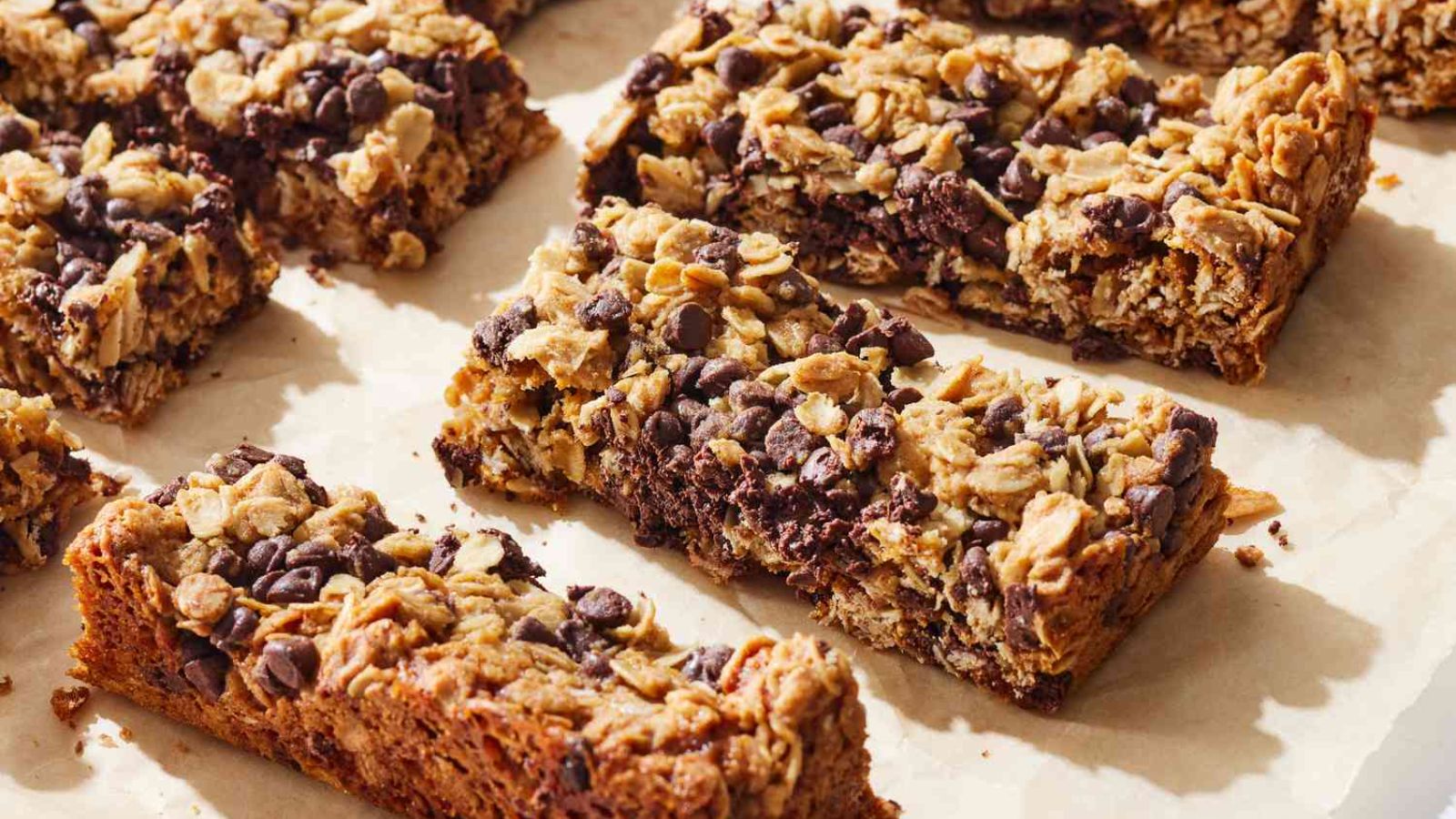
Granola bars are marketed as a healthy snack, often loaded with fiber, protein, and whole grains. But here’s the catch: many granola bars also pack a hefty dose of sugar — sometimes up to 25 grams per bar! This is equivalent to the daily recommended intake of sugar for women, and nearly there for men.
The problem with granola bars lies in their ingredients. While they often include healthy ingredients like oats and nuts, they also tend to include added sugars, syrups, and sometimes even artificial sweeteners. This balance can lead to a high-calorie snack that spikes your blood sugar, potentially leaving you feeling sluggish or even hungrier soon after eating.
If you’re craving a quick snack, look for granola bars with minimal added sugars (preferably under 5 grams per bar) and plenty of fiber (at least 2 grams). Alternatively, make your own granola bars at home using oats, nuts, and a bit of honey or maple syrup.
Low-Fat or Fat-Free Foods
For decades, low-fat or fat-free foods were marketed as the go-to option for anyone trying to lose weight or eat healthier. The truth is, fat isn’t the villain it was once made out to be.
Healthy fats, like those found in avocados, nuts, and olive oil, are crucial for maintaining proper brain function, hormone balance, and overall health.
When food manufacturers remove fat from products, they often replace it with sugar or other artificial ingredients to maintain flavor and texture. These replacements can contribute to weight gain and other health issues over time.
Fat-free products can also be more processed and stripped of essential nutrients. Focus on consuming healthy fats in moderation, like those from olive oil, nuts, seeds, and fatty fish. Instead of low-fat or fat-free snacks, choose whole foods and opt for healthier fat sources.
Diet Soda
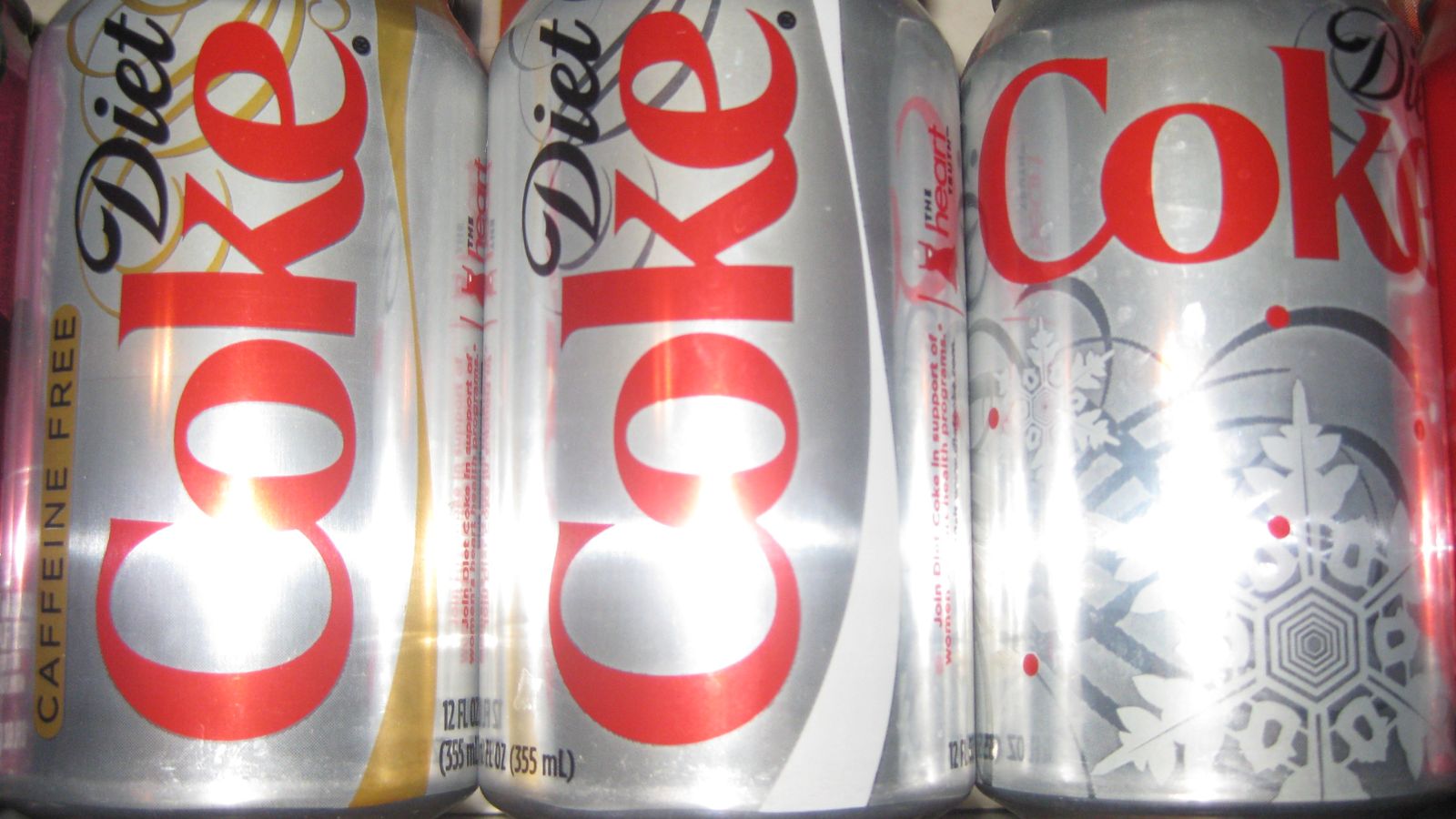
Many people turn to diet soda as a healthier alternative to regular soda, assuming that it’s the better option since it contains little to no sugar. But research suggests that artificial sweeteners used in diet sodas may not be as harmless as we once thought.
Studies have shown that diet soda consumption may increase cravings for sugar, leading to overeating or poor food choices later on. In addition, some studies have linked artificial sweeteners to an increased risk of developing metabolic disorders, including obesity and type 2 diabetes. If you’re sipping on diet soda to avoid sugar, you might be doing more harm than good.
Water is always the best option for hydration. If you prefer something fizzy, try sparkling water with a splash of fresh fruit or herbs. You can also make your own flavored water by adding cucumber, mint, or lemon.
How to Eat Healthier
Eating healthier doesn’t have to be complicated. By sticking to whole, unprocessed foods and being mindful of labels, you can make better choices that support your overall health. Start by focusing on fresh fruits and vegetables, lean proteins, and whole grains, and limit your intake of processed foods, sugary drinks, and snacks.
Remember that eating well is a pattern, not a one-time fix. The more you choose healthy options, the easier it becomes to make nutritious choices that benefit your long-term health.
Conclusion
It’s easy to get confused by food labels and marketing claims, but the key to eating healthy is simple: focus on real, whole foods. Avoiding these seemingly healthy foods can help you steer clear of hidden sugars, excessive sodium, and other unhealthy additives that undermine your well-being.
Make small adjustments, such as choosing plain yogurt, fresh fruit over dried fruit, and unprocessed meats, and you’ll be on your way to a healthier, more balanced lifestyle.