7 Surprising Things Babies Are Capable of That Will Astonish You
Image Credit: stockbroker via 123RF
Babies are often seen as fragile, innocent beings, relying entirely on others for survival. However, emerging research continues to challenge this perception, revealing that newborns possess incredible abilities that are truly awe-inspiring.
Babies exhibit surprising traits that suggest they’re far more capable than most people realize. Here are seven astonishing things that babies can do, showing just how advanced they are right from the start.
Babies Have a Sense of Fairness

One of the most surprising revelations about babies is their ability to recognize fairness, even at a very young age. In a study involving babies as young as 15 months, infants were shown two videos of food distribution: one in which food was shared equally and another in which it was divided unevenly. Babies consistently stared longer at the unfair distribution, indicating their discomfort with the unequal treatment.
The sense of fairness likely evolved to enable babies to detect and respond to unfair behavior in their environment, promoting social harmony and cooperation. It’s a trait that appears to be hardwired into human development, helping us understand the fundamental principles of justice even before we can articulate them.
Recognizing Faces: Even Across Species
Contrary to the common belief that babies are poor at distinguishing faces, infants are capable of recognizing faces from a variety of species, sometimes even better than adults. Babies, particularly at six months, have been found to be incredibly adept at distinguishing between human faces and those of other species, such as monkeys. This ability is part of an ancient survival mechanism that allows babies to assess their surroundings and recognize faces across all forms of life.
The ability to recognize faces across multiple species declines as children grow older, but during early development, babies are highly skilled at identifying and remembering faces.
Babies Can Hear a Broader Range of Sound Frequencies Than Adults
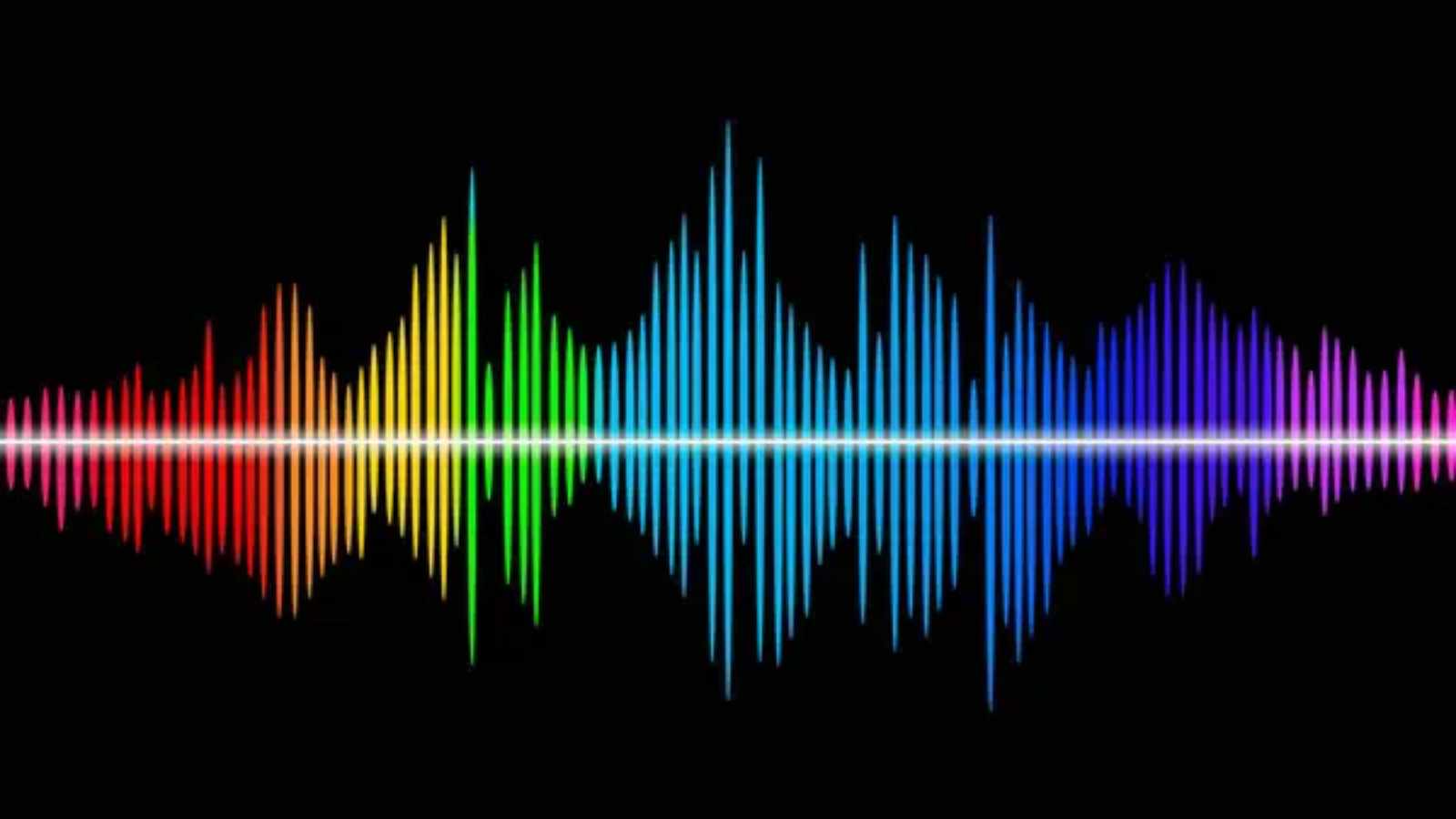
It’s widely assumed that a baby’s hearing is underdeveloped compared to that of an adult. Studies have shown that babies’ ears are tuned to a wider range of sounds, which is critical for their survival. This heightened hearing ability allows infants to detect even the faintest sounds, helping them respond to potential threats more effectively.
A fascinating experiment conducted by the University of Washington revealed that babies can simultaneously process a vast array of sound frequencies, making them more sensitive to sounds in their environment.
Babies Can Judge Character
It’s not just adults who can judge whether someone is trustworthy. Even babies can infer people’s intentions from their behavior. In an experiment, babies watched a puppet show in which one puppet helped another climb a mountain, while another hindered the climber’s progress. When given a choice between the two puppets, infants as young as 6 months preferred the helper puppet over the hinderer.
The ability to judge character is innate rather than learned, an important survival trait that likely evolved to help babies differentiate between helpful and harmful individuals.
Learning Language Begins in the Womb
Language acquisition is a complex and ongoing process, but it begins far earlier than most people realize, before birth. Babies start absorbing language cues while still in the womb, a skill that helps them recognize their mother’s voice and their native language from the moment they’re born. Babies can detect and respond to the rhythm, pitch, and sounds of their mother’s speech while in utero, particularly to vowel sounds.
Newborns can even recognize the specific language their mother spoke, and within hours of birth, they demonstrate a preference for sounds from their native language. This early exposure to language primes babies for later learning and shows that linguistic abilities are hardwired into human development long before they can speak their first word.
Babies Understand Social Interactions
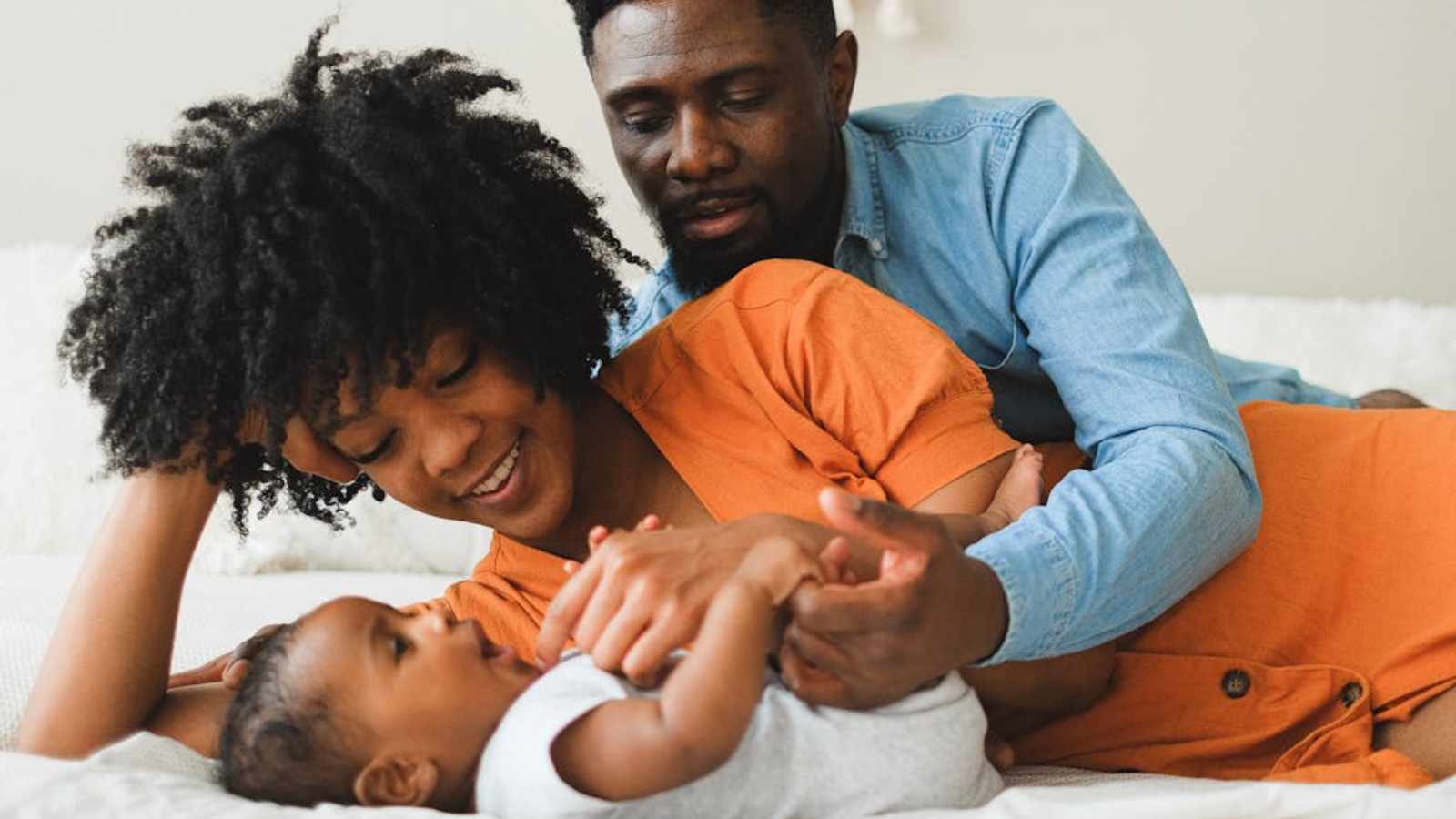
Social interaction is another skill that babies begin developing long before they can talk. In fact, babies as young as 24 hours old have been shown to respond to social cues like facial expressions and gestures. Studies using near-infrared spectroscopy revealed that infants’ brains light up when exposed to real social interactions, highlighting their innate understanding of human communication.
Interestingly, as babies grow, they become better at distinguishing between different social cues. This early social awareness is foundational for later development, helping babies learn how to interact with others and navigate their social environment effectively.
They Can Detect When Something Isn’t Right in the Physical World
Babies are keen observers of the world around them. Incredibly, they have an intuitive understanding of basic physics, such as the laws of gravity and motion. Babies can detect when something doesn’t align with their expectations of the physical world. For example, when shown an object passing through a solid wall or an event where gravity appears to be defied, babies will stare in disbelief, clearly recognizing that something is wrong.
This natural ability to question the physical world demonstrates that babies are not merely passive observers but active learners, constantly absorbing and testing information about how the world functions. Their curiosity and keen observation skills lay the foundation for later cognitive development.
Key Takeaways
Babies are far more capable than we typically give them credit for; newborns possess an astonishing array of skills that continue to amaze scientists.
These abilities highlight the incredible potential of human development, and also demonstrate that babies are active learners, shaping their understanding of the world long before they can express it with words.
.