Stock up now: 7 favorite foods facing extinction by 2026
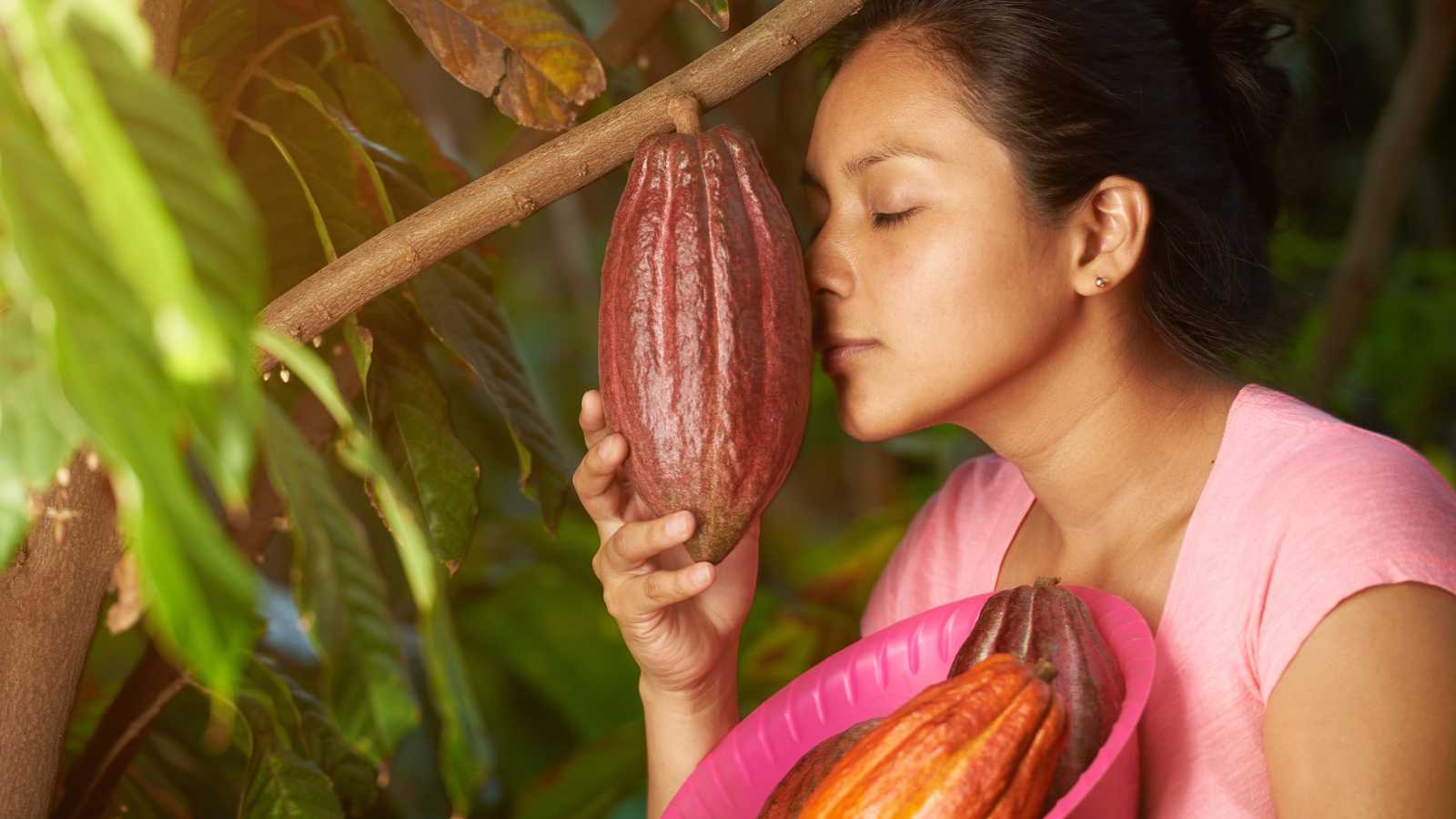
If you thought grocery prices were ugly in 2025, you haven’t seen the forecast for 2026. The USDA projects food prices will climb another 2.2% to 2.7% in 2026, but that average hides a terrifying reality for specific items. We aren’t just talking about inflation anymore; we are talking about extinction-level shortages driven by a “perfect storm” of climate chaos, disease, and trade wars.
I’ve dug into the latest agricultural reports to find the seven pantry staples teetering on the edge. The data is alarming, and if you enjoy these foods, you need to act now. Here is your survival guide to the grocery aisles before the shelves go bare.
The cocoa crisis is melting our supply

Remember cheap chocolate? Those days are gone. We are facing a massive deficit of nearly 494,000 metric tons of cocoa, driven by catastrophic weather in West Africa. Heavy rains followed by severe drought triggered Black Pod disease and the Cocoa Swollen Shoot Virus (CSSV), which has infected over 90,000 hectares of farms in Ghana alone.
With cocoa costs more than doubling since early 2024, manufacturers are shrinking bars and jacking up prices to survive. Analysts predict that even Halloween candy prices will spike significantly. In my opinion, you should hoard dark chocolate and cocoa powder immediately before they become luxury items.
Your morning brew is drying up fast
I can’t function without my morning coffee, so this stat hits hard: rainfall in Brazil’s crucial Minas Gerais region dropped to just 1% of the historical average in late 2025. This drought has decimated the flowering stage for the 2026/27 crop, with trading firm Volcafe predicting a global Arabica deficit of 8.5 million bags.
Futures prices for Arabica recently hit levels unseen since 1977, reaching over $4.36 per pound. Experts like illycaffè CEO Cristina Scocchia predict prices will stabilize at a painful high of $2.50 to $3.00 per pound by late 2026. Buy whole beans now and freeze them; your wallet will thank you later.
Florida sunshine is fading from the fridge
The quintessential American breakfast drink is facing functional extinction. Florida’s orange production has plummeted 94% over the last 25 years due to citrus greening disease and hurricane damage. The USDA forecast for the 2024-2025 harvest is pitiful: 11.6 million boxes, a 36% drop from the previous season.
Farmers are literally running out of land, with acreage down 75% since 2020 as developers pave over dying groves. With futures prices predicted to exceed $300, cheap OJ is history. Enjoy that fresh-squeezed glass while you can, because “orange drink” blends might be the only affordable option left soon.
The guacamole party is officially over
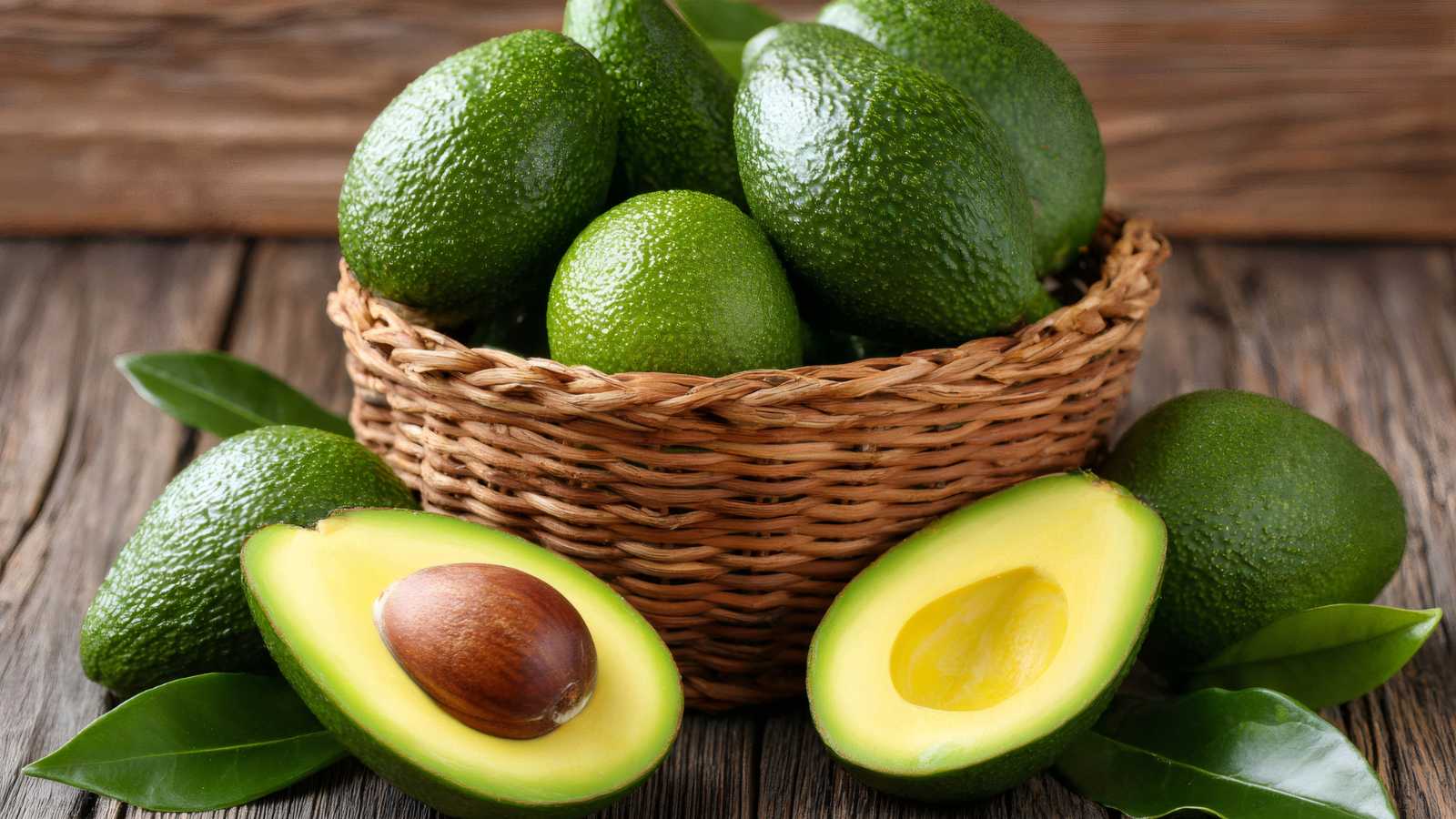
Avocados have carried the banner for millennial food culture, but a massive regulatory shift hits in January 2026. New rules require all Mexican avocado exports to the U.S. to be certified “deforestation-free”. While the industry aims for compliance, the sector is already facing a 25-30% shortage due to weather and inspection delays.
Imagine the Super Bowl without guacamole. With Mexico supplying 80% of U.S. avocados, any border friction sends prices sky-high. I’m planning to freeze avocado puree now, just in case the supply chain snaps right before the big game.
The cheapest fruit is fighting for survival
We take cheap bananas for granted, but a deadly fungus called Tropical Race 4 (TR4) recently hit Ecuador, the world’s top exporter. This soil-borne killer has no cure and renders land unusable for decades, threatening the Cavendish variety, which accounts for 95% of global exports.
To combat this, Ecuador raised the official minimum producer price to $7.75 per box for 2026, a $0.50 hike that will trickle down to you. As growers fight to keep their crops alive, the days of the 19-cent banana are ending.
Alaskan delicacies are vanishing into the deep
If you love crab legs, brace yourself. The Bering Sea snow crab fishery reopened for the 2025/26 season. Still, the quota is a measly 9.3 million pounds—a fraction of historical highs after 10 billion crabs vanished in a marine heatwave.
Similarly, the Gulf of Maine is warming faster than 99% of the world’s oceans, driving lobster catches 15% below the 20-year average. Even Bristol Bay sockeye salmon runs are forecast to drop 26% below the recent 10-year average in 2026. I suggest buying canned wild salmon or frozen crab now, before they become ultra-luxury items.
The wine list is losing its stars
Sommeliers are whispering about the “Sancerre-pocalypse” as global wine production hit its lowest level since 1961. The 2025 vintage remains 7% below the five-year average due to erratic weather across Europe.
If you have a favorite vintage, buy a case now. FYI, savvy drinkers are already pivoting to alternatives like Touraine or Portuguese whites to save money as top-tier regions struggle to meet demand.
Key Takeaway

The food landscape of 2026 looks expensive and scarce. Climate shocks, diseases, and supply deficits are breaking the chains we rely on. My advice? Don’t panic, but do prepare. Grab some extra coffee, chocolate, and canned seafood on your next grocery run. In the future, you will be thrilled to eat like a king while everyone else fights over the last $5 avocado.
Read the Original Article on Crafting Your Home.