7 Statements Christians Are Weary of Hearing from Non-Believers

Image Credit: chajamp via 123RF
Religion plays a complex role, and it’s easy for stereotypes to shape the public perception of Christians. For many, assumptions based on misinformation or oversimplifications lead to misunderstandings, especially when it comes to Christianity. Christians, much like any other faith group, are multifaceted, diverse, and evolving.
The one-size-fits-all label doesn’t capture the rich beliefs, practices, and cultures that constitute Christianity today. It is important to challenge the misconceptions that cloud public understanding and have often led to frustration and misrepresentation.
Christians Reject Science

The idea that Christians are opposed to science is a stereotype rooted in historical conflicts, but it is far from an accurate portrayal today. Numerous Christian denominations engage actively with science, and many Christians work in scientific fields. Churches around the world engage in discussions about science, ranging from public health to environmental stewardship.
The belief that Christianity is inherently anti-science is not only outdated but also ignores the contributions that faith-based organizations make to advancements in medicine, technology, and environmental sustainability.
Christians Are Intolerant of Others
A common misconception about Christians is that they must inherently dislike or discriminate against people who do not share their faith. This oversimplified view fails to acknowledge the vast diversity within Christianity itself, as well as the deeply rooted teachings of charity, kindness, and love for one’s neighbor.
Christians, across denominations, often emphasize compassion and respect for others, even those with differing beliefs. Far from fostering hate, Christian teachings encourage believers to show empathy, understanding, and kindness, transcending narrow political or social divides.
All Christians Vote the Same Way
One of the most pervasive misconceptions is that Christians are politically homogeneous. In reality, Christianity encompasses a broad political spectrum, from progressive to conservative, with a variety of beliefs and practices that are reflected in political views.
Polls consistently show that Christians across generations, races, and regions hold diverse political opinions. Reducing Christianity to a singular political bloc ignores the complex reality of Christian political engagement in the U.S. and around the world.
Christianity Is On the Verge of Extinction
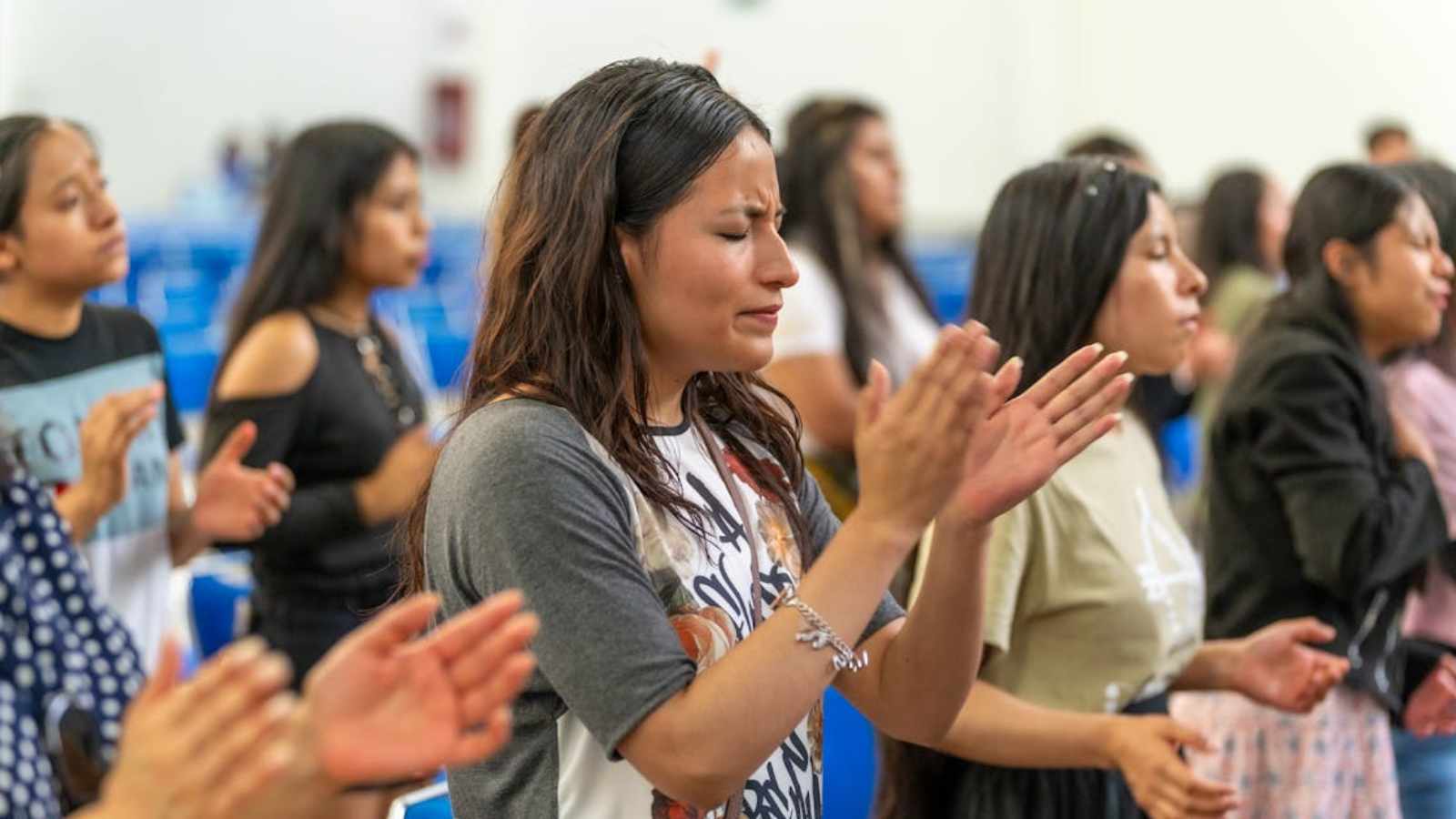
Despite the declining numbers of church attendance and affiliation in certain parts of the world, the notion that Christianity is “dying” remains a misguided perception. It’s true that traditional membership is down, but Christianity continues to thrive globally, especially in regions like Africa and Asia.
The global Christian population remains resilient, and numerous churches are finding new ways to engage with younger generations, incorporating technology and community outreach to ensure faith remains relevant in today’s rapidly changing world.
Christians See Themselves as Morally Superior
One of the more frustrating stereotypes Christians face is the perception that they view themselves as morally superior to others. Some individuals may fall into this trap, but it does not represent Christianity as a whole. Central to Christian doctrine is humility, repentance, and the understanding that all individuals are imperfect.
Many Christians strive to live out the teachings of Jesus, who emphasized humility, service to others, and forgiveness. Rather than promoting moral superiority, Christianity encourages believers to acknowledge their flaws and offer grace to others.
Christians Care Only About Hot-Button Issues Like Abortion and Gay Rights
It is true that issues like abortion and LGBTQ+ rights often dominate public discourse, but this does not encompass the entirety of Christian social engagement. Many Christians are involved in a wide range of causes that extend beyond these issues, such as poverty alleviation, homelessness, disaster relief, environmental protection, and health care reform.
The work that Christians do in their communities often focuses on helping the vulnerable, regardless of political or social hot-button issues.
Christianity Is Responsible for Political Polarization

The idea that Christians are to blame for the political divide that marks modern society is an oversimplification of complex political and social issues. Christianity has undoubtedly played a role in shaping political debates, but it is important to recognize that the faith itself is not the root cause of political polarization.
Christians are active in both liberal and conservative movements, working on a wide range of issues, from social justice to humanitarian aid, all while trying to live out their faith’s teachings in ways that reflect their unique values and experiences.
Key Takeaways
The key to understanding Christianity lies in recognizing its diversity, complexity, and the individual nature of faith. Far from the monolithic, stereotypical image often portrayed, Christians are a varied group with diverse beliefs, practices, and political views.
Understanding this rich diversity helps foster more meaningful conversations about faith and religion. The next time someone presents a simplistic view of Christianity, remember that the reality is far more nuanced, and it’s essential to engage with curiosity and empathy.