Reasons Why Remote Workers Are Moving To These 5 cities In Record Numbers

As remote work continues to redefine the modern workplace, more workers are embracing the freedom to live and work anywhere. With the ability to connect from almost any location, many are seizing the opportunity to move to cities that offer a better quality of life, a lower cost of living, or simply a more inspiring environment. According to the U.S. Census Bureau, 13.8 percent of U.S. workers were usually working from home in 2023, more than double the share in 2019 before the pandemic began.
Austin, Texas

Austin has become one of the most popular cities for remote workers across the country. With its booming tech sector, creative culture, and relatively lower living costs compared with traditional tech hubs, the city draws professionals seeking space and opportunity. Data shows Austin’s remote workforce accounted for about 28.1 percent of all workers in 2023, one of the highest rates in the nation.
Boise, Idaho
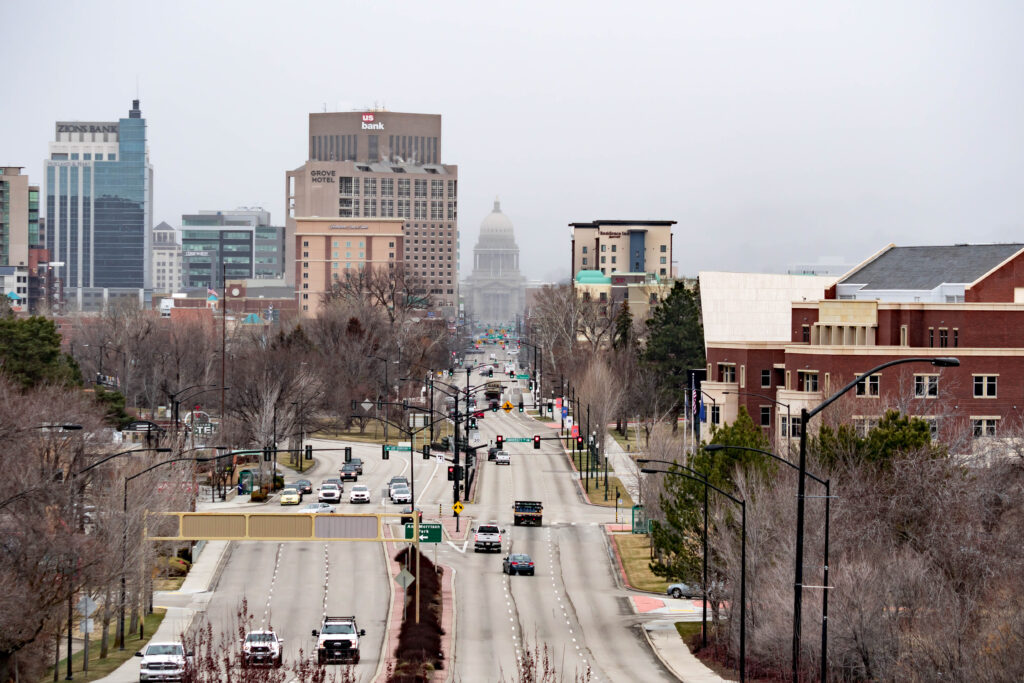
Boise’s climb onto the remote work radar reflects a broader migration trend toward smaller but vibrant cities. Between 2020 and 2024, Boise saw population surges of up to 25 percent, largely fueled by remote workers moving in pursuit of affordability and outdoor access.
Nestled next to mountains and rivers, Boise provides a mix of nature and urban amenities that speaks to many remote professionals tired of high housing costs.
Raleigh, North Carolina

Raleigh has emerged as a hub for remote workers who want a blend of technology, education, and livability. Its growing tech scene and research institutions make it appealing for professionals across sectors. In 2023, about 24.5 percent of Raleigh’s workforce was working from home, placing it among the top U.S. cities in remote worker share.
Nashville, Tennessee
Nashville’s reputation as a music and culture capital is now accompanied by a fast‑growing remote work appeal. The city’s vibrant downtown, strong job market, and lively social scene are big draws for remote professionals seeking a place to live and work with flavor. Between 2020 and 2024, population figures in cities like Nashville jumped 15 to 25 percent, based in part on remote work migration.
Denver, Colorado
Denver has been a standout for remote workers craving mountain views and urban conveniences. With a strong share of remote work, more than 26 percent of its workforce working from home in 2023—Denver continues attracting professionals who value an outdoor lifestyle alongside , career opportunities.
Conclusion
The shift to remote work is not just a trend, it’s a seismic change in how and where we live. As more workers trade in their daily commutes for the freedom to work from anywhere, cities across the U.S. are seeing unprecedented growth. From the tech-forward pulse of Austin to the scenic allure of Boise, remote workers are proving that the office doesn’t have to define their location.
This new era is rewriting the rules of work and life, creating spaces where career ambition meets personal fulfillment. In cities like Raleigh, Nashville, and Denver, remote workers are finding the balance they’ve long sought—where opportunity, affordability, and lifestyle coexist. These cities aren’t just destinations; they’re becoming the new hubs of a redefined workforce, where boundaries are pushed and new possibilities are waiting to be explored.
Read the original article on crafting your home