9 Reasons Many People Don’t Believe in God

Image Credit: jenoche/123rf Photos
The decline in religious belief has become a growing trend over the past few decades. A combination of personal experiences, philosophical questions, and societal shifts has led many to abandon faith in God. Here are the reasons why more individuals are moving away from organized religion and the search for a higher power.
The Problem of Evil: Faith vs. Suffering

One of the central challenges to religious belief is the problem of evil. The presence of immense suffering, like natural disasters or human violence, seems to contradict the idea of a benevolent God. When personal tragedies strike, the silence from the heavens can feel unbearable, shaking faith to its core. Many struggle to reconcile the existence of a loving creator with the pain and injustice experienced in the world.
The Rise of Scientific Explanations
Science has replaced religion as the primary means of explaining natural phenomena. The Big Bang theory and evolution offer concrete, evidence-based answers for the origin of the universe and life. As scientific understanding advances, it leaves little room for supernatural explanations. People increasingly rely on empirical evidence rather than ancient myths to make sense of the world.
Religious Hypocrisy and Scandals
Scandals within religious institutions have contributed to the erosion of trust in organized faith. High-profile cases of financial misconduct and abuse have painted religion as a tool for exploitation. Many people struggle to reconcile their belief in God with the actions of religious leaders who preach morality but act immorally. The exposure of these hypocrisies makes religion feel more like a business than a path to spiritual truth.
The Diversity of Belief Systems
With so many religions and gods around the world, it can feel arbitrary to believe one is the “right” faith. People raised in different cultures follow entirely different spiritual paths, challenging the idea of a single, universal truth. This realization often leads individuals to view all religions as cultural constructs rather than absolute truths. As a result, religious belief becomes less about divine authority and more about personal or societal tradition.
The Silence of Unanswered Prayers

Unanswered prayers are a profound source of doubt for many believers. When individuals face crises and receive no divine response, they may question the existence of God. Prayer, once a source of comfort, can begin to feel like an empty ritual. As people experience repeated silence, their faith in a higher power gradually fades.
Social and Political Entanglements
Religion’s increasing involvement in politics has alienated many who value social justice. Issues like the church’s stance on LGBTQ+ rights have caused younger generations to question the moral authority of religious institutions. As faith becomes more entwined with political ideologies, it often pushes people away. For many, religion’s political agenda undermines its role as a source of spiritual guidance.
Lack of Empirical Evidence
In today’s world, empirical evidence is highly valued. Many people struggle to accept the existence of God without concrete, verifiable proof. Skeptics argue that extraordinary claims require extraordinary evidence, and faith alone is not enough. Without tangible proof, belief in God remains an act of trust rather than a conclusion based on evidence.
The Psychological Need for Belief
Psychologists suggest that belief in God may stem from the human mind’s need to find patterns and seek comfort in times of uncertainty. Religion often serves as a coping mechanism to manage existential fears, like the fear of death. Once individuals understand that these beliefs may be psychological constructs, the concept of a divine being can lose its allure. Faith may begin to feel like a product of human psychology rather than an objective reality.
Inconsistencies in Religious Texts
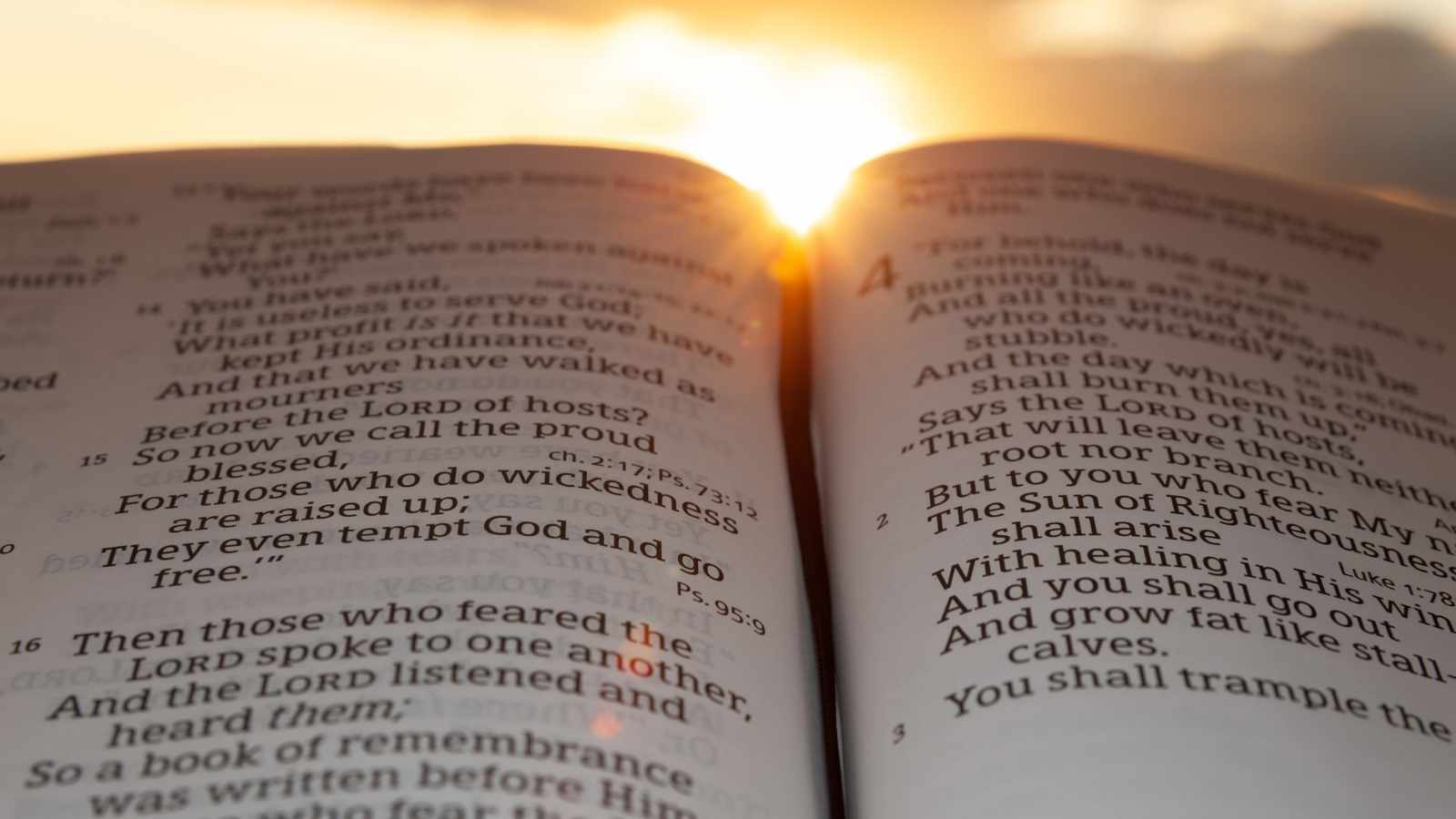
Religious texts, once considered infallible, often contain contradictions that challenge their divine authority. Passages promoting love coexist with verses endorsing violence, leaving followers confused about the moral teachings of these texts. For many, these inconsistencies undermine the credibility of sacred scriptures, casting doubt on their divine inspiration. When history and science don’t align with religious stories, faith starts to falter.
Key Takeaways
The decline in belief in God is complex, shaped by personal experiences, scientific advancements, and societal changes. While some continue to hold on to religious beliefs, others are turning to alternative frameworks to find meaning and purpose. As society progresses, the understanding of religion and spirituality continues to transform.