10 Reasons Husbands May Leave Their Wives After 50
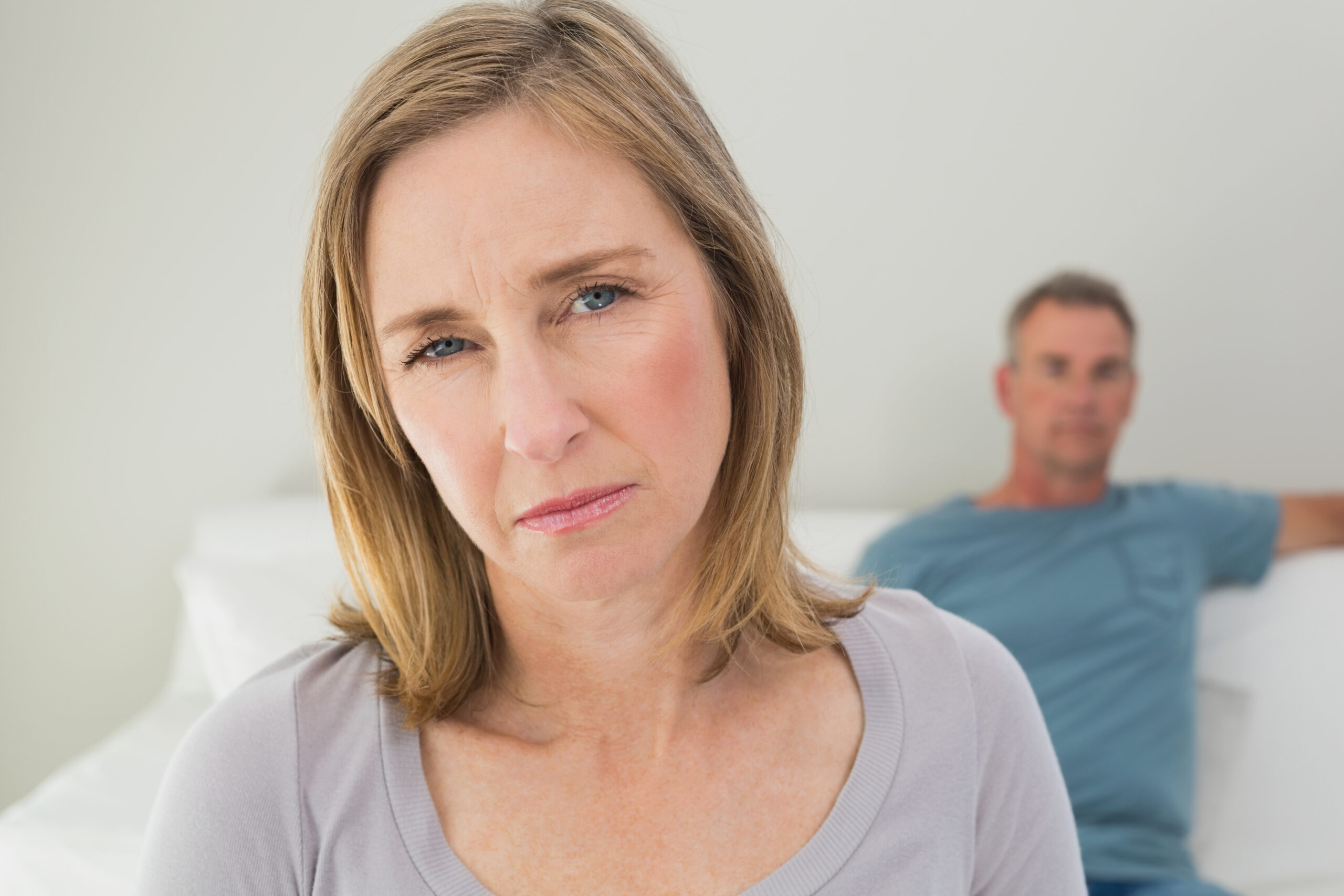
For decades, they looked solid from the outside. Shared holidays. Raised kids. Built a life brick by brick. Then one day, after 20, 30, or even 40 years, the marriage quietly ends. No explosive scandal. No dramatic betrayal. Just a slow, painful unraveling.
Divorce after 50, often called “gray divorce,” rarely happens overnight. It usually grows out of years of emotional distance, unspoken resentment, and lives that slowly drift out of sync. Here are ten of the most common, deeply human reasons husbands choose to walk away later in life.
The empty nest exposed old cracks
When the kids leave, the noise stops. The schedules clear. What remains is the relationship itself, stripped of distractions
For some couples, that quiet becomes uncomfortable. Parenting had masked deeper problems. Once the shared mission ended, unresolved issues stepped into the spotlight. The marriage didn’t break because the kids left. It broke because there was nothing holding it together once they did.
A midlife reckoning hit hard
Aging brings questions no one can dodge forever. How much time is left? Did my life turn out the way I hoped? Is this all there is?
For many men, this reckoning feels urgent after 50. Some mistake internal dissatisfaction for marital failure. Instead of confronting regrets or unmet dreams, they chase a reset button, believing a new relationship will fix what feels broken inside.
Emotional and physical intimacy quietly died

This is rarely just about sex. It’s about closeness. Touch. Laughter. Feeling wanted.
Over time, health changes, stress, and emotional distance can shut intimacy down. Shame, insecurity, and misunderstandings grow. One partner withdraws. The other feels rejected. The gap widens until the marriage feels more like a business arrangement than a love story.
Retirement dreams no longer align
For years, retirement was a distant idea. Then it arrived, bringing freedom and fear in equal measure.
One partner dreams of travel and reinvention. The other wants stability and roots. When visions for the future clash, it can feel like discovering you’ve been planning two completely different lives. At this stage, compromise feels harder because time feels precious.
Money conflicts reached a breaking point
Financial tension rarely starts late in marriage. It simmers for decades.
Different attitudes toward spending, saving, and risk create resentment that intensifies as retirement approaches. With fewer earning years ahead, financial disagreements feel heavier, more dangerous. Money becomes the battleground for deeper issues like control, trust, and respect.
Illness changed the balance of the relationship
Serious health challenges can transform a marriage overnight. Roles shift. Independence disappears. Stress becomes constant.
When one partner becomes a caregiver, emotional exhaustion can set in. Some men struggle deeply with this transition, especially if traditional roles shaped the marriage. The strain exposes emotional limits that were never tested before.
The marriage turned into silent co-existence
Some marriages don’t end in chaos. They simply go quiet.
No fighting. No passion. Just two people sharing space while living separate emotional lives. Over time, that loneliness inside the marriage becomes heavier than the fear of being alone outside it. Leaving feels less like betrayal and more like acknowledging a long-dead connection.
They grew apart instead of growing together
This is the explanation many men give, but it runs deeper than it sounds. People evolve. Values shift. Interests change. When couples stop checking in on each other’s inner world, the relationship freezes in time while both partners keep moving.
After years of focusing on careers and children, a husband may suddenly realize he no longer knows the woman sitting across the table. The connection didn’t disappear overnight. It faded through neglect.
The stigma of divorce no longer holds power

Decades ago, divorce carried heavy social shame. Today, it’s far more normalized.
That cultural shift gives people permission to leave relationships that no longer serve them. Happiness, fulfillment, and emotional health have replaced endurance as the measure of a successful life. For some husbands, that permission arrives late, but once it does, it’s powerful.
Longevity changed the stakes
People are living longer, healthier lives. That reality shifts how marriage feels after 50.
Spending another 20 or 30 years in an unfulfilling relationship can feel unbearable. Many husbands leave not because things are terrible, but because they believe they still have time to start over and finally feel alive again.
Divorce after 50 isn’t usually about one dramatic failure. It’s about years of unmet needs, quiet disappointments, and evolving identities that were never fully shared. Understanding these reasons doesn’t place blame. It simply shines light on how even long marriages require care, curiosity, and courage to grow together instead of drifting apart.