5 Purchases Hindering the Middle Class from Achieving Wealth

Image Credit: carolynabooth via pixabay
For many in the middle class, financial progress can feel like an uphill battle. Despite the best efforts to save, the rising cost of living and other economic pressures can make it seem like the dream of financial freedom is always just out of reach. One of the underlying reasons for this financial stagnation is the habitual spending on certain purchases that, while seemingly innocent, are quietly draining away opportunities to accumulate wealth.
In this article, we’ll explore five common purchases that may be holding the middle class back from achieving true financial freedom and offer practical advice on how to break free from these habits.
Impulse Buys

We’ve all been there—walking through the store or scrolling through online shopping sites, only to purchase something on a whim. These impulse buys, whether big or small, can rapidly accumulate and derail your financial goals. What might seem like an innocent $50 purchase each month can easily add up to $600 by the end of the year, not to mention the clutter and buyer’s remorse that often accompanies such purchases.
“When you make a purchase on a whim, you’re not only spending money you may not have budgeted for but also creating a cycle of unnecessary consumption,” says Mark Henry. The solution to this? Practicing a 24-hour rule—taking at least one day to think about any non-essential purchase.
This gives you time to assess whether the item is truly necessary or just a fleeting desire. By taking a step back and rethinking impulse buys, you can make more thoughtful, intentional purchases that add value to your life and help you stay on track with your financial goals.
The Temptation of New Cars
Owning a car is a necessity for many, but frequently upgrading to a new one can be a financial setback. It’s easy to fall into the trap of buying a new car every few years, driven by the allure of having the latest model or simply the desire to “keep up with the Joneses.” However, the reality is that new cars come with high monthly payments, depreciating value, and unnecessary financial strain.
Rather than succumbing to the pressure to purchase a brand-new vehicle, consider keeping your current car for longer, as long as it’s still in good working condition. “A new car may offer a shiny appeal, but the long-term costs can outweigh the short-term satisfaction,” explains financial expert Mark Henry.
Opting for a reliable, used car could save you hundreds of dollars every month, which can then be funneled into more productive avenues like paying off debt, investing, or saving for retirement. The key takeaway? Cars are not investments—they are liabilities. If your car is still running well and doesn’t require excessive repairs, it’s smarter to keep it longer and focus your money on growing your wealth instead.
Unnecessary Fees and Recurring Subscriptions

Monthly subscriptions are another subtle yet powerful drain on your finances. It’s easy to forget about the $9.99 streaming service here, the $14.99 gym membership there, or the subscription box you’ve forgotten to cancel. When these small charges accumulate over time, they can easily add up to hundreds or even thousands of dollars annually.
“People often overlook these monthly fees, but they can significantly reduce your disposable income,” says financial advisor Melissa Murphy Pavone. Many of these services are redundant or underutilized, meaning you’re paying for something you don’t truly need. To regain control of your financial situation, regularly assess your subscriptions and eliminate those you no longer use.
There are also apps available that can help track and manage recurring charges, making it easier to stay on top of your subscriptions and ensure you’re not overspending on services that no longer serve your needs.
The Cost of Low-Quality Goods
It might feel like a smart decision to purchase cheap, off-brand items in the short term, but over time, this approach can be more costly than it seems. Low-cost items often don’t last as long as higher-quality alternatives, meaning you’ll find yourself replacing them more frequently, which adds up over time.
For instance, consider the cost of replacing a $30 sweater every year versus investing in a $90 sweater that could last for a decade or more. “It’s easy to be lured in by a lower price, but if you’re constantly replacing cheap goods, you’re essentially paying more in the long run,” explains Henry.
Opting for quality over quantity will save you money over time and reduce the stress of always needing to replace low-quality items. By investing in durable, high-quality goods that last longer, you’ll not only save money but also avoid unnecessary clutter in your home. Plus, you’ll contribute to a more sustainable lifestyle by choosing items that are built to last.
Using Credit Cards Unwisely
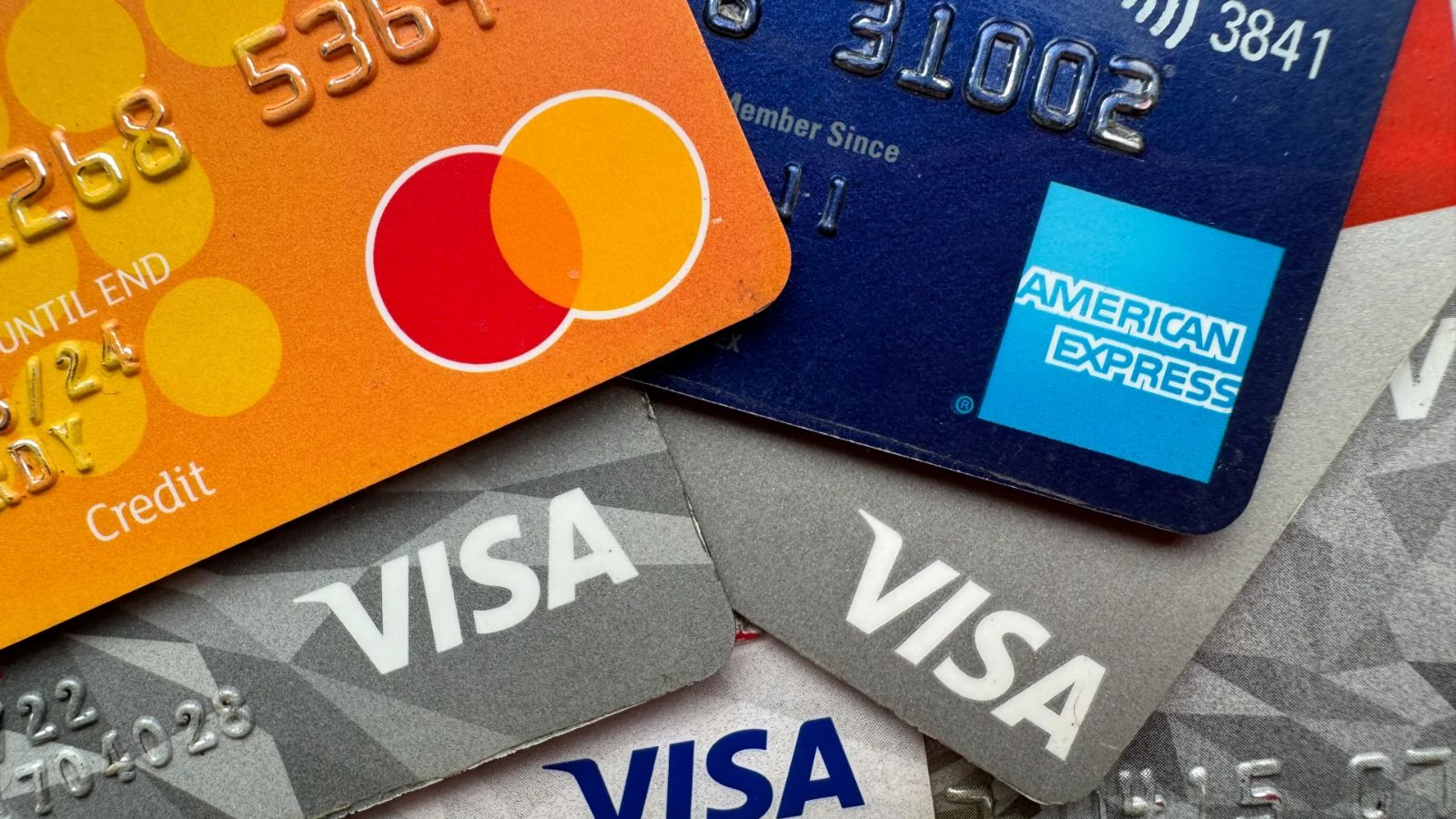
Credit cards can be a useful financial tool, especially when used responsibly. They help build credit, offer rewards, and provide financial flexibility. However, using credit cards for purchases you can’t afford or carrying high-interest debt can quickly spiral out of control and set you back financially.
“Credit cards are a great tool for managing money, but they should never be used as a way to buy things you can’t afford,” warns Mark Henry. The high interest rates on credit cards can result in debt that builds up quickly, making it difficult to escape the cycle. To avoid this, it’s essential to pay off your credit card balance in full each month and only charge what you know you can afford.
By managing your credit responsibly, you can avoid high-interest debt and build a stronger financial foundation, setting yourself up for long-term wealth accumulation.
Conclusion
The middle class faces numerous challenges when it comes to achieving financial success, but the good news is that small changes can lead to significant improvements. By eliminating unnecessary expenses—whether it’s buying a new car every few years or mindlessly subscribing to multiple services—you can redirect your money toward more productive investments.
Additionally, opting for higher-quality goods, resisting impulse buys, and using credit cards responsibly can pave the way to greater financial stability and wealth accumulation. It’s time to take a closer look at your spending habits and make intentional choices that will help you build the future you deserve.
The middle class doesn’t have to remain stuck; with the right approach to spending and saving, anyone can climb the ladder toward financial freedom.