6 Protein-Packed Vegetarian Foods to Elevate Your Plant-Based Meals
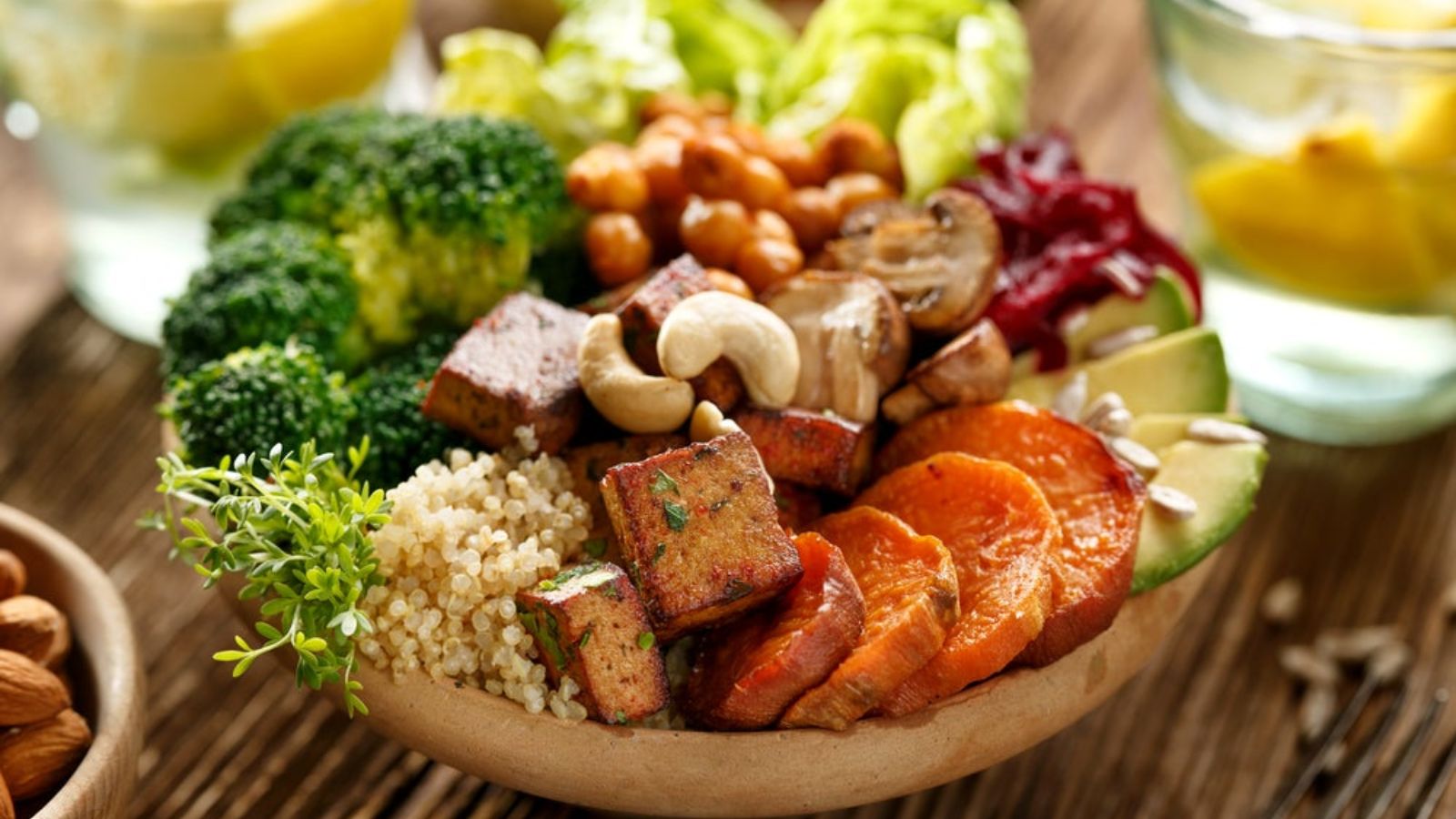
Navigating the world of plant-based eating often brings up one major question—how to get enough protein. It’s a common concern, but the good news is, the world of vegetarian protein is full of exciting possibilities. While some might think that protein-packed meals require meat, there’s an incredible variety of plant-based options that offer just as much, if not more, satisfaction.
These foods are not only nutritional powerhouses but also incredibly versatile, ready to be transformed into a range of flavorsome dishes. Curious about what high-protein vegetarian foods could be game-changers in your kitchen? Keep reading to discover some top picks that will surprise your taste buds and fuel your body.
Tofu
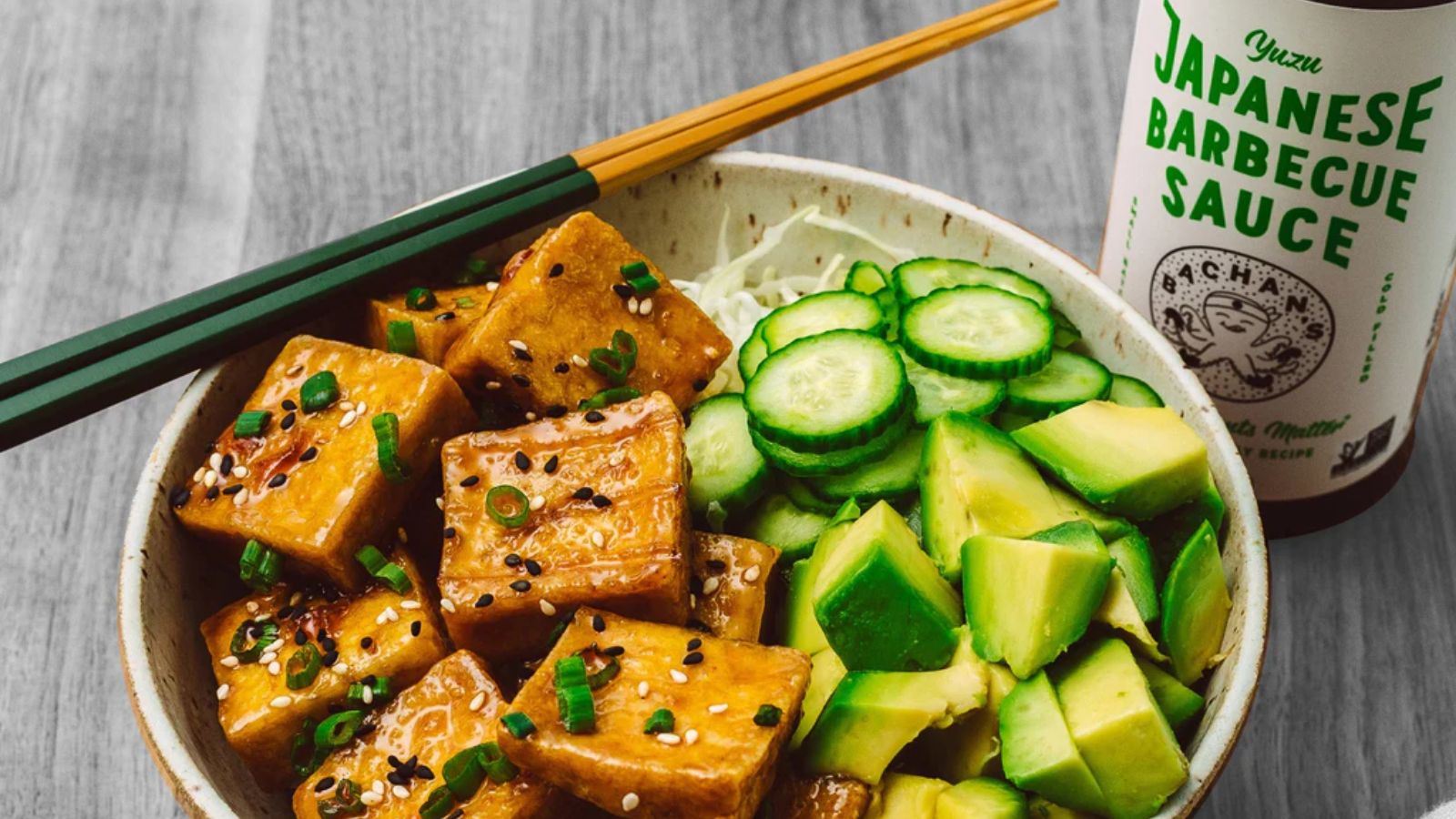
Tofu is often the first food that comes to mind when thinking about vegetarian protein sources, and for good reason. Made from soybeans, tofu is not only rich in protein, but it also boasts a variety of health benefits. A 100g serving of firm tofu packs an impressive 13.5g of protein, making it a great choice for anyone looking to boost their intake.
How to Use Tofu in Your Meals:
- Stir-fries: Tofu soaks up sauces and spices, making it a flavorful addition to stir-fried vegetables.
- Grilled: Marinate tofu in your favorite spices, then grill for a smoky flavor that’s perfect for sandwiches or salads.
- Smoothies: Believe it or not, silken tofu can make smoothies creamy while adding a protein boost.
Many people shy away from tofu because of its reputation for being bland, but the truth is, it’s a blank canvas waiting to be transformed into a delicious dish. With the right seasoning and preparation, tofu can become a star ingredient in any vegetarian meal.
Tempeh
Tempeh, another soy-based food, is an excellent alternative to tofu for those who want something with a heartier texture. Unlike tofu, which is made by coagulating soy milk, tempeh is made by fermenting whole soybeans.
This fermentation process not only increases the protein content but also provides beneficial probiotics for gut health. A 100g serving of tempeh contains around 18g of protein.
How to Use Tempeh:
- Tacos: Crumble tempeh and season it with taco spices for a vegetarian alternative to ground beef.
- Sandwiches: Slice tempeh thinly and fry until crispy for a protein-packed sandwich or wrap.
- Salads: Add tempeh cubes to salads for a boost of protein and crunch.
The nutty flavor and chewy texture of tempeh make it a versatile addition to many plant-based meals. Plus, its high protein and probiotic content make it an ideal choice for promoting digestive health.
Lentils
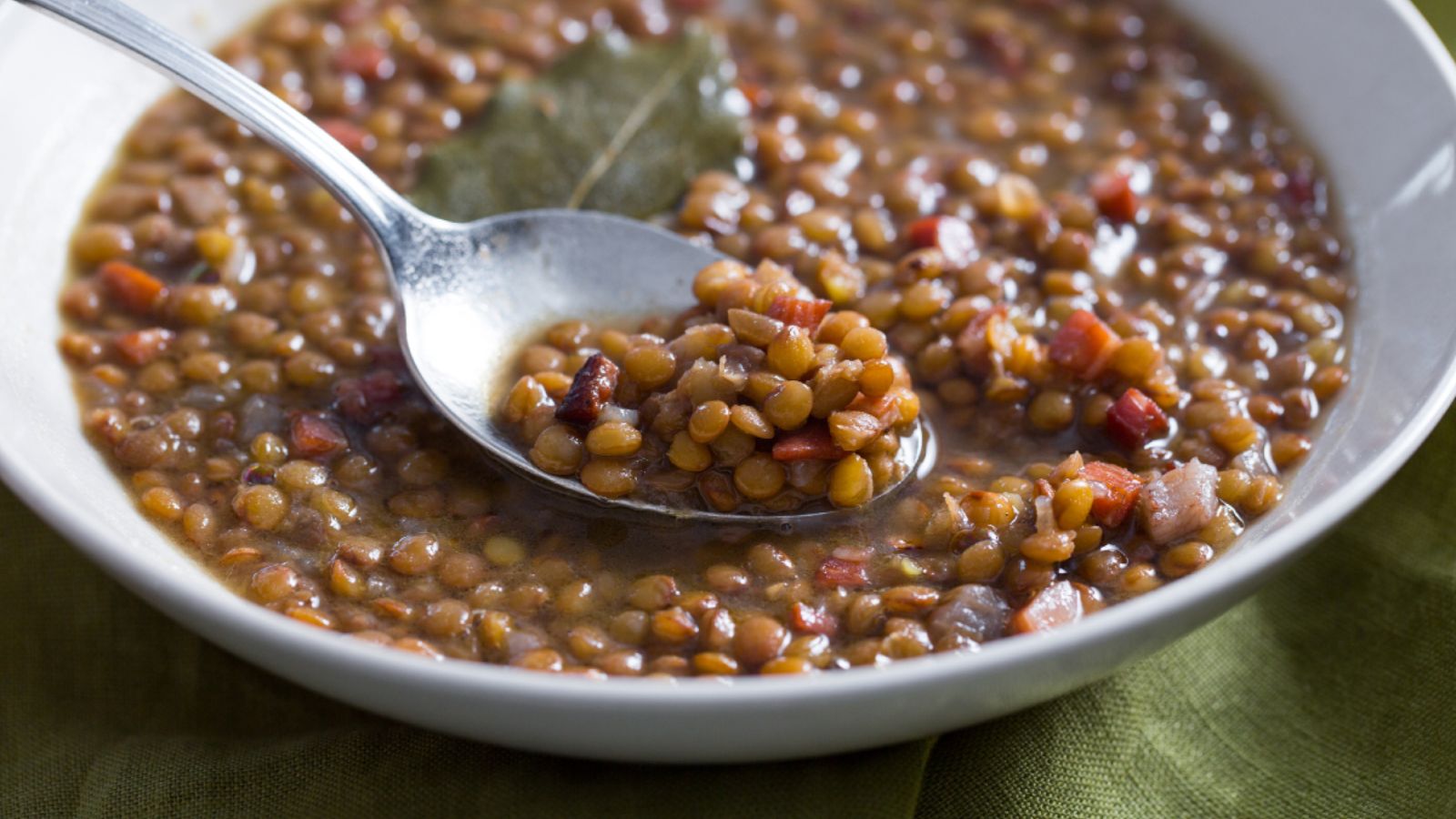
Lentils are among the most affordable and accessible protein sources. These tiny legumes are packed with nutrition, offering approximately 9g of protein per half-cup serving of cooked lentils. Not only are they a great source of protein, but they’re also high in fiber, iron, and folate, which makes them a powerhouse for overall health.
How to Use Lentils:
- Soups: Lentils add texture and protein. Their mild flavor allows them to blend seamlessly into both spicy and savory broths.
- Salads: Toss cooked lentils into salads for a filling and protein-packed option.
- Veggie Burgers: Combine lentils with breadcrumbs and spices to create a homemade vegetarian burger patty.
Whether you prefer green, brown, or red lentils, they all provide an excellent dose of plant-based protein and can be used in a variety of dishes. Plus, they cook relatively quickly, making them a convenient choice for busy days.
Quinoa
Quinoa is often touted as one of the few plant-based foods that provides a complete protein, meaning it contains all nine essential amino acids. A one-cup serving of cooked quinoa provides around 8g of protein. It’s also rich in fiber, iron, magnesium, and other vital nutrients, making it an ideal staple for any vegetarian diet.
How to Use Quinoa:
- Salads: Use quinoa as a base, mixing it with fresh vegetables, beans, and a light vinaigrette.
- Bowls: Create grain bowls with quinoa, roasted vegetables, and your choice of plant-based protein like tofu or tempeh.
- Breakfast: Cook quinoa in almond milk, then top with fruit and nuts for a hearty, protein-filled breakfast.
Quinoa’s nutty flavor and slightly chewy texture make it a versatile ingredient for both sweet and savory dishes. It’s an excellent way to diversify your grain intake while boosting protein intake.
Pumpkin Seeds

Pumpkin seeds, also known as pepitas, are small but mighty when it comes to protein content. Just a one-ounce serving (about 28g) of pumpkin seeds contains around 7g of protein. These seeds are also rich in magnesium, zinc, and healthy fats, offering a well-rounded nutritional profile that supports heart and bone health.
How to Use Pumpkin Seeds:
- Snacking: Enjoy pumpkin seeds, roasted or raw, for a quick protein boost.
- Salads: Sprinkle pumpkin seeds on top of salads for extra crunch and nutrition.
- Smoothies: Add 1 tablespoon of pumpkin seeds for a protein-packed boost.
Not only are pumpkin seeds an excellent source of plant-based protein, but their crunchy texture and mild flavor make them a great addition to many dishes. Keep a jar on hand for a quick, nutritious snack.
Chickpeas
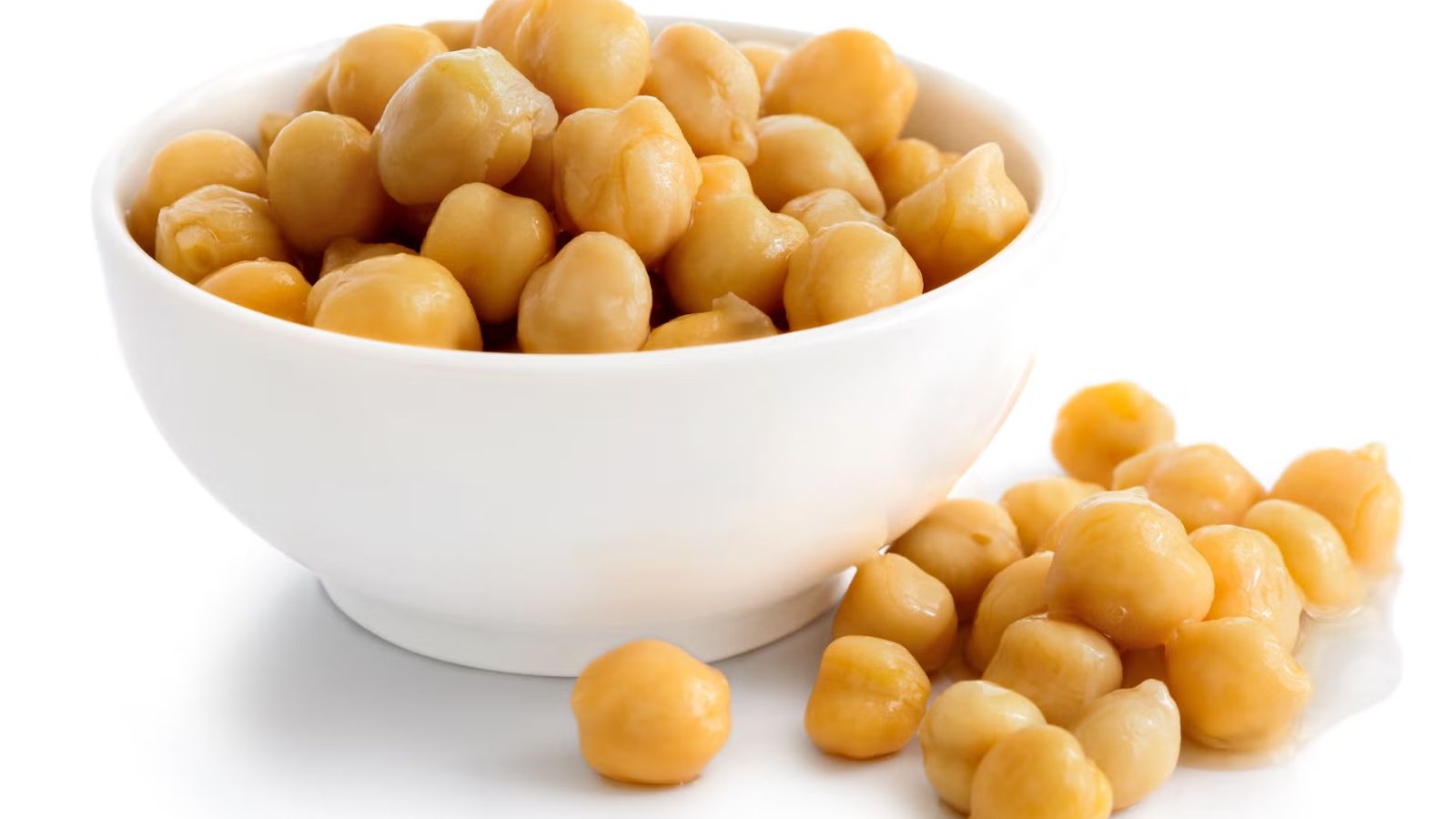
Chickpeas, or garbanzo beans, are another fantastic source of plant-based protein. A half-cup serving of cooked chickpeas provides around 7.5g of protein. These legumes are also high in fiber, making them great for digestion and overall gut health.
Whether you’re making hummus or adding them to salads, chickpeas are an essential ingredient for any vegetarian pantry.
How to Use Chickpeas:
- Hummus: Blend chickpeas with tahini, olive oil, and lemon juice for a creamy and protein-packed dip.
- Curries: Add chickpeas to curries for a filling and protein-rich dish.
- Roasted: Roast chickpeas in the oven with spices for a crunchy and healthy snack.
Chickpeas are highly versatile and can be incorporated into countless dishes, making them a go-to for any plant-based meal.
Key Takeaways
Finding plant-based sources of protein can feel like a challenge, but as we’ve explored, there are plenty of high-protein vegetarian foods to choose from. Whether you prefer the versatility of tofu, the probiotic benefits of tempeh, or the simple goodness of lentils and quinoa, there are options that will suit any taste and dietary preference.
Incorporating these protein-packed foods into your meals, you can easily meet your protein needs while enjoying delicious and nutritious dishes. The key to a balanced vegetarian diet is variety, so mix and match these foods to create satisfying meals that support your health.
With these high-protein vegetarian foods, you’ll not only fuel your body but also enjoy every bite. So go ahead—get creative in the kitchen and start experimenting with these protein-rich options today!
Read the original article on crafting your home