5 Protein Mistakes You Must Avoid for Kidney Health

Image Credit: galinkazhi via 123RF
Protein is undoubtedly a cornerstone of a healthy diet, hailed for its numerous benefits, from muscle growth to immune system support. But as with anything, balance is key. While protein plays a crucial role in our body’s function, overconsumption can have detrimental effects, especially on our kidneys.
If you’re aiming to keep your kidneys healthy while maximizing the benefits of protein, it’s vital to understand some common mistakes that could harm your kidneys. In this article, we explore five essential protein mistakes that you must avoid to ensure your kidneys stay in top shape.
Ignoring Pre-Existing Kidney Issues
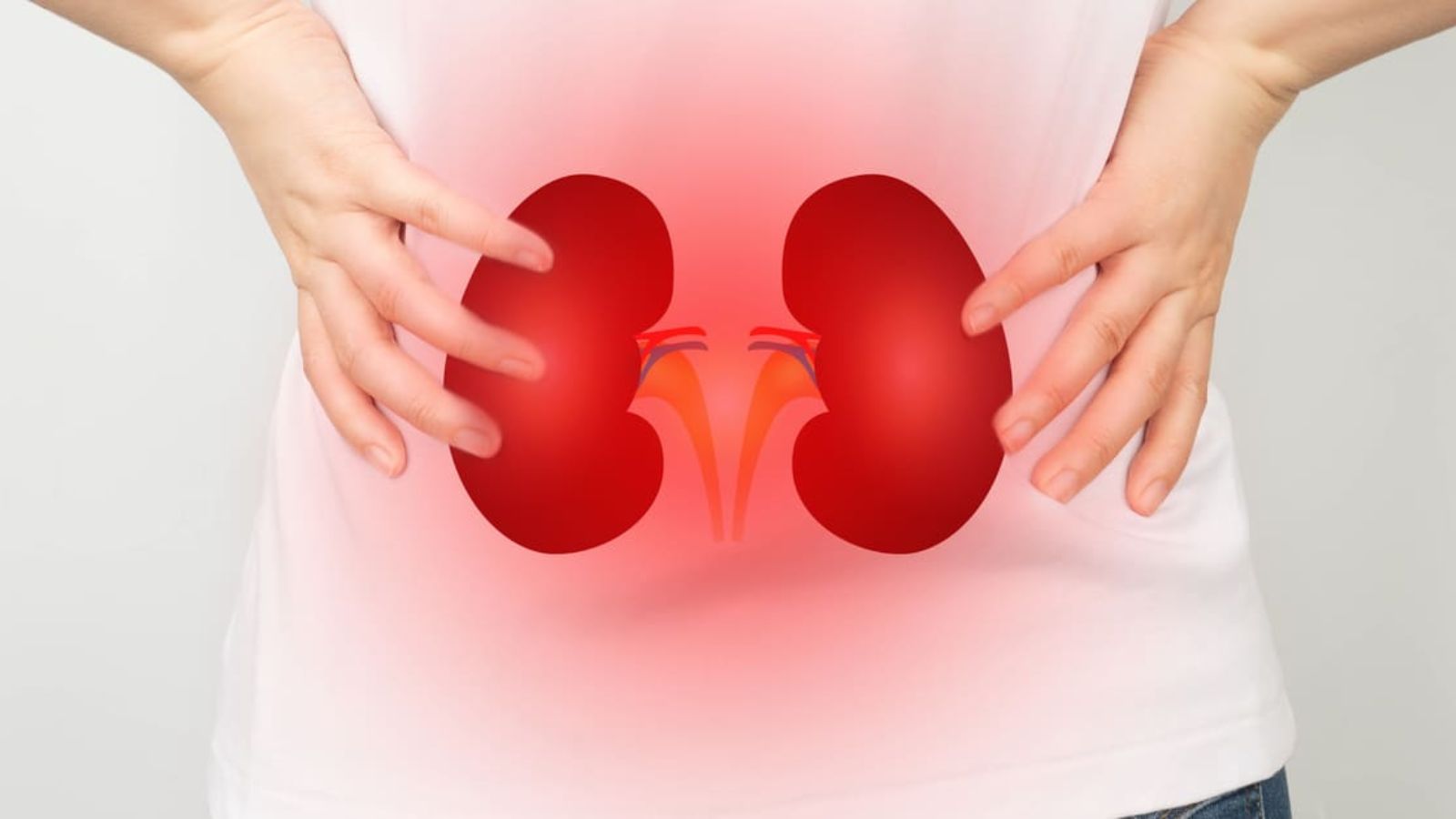
If you already have kidney issues or are at risk for kidney disease, consuming high levels of protein can accelerate the deterioration of kidney function. Individuals with kidney disease often require a controlled protein intake to prevent further kidney damage. In fact, doctors often recommend that people with kidney disease limit their protein intake to reduce the workload on their kidneys.
Those with chronic kidney disease (CKD) should work closely with their healthcare provider to determine a safe protein intake level that aligns with their kidney function. If you’re uncertain about your kidney function, it’s wise to get regular kidney health checkups, especially if you have risk factors like diabetes or hypertension.
Relying on Processed Protein Sources
In a world full of protein bars, shakes, and powders, it’s easy to fall into the trap of relying on processed protein sources. While convenient, these protein-rich products often come with hidden dangers that can affect kidney health. Many processed protein products are high in sodium, artificial additives, and preservatives, which can elevate blood pressure and increase kidney strain over time.
Additionally, many protein powders and shakes contain large amounts of sugar, which can contribute to obesity and diabetes — two primary risk factors for kidney disease. Instead of relying solely on processed sources, aim to incorporate whole, unprocessed protein-rich foods into your diet.
Options like lean meats, fish, eggs, dairy, legumes, and tofu are great for kidney health and provide your body with essential amino acids without the added artificial ingredients. The body absorbs whole food proteins more efficiently and with fewer risks than those found in highly processed products.
Consuming Too Much Animal-Based Protein

While animal-based proteins like meat, poultry, eggs, and dairy are excellent sources of high-quality protein, consuming them in excess can be detrimental to your kidney health. Animal proteins are higher in phosphorus and sulfur-containing amino acids, which, when metabolized, produce waste products that the kidneys must filter out.
A diet too rich in animal-based proteins can overload the kidneys, especially in individuals with pre-existing kidney conditions. Moreover, studies suggest that high intake of red meat and processed meats can contribute to kidney disease progression, particularly in people with hypertension or diabetes.
To minimize kidney damage, try to diversify your protein sources by including more plant-based options such as beans, lentils, quinoa, and soy. These alternatives are lower in phosphorus and gentler on your kidneys.
Ignoring Your Kidney’s Protein Metabolism Limits
Kidneys are the body’s primary detoxifiers, working around the clock to filter out waste, including byproducts from protein metabolism. However, there’s a limit to how much protein your kidneys can handle. Excessive protein intake forces the kidneys to work harder, and over time, this added strain can lead to kidney damage.
Many people mistakenly assume that more protein is always better, especially when aiming for muscle gain or weight loss. While athletes or those on specific diets may need more protein, for most individuals, the recommended daily intake of protein should suffice. Consuming far beyond that can overload your kidneys, leading to long-term damage. To keep your kidneys healthy, always aim to meet your protein needs based on factors like your age, sex, physical activity, and health status.
For example, a sedentary adult requires about 0.8 grams of protein per kilogram of body weight, while athletes or people engaging in intense exercise may need up to 1.2 to 2.0 grams per kilogram. Avoid going overboard, as excess protein can be counterproductive and harmful.
Forgetting About Hydration

Proper hydration is crucial when consuming higher amounts of protein. Protein metabolism generates nitrogen, which, if not properly filtered, can accumulate in the body and cause kidney stress. Drinking adequate water helps to flush out these byproducts and reduces the workload on your kidneys.
Many individuals fail to consider their hydration levels when increasing their protein intake, leading to dehydration. Dehydration can exacerbate the negative effects of excess protein and further strain your kidneys. To keep your kidneys functioning properly, aim to drink at least 8 cups (about 2 liters) of water a day, more if you consume higher levels of protein or engage in intense physical activity.
Staying hydrated not only supports kidney health but also helps your body efficiently metabolize and eliminate the byproducts of protein digestion.
Conclusion
Protein is undoubtedly a crucial nutrient for our bodies, but it’s essential to strike a balance between getting enough and overloading your kidneys. Avoiding these five common protein mistakes can significantly reduce the strain on your kidneys and help you maintain optimal kidney health.
Remember to choose high-quality, unprocessed protein sources, stay hydrated, and be mindful of your protein intake, especially if you have pre-existing kidney issues. By making these adjustments, you’ll not only be helping your kidneys but also supporting your overall health and well-being for years to come.