6 Places in Your Home You Should Never Use for Storage

Finding space to store all your things can sometimes feel like an endless puzzle. We all have that urge to utilize every available corner, whether it’s that forgotten drawer or the space beneath the sink. But some places in our homes, though they may seem like a perfect fit for extra storage, might actually be hiding dangers you’ve never considered.
It’s easy to overlook the risks, but what if certain storage spots in your home could be putting your belongings—and even your safety—on the line? The truth is, some of the most common storage locations are far from ideal. Let’s take a closer look at where these hidden hazards might be lurking and what you can do to avoid them.
Basement
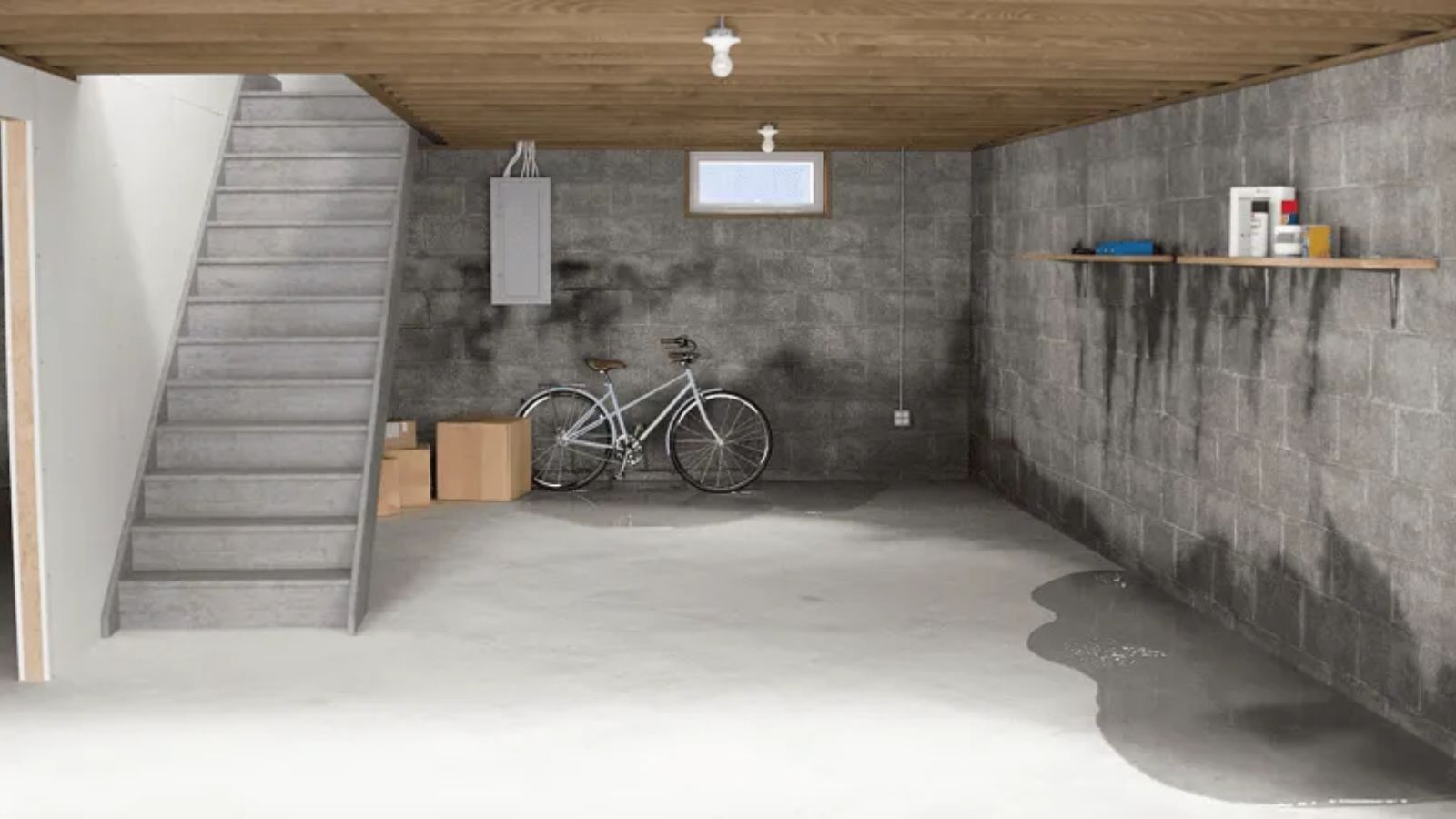
Basements are often the go-to location for long-term storage. They’re typically spacious and out of sight, making them seem like ideal places to stash seasonal decorations, old clothes, and other belongings you rarely need. However, basements are highly vulnerable to moisture and flooding, which could damage or ruin anything you store there. Plus, the risk of mold growth is high, especially when paper products or textiles are involved.
If you must use your basement for storage, consider investing in raised metal shelving. This will keep your items off the damp floor and give them better protection. Avoid storing anything sensitive to moisture, such as books, photos, or important documents. You may also want to install a dehumidifier to keep the air dry and reduce the chances of mold growth.
The Area Near Heat-Producing Appliances
It’s easy to overlook the importance of space around heat-producing appliances like radiators, space heaters, or water heaters. However, storing items near these appliances can be dangerous, as heat can ignite flammable materials like paper, plastic, or clothing. The danger isn’t just from fire; certain items can even melt, degrade, or off-gas when exposed to heat, putting both your home and health at risk.
Make sure to maintain a safe distance between your appliances and any storage. Clear out any boxes, clothing, or paper products that might accidentally come into contact with heat. Not only does this reduce fire risk, but it also allows easy access to appliances in case of an emergency, such as a gas leak or overheating.
Electrical Panels and Breaker Boxes
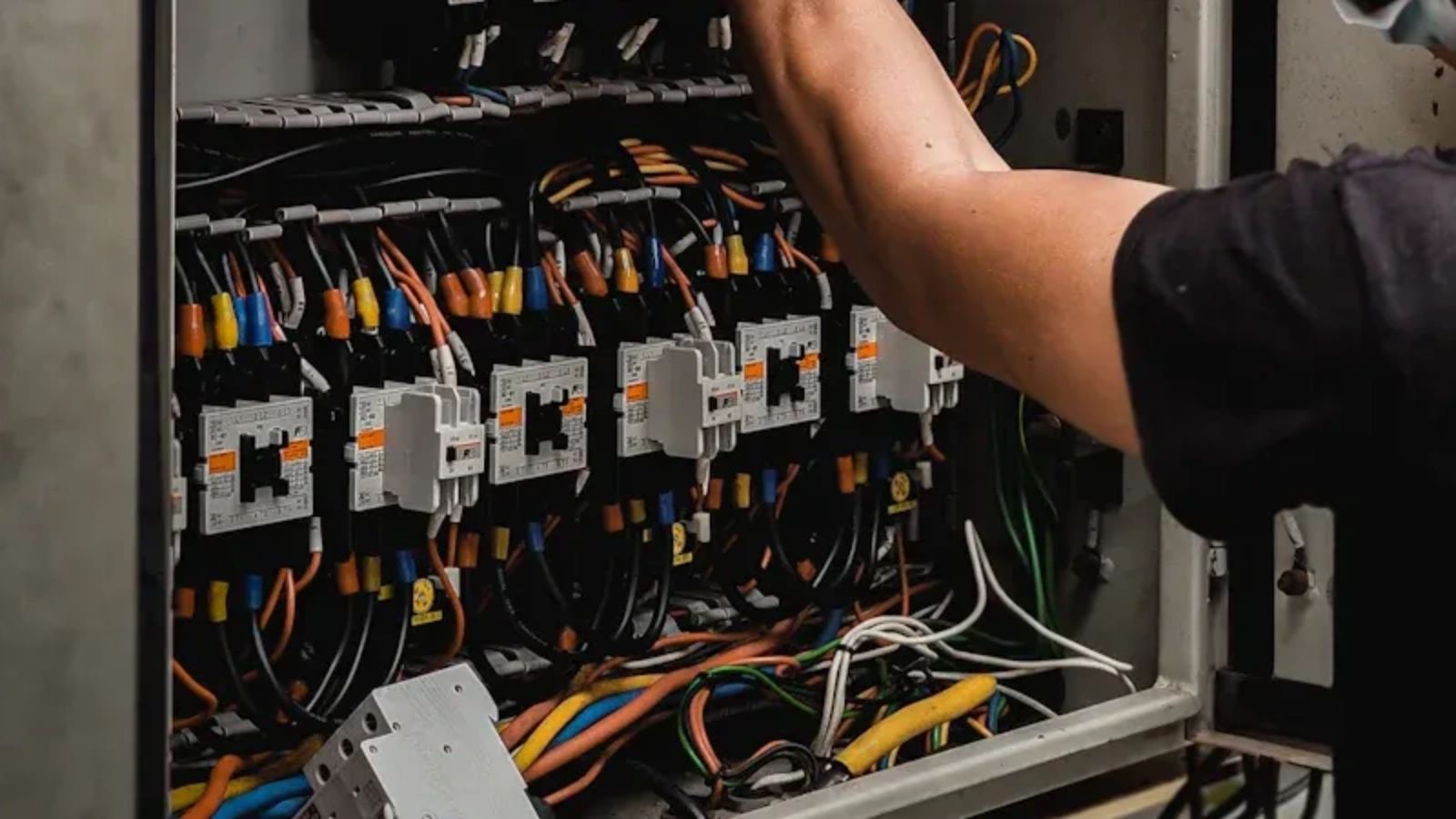
Electrical panels and breaker boxes are essential for controlling the power in your home, but they are often neglected or turned into storage spaces. Obstructing these areas with boxes, tools, or other items can delay response time during an electrical emergency, potentially making the difference between preventing an electrical fire or exacerbating it.
Codes require that electrical panels and breaker boxes remain clear at all times to allow for quick access during emergencies. It’s best to leave these areas completely open, with nothing obstructing the panels. Storing items around them could not only be dangerous but also illegal in some jurisdictions.
Utility Rooms
Utility rooms house essential equipment like water heaters, furnaces, electrical wiring, and even chemicals. While it may seem convenient to store cleaning supplies, tools, or extra paper goods here, the presence of flammable materials alongside heat-producing devices can pose a fire risk.
Keep utility rooms as clear as possible. If you must store items, place them away from any ignition sources. Be mindful that storing flammable or combustible materials in these spaces may violate fire safety codes.
Egress Routes

The entryway, hallways, and other exit routes in your home may seem like convenient places to stash shoes, coats, or bags. However, blocking these areas can significantly delay evacuation in an emergency. In the event of a fire, for example, storing items near doors or in hallways can create trip hazards or make it harder to exit quickly.
Always keep exit paths clear and unobstructed. In homes without mudrooms, use shoe racks, coat hooks, and organized entryway furniture to keep your belongings off the floor and out of the way. This will not only make your space safer but will also help you maintain an organized, clutter-free home.
On Top of Tall Storage Units

Storing items on top of tall storage units might seem like a practical way to use unused vertical space, but it comes with significant risks. First, over-stacking items can make them more prone to falling, especially if you’re reaching for something on top. Furthermore, anything stored overhead can be forgotten, gathering dust and becoming a safety hazard if it’s too high to retrieve safely.
It’s best to avoid using the top of tall storage units altogether. Instead, use accessible shelves that are within your reach. If you must store items overhead, make sure they are well-secured, not too heavy, and placed in such a way that they won’t fall off easily.
Conclusion
Storing items in your home might seem harmless, but some areas are simply not suitable for this purpose. Not only can it create safety hazards, but it can also damage your belongings and hinder emergency responses in case of a disaster. Keeping basements, egress routes, utility rooms, and areas near heat sources or electrical panels clear is essential for maintaining a safe living environment.
Instead of turning these high-risk areas into storage spaces, consider organizing your home with better solutions. Invest in storage furniture, declutter regularly, and focus on creating accessible, safe spaces that allow your home to remain both functional and safe.
By taking a few simple precautions, you can ensure your home is free from hidden dangers and stay prepared for any emergencies that may arise. Remember, safety should always come first—even in the quest for extra storage.
Read the original article on crafting your home