8 Outdated Trends That Will Vanish with the Baby Boomers

Image Credit: aletia via 123RF Photos
The Baby Boomer generation was once the heart of innovation and change, but as time marches forward, many of their once-celebrated habits and tools are falling by the wayside. With technology advancing at an exponential rate, what was once the cutting edge is now becoming obsolete. The things that defined Baby Boomers’ daily lives are increasingly irrelevant to younger generations, who have embraced more modern alternatives.
Phone Books
Phone books, once a staple in every home, are now considered outdated. With the advent of the internet and search engines like Google, it is no longer necessary to flip through a bulky phone book to find contact information. In fact, many people under the age of 30 have never even seen a phone book, and the environmental impact of printing these massive books has led to their gradual disappearance.
Landline Phones
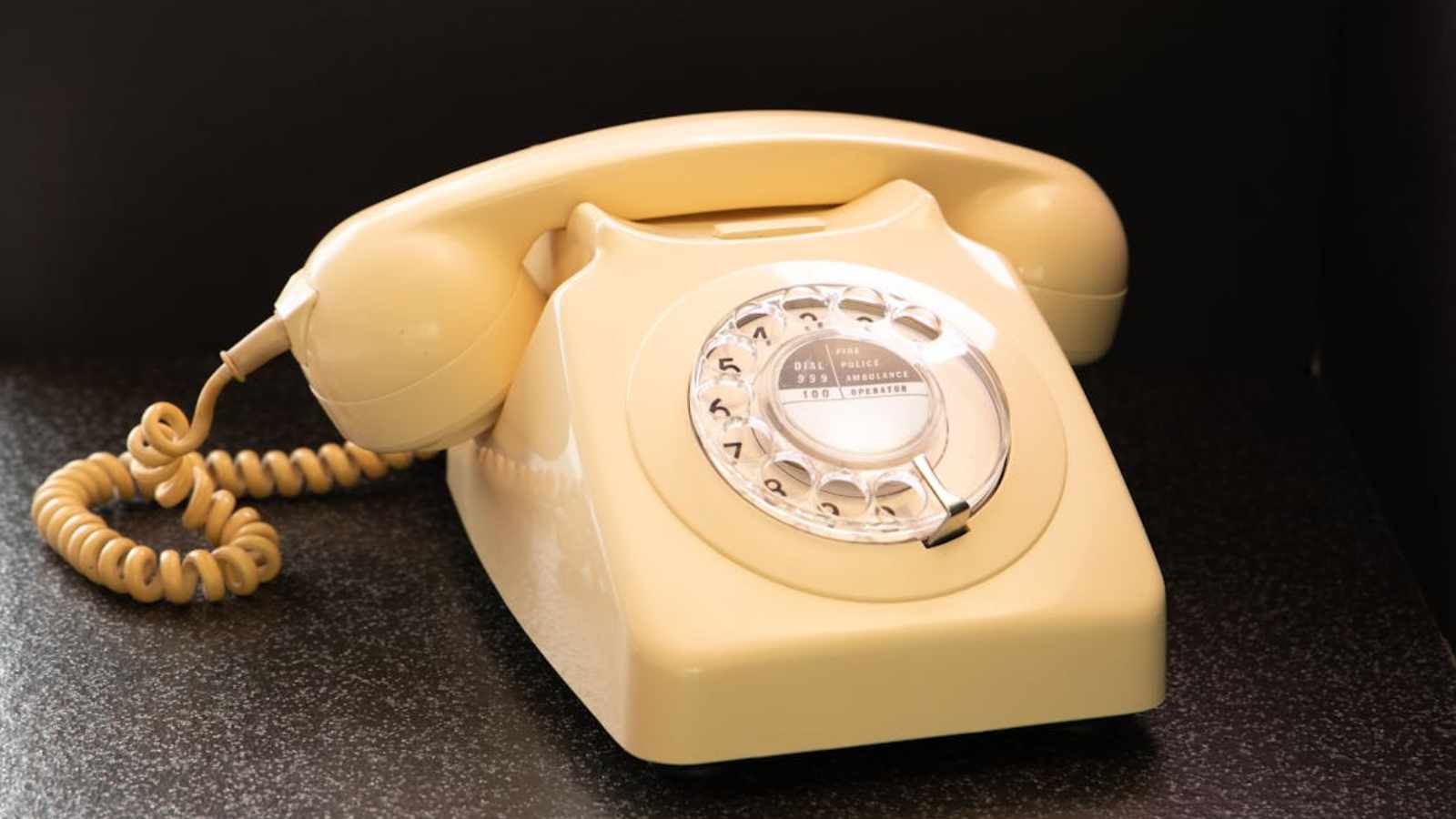
Landline phones were once the lifeblood of communication. Every household had one, and it was nearly impossible to function without it. Fast forward to today, and the landline has become a rarity. In its place, mobile phones offer far greater flexibility, allowing us to communicate instantly from anywhere.
The rise of smartphones has made traditional telephones obsolete. As younger generations opt for the convenience of mobile connectivity, landline phones are slowly but surely fading into history.
Manual Cars
Driving a manual transmission car was once considered an essential skill. Today, however, manual cars are becoming increasingly rare. Automatic transmissions have become the standard in modern vehicles, offering a more convenient and comfortable driving experience, especially in traffic. The rise of electric vehicles (EVs) has also contributed to the decline of manual transmissions, as many EVs don’t even have gears.
Writing Checks
In the past, writing checks was a standard practice for paying bills, groceries, and even rent. But as the world moves toward a cashless society, writing checks is becoming a thing of the past. Today, mobile apps, credit cards, and online banking services offer far more efficient ways to transfer money and manage finances. Many businesses no longer accept checks, and banks are encouraging customers to embrace digital payments for convenience and security.
Encyclopedias

Before the internet, encyclopedias were the go-to source for knowledge. Families would often invest in expensive multi-volume sets to have a comprehensive resource for learning. Today, the internet has replaced encyclopedias, offering instant access to limitless information. Wikipedia, Google, and other online databases have made the need for printed encyclopedias virtually obsolete.
Fax Machines
Once a staple in offices, fax machines were the go-to for sending documents over long distances. The screeching sound of a fax machine connecting is a noise that many people would rather forget. Today, emails, cloud storage, and digital signatures have made fax machines obsolete. Some industries, such as healthcare and government, still rely on fax machines, but are transitioning to more secure and efficient digital methods.
Carbon Paper
Before the age of photocopiers and scanners, carbon paper was the tool of choice for creating duplicate copies of documents. Today, however, digital technologies have made carbon paper obsolete. Scanners, printers, and cloud storage offer far more efficient and environmentally friendly ways to store and share documents.
Paper Maps

Before the age of smartphones, paper maps were an essential tool for navigating the open road. While they certainly had their charm, they were also cumbersome and difficult to use, especially during long road trips. Today, GPS navigation and Google Maps have rendered paper maps nearly obsolete. With real-time updates and turn-by-turn directions, digital navigation tools have made road trips easier and less stressful.
Key Takeaways
As the Baby Boomer generation continues to age, many of their once-popular habits, tools, and technologies will become a distant memory. Technology and convenience are shaping the future, and as a result, we are witnessing the disappearance of trends that once defined an entire generation. Some of these outdated practices may be fondly remembered, but the world is moving forward, and these relics of the past are fading into obscurity.