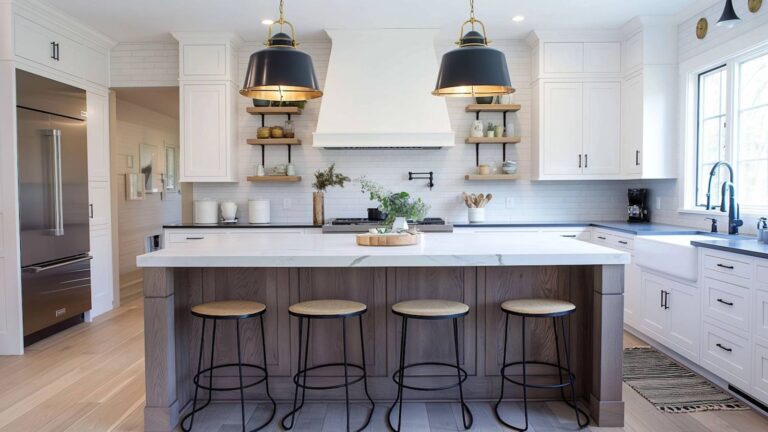
6 Outdated Home Trends That Secretly Hurt Your Property Value
In the current housing market, first impressions, perceived maintenance, and trend-alignment carry substantial weight in determining a property’s market value. A 2024 “Cost vs. Value” report found that certain exterior updates, such as replacing a garage door or installing a steel entry door, yielded returns of nearly 190% of cost at resale.
Home renovation by the National Association of REALTORS® shows more caution: many upgrades deliver only 50-70% cost recoupment, meaning that whether value is gained depends heavily on which updates are done and how they align with buyer expectations.
While buyers are increasingly looking for homes that feel “move-in ready” and up-to-date, any design feature that appears out-of-date or in need of replacement can undermine the property’s appeal and asking price. For sellers or homeowners thinking ahead, this means that overlooking obsolete design trends is not just an aesthetic issue—it’s a financial risk. Here are six home-design trends that were once popular but today can act as hidden “drag factors” on your property’s value.
Popcorn Ceilings and Textured Walls
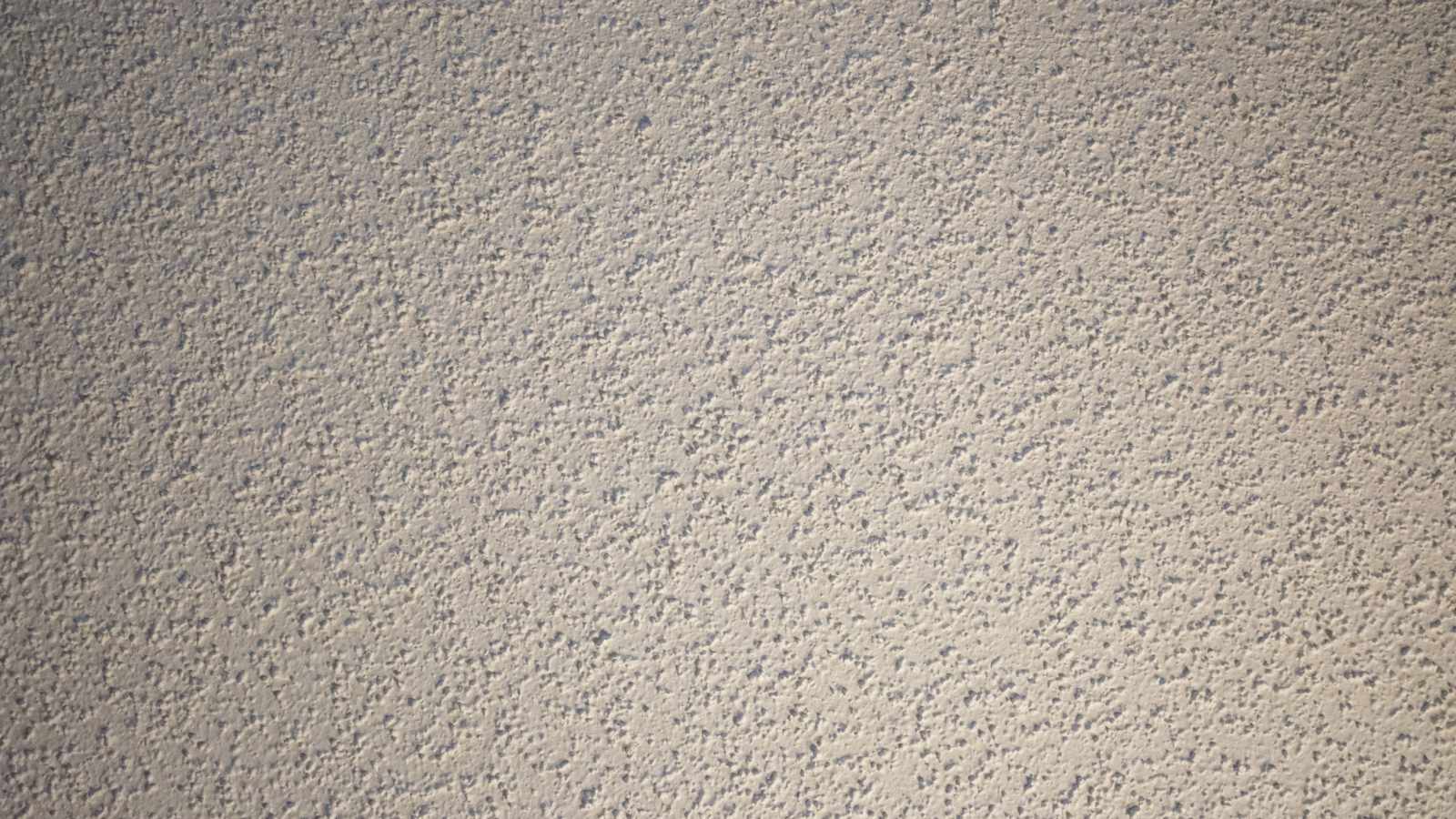
Once common in mid-20th-century homes, popcorn ceilings and heavy wall textures now send up red flags for many buyers. They are viewed as outdated and, in older homes, may even suggest health risks (like asbestos). Country Creek Builders noted that local real-estate professionals in certain markets estimate that popcorn ceilings reduce a home’s value by “$10,000-$25,000 depending on size and market”.
From a buyer’s viewpoint, textured ceilings can feel dated, create uneven lighting, and suggest further hidden costs. If your ceiling still has that heavy “popcorn” texture, smoothing it out can be a smart value-boosting move.
Wall-to-Wall Carpeting

Two decades ago, carpeting throughout the home was standard. Today, hard surface flooring (hardwood, luxury vinyl, or tile) is strongly preferred by many buyers. The HomeLight survey states that refinishing hardwood floors yielded a 147% cost recovery (i.e., increased resale value relative to cost), and installing new wood floors yielded a 118% cost recovery.
If your home still features old, worn-out carpet in the main living areas, it may be dragging your property value down, either because buyers will subtract the renovation cost or walk away.
Replace carpet with a hard surface in the main rooms, or at a minimum, clean/refresh the bedroom carpets.
Dark Interiors and Heavy Window Treatments
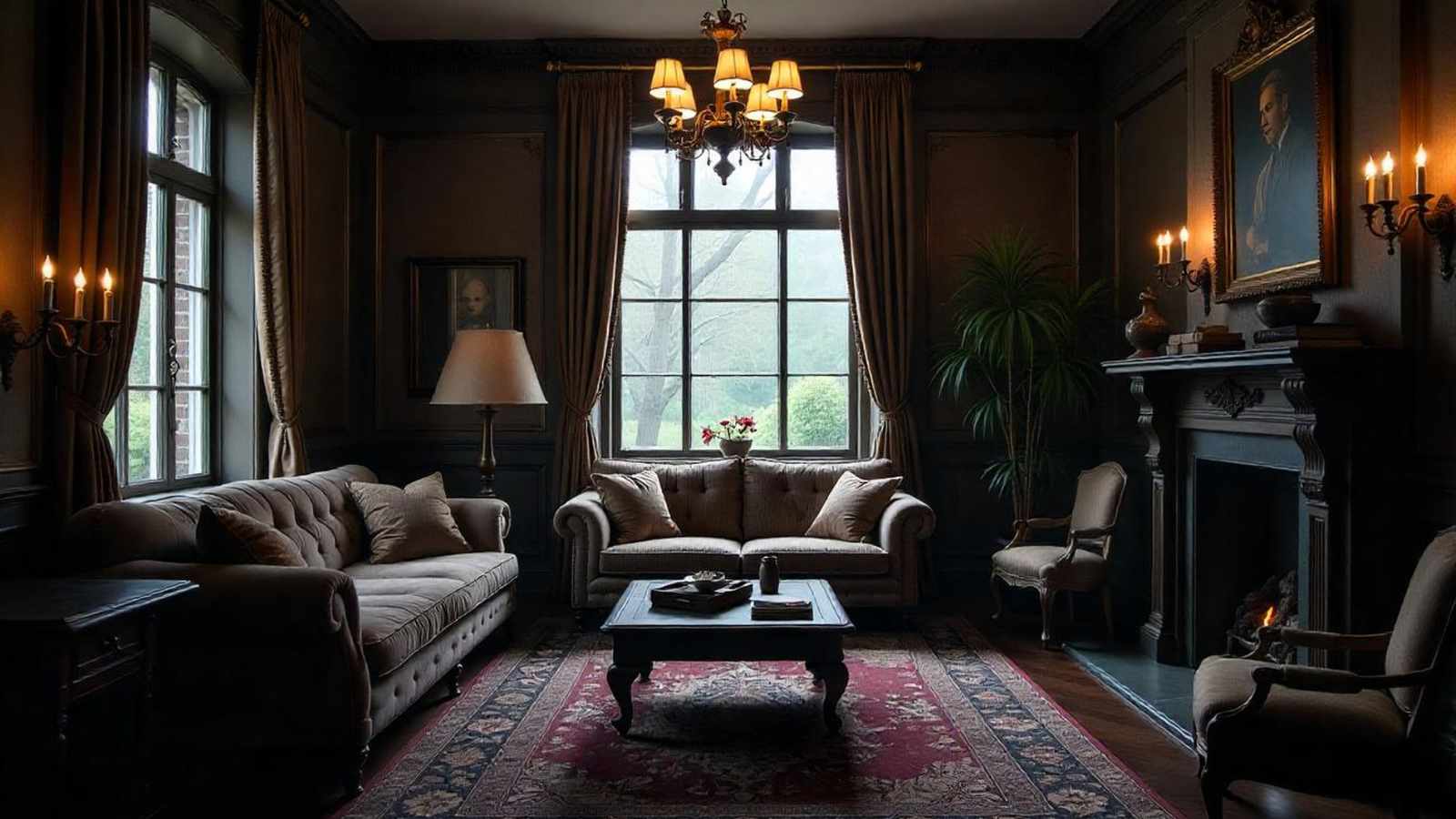
Bright, airy homes are increasingly valued. Dark interiors and heavy window treatments (e.g., heavy drapes, deep wood tones, low lighting) are now seen as less desirable. They can make rooms feel smaller, dated, or in need of an update. When natural light cannot flow freely or is blocked by heavy coverings, the home may appear less modern or less inviting, which buyers interpret as a larger “fix-up”.
Removing heavy drapes, opting for light window treatments, maximizing natural light, and using brighter paint tones help the home feel more current and, therefore, more appealing.
Bold Bathroom Colors and Vintage Fixtures
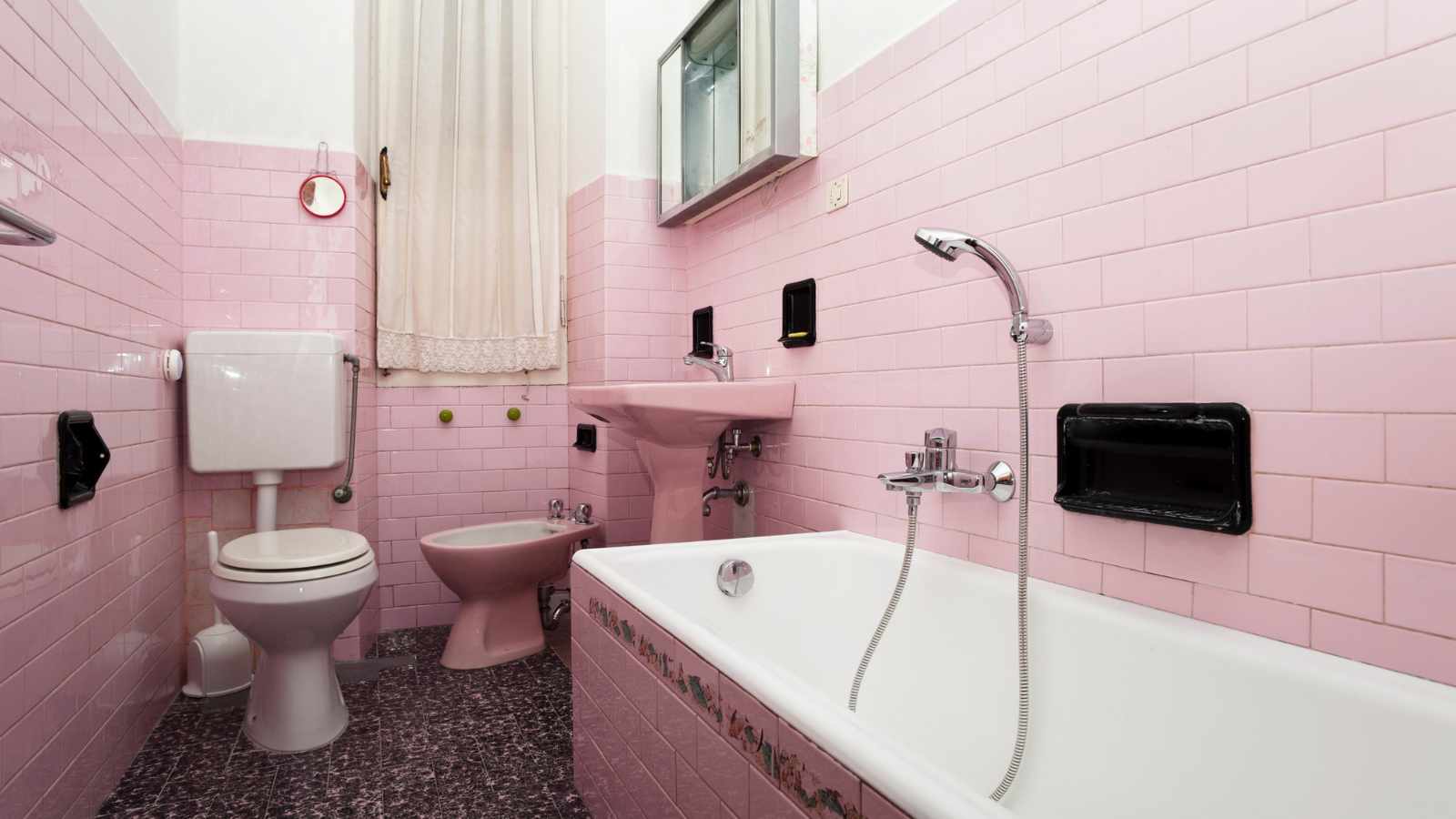
Bathrooms are among the most scrutinised rooms by buyers because they are expensive to renovate. Old pastel tiles, bold color schemes (e.g., pink/green), vintage faucets, and bulky fixtures now signal to buyers that a bathroom update is likely required. The cost and hassle of that update get reflected in offers.
When a bathroom still has outdated finishes, buyers may subtract budget for re‐tiling, replacing fixtures, upgrading plumbing, or redesigning the layout. The Block Renovation market report shows that bathroom remodels are among the higher-ROI updates.
If you’re preparing to sell, consider updating key finishes (neutral tiles, chrome/matte-black fixtures), replacing dated lighting, and choosing a neutral palette. These changes help make the space feel move-in-ready and address a core buyer concern.
Outdated Kitchens — Granite & Cherry Cabinets
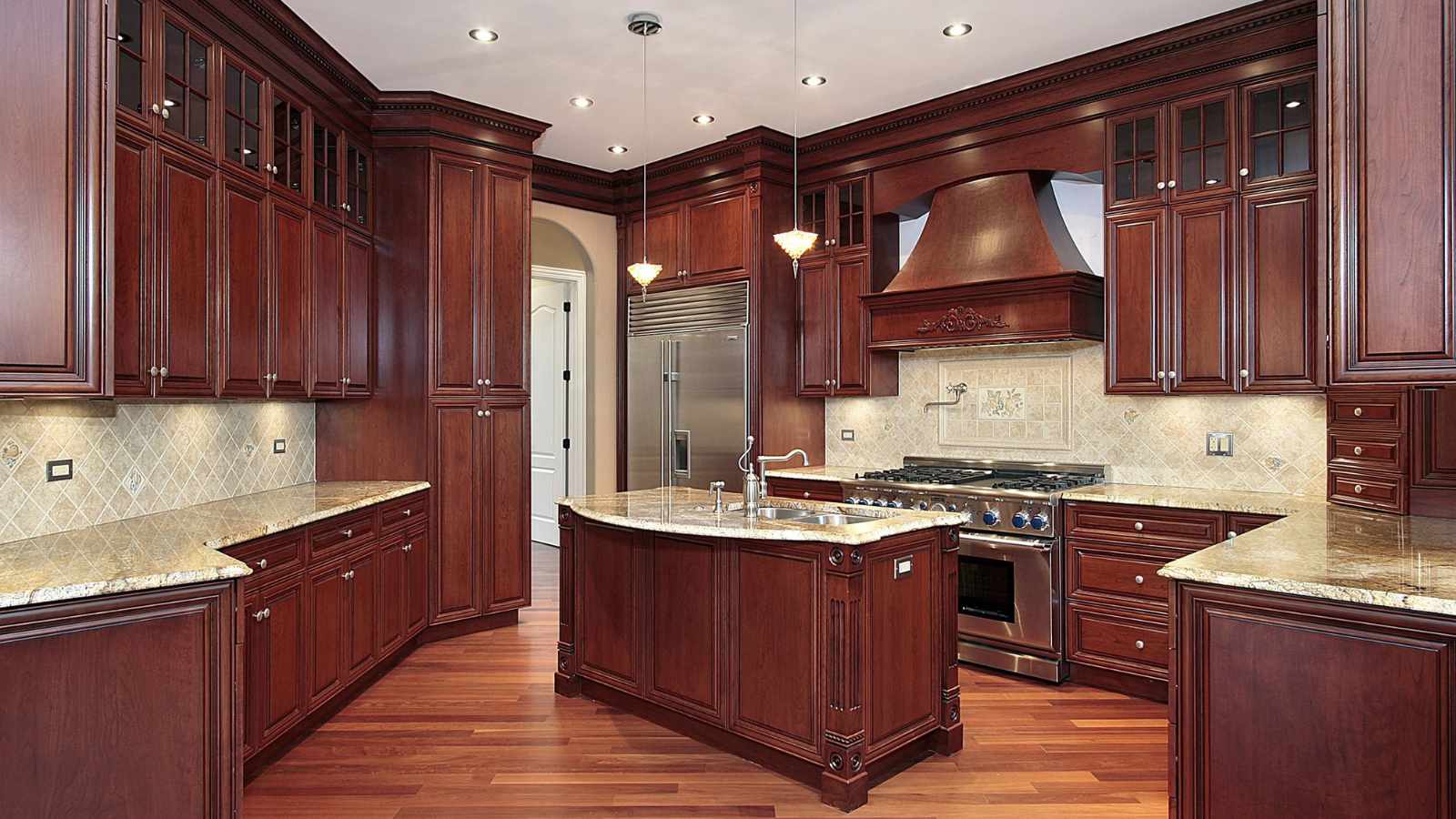
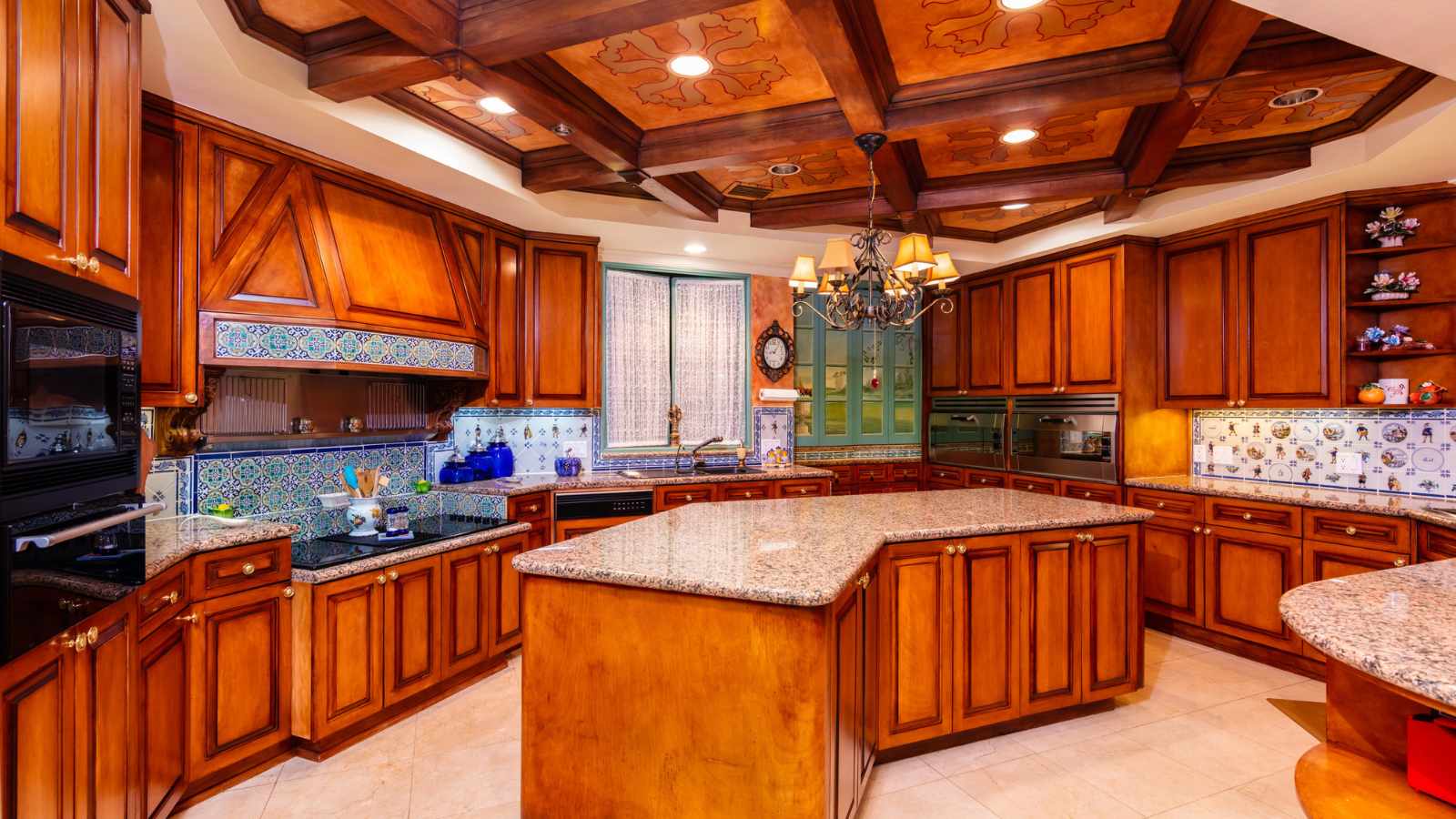
The Block Renovation states that kitchen remodels are high on the “what buyers want” list in 2025. If your kitchen still features heavy cherry cabinetry, dark counters, or a cluttered layout, it may reduce your property’s perceived value as buyers anticipate the cost of modernization.
Refinishing or painting cabinets in lighter tones, replacing countertops with quartz or engineered stone, and opening up the layout where feasible, help bolster appeal and can help preserve value.
Overly Open Floor Plans
Modernization Strategies: Updating Without Overspending
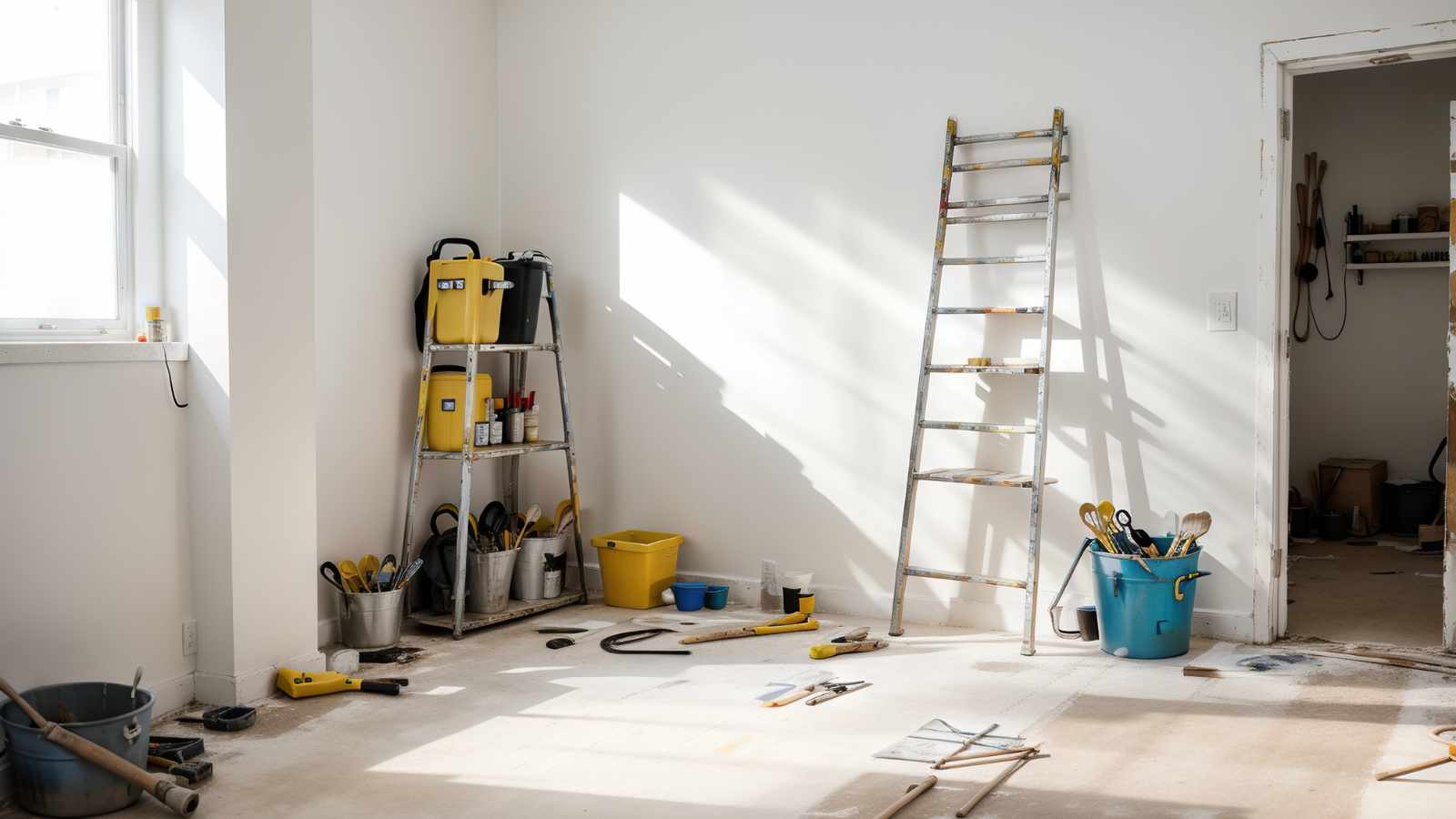
How do you update smartly and cost-effectively?
- Focus on high-visibility areas: entry, living room, kitchen, and main bathroom. These rooms give the first impression and therefore drive buyer perception.
- Prioritize cosmetic upgrades to modernize finishes: paint, lighting, hardware, and fixtures. These often provide high ROI. From Bay Area Design and Construction, some exterior door or garage door replacements have ROIs above 100%.
- Address major dated items that signal deferred maintenance: old popcorn ceilings, extremely worn carpet, dated kitchen counters. Removing these “deal-breaker signals” can prevent buyers from discounting your price.
- Choose neutral, broadly appealing palettes and materials: light flooring in main areas, smooth ceilings, neutral tile, and surfaces. These reduce the chance of a buyer subtracting value for future updates.
- Consult a local real estate professional: regional buyer taste varies. What counts as “dated” in one market may not in another. Local advice helps identify which updates matter most in your area.
Key Takeaways

Read the original article on Crafting Your Home