6 Once Ridiculed Inventions That We Now Use Every Day

Image Credit: danielt1994 via 123RF
Human creativity knows no bounds. The list of visionary inventors who have shaped the course of history is both extensive and captivating, with each story offering its own unique insights. However, there are lesser-known but equally compelling tales of inventors who, working independently, developed strikingly similar innovations around the same time.
For instance, the debate over who truly invented the first electronic television — Philo Farnsworth or Vladimir Zworykin — remains a subject of legal and historical contention, with Farnsworth legally credited for the invention, though the argument endures to this day. Yet, not all inventions have had the same profound impact on society. Some creations, though ingenious in their own right, have failed to resonate or remain relevant over time.
These inventions, often perceived as peculiar or even absurd, quickly fade into obscurity. However, a few remarkable examples have defied expectations, gaining enduring success despite, or perhaps as a result of, the mockery and skepticism they initially faced.
The Telephone

The telephone, one of the most transformative inventions in human history, was initially rejected as a useless novelty. Alexander Graham Bell’s invention faced significant resistance, especially from Western Union, a leading telegraph company of the time. Bell’s telephone was dismissed as a “toy,” with no foreseeable commercial value.
However, this “toy” would go on to connect the world in ways unimaginable at the time. The concept of instant voice communication across long distances was so revolutionary that it was difficult for many to comprehend its potential. In the decades following its invention, the telephone evolved from a landline system into the mobile phones and smartphones that we rely on today.
The telephone has become a cornerstone of global communication, with billions of people using it daily to connect with one another, conduct business, and access the vast expanse of information available at the touch of a button.
The Electric Light Bulb

Thomas Edison’s invention of the electric light bulb was initially met with skepticism and fear. At the time, gas lamps were the norm, and despite their frequent safety hazards, they were widely considered the reliable option. When Edison first demonstrated his light bulb, critics dismissed it as “fragile” and “dangerous,” warning that it would never replace the established gas lamps.
Despite this criticism, Edison’s perseverance paid off, and electric lighting soon became a standard in homes and businesses worldwide. The invention of the light bulb was not just about creating a new source of light; it fundamentally altered how humans interact with the world.
It enabled longer workdays, boosted productivity, and created the framework for the modern electrical grid. Today, it is difficult to imagine life without the bright glow of electric lights.
The Airplane
One of the most profound examples of mockery preceding monumental success is the story of the airplane. When the Wright brothers, Orville and Wilbur, first demonstrated powered flight in 1903, many experts believed human flight was an impossible dream. Critics scoffed, declaring that it was “impractical” and “unsafe.”
The idea that machines could fly through the air seemed so absurd that one scientific journal even proclaimed it would take “a million years” before humans would be able to fly. Yet, within decades, airplanes became a central part of the global transportation network.
Today, aviation is a multi-billion-dollar industry, with over 100,000 commercial flights operating worldwide every day, carrying millions of passengers. Airplanes have connected the world in ways that were once the stuff of fantasy.
The Automobile
The automobile, when it first emerged in the late 19th century, was met with fierce resistance. Many believed that nothing could ever be faster or more reliable than a horse-drawn carriage. In Britain, the so-called “Red Flag Act” required a person to walk in front of every car, waving a red flag to warn pedestrians of the approaching vehicle.
Despite this opposition, cars soon became a staple of daily life. The widespread adoption of the automobile changed the way people traveled, worked, and lived. It gave rise to a new era of urbanization, transformed the global economy, and allowed individuals to travel long distances with ease. Today, cars are essential to modern life, and daily commuting without them seems unimaginable.
Computers
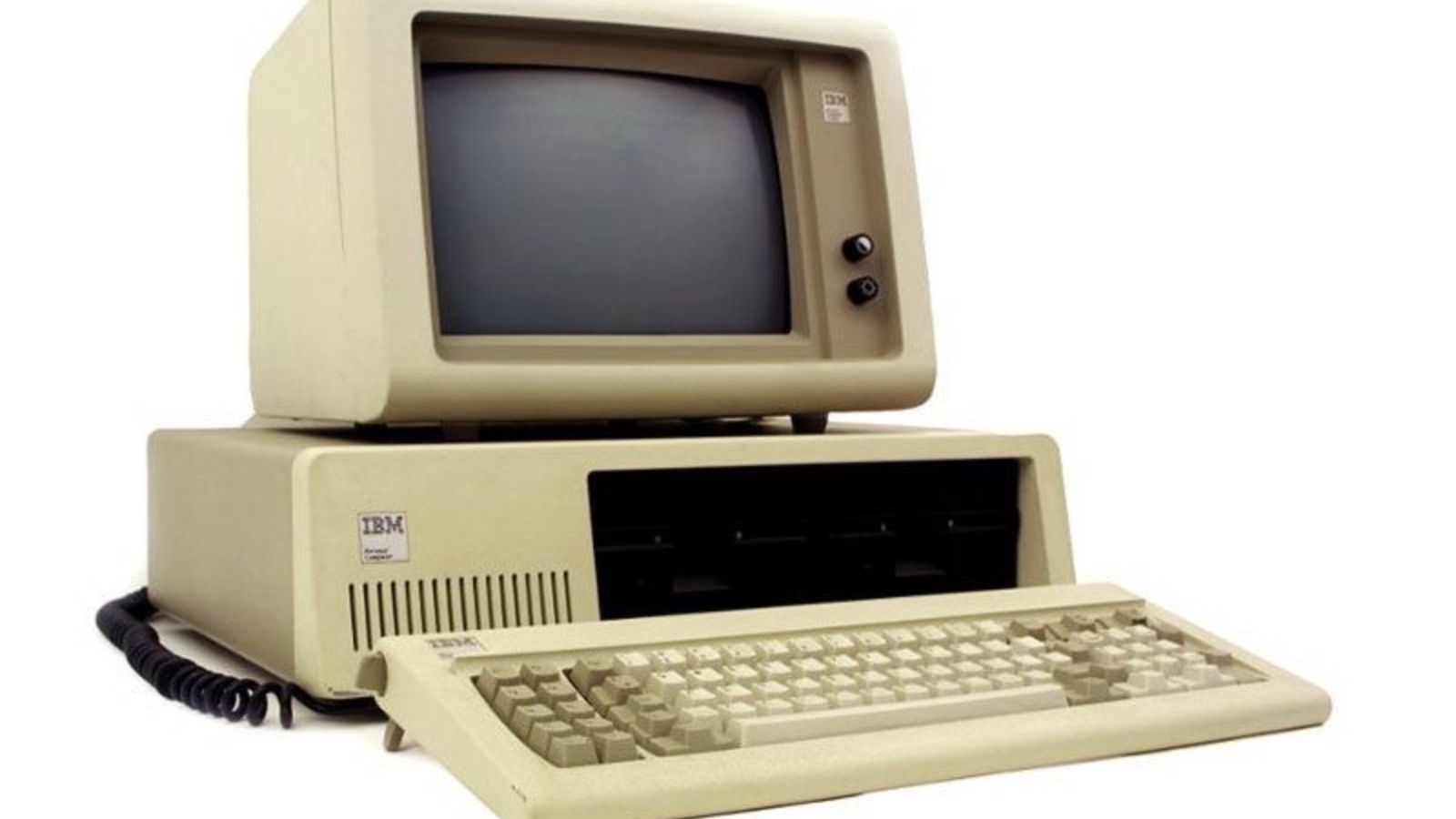
In the 1940s and 1950s, when computers were first introduced, critics famously claimed that the world would never need more than four or five computers. These early computers were bulky, expensive, and impractical, and many saw no use for them outside of specialized applications like government or military work. However, as technology advanced, computers became smaller, more powerful, and increasingly essential to daily life.
With the advent of the personal computer and the internet, computers evolved into tools that fit in our pockets. Today, they are ubiquitous, shaping everything from business and education to entertainment and communication. What was once dismissed as impractical has become the backbone of modern society.
The Internet
The internet’s humble beginnings in the 1960s and 1970s were not as a public resource but as a military and academic tool. When ARPANET, the precursor to the internet, was developed, it was viewed by many as a technology with limited use. There was widespread belief that the internet was “not for the public,” and that ordinary people had no need for such a complex and specialized network.
Fast forward a few decades, and the internet has completely transformed how we live, work, and communicate. It has opened the doors to information, education, entertainment, and commerce, creating a global marketplace where ideas and services flow freely. Today, billions of people rely on the internet for work, socializing, and accessing information, and it is nearly impossible to imagine a world without it.
Key Takeaways
These eight inventions demonstrate a powerful truth: innovation often faces significant resistance before it can transform the world. What was once dismissed as unnecessary, impractical, or absurd has, over time, become integral to our daily lives. The persistence of the inventors and the gradual acceptance of their ideas remind us that progress is often met with skepticism and doubt.
Each of these innovations started as something new, something that challenged the status quo. Despite the ridicule they faced, they proved that the world is always ready for change. By continuing to push the boundaries of what is possible, these inventors have left a legacy that reshapes the future, proving that, in the end, doubt is often the precursor to true genius.