

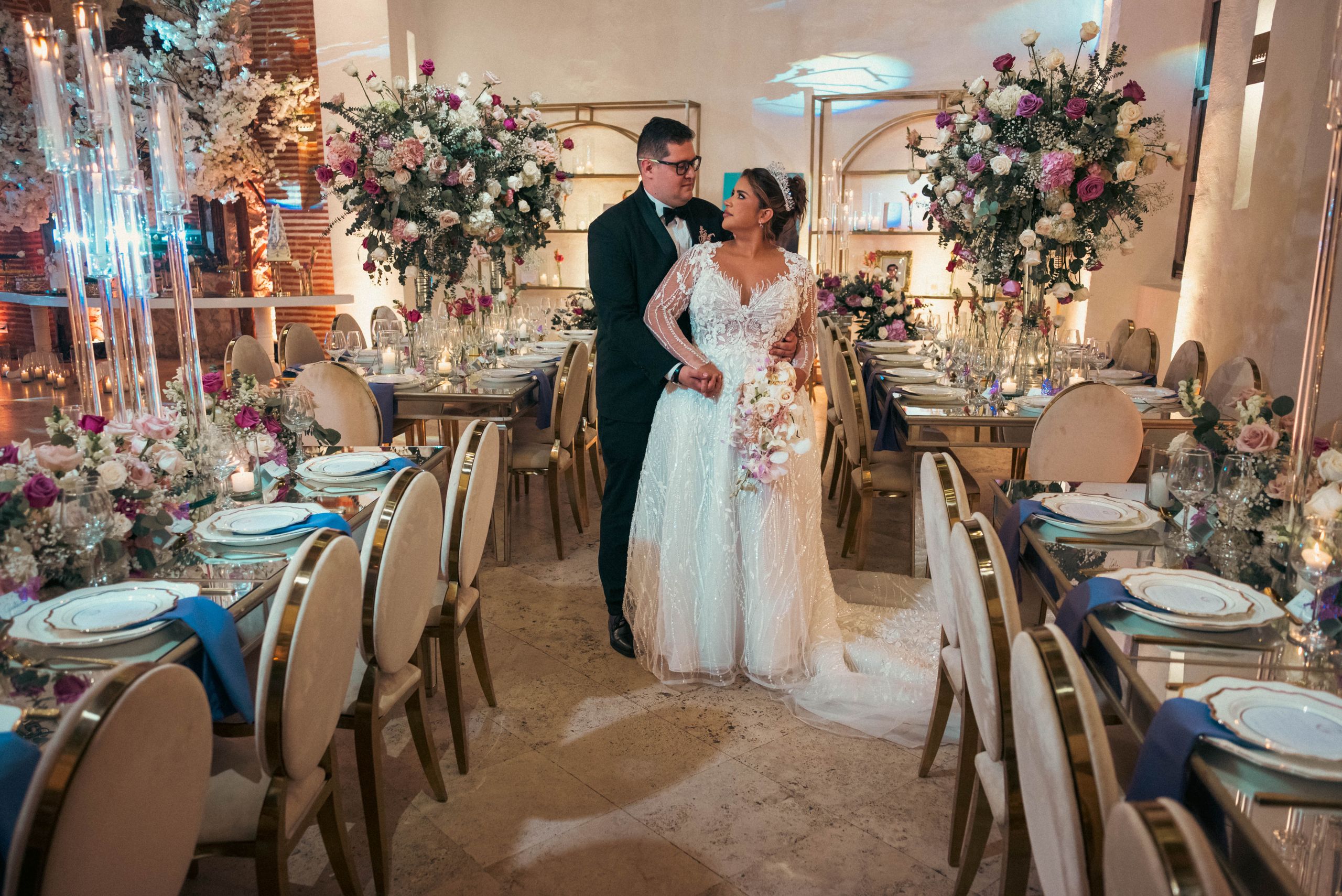
For many American couples, the dream wedding is starting to feel less like a celebration and more like a financial test. We are no longer talking about a few thousand dollars for a nice venue, a dress, food, photos, and music.
We are talking about wedding bills that can rival the cost of a new car, a down payment, a year of rent in some cities, or the emergency savings many families are still trying to build. The numbers show that weddings have become one of the clearest examples of how love, culture, family expectations, inflation, and social pressure can collide in one very expensive day.
The United States remains one of the countries where couples spend the most on weddings, with recent estimates putting the average American wedding in the low- to mid-$30,000 range. That figure matters because it does not sit in a vacuum.
It lands at a time when many households are already watching grocery prices, housing costs, credit card balances, insurance premiums, and rent increases with a tighter grip on their monthly budgets.
For couples planning a wedding, the question is no longer just “How beautiful can we make the day?” It is also “How much of our future are we willing to spend before the marriage even begins?”
The Countries Spending the Most Show How Expensive Marriage Has Become

Across the world, wedding spending tells a bigger story than romance alone. Countries such as the United States, the United Kingdom, Spain, Italy, Canada, India, Japan, China, Nigeria, and Australia are often cited as places where weddings can become major financial events.
The exact averages vary by source, year, region, guest count, and cultural tradition, but the pattern is clear.
In wealthier countries, vendor costs, venue demand, catering prices, photography, décor, and guest expectations drive up wedding budgets. In countries with large family-centered wedding traditions, the pressure can stem from multi-day celebrations, enormous guest lists, religious ceremonies, traditional attire, gold jewelry, entertainment, and extended-family participation.
That is why a wedding in the U.S. can look expensive for one reason, while a wedding in India, Nigeria, China, or Italy can become expensive for a different reason.
In America, costs often climb due to venues, catering, photography, music, florals, and the desire for a polished guest experience. In India, the cost can rise through several days of events, hundreds of guests, luxury fashion, family rituals, and hospitality.
In Italy, wedding spending is often shaped by destination venues, historic villas, regional food, wine, and tourism-driven demand. In Japan, formal ceremonies and carefully planned receptions can carry major costs even with smaller guest counts.
These differences matter because they show that wedding spending is not just about income. It is also about what a culture expects a wedding to prove.
Why U.S. Couples Are Under So Much Pressure
For American couples, the wedding bill often arrives before other major life milestones are secure. We are seeing many young adults delay buying homes, carry student loan debt, pay high rent, and deal with childcare concerns before they even reach the wedding-planning stage.
A $30,000 to $36,000 wedding can quickly become a difficult trade-off. That money could cover months of rent in many cities, help pay down credit card debt, fund a reliable used car, support a relocation, or go toward a down payment on a home.
When wedding spending rises, the emotional pressure does not disappear. It simply gets added to the financial pressure.
The guest list is one of the biggest budget drivers. A wedding with 50 guests and a wedding with 150 guests are not the same financial event, even if the couple chooses the same colors, music, and flowers. Each extra guest can mean another chair, another meal, another drink package, another invitation, another favor, and another layer of service.
That is why the “big wedding” can become expensive long before couples choose luxury upgrades. Even a simple reception can become costly when the guest count grows, especially in states or cities where venue and catering prices are already high.
The Venue and Catering Bill Is Where Many Budgets Break
When couples first start planning, they often focus on the dress, the flowers, the photographer, and the overall look of the day. But the biggest financial hit usually comes from the venue and catering. In many markets, the venue is not just a room.
It can include rental fees, service charges, required vendors, staffing, insurance, security, setup fees, cleanup fees, bar minimums, food minimums, and weekend premiums. A Saturday wedding during peak season can cost much more than a weekday or off-season event, even before the couple adds décor.
Catering can be just as powerful. Feeding 100 or more people is not a small expense, especially when couples add cocktail hour, plated meals, late-night snacks, dessert tables, open bars, champagne toasts, and specialty menus.
Food and drink often carry emotional weight because couples want guests to feel cared for. Nobody wants relatives whispering that the wedding looked beautiful, but the food was forgettable.
That social pressure can quietly push couples into upgraded menus, better bar packages, and extra service touches that make the day feel generous but leave the invoice looking heavier than expected.
The Global Wedding Boom Also Helps Local Businesses
The cost of weddings is not only a problem for couples. It is also income for a large network of local businesses. Every wedding supports venues, caterers, photographers, videographers, florists, bakers, DJs, bands, makeup artists, hair stylists, decorators, rental companies, stationers, dress shops, tailors, hotels, transportation providers, and travel workers.
In many communities, wedding season is a serious economic engine. A busy wedding calendar can help a rural barn venue, a downtown hotel, a family-owned bakery, or a local photographer stay profitable.
That is the complicated part. High wedding spending can strain households, but it can also keep small businesses alive.
When couples cut guest lists or opt for cheaper ceremonies, some vendors feel the impact. When couples spend more, families feel it. We are looking at a market where one person’s financial burden can become another person’s paycheck.
That tension is one reason wedding-cost stories matter for local readers. The issue is not simply that weddings are “too expensive.” The deeper issue is that wedding money moves through the local economy while also forcing couples and families to make harder choices.
How Social Media Changed the Wedding Budget
A generation ago, many wedding expectations came from family traditions, bridal magazines, church communities, and local customs.
Now, couples plan under the constant shadow of social media. We see picture-perfect tablescapes, cinematic proposal videos, luxury floral arches, choreographed first dances, destination welcome parties, designer gowns, personalized signage, and reception exits that look like movie scenes. That visual culture can make a normal wedding feel too plain before the couple has even booked a venue.
The pressure is subtle but powerful. Couples may say they want something simple, then spend months seeing online examples that redefine “simple” upward. A “small” floral arrangement becomes a full ceremony installation.
A basic cake becomes a custom dessert table. A photographer becomes a photo-and-video team. A reception becomes a weekend experience. Social media did not create expensive weddings on its own, but it changed what many people believe a wedding should look like. That shift has real financial consequences.
Why the Numbers Matter for Families, Not Just Couples
Wedding spending often reaches beyond the two people getting married. Parents, grandparents, siblings, and close relatives may help pay for the event. In some families, that help is freely given. In others, it comes with expectations, guest-list demands, cultural obligations, or quiet resentment.
A couple may want an intimate ceremony, but family pressure can turn the day into a larger event. A parent may want to help but may also be managing retirement savings, medical bills, mortgage payments, or support for younger children.
This is where the wedding budget becomes a family budget issue. When families contribute thousands of dollars, that money may come from savings, credit cards, home equity, personal loans, or delayed personal plans.
A wedding can bring joy, but it can also expose financial stress that has been sitting just under the surface. That is why the most expensive wedding countries are not just interesting trivia. They show how marriage celebrations can become public displays of family resources, status, love, and sacrifice.
The Shift Toward Smaller Weddings Is a Financial Warning Sign
More couples are responding to high costs by choosing smaller weddings, courthouse ceremonies, micro weddings, backyard receptions, weekday events, brunch weddings, restaurant dinners, destination elopements, or delayed celebrations.
That shift is not just a style trend. It is a financial signal. Couples are trying to protect their future while still honoring the moment. We are seeing more people ask whether the traditional large wedding still makes sense when housing, rent, childcare, healthcare, and travel costs are already so high.
Smaller weddings can create breathing room. Cutting the guest list from 150 to 75 can significantly affect the budget. Choosing a restaurant instead of a traditional venue can reduce rental complexity. Hosting a Sunday brunch can lower food and alcohol costs.
Skipping certain extras can free up money for photography, family travel, or savings. These choices do not make a wedding less meaningful. They may make it more honest, especially for couples who do not want to begin married life with debt from a single day.
What Happens Next for Wedding Spending
Wedding costs are likely to remain a major pressure point because the forces behind them have not disappeared. Venue costs are still tied to real estate, labor, insurance, food prices, utilities, and demand. Catering costs are still tied to ingredients, staffing, transportation, and service expectations.
Photography, florals, entertainment, and beauty services are still shaped by labor costs and market competition. Unless those expenses drop meaningfully, couples will continue to face tough choices.
The next step for many couples will be sharper budgeting before making emotional decisions. More people are likely to ask for transparent pricing, compare local vendors earlier, limit guest counts, avoid peak Saturdays, choose all-inclusive packages, and separate “must-haves” from “nice-to-haves.”
We may also see more families talk openly about money before deposits are paid. That conversation can feel uncomfortable, but it is far better than discovering too late that the dream day has turned into a financial strain.
Why This Matters Beyond the Wedding Day
The countries that spend the most on weddings reveal a simple truth. Love may be personal, but weddings are economic events. They reflect culture, family pride, local business strength, social media pressure, and the cost of living.
In the U.S., that reality hits especially hard because couples are planning celebrations in a moment when many people already feel stretched. A beautiful wedding can still be worth it, but the price tag deserves honesty.
We should not treat wedding costs as just luxury spending or a harmless tradition. For many families, the decision to spend tens of thousands of dollars affects savings, debt, housing plans, travel, family relationships, and the first years of marriage.
The real question is not whether couples should celebrate. They should. The real question is whether the celebration still serves the couple, or whether the couple is being pushed to serve the celebration.