6 Myths That Mislead Women About Their Health

Image Credit: stylephotographs/freepik Photos
Women’s health is a topic that has been clouded with myths and misconceptions for generations. From unsubstantiated fears about underwire bras causing cancer to false beliefs about pregnancy and fertility, the misinformation surrounding women’s well-being can be overwhelming.
These myths, often perpetuated by well-meaning friends, media, and even outdated medical advice, can leave women confused and, at times, anxious about their health. The challenge is not just identifying these myths, but understanding how to distinguish fact from fiction in a world where health advice is everywhere. In this article, we’ll explore some of the most common myths about women’s health, peeling back the layers of misinformation to reveal the truth.
Whether it’s heart disease, pregnancy risks, or the effectiveness of common health treatments, the facts might surprise you. By understanding the real science behind these myths, you can take control of your health in a more informed and empowered way. Let’s set the record straight—together.
Heart Disease Affects Only Men

For years, heart disease has been depicted as a man’s problem. When we think of a heart attack, we often picture a middle-aged man clutching his chest. But that’s a dangerous myth. In fact, heart disease is a leading cause of death for women, with nearly 1 out of 3 women dying from cardiovascular conditions. What’s even more alarming is that many women are unaware of their risk.
Women’s symptoms of heart disease can differ from men’s, and they are often subtler, including nausea, shortness of breath, or extreme fatigue. These signs can be brushed off as stress or simply not feeling well, making it harder to recognize a life-threatening issue. Educating yourself about heart disease and its symptoms is essential, especially since women are often less likely to receive a timely diagnosis than men.
Underwire Bras Do Not Cause Breast Cancer
A persistent myth is that wearing underwire bras can lead to breast cancer. This idea has been perpetuated by various sources, but the reality is much more straightforward. There is no scientific evidence to support a link between underwire bras and breast cancer. One of the few studies that explored this issue found no significant difference in breast cancer risk between women who wore bras and those who didn’t.
The confusion likely arises from the observation that women who are heavier, and therefore may have larger breasts, are more likely to wear bras, and that obesity itself is a known risk factor for breast cancer. The real culprits are other lifestyle factors, such as diet, exercise, and family history—not the choice of undergarment.
You Can Get Breast Cancer Even Without a Family History
Many women believe that if there’s no history of breast cancer in their family, they don’t need to worry. This is a dangerous myth. While a family history can increase your risk, the majority of women diagnosed with breast cancer have no family history of the disease. In Singapore, about 1 in 20 women will develop breast cancer in their lifetime, regardless of family history.
This myth encourages complacency, leading some women to neglect regular screenings and self-examinations. It’s vital to understand that everyone is at risk, and early detection is key to successful treatment.
Morning Sickness Can Happen Anytime, Not Just in the Morning
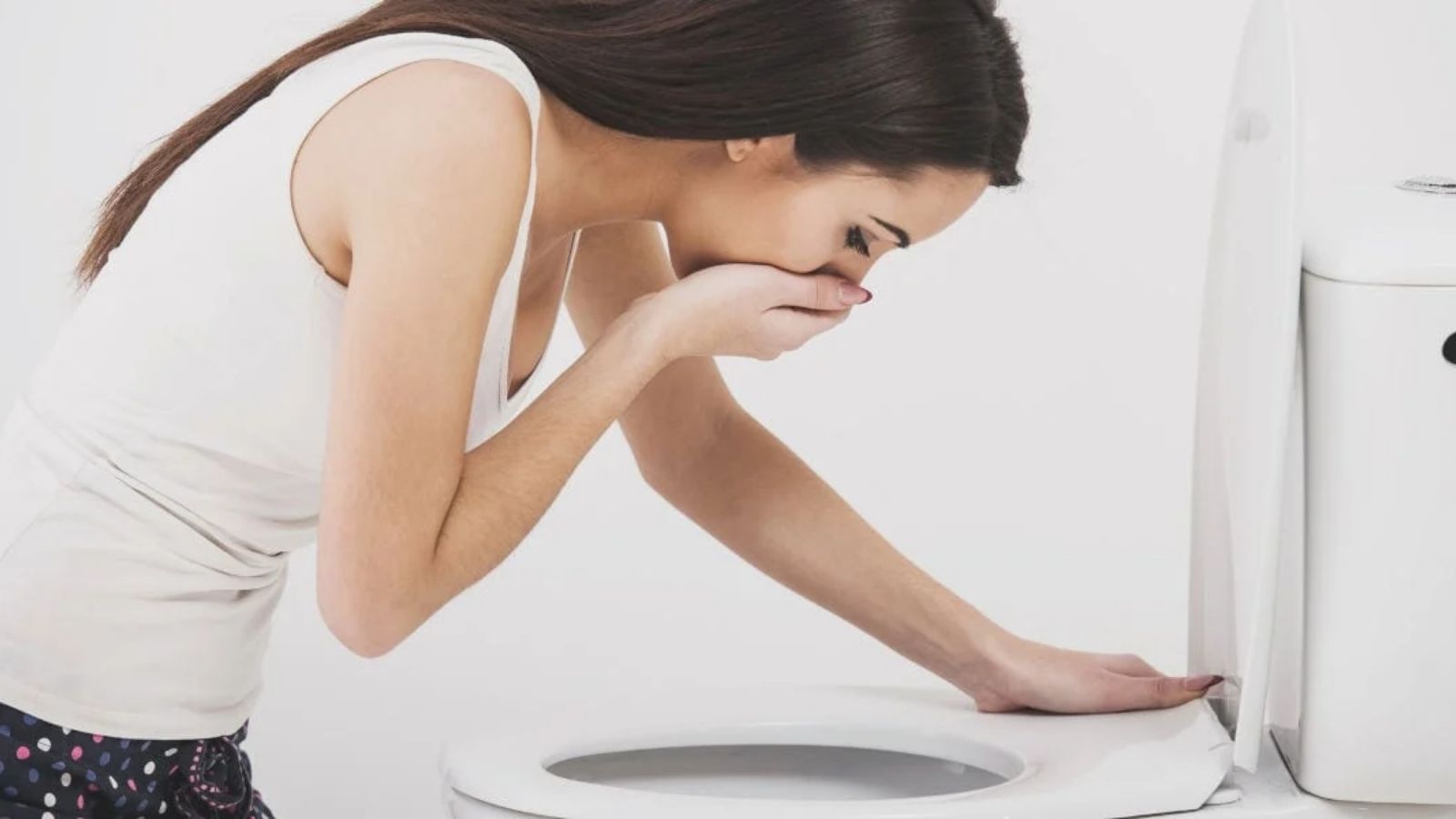
While the term “morning sickness” suggests nausea occurs only in the morning, the reality is far more unpredictable. It can strike at any time of day or night during the early stages of pregnancy. The name is misleading, as it doesn’t reflect the full range of symptoms many women experience.
For most, this nausea is temporary, but some women experience a more severe form of morning sickness known as hyperemesis gravidarum, which requires medical treatment. If you find it difficult to keep food or liquids down, it’s important to seek medical advice.
You Can Get Pregnant During Your Period
Another widespread misconception is that women cannot get pregnant during their period. While it is less common, it’s not impossible. Sperm can survive in a woman’s reproductive tract for up to five days, and if ovulation occurs shortly after the period ends, pregnancy can result.
Women with shorter menstrual cycles may be at a higher risk of ovulating during or shortly after their period, making pregnancy more likely. If you’re trying to avoid pregnancy, it’s important not to rely on the timing of your period as a form of birth control.
HPV Vaccines Are Not Just for Girls
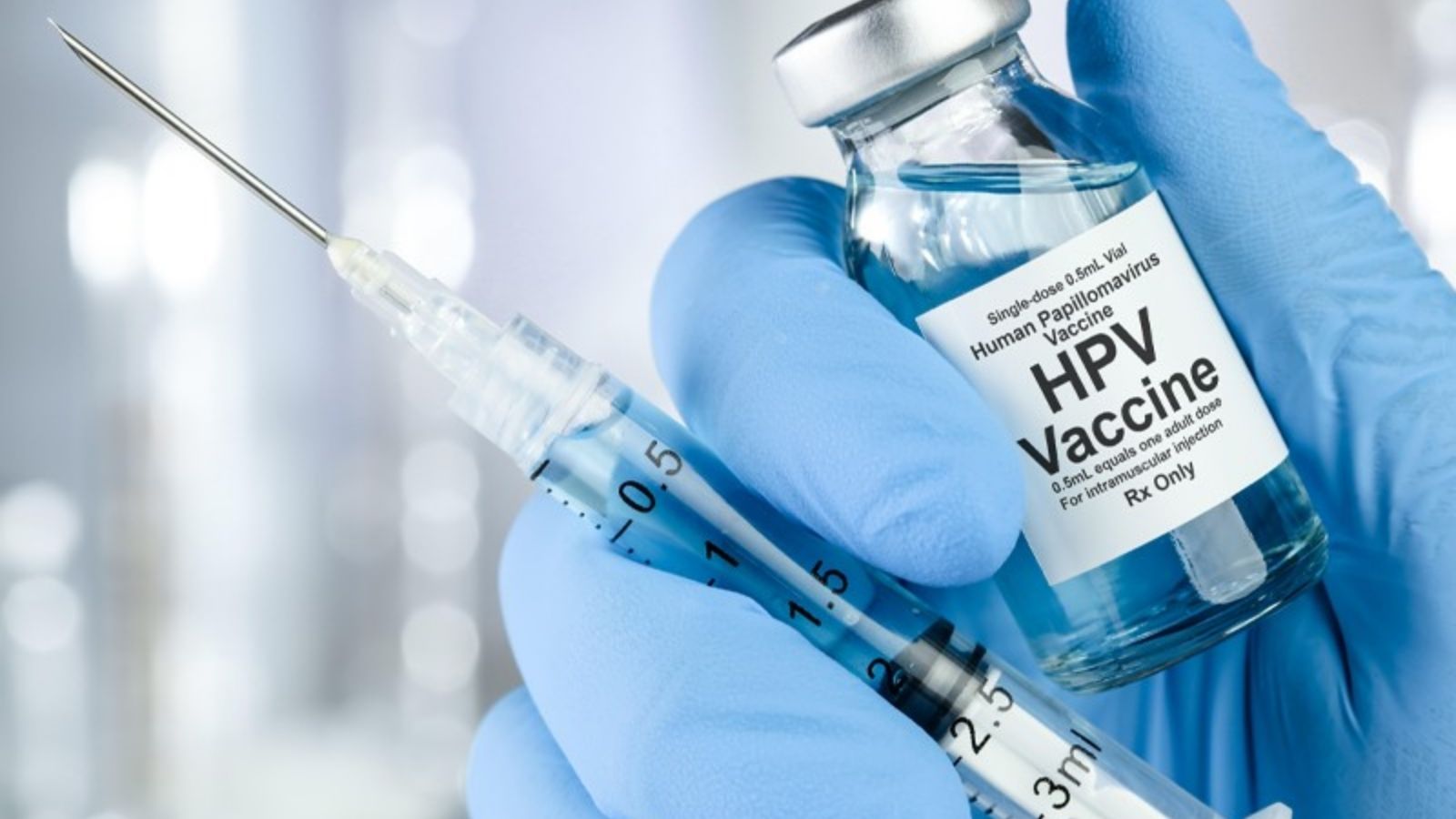
The myth that HPV vaccines are only for girls has led many to overlook the importance of this vaccination for boys and men. HPV, or human papillomavirus, is a virus that can affect both men and women, and can lead to certain cancers and genital warts. The HPV vaccine is recommended for both boys and girls, as it helps prevent the spread of this common infection.
HPV vaccination is most effective when administered before sexual activity begins. It’s crucial to educate both men and women about the importance of the vaccine to prevent the long-term health risks associated with HPV.
Conclusion
Women’s health has long been clouded by myths and misinformation. However, by understanding the facts and dismissing these myths, women can make informed decisions about their health and well-being. From heart disease to breast cancer, morning sickness to pregnancy risks, knowledge is the key to empowering women to take charge of their health.
It’s time to move beyond outdated beliefs and myths and embrace the truth. Educate yourself, talk to your doctor, and stay proactive about your health. By doing so, you’ll be better equipped to navigate the complexities of women’s health and live a long, healthy, and fulfilling life.