5 Myths About Expiration Dates You Need to Stop Believing
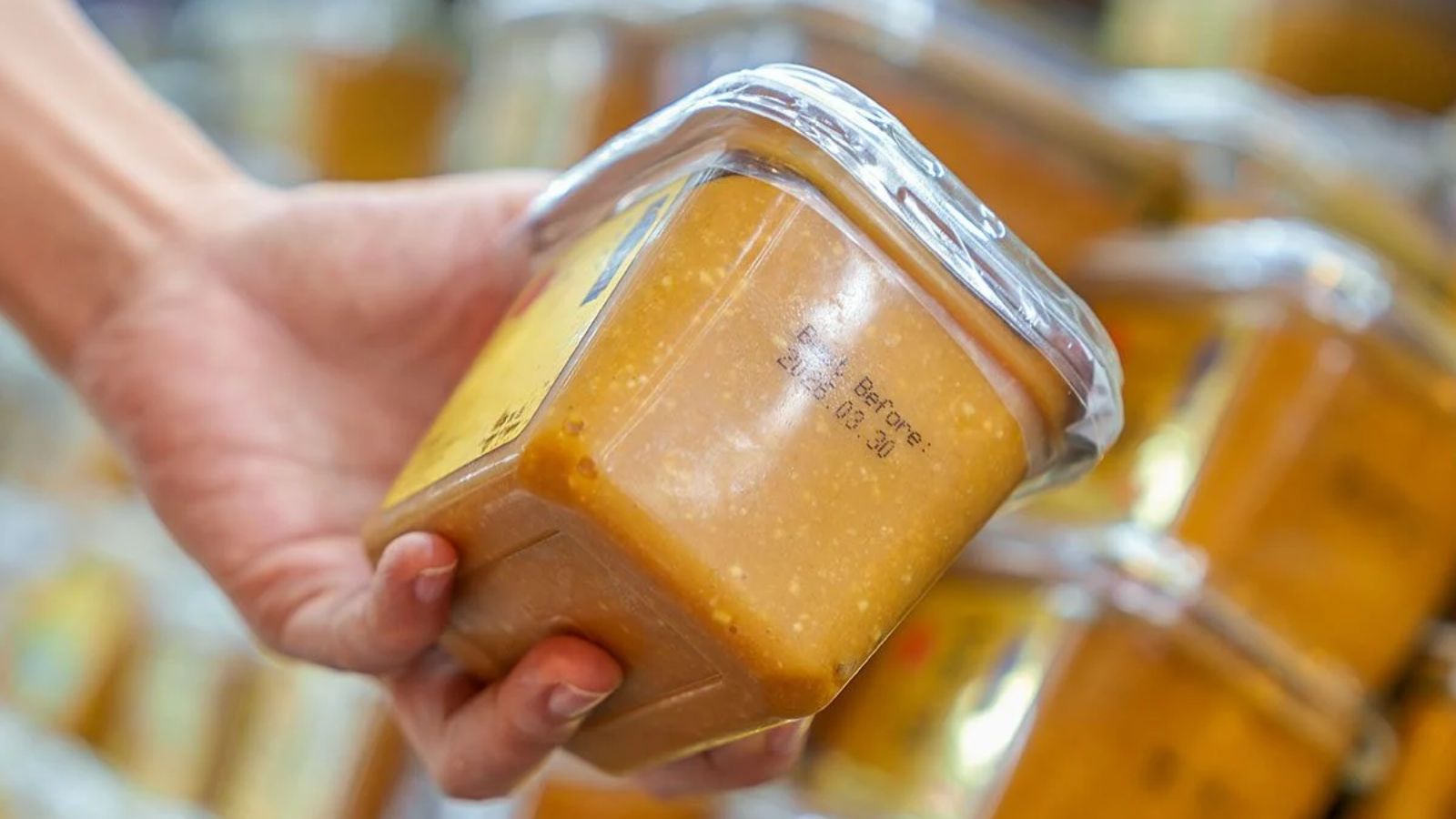
Image Credit: nateemee via 123RF
Expiration dates often create confusion and anxiety for many of us, with those little labels seeming to dictate when a product is no longer safe to consume. However, these dates are not as rigid as we might think. Terms like “sell by,” “use by,” and “best before” are often mistakenly interpreted as hard-and-fast rules, but they are actually more about product quality and inventory management than safety.
For example, a “sell by” date on a carton of milk isn’t a warning that the milk will spoil immediately afterward. Instead, it’s a guide for the store to rotate their stock and ensure customers get the freshest products. Milk, for instance, can still be perfectly drinkable for several days after the sell-by date, as long as it has been stored properly and doesn’t show signs of spoilage.
Similarly, the “use by” date on a package of bread simply indicates when the product will be at its best in terms of taste and texture, but it doesn’t mean that the bread has suddenly gone bad. The bread may be perfectly fine, though it might be a little drier than fresh loaves. And when it comes to “best before” dates, many products like pasta or grains can remain safe and edible long after this date.
Canned Foods Are Safe Forever Once They’re Sealed
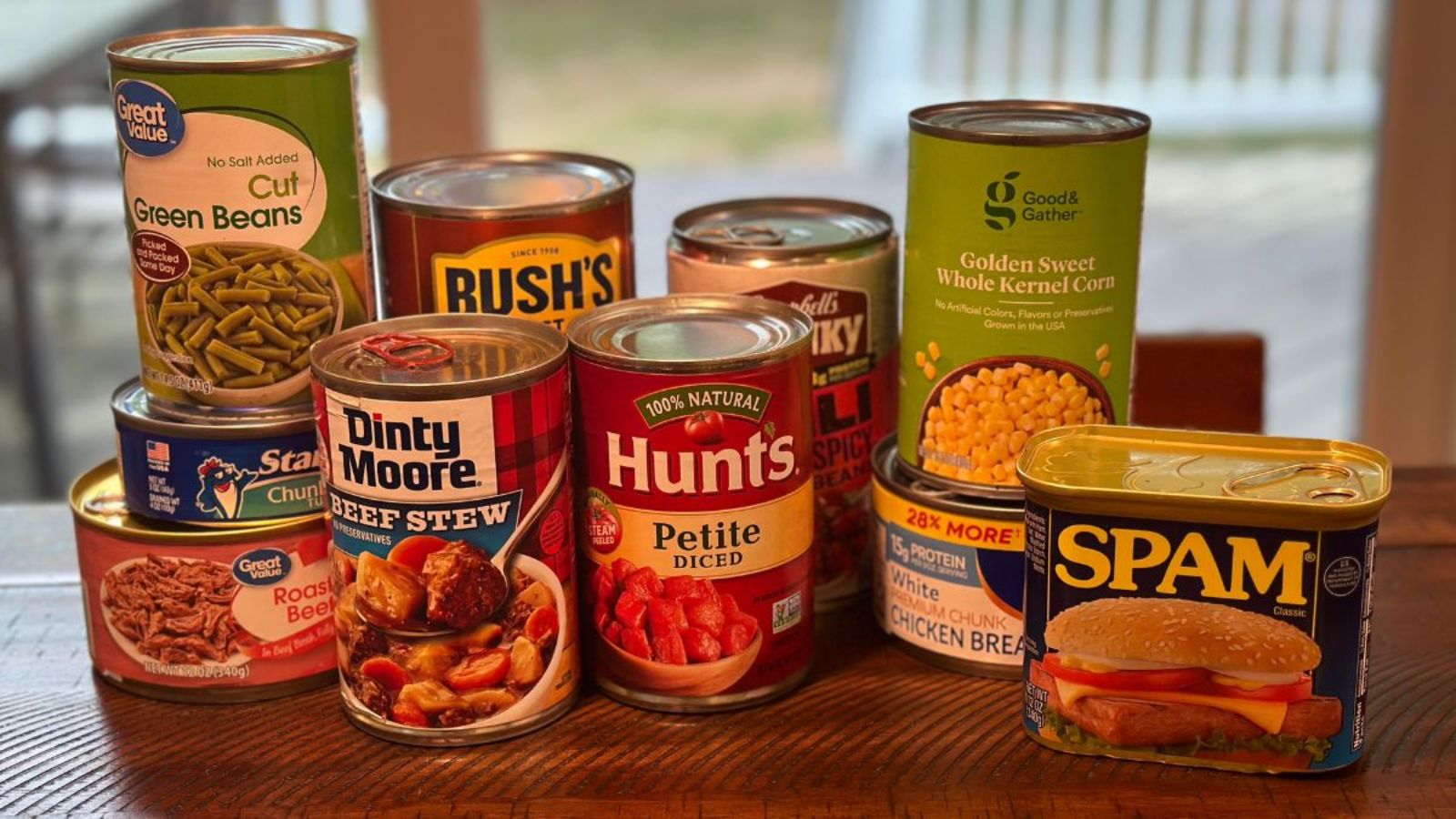
Canned goods are often seen as long-term solutions for pantry stocking, offering convenience and extended shelf life. However, the idea that canned foods can last forever is a misconception. While canned goods are certainly known for their impressive longevity, they aren’t immune to deterioration over time. The reality is that canned foods, even when sealed and stored properly, do lose quality over time. The taste, texture, and nutritional value of canned foods can diminish with age.
For example, while a can of soup may be safe to consume years after its expiration date, the flavor may be much weaker, and the texture may suffer, especially with vegetables or fruits. Additionally, there’s the potential for bacteria, particularly botulism, which, although rare, can thrive in improperly sealed or damaged cans. This is a risk that should not be ignored. Signs of a can being compromised—such as rust, dents, or bulging—should always prompt immediate disposal.
Even if a can looks fine, it’s important to inspect its contents for any changes in smell or appearance. If you notice an off odor or the contents appear discolored, it’s best to discard the can, as the food’s safety could be compromised. The old saying “better safe than sorry” applies here more than ever.
Freezing Food Extends Its Shelf Life Indefinitely
Freezing food is often seen as the ultimate way to preserve it indefinitely. Many people believe that if you just pop something in the freezer, it’ll last forever. While freezing does indeed extend the shelf life of food by halting bacterial growth, it doesn’t stop all forms of deterioration. The freezer can’t preserve the texture, flavor, or nutritional value of food indefinitely.
Over time, even foods kept frozen can suffer from freezer burn, a condition caused by air exposure that leads to dried-out, unappetizing portions. For example, frozen fruits may lose their firmness and become mushy after thawing, and frozen meats can develop an unpleasant, leathery texture if stored for too long. While the food may still be safe to eat, it won’t be nearly as appealing as it was when freshly frozen.
Most foods, such as vegetables or meat, should ideally be used within 6 months for the best taste and texture. However, this timeframe can vary depending on the type of food and its packaging. Properly sealing foods before freezing is essential to maintain quality. So, while freezing can be a great tool for extending shelf life, it’s important to be aware that it’s not a perfect preservation method.
Raw Meat Immediately Becomes Dangerous After Its Expiration Date
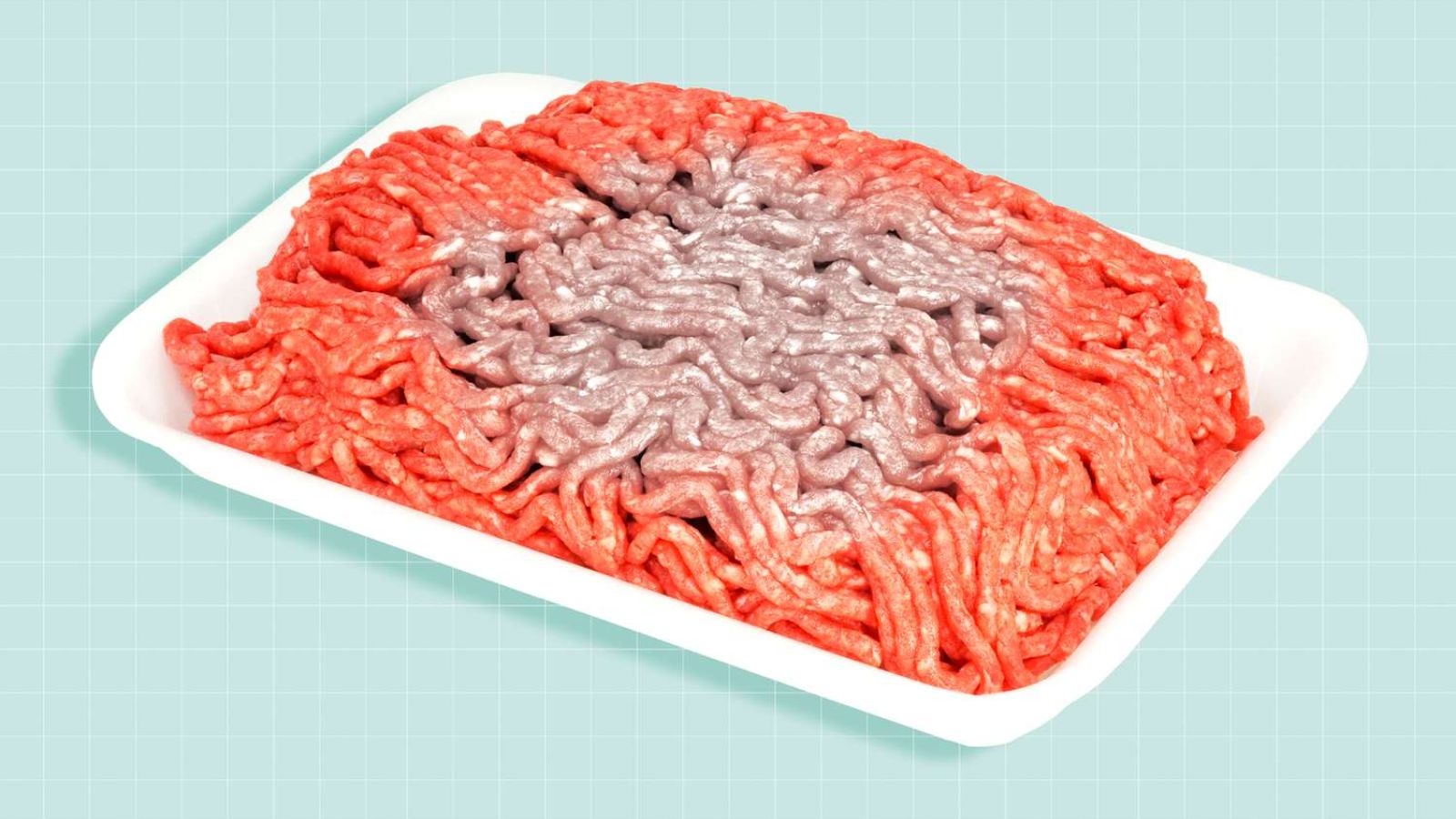
When it comes to raw meat, the expiration date is a big concern for many people. The thought of consuming expired meat often triggers immediate thoughts of food poisoning or bacteria growth. However, raw meat doesn’t automatically become unsafe just because it’s past its expiration date. What’s more important is how the meat has been handled and stored prior to that date.
If meat has been properly refrigerated or frozen, it may still be good to use a day or two after the expiration date, especially if there are no signs of spoilage. Of course, the date on the package is an important guideline, but it’s not the only factor to consider. It’s crucial to check the meat for any changes in color, texture, or smell.
Fresh meat should have a vibrant color and a firm texture, and any sour or rancid smell is a clear indicator that it has gone bad. As a rule of thumb, if the meat looks fine and has been stored correctly, it can often be safe to eat for a short while after the expiration date. Always use your senses as a first line of defense before deciding whether or not to toss out that leftover steak.
Food That’s Been Opened Is No Good After the Expiration Date
It’s a common belief that once a product has been opened, its expiration date is irrelevant and that it’s no longer safe to consume. However, this is not entirely true. While opening a product does expose it to air, moisture, and bacteria, many foods can still be perfectly safe to eat after their expiration date if they’ve been stored properly.
For example, grains like rice, pasta, and oats can be safely consumed for months or even years after their expiration date, provided they’ve been kept in an airtight container in a cool, dry place. Similarly, sauces, condiments, and even some dairy products—like cheese—may still be safe to eat long after the date on the package, as long as they show no visible signs of mold or spoilage. The key here is proper storage.
Even after a product is opened, its shelf life can often be extended by keeping it tightly sealed, refrigerated, or frozen, depending on the type of food. So, before throwing away that bottle of ketchup or jar of peanut butter, make sure to inspect it carefully. Often, it’s still perfectly fine to consume even after the expiration date.
If It Looks, Smells, and Tastes Fine, It’s Good to Go

While it’s tempting to think that if food looks, smells, and tastes fine, it must be safe to eat, the truth is a little more complicated. Some harmful bacteria or pathogens can be present in food without altering its taste, smell, or appearance. This is particularly true with meats, leafy greens, and certain dairy products, which can harbor dangerous bacteria like Salmonella or Listeria without showing any obvious signs of contamination.
For instance, you might eat a bowl of salad that seems perfectly fresh, but if it hasn’t been washed properly or stored at the correct temperature, it could be contaminated with harmful bacteria that you can’t detect just by looking at it. Even dry foods, like flour or spices, can sometimes contain hidden bacteria or mold that won’t be obvious to the senses.
While your nose and taste buds can help spot obvious spoilage, they aren’t foolproof at detecting every type of contamination. So, when in doubt—especially with perishable foods—it’s safer to follow proper food handling guidelines and err on the side of caution.
Key Takeaways
In the end, expiration dates should be seen as guidelines rather than rules set in stone. By understanding the myths surrounding these dates and approaching food and medications with a bit more flexibility and knowledge, we can make better decisions, reduce unnecessary waste, and save money. Ultimately, the best practice is to trust your senses, store items properly, and when in doubt, consult an expert.