5 Most Mountainous Countries in the World, Ranked
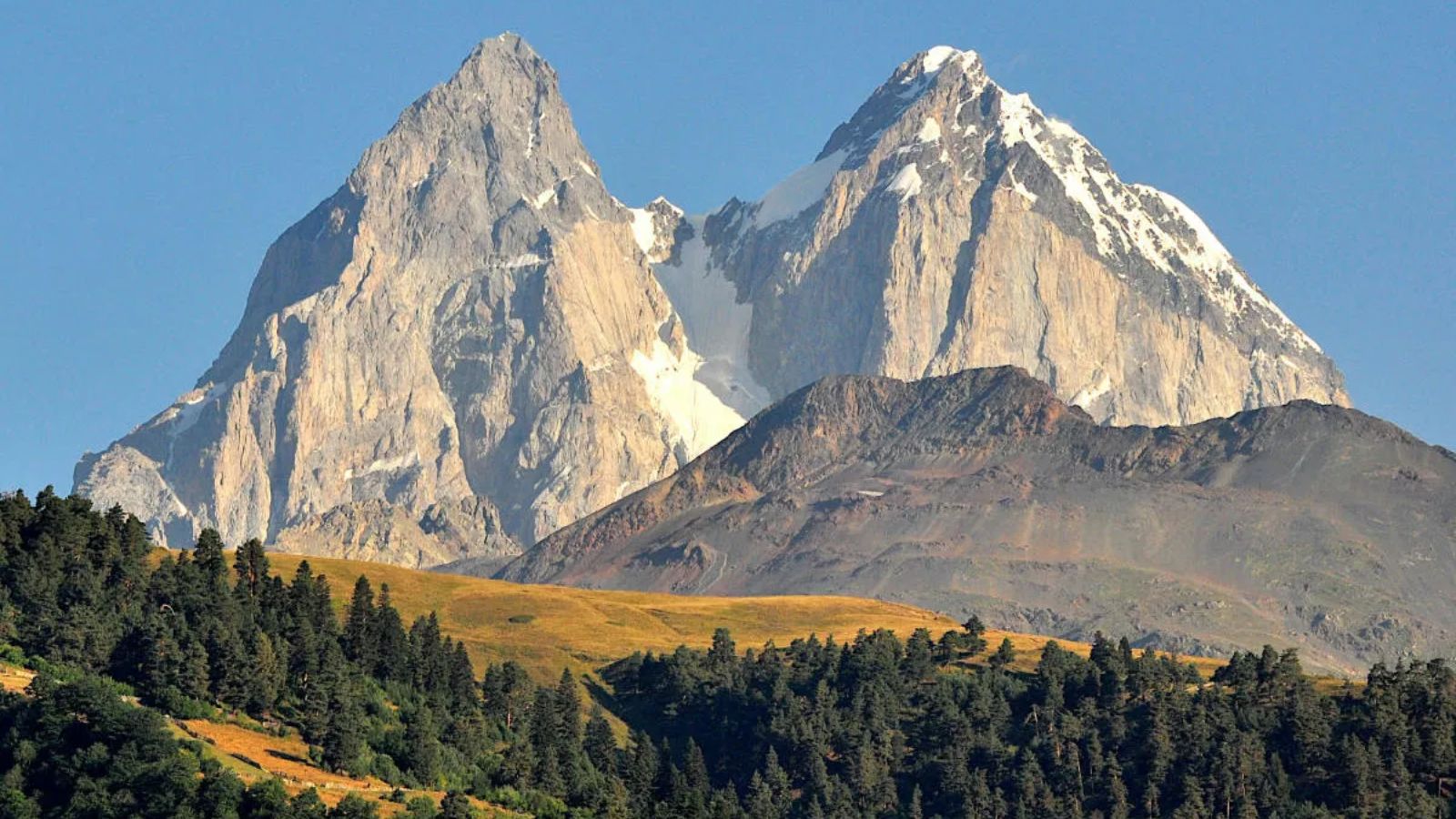
Image Credit: Kindel Media/Pexels
Mountains have always captured the imagination, drawing adventurers and nature enthusiasts alike. Their towering presence inspires awe and reverence, offering challenges and rewards for those willing to embrace their rugged beauty. These majestic peaks have influenced cultures, shaped histories, and continue to define the landscapes of many countries around the world.
Some nations are almost entirely defined by their mountainous terrains, where snow-capped summits and rugged cliffs dominate the horizon. These high-altitude regions not only offer breathtaking views but also hold deep cultural significance. The people who live in these mountain ranges have long adapted to the extreme conditions, creating unique traditions and lifestyles that are shaped by the land.
Bhutan
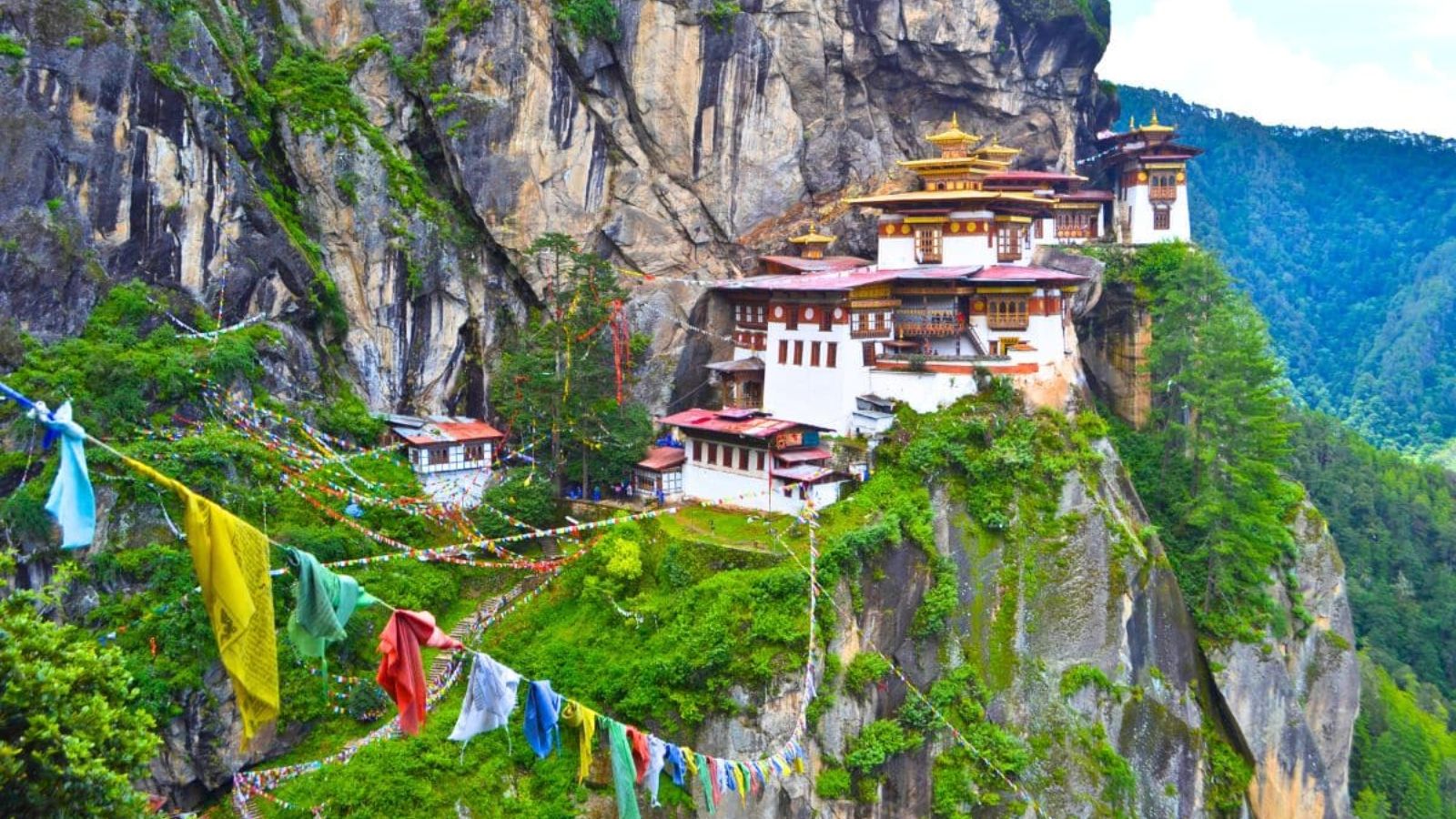
Bhutan, a small yet captivating kingdom nestled in the heart of the Himalayas, stands as the most mountainous country on Earth, with a greater proportion of land covered by mountains than any other nation. Nearly 99% of its land is mountainous, making it unique even among other high-altitude countries.
The crown jewel of Bhutan is Gangkhar Puensum, the world’s highest unclimbed peak at 24,836 feet. Bhutan’s mountains are not just geographical features; they are essential to its cultural identity. The iconic Tiger’s Nest Monastery, perched on a cliffside, is a must-visit for those who want to experience Bhutan’s spiritual aura. Furthermore, Bhutan is the world’s first carbon-negative country, thanks to its sustainable policies and its vast forests, which cover about 70% of its land area.
Bhutan’s mountain ranges, particularly the Himalayas, offer spectacular trekking routes, from the challenging Snowman Trek to the beautiful, peaceful trails around Paro. The country’s commitment to preserving nature while sharing its mountainous beauty makes it a unique destination for ecotourism.
Tajikistan
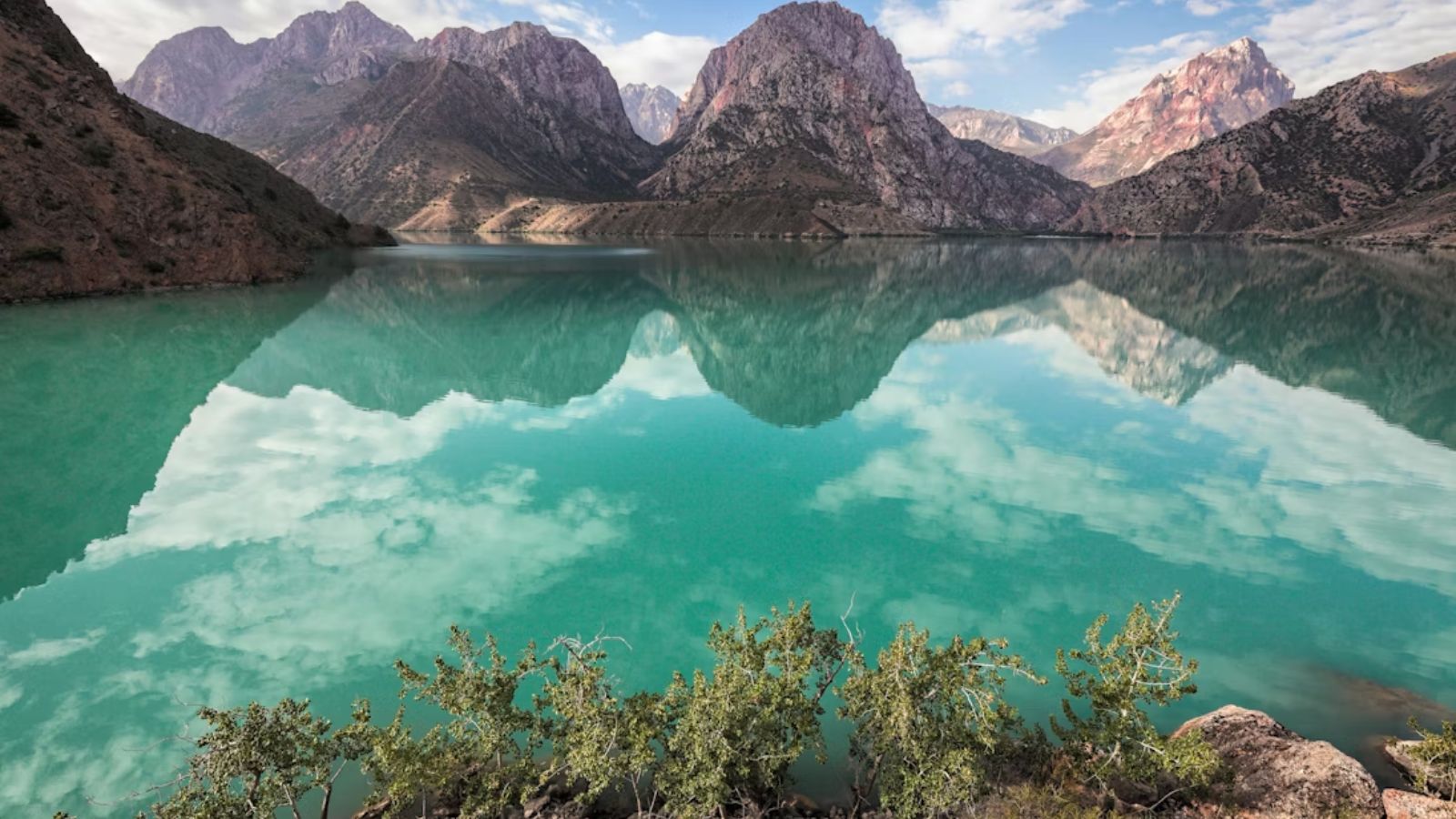
Nestled in Central Asia, Tajikistan is a landlocked country famous for its towering peaks and rugged terrains. Over 91% of its territory is covered by mountains, with the mighty Pamirs, often called “The Roof of the World,” dominating the landscape. The highest peak, Imeni Ismail Samani, reaches an impressive 24,590 feet, making it one of the tallest in the world.
The Tajik Pamirs and Tien Shan mountain ranges offer exhilarating trekking opportunities for those who dare to explore their remote valleys and rugged cliffs. Tajikistan is home to a rich cultural history, with ancient caravanserais and trading posts scattered along the Silk Road, making it an exciting destination for history buffs and adventure travelers alike.
Tajikistan’s mountains are not just visually stunning but are also steeped in legend. The Pamirs were believed to be the home of the gods in ancient times, and the area’s isolation has preserved a unique way of life, with high-altitude villages and strong traditions.
Kyrgyzstan
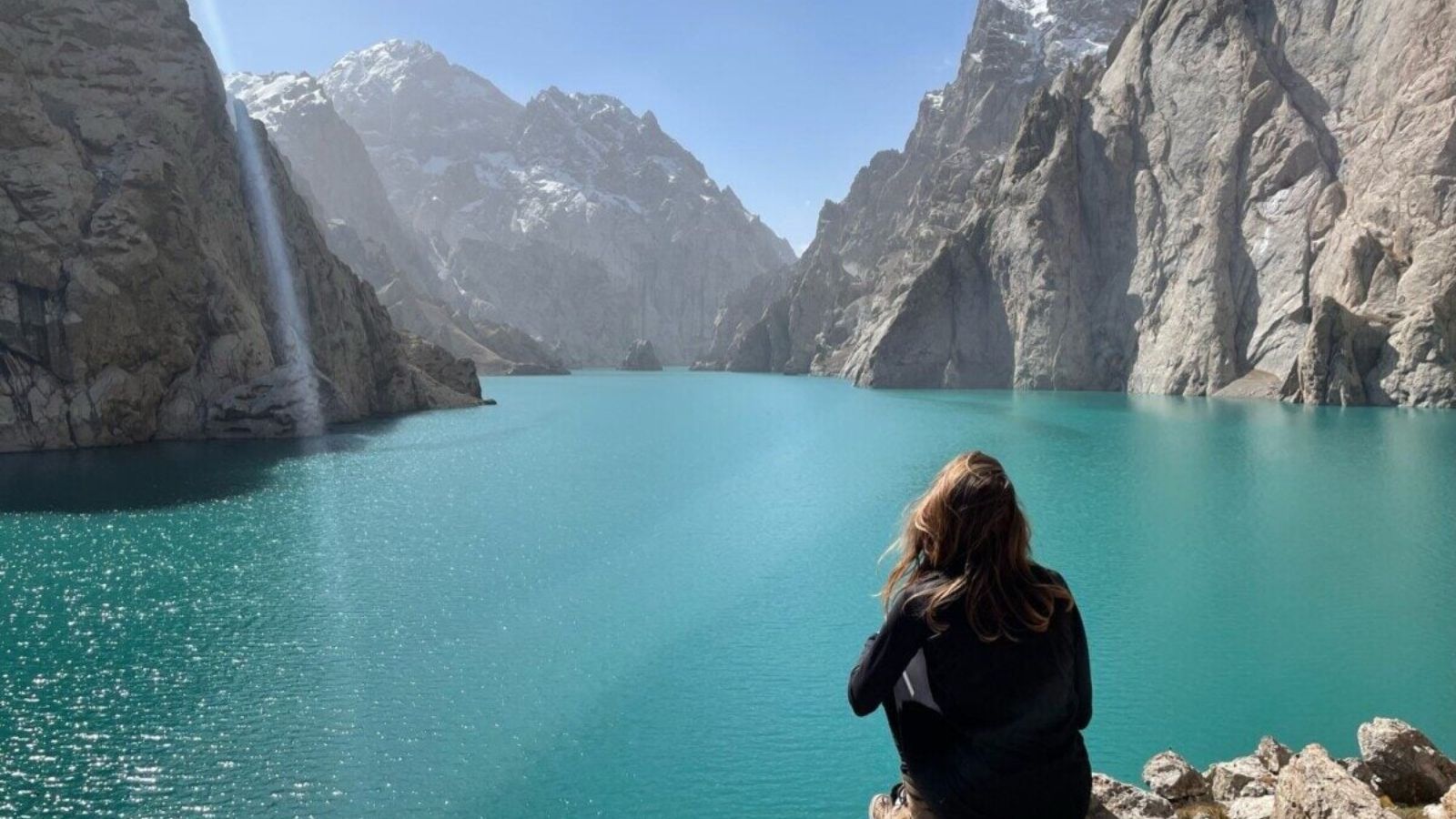
Kyrgyzstan, another Central Asian gem, is a country of stunning contrasts. Around 90.7% of its land is covered by the Tien Shan mountain range, earning it the nickname “Land of Celestial Mountains.” This rugged terrain is not just scenic; it’s a playground for mountaineers and nature lovers. The highest peak, Jengish Chokusu, also known as Victory Peak, stands at 24,406 feet, towering over the country’s expansive wilderness.
Kyrgyzstan is also home to some of the most beautiful lakes in the world, including Issyk-Kul, the second-largest saline lake. The country’s cultural richness, combined with its mountainous landscapes, makes it a prime destination for adventure tourism, offering opportunities for trekking, horseback riding, and camping in some of the world’s most remote areas.
Lesotho
Lesotho, a small, landlocked country entirely surrounded by South Africa, is another incredible mountainous destination. Over 90% of Lesotho’s land is covered by mountains, with the Maloti Mountains running through the heart of the country. The highest point, Mount Ntlenyana, reaches 11,424 feet above sea level, making it the highest peak in Southern Africa.
Lesotho’s mountains are crucial to the country’s way of life. The rugged terrain provides natural protection, helping Lesotho maintain its independence throughout history. The mountainous landscape also offers a peaceful retreat, with hiking routes that lead to waterfalls, ancient caves, and traditional villages where the Basotho people still live as they have for centuries.
Montenegro

Despite its small size, Montenegro’s name—which means “Black Mountain”—perfectly encapsulates its natural grandeur. About 89.3% of the country is covered by mountains, particularly the Dinaric Alps, which stretch across its landscape. Montenegro’s highest peak, Bobotov Peak, rises to 8,274 feet and offers breathtaking views of the surrounding Durmitor National Park.
Montenegro is known for its dramatic scenery, with mountains meeting the crystal-clear waters of the Adriatic Sea. The contrast between rugged peaks and coastal beauty makes Montenegro a unique destination for travelers seeking both adventure and relaxation. The medieval town of Kotor, nestled at the foot of the mountains, is a UNESCO World Heritage site and a must-see for visitors.
Conclusion
The world’s most mountainous countries are not just destinations for mountaineers and adventurers; they are places where nature and culture intertwine in breathtaking ways. From the snow-capped peaks of Bhutan to the towering summits of Nepal, these countries offer unparalleled opportunities for exploration and discovery.
In addition to their physical beauty, the mountains of these countries have shaped their cultures, histories, and way of life. They have provided protection, inspiration, and sustenance for generations, and they continue to be a vital part of each nation’s identity.
For anyone with a love for the mountains, these ten countries are not just places to visit—they are places to experience the raw power and beauty of nature at its finest. Whether you’re climbing to the highest peak or simply taking in the view, the mountains of the world are waiting to be explored.