
The post 10 Most Expensive Fruits in the World That Cost More Than Luxury Gifts first appeared on Crafting Your Home.
A trip to the grocery store usually means comparing prices by the pound or choosing the freshest-looking produce in the aisle. But in some parts of the world, especially at high-end fruit markets and auctions, certain fruits are treated very differently.
Some varieties are grown with extreme attention to appearance, size, sweetness, and presentation. Farmers carefully select only the finest examples, and buyers may purchase them as luxury gifts rather than everyday food.
Japan is particularly known for its premium fruit culture, where beautifully presented fruit can represent respect, appreciation, and status. Some of the world’s most expensive fruits come from carefully managed farms where only a small percentage of the harvest meets strict standards.
These are some of the fruits that have reached extraordinary prices.
Yubari King Melon
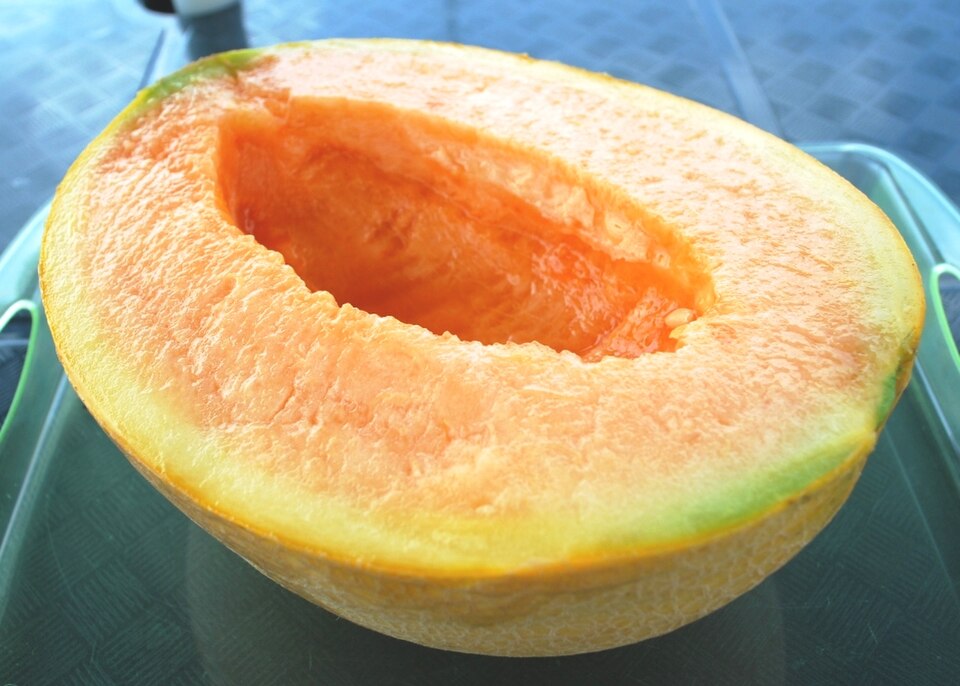
The Yubari King melon is often considered the ultimate example of luxury fruit.
Grown in Yubari, Hokkaido, Japan, this cantaloupe variety is known for its perfectly round shape, smooth netted skin, sweetness, and careful cultivation. Farmers carefully monitor the growing conditions and select only melons that meet strict quality standards.
The most expensive examples are usually sold at auctions, where presentation and rarity can drive prices dramatically higher. Some premium pairs have sold for tens of thousands of dollars.
For many buyers, the appeal is not just the taste. A Yubari King melon is often viewed as a symbol of craftsmanship and generosity, especially when given as a high-end gift.
Related: 9 Fruits You Cannot Grow in Certain U.S. States
Ruby Roman Grapes
Most people think of grapes as a casual snack, but Ruby Roman grapes occupy a completely different category.
These grapes are grown in Japan’s Ishikawa Prefecture and are known for their large size, deep red color, sweetness, and strict grading requirements. Individual grapes must meet specific standards to carry the Ruby Roman name.
Premium bunches have sold for thousands of dollars at auction, making them among the most expensive grapes in the world. Some grapes can grow to an unusually large size compared with typical table grapes.
The high price comes from limited supply and careful selection. A bunch that doesn’t meet the required standards doesn’t receive the luxury label.
Densuke Watermelon
Watermelons are usually associated with summer picnics and affordable seasonal treats. Densuke watermelon represents a very different side of the fruit world.
Grown mainly on Japan’s northern island of Hokkaido, Densuke watermelons are recognized by their dark outer skin, crisp texture, and limited availability.
Only a small number are harvested each year, and the best examples can command thousands of dollars, especially during auctions.
The fruit’s unusual appearance adds to its appeal. Instead of the familiar striped watermelon found in many markets, Densuke stands out as a rare specialty item.
Taiyo no Tamago Mangoes
Mango lovers around the world value the fruit for its sweetness and aroma, but Taiyo no Tamago mangoes take luxury mangoes to another level.
The name means “Egg of the Sun,” and these premium mangoes come from Miyazaki Prefecture in Japan. They are known for their bright color, smooth texture, and careful selection process.
Only mangoes that meet strict standards for weight, appearance, and sweetness receive the Taiyo no Tamago label. Premium pairs have sold for thousands of dollars at auction.
The expensive price reflects the amount of attention given to producing fruit that looks nearly perfect.
Pineapples From the Lost Gardens of Heligan
Pineapples are common in many supermarkets, but pineapples grown at the Lost Gardens of Heligan in Cornwall, England, are far from ordinary.
These pineapples are grown using traditional methods in historic Victorian-style pineapple pits. The unusual cultivation process requires significant time and careful attention.
Because production is limited and the growing process is labor-intensive, these pineapples can sell for extremely high prices compared with standard supermarket varieties.
Their value comes less from being a different species of pineapple and more from the rare way they are produced.
Sembikiya Queen Strawberries
Strawberries are usually associated with desserts, smoothies, and summer snacks. But Sembikiya Queen strawberries are marketed as luxury produce. Sold through Japan’s famous premium fruit retailer Sembikiya, these strawberries are selected for appearance, size, color, and quality.
Only carefully chosen berries make it into premium gift boxes, and small packages can cost far more than ordinary strawberries. The fruit reflects a broader Japanese tradition where beautifully presented produce can be given as a meaningful gift.
Sekai Ichi Apples
The Sekai Ichi apple, whose name translates roughly to “world’s number one,” is another example of fruit treated as luxury produce.
These apples are known for their large size and carefully controlled cultivation. Buyers select premium examples for appearance and quality before selling them.
Unlike ordinary apples purchased by the bag, luxury apples are often individually presented and marketed as special gifts. The appeal comes from the idea that even a familiar fruit can become extraordinary when grown and presented differently.
Square Watermelons
Square watermelons are among the most recognizable examples of unusual luxury fruit. Unlike naturally round watermelons, these are grown inside specially designed containers that guide their shape as they develop.
The unusual appearance makes them popular as decorative gifts and conversation pieces. Their square shape also makes storage and transportation easier in some settings.
While they may not reach the same prices as auction-winning melons, their uniqueness has made them one of the world’s most famous specialty fruits.
Dekopon Citrus
Dekopon citrus is a Japanese hybrid fruit known for its distinctive bump on the top, easy-to-peel skin, and sweet flavor. Premium Dekopon fruits are carefully selected and often sold in gift-quality packaging.
Unlike ordinary citrus sold in large quantities, these fruits are valued for consistency, appearance, and quality control. Their popularity shows how presentation and careful farming can change how consumers view familiar fruit.
Related: The Top 10 Most Delicious Fruits You Have to Try Now
Buddha-Shaped Pears
Some fruits become expensive because of how they are grown rather than their natural shape. Buddha-shaped pears from China are cultivated inside molds that encourage the fruit to develop a shape resembling a small Buddha statue.
The result is a fruit that functions partly as food and partly as a novelty gift. These pears represent the creative side of specialty agriculture, where growers experiment with appearance to create something unusual.
Other Posts You Might Like
If you like what you just read, then subscribe to our newsletter and follow us on social media.