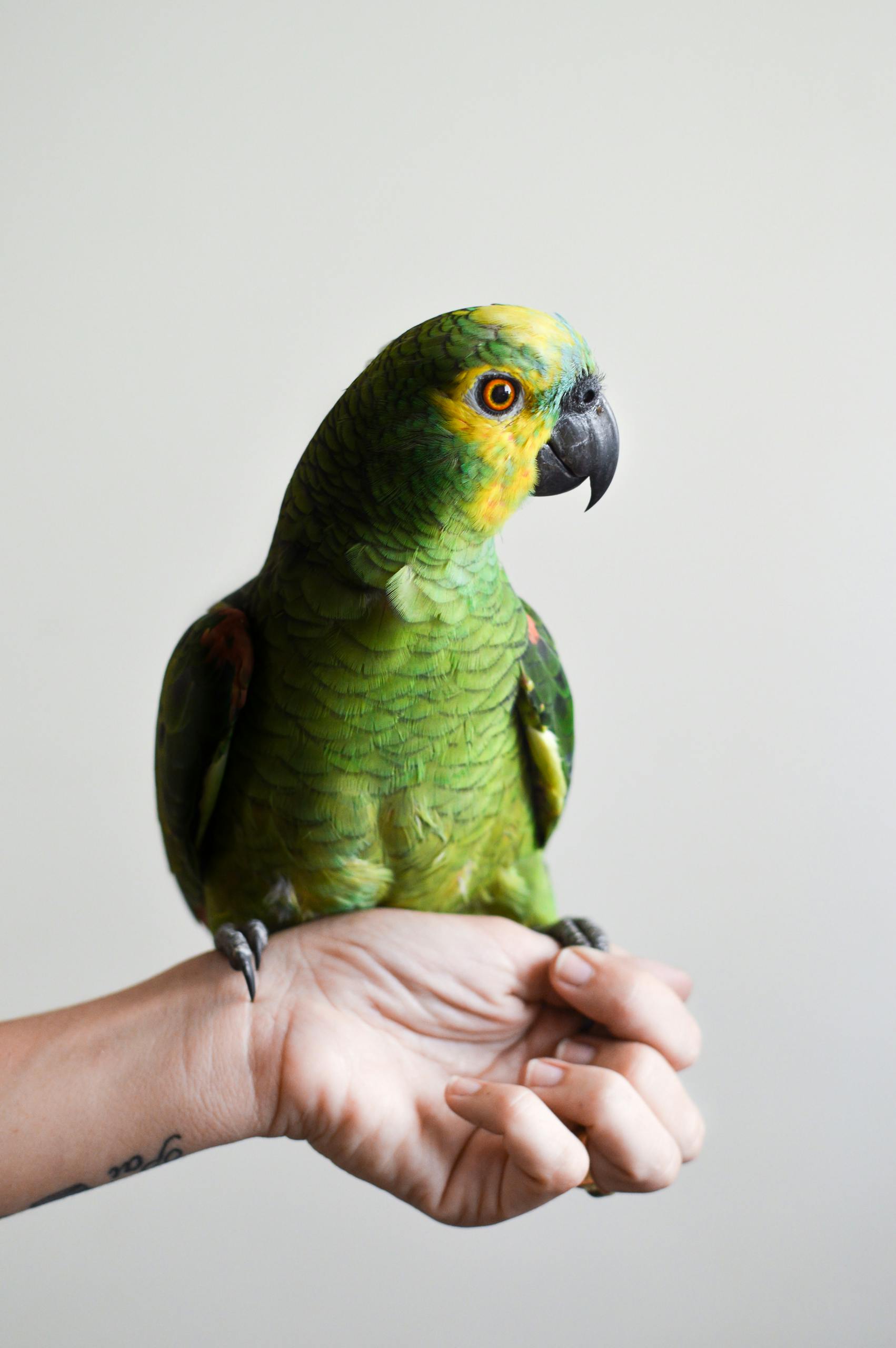
Exotic pets may seem like a fascinating and unique addition to your household, but their financial demands go far beyond their initial purchase price.
While the allure of owning an exotic animal such as a sugar glider, alpaca, or capuchin monkey may be tempting, the reality of pet ownership for these creatures can be both shocking and expensive.
In this article, we will explore some of the most costly exotic pets to own and break down the ongoing costs of maintaining these animals. Understanding the financial commitment is crucial before deciding to bring one of these majestic (yet expensive) animals into your life.
Sugar Gliders

Sugar gliders, often considered one of the cutest exotic pets, are small, nocturnal marsupials that can cost up to $500 for a single animal. However, the initial cost is just the beginning.
When you factor in their specialized cage, bedding, food, fresh produce, and necessary vet visits, owning a sugar glider could set you back up to $1,000 annually.
The high cost of care, combined with the need for social interaction, makes these animals a pricey—and often challenging—pet to maintain.
Breakdown of Sugar Glider Costs:
- Initial purchase price: $200–$500
- Annual care costs: $500–$1,000 (food, vet bills, cage, and toys)
- Ongoing expenses: Vet visits, fresh produce, specialized bedding, and toys
Alpacas
Alpacas are often seen as cute, fluffy creatures, but owning one requires a significant financial investment.
The price of purchasing an alpaca ranges from $3,000 to $10,000, depending on the quality and breed. In addition to the upfront cost, alpacas require special care, including shearing, food (straw and grain), and medical treatments like vaccinations and deworming.
Their annual maintenance cost can easily exceed $2,000, making them a major financial commitment.
Breakdown of Alpaca Costs:
- Initial purchase price: $3,000–$10,000
- Annual care costs: $2,000+ (food, shearing, vet care)
- Ongoing expenses: Food, bedding, medical care, shearing
Capuchin Monkeys
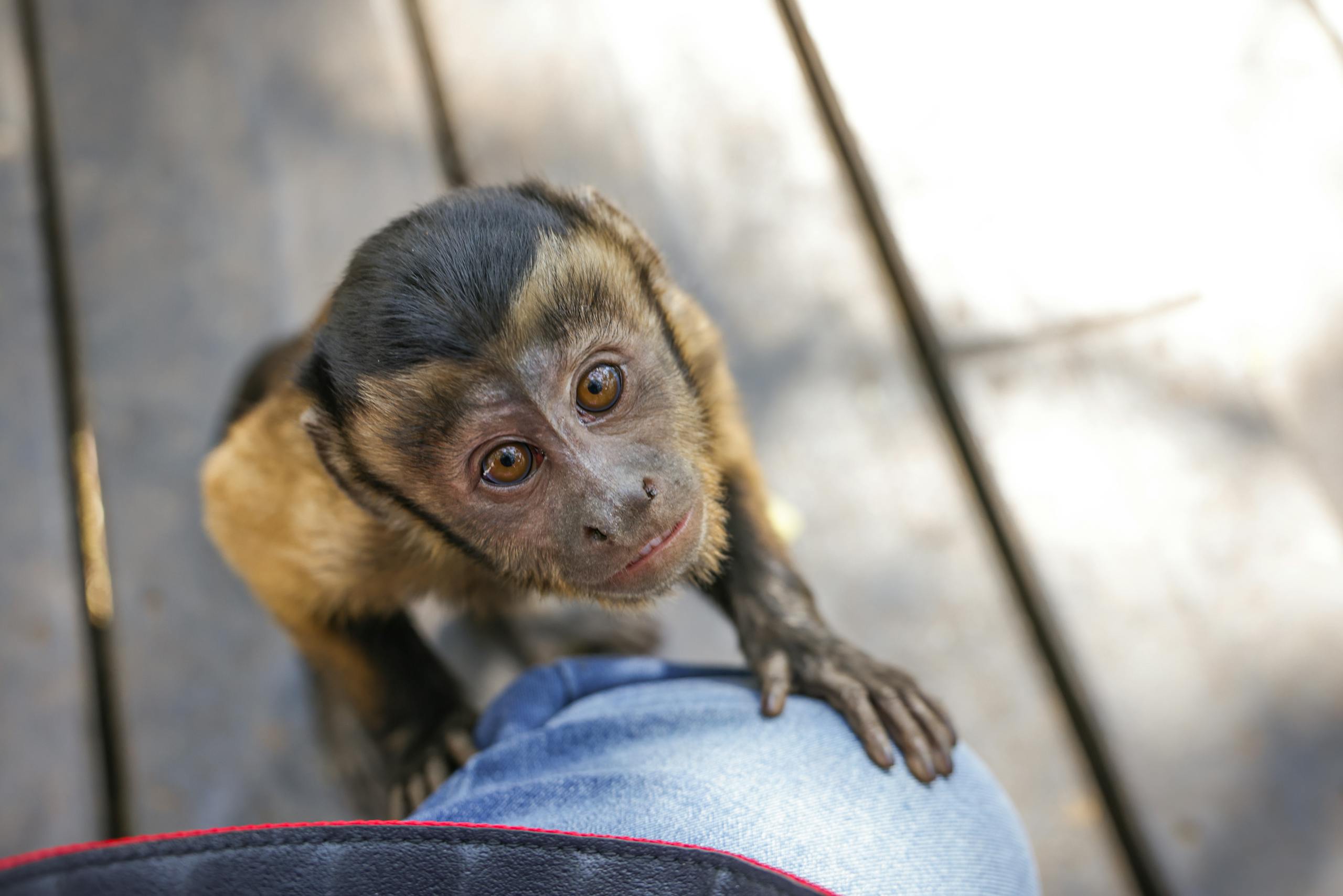
The capuchin monkey, once featured prominently in movies like Ace Ventura: Pet Detective, is an animal that many dream of owning. However, with an initial price tag of $7,000, a capuchin monkey is already an expensive investment.
The costs don’t stop there, though. These monkeys require large enclosures to climb and swing, as well as specialized diets and supplies such as diapers and medical care.
Capuchin monkeys can be highly destructive and difficult to care for, making them an impractical choice for most people.
Breakdown of Capuchin Monkey Costs:
- Initial purchase price: $7,000+
- Annual care costs: $2,000–$5,000 (enclosure, food, vet visits)
- Ongoing expenses: Large enclosure, food, medical care, diapers
Hyacinth Macaws
Hyacinth macaws are the largest of the parrot species, known for their stunning blue feathers and impressive intelligence. Unfortunately, their beauty comes with a hefty price, these birds can cost up to $12,000 or more.
In addition to the high purchase price, macaws require specialized care, including a large, secure cage, toys, treats, and a balanced diet.
With an average lifespan of up to 50 years, these birds represent a long-term financial investment that can add up significantly over time.
Breakdown of Hyacinth Macaw Costs:
- Initial purchase price: $10,000–$12,000
- Annual care costs: $500–$1,000 (food, cage, vet visits)
- Ongoing expenses: Large cage, food, medical care, toys, and treats
Kangaroos
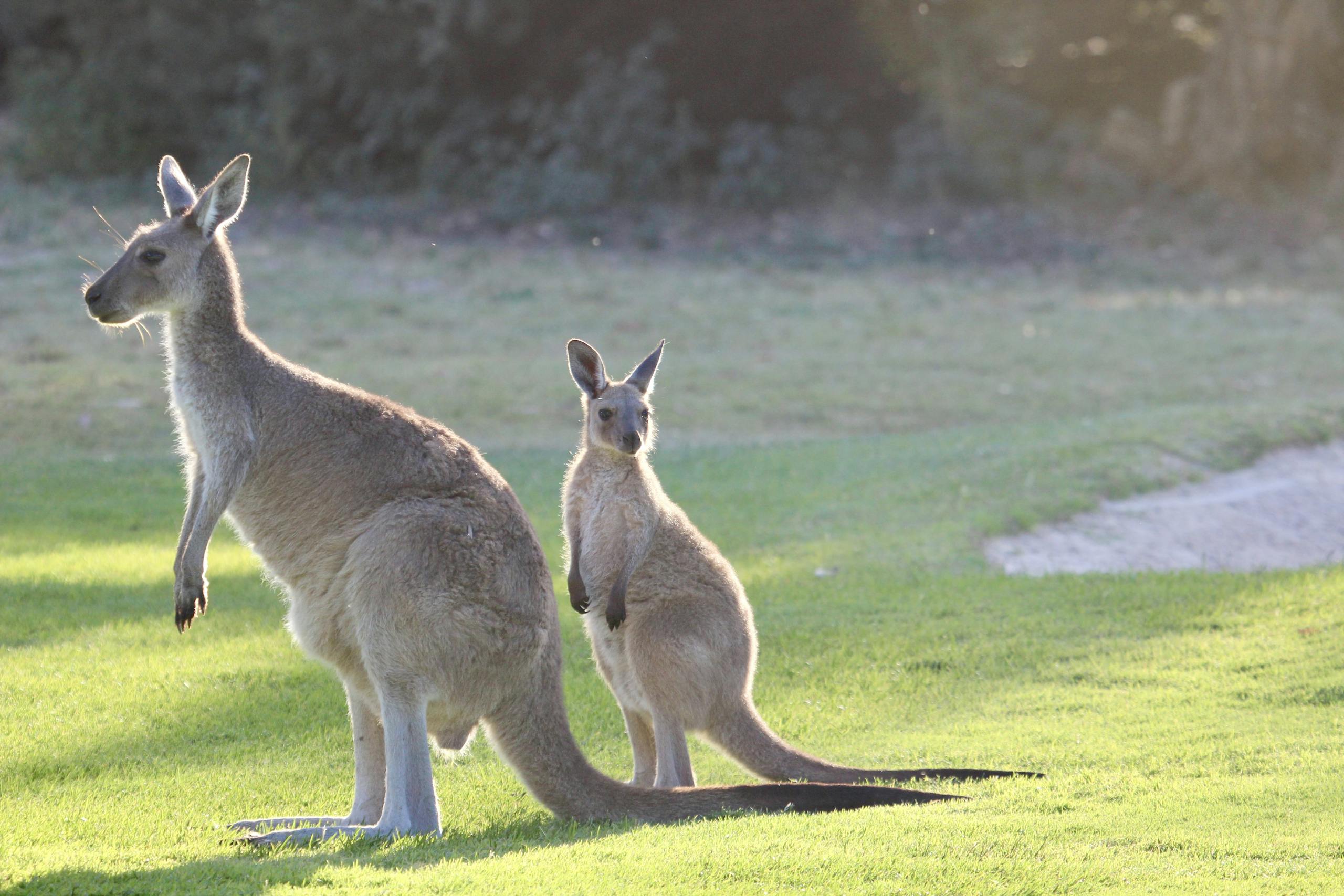
While owning a kangaroo may sound like an exciting adventure, the reality is that these animals require a significant amount of space and specialized care.
Kangaroos can cost anywhere from $3,000 to $5,000 to purchase, and they require a large, open area to roam freely.
On top of that, the food bill for a kangaroo can be quite steep, costing upwards of $3,000 annually.
Kangaroos are territorial and can exhibit aggressive behavior, making them a difficult pet to manage in a home environment.
Breakdown of Kangaroo Costs:
- Initial purchase price: $3,000–$5,000
- Annual care costs: $3,000+ (food, medical care)
- Ongoing expenses: Large open space, specialized food
Camels
Camels are known for their ability to survive in harsh desert climates, but they are not a pet for the faint of heart—or wallet.
A single camel can cost anywhere from $20,000 to $50,000, depending on its age, breed, and origin. In addition to the high upfront cost, camels require specialized care, including climate control, ample food, and medical treatments.
With a lifespan of 40 to 50 years, the long-term cost of owning a camel can easily reach $150,000 or more.
Breakdown of Camel Costs:
- Initial purchase price: $20,000–$50,000
- Annual care costs: $2,500+ (food, medical care)
- Ongoing expenses: Climate control, food, medical care, training
Tigers and Lions
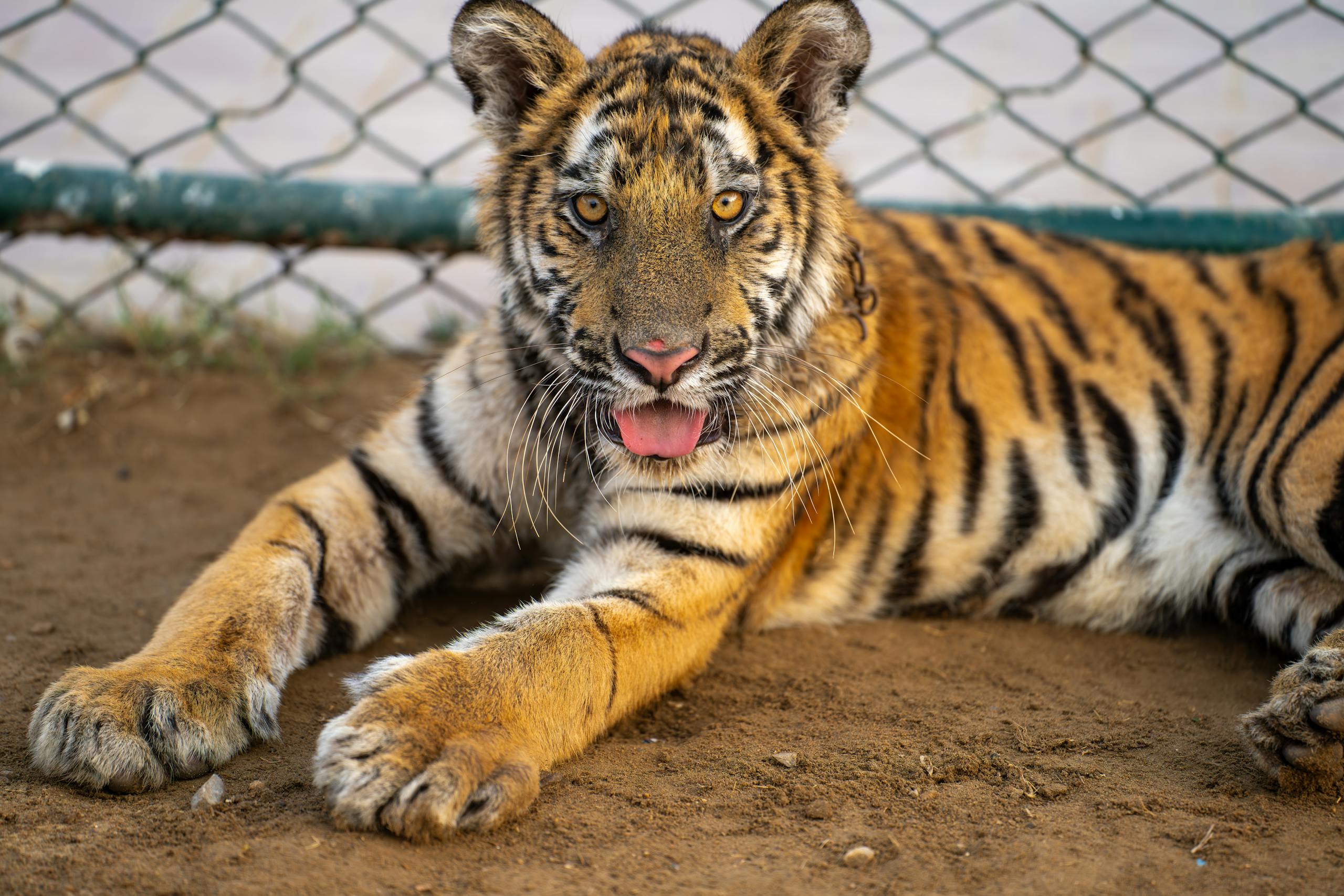
Big cats like tigers and lions are among the most expensive, and dangerous, exotic pets. They can cost anywhere from $5,000 to $10,000 to purchase, but the costs don’t end there.
Large enclosures, specialized food, and regular veterinary care can add up quickly, with annual expenses reaching up to $10,000 or more.
Furthermore, owning a big cat often requires legal permits and insurance, making the financial and ethical commitment even more significant.
Breakdown of Big Cat Costs:
- Initial purchase price: $5,000–$10,000
- Annual care costs: $5,000–$10,000 (enclosure, food, vet care)
- Ongoing expenses: Specialized food, large enclosures, vet care
Conclusion
While owning an exotic pet may seem glamorous, the financial commitment required to care for these animals is often staggering. From sugar gliders to tigers, each exotic pet comes with its own unique set of needs and costs.
Before deciding to bring an exotic animal into your home, it’s essential to carefully consider both the initial investment and the ongoing expenses.
Make sure you have the resources, time, and knowledge to properly care for your new companion and ensure that its environment meets its specific needs.