In Moscow and across Russia’s military infrastructure network, a quiet but significant shift is unfolding in the way modern warfare is fought.
Ukraine’s expanding drone campaign is increasingly targeting Russian airbases and strategic aircraft far beyond the frontlines, striking assets that were once considered safely positioned in the country’s rear operational zones. These aircraft, many of them aging Soviet-era long-range platforms, are not frontline fighters, but strategic tools used for surveillance, patrol, and long-distance military operations.
What is emerging is not just a series of isolated strikes, but a broader transformation in how distance, safety, and military depth are defined in contemporary conflict.
The central reality is becoming harder to ignore: in today’s battlefield, geography no longer guarantees protection.
Ukrainian drone strikes expand deeper into Russian military infrastructure.

АрміяInform, CC BY 4.0, via Wikimedia Commons
Reports indicate that Ukrainian forces have intensified long-range drone operations targeting Russian airbases hosting strategic aircraft, including maritime patrol and long-range reconnaissance platforms such as Tu-142-class aircraft.
These aircraft play critical roles in:
- Maritime surveillance across vast ocean regions
- anti-submarine detection operations
- long-range reconnaissance and patrol missions
- strategic military signaling and deterrence functions
Recent strikes have reportedly occurred at airfields in southern Russia, including Rostov Oblast, where large aircraft are stationed, maintained, or cycled through operational readiness.
Rather than focusing solely on frontline engagement, Ukraine’s drone strategy appears increasingly oriented toward:
- disrupting strategic infrastructure
- degrading long-term operational capacity
- targeting stationary high-value assets
- expanding reach deep into logistical and aviation hubs
This marks a shift from battlefield confrontation to systemic pressure on military infrastructure.
The cost asymmetry war: when inexpensive drones target strategic assets
One of the most significant underlying dynamics in these strikes is the imbalance between cost and value.
Ukraine’s drone systems are relatively low-cost compared to the strategic aircraft they are targeting. In contrast, Russian long-range aviation platforms represent:
- high manufacturing complexity
- limited production capacity
- decades-old engineering systems
- expensive maintenance and operational cycles
This creates a structural imbalance:
- Low-cost systems are impacting high-value assets.
- Replacement costs far exceed attack costs.
- sustainability of losses becomes strategically significant
Modern warfare is increasingly defined not by firepower alone, but by cost imbalance per strike.
This cost asymmetry changes the strategic equation. Even limited successful strikes can create disproportionate pressure on long-term military capacity.
Why these aircraft matter: strategic infrastructure, not just weapons
The aircraft being targeted are not frontline combat jets. Instead, they function as strategic infrastructure within Russia’s military system.
Platforms such as long-range patrol aircraft are used for:
- surveillance across maritime regions
- monitoring naval activity
- supporting strategic reconnaissance operations
- maintaining long-range operational awareness
These systems are essential not because they engage in daily combat, but because they extend Russia’s ability to observe and respond across large geographic areas.
In that sense, their value is systemic rather than tactical.
These aircraft function less like weapons and more like long-range sensing infrastructure for military awareness.
The collapse of “safe rear zones”: distance is no longer protection
Historically, military doctrine has relied on the concept of strategic depth, the idea that forces positioned far from the frontlines are relatively safe from direct attack.
That assumption is now being tested.
With long-range drone systems capable of reaching deep into Russian territory, traditional rear areas are becoming increasingly exposed. Airbases that were once considered secure are now part of a broader operational targeting environment.
This creates a new reality:
- Distance delays risk, but does not eliminate it.
- The rear infrastructure is now part of the active conflict space.
- Strategic depth functions more as a delay than a protection
Strategic depth no longer guarantees safety; it only postpones exposure.
The aging fleet problem: Soviet-era aircraft under modern pressure
A significant factor in this evolving vulnerability is the reliance on older aircraft platforms still in service, dating back to the Soviet era.
These systems often face:
- limited production replacement options
- high maintenance demands
- aging airframes requiring specialized servicing
- restricted modernization capacity
While still operationally valuable, their structural age makes them harder to replace if damaged or destroyed.
This creates a long-term strategic challenge: even limited losses can have an outsized impact due to replacement constraints.
The distributed battlefield: war without fixed frontlines
The nature of the conflict is also changing structurally.
Instead of a single continuous frontline, the war now includes:
- active trench warfare zones
- deep-strike infrastructure attacks
- rear-base targeting operations
- logistics and aviation disruption campaigns
This creates what analysts increasingly describe as a distributed battlefield, where critical military assets are dispersed across a wide geographic area yet remain vulnerable to precision strikes.
The battlefield is no longer a line; it is a network of exposed strategic points.
In this environment, infrastructure becomes as important as frontline positioning.
Drone saturation warfare: persistent pressure replaces isolated strikes
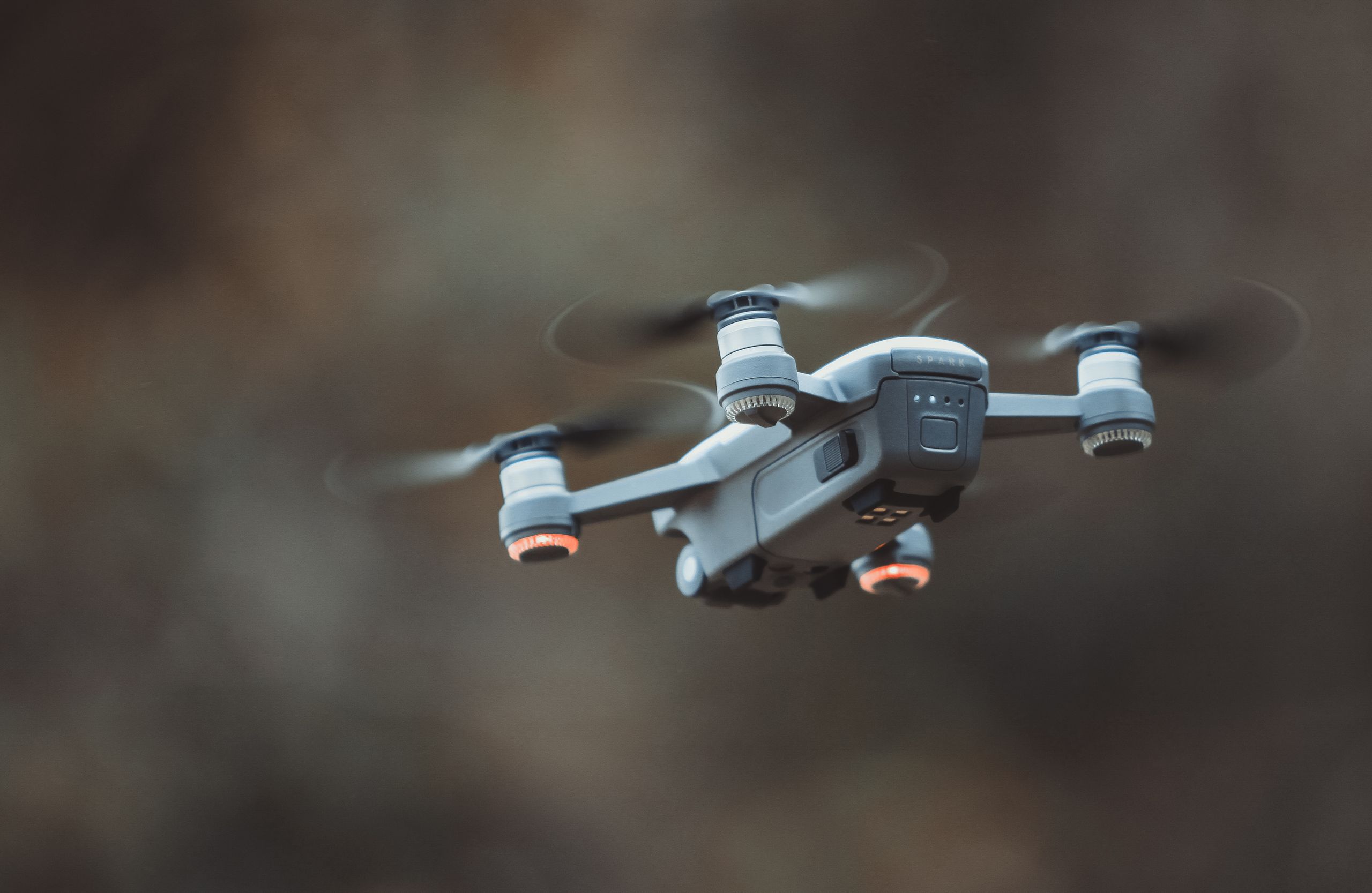
Another defining shift is the move from occasional strikes to sustained aerial pressure.
Modern drone warfare enables:
- Repeated targeting attempts
- continuous surveillance of airfields
- rapid deployment of low-cost systems
- persistent operational stress on defenses
This creates an environment where airbases are no longer static assets, but constantly monitored and intermittently exposed targets.
The result is not just physical damage risk, but operational disruption pressure across logistics, maintenance, and readiness cycles.
Strategic erosion: when airpower depth becomes harder to maintain
As drone capabilities expand, traditional airpower doctrine faces a structural challenge.
Key assumptions are being tested:
- that airbases provide protected staging environments
- that strategic aircraft are safe outside frontline zones
- That distance reduces vulnerability.
Instead, modern conflict is increasingly defined by:
- persistent visibility
- extended strike range
- rapid target reclassification
- reduced sanctuary space
Warfare is shifting from episodic strikes to continuous exposure environments.
This changes how military planners must think about asset protection and deployment strategy.
What happens next: adaptation, hardening, and escalation cycles
As both sides adapt, several developments are likely:
Expanded defensive layering
Airbases may see increased deployment of:
- air defense systems
- electronic warfare units
- radar expansion networks
- interception-focused counter-drone measures
Infrastructure hardening
Military facilities may shift toward:
- reinforced aircraft shelters
- dispersed storage patterns
- camouflage and deception systems
- Reduced predictability in asset positioning
Continued drone evolution
Drone systems are likely to:
- extend operational range
- improve navigation resistance
- increase payload effectiveness
- Enhance autonomous targeting capabilities.
This creates a cyclical environment of strike and countermeasure evolution.
A war defined by reach, exposure, and shifting assumptions

Ukraine’s continued drone strikes on Russian strategic aircraft highlight a broader transformation in modern warfare, one where distance no longer guarantees protection, and where high-value assets can be targeted far from active combat zones.
What is unfolding is not just a tactical exchange, but a structural shift in how military power is projected, protected, and sustained.
In this new environment:
- Cost efficiency matters as much as firepower.
- Geography no longer defines safety.
- infrastructure becomes a primary battlefield
- and exposure replaces distance as the defining risk factor
In modern warfare, the question is no longer how far from the front a target is but whether it can still be considered out of reach at all.