7 Mormon Practices That Make Sense When You Understand the History

Image Credit: paulmaguire via 123RF
Mormonism, officially known as The Church of Jesus Christ of Latter-day Saints (LDS), has long been an intriguing faith with practices that might seem unusual to outsiders. However, these practices make perfect sense when we look into the historical context that gave rise to them.
Here are key Mormon practices, rooted deeply in the church’s history, and how they contribute to the religious and spiritual identity of millions of believers today.
The Book of Mormon
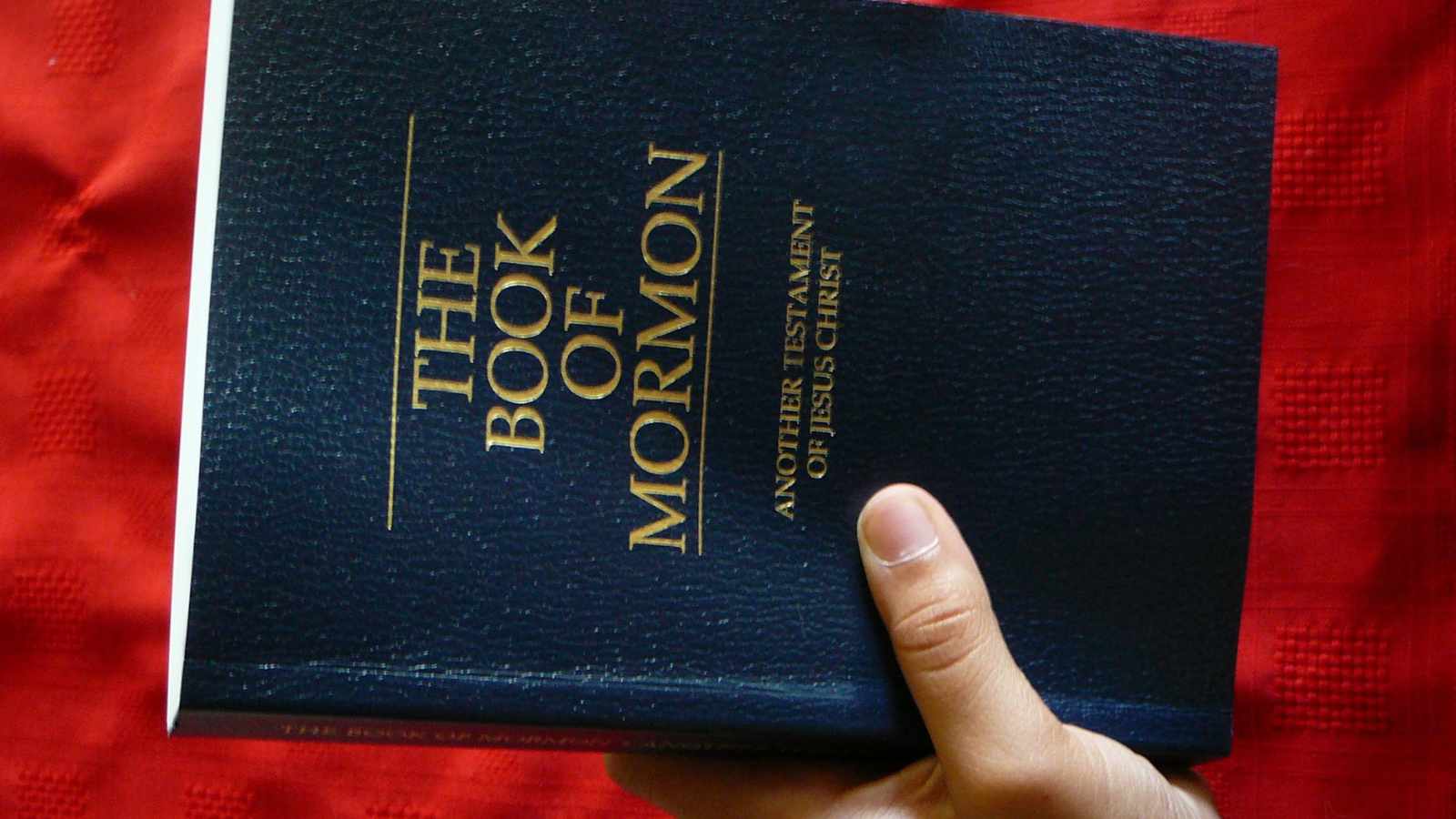
In 1830, Joseph Smith introduced a new scripture, the Book of Mormon, which he claimed to have translated from ancient golden plates. This foundational text, alongside the Bible, plays a central role in Mormon worship and beliefs. Early converts during the Second Great Awakening found hope in this scripture, seeing it as a means to recover lost Christian truths.
Today, the Book of Mormon has been translated into over 115 languages and remains a core component of Mormon theology.
Weekly Sacrament Meetings
Every Sunday, Mormons participate in sacrament meetings, where bread and water are shared to renew the covenants made at baptism. This tradition emphasizes reflection, commitment, and spiritual renewal. Young men usually administer the sacrament, reinforcing the community’s involvement and shared responsibility in upholding faith.
Polygamy
From the 1830s to 1890, polygamy was a practice within the Mormon faith, grounded in the belief that it reestablished Old Testament marriage principles. Joseph Smith himself had as many as 40 wives, and polygamy was seen as a way to care for widows, expand the faithful community, and strengthen unity. However, due to legal pressure, the LDS Church officially renounced polygamy in 1890.
Tithing

Tithing, the practice of giving 10% of one’s income to the church, is deeply rooted in Mormon history and theology. Based on the 19th-century communal economy, tithing finances various church activities, including the construction of temples, missionary work, and educational institutions. It is considered both an act of worship and a demonstration of faith.
Baptism for the Dead
The practice of baptism for the dead, introduced in 1840, allows Mormons to perform baptisms on behalf of deceased individuals who did not have the opportunity to embrace the gospel during their lifetime. This practice reflects the belief in the possibility of extending salvation to ancestors. In 2021 alone, more than 2.4 million proxy baptisms were performed.
The Gift of the Holy Ghost
After baptism, Mormons receive the gift of the Holy Ghost through the laying on of hands. This two-step process of baptism and confirmation is meant to signify the completion of Christian initiation, drawing inspiration from the New Testament. The Holy Ghost serves as a guide to help Mormons navigate their spiritual journeys.
Eternal Marriage

The concept of eternal marriage is central to Mormon doctrine, with ceremonies performed in temples to bind couples and families together for eternity, not just until death. This belief, which resonated with early converts who faced constant challenges in frontier conditions, remains a cornerstone of Mormon family life.
Key Takeaways
These Mormon practices, deeply rooted in the church’s historical context, provide profound insights into the faith’s evolution and the values it upholds. Some of these practices may appear unusual to outsiders, but they reflect the faith’s sincere efforts to restore what its founders believed to be lost or forgotten Christian truths.
Understanding the history behind these practices can offer a deeper appreciation for the commitment and spiritual conviction of millions of Mormons worldwide.