

This article was originally published on Crafting Your Home. A human contributor also wrote and edited the post.
NEW YORK, N.Y. The Lower East Side has changed almost beyond recognition since the late 19th century. The crowded tenement buildings that once housed waves of immigrants have given way to luxury apartments, trendy restaurants and some of the most expensive real estate in Manhattan.
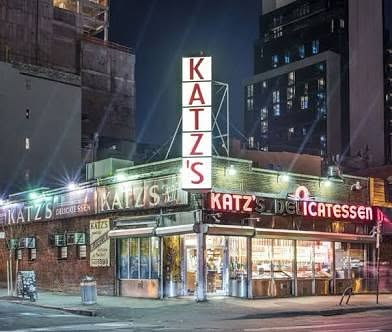
Yet on one corner of East Houston Street, one piece of old New York continues to hold its ground.
Katz’s Delicatessen has survived more than 130 years of wars, recessions, and neighborhood.
transformations and changing dining habits. The restaurant that began as a modest Jewish immigrant deli has become one of the city’s most recognizable landmarks, still serving pastrami sandwiches, matzo ball soup, and generations of customers who come looking for a taste of the New York that once defined the neighborhood.
Its story is not just about food. It is about endurance.
In a city where small businesses often struggle against rising costs and changing neighborhoods, Katz’s represents something increasingly rare: a local institution that adapted without losing the identity that made people love it in the first place.
From an Immigrant Neighborhood to a Global Landmark

Katz’s Delicatessen traces its roots back to 1888, when brothers Morris and Hyman Katz opened a small deli in the Lower East Side, an area that was then one of the largest immigrant communities in the United States.
At the time, the neighborhood was filled with Jewish families arriving from Eastern Europe, bringing with them languages, traditions and foods that would shape New York’s culture. Delis became gathering places where workers, families and neighbors could share meals and maintain connections in a rapidly changing city.
Katz’s grew alongside that community.
The deli became known for its traditional preparation methods, generous portions and old-fashioned counter service. While many restaurants adjusted their identities to follow changing trends, Katz’s built its reputation by preserving the experience customers already loved.
The result was a restaurant that became more than a place to eat. It became part of the city’s collective memory.
How a Neighborhood Changed Around It
Few businesses can claim to have watched an entire neighborhood transform around them.
When Katz’s opened, the Lower East Side was crowded with immigrant families, small shops,s and working-class residents. Over decades, the area experienced waves of change: residents moved to other parts of the city, businesses closed, and the neighborhood eventually became one of Manhattan’s most fashionable districts.
The transformation brought new challenges.
Rising rents, changing consumer preferences, and the growth of fast-casual dining created pressure for traditional restaurants across New York. Many historic businesses disappeared, unable to survive the costs and competition that came with a changing city.
Katz’s remained.
Part of the reason was its ability to attract both longtime New Yorkers and visitors searching for an authentic experience. While the neighborhood around it evolved, the deli became a symbol of continuity. Customers were not simply buying a sandwich. They were buying a connection to a piece of New York history.
The Secret Behind Its Longevity
Katz’s survival has never depended on chasing every new food trend. Instead, the deli has focused on consistency.
Its famous pastrami is still prepared through a traditional process that requires patience and attention. The counter-service atmosphere, handwritten tickets, and crowded dining room remain central parts of the experience.
That consistency has helped create loyalty across generations. A grandmother who visited Katz’s decades ago can bring grandchildren today and find many of the same traditions still intact. Tourists who have seen the deli featured in movies and television arrive looking for the same experience they have heard about.
The restaurant has successfully balanced nostalgia with the realities of modern business.
It has embraced technology, expanded its online presence, and reached customers beyond Manhattan, while keeping the physical restaurant’s personality unchanged.
Surviving New York’s Toughest Moments
Katz’s has operated through some of the most difficult periods in modern history.
The deli survived the Great Depression, World War II, economic downturns,s and the challenges that followed the September 11 attacks, which heavily affected Lower Manhattan businesses.
Like restaurants across the country, Katz’s also faced major challenges during the COVID-19 pandemic, when indoor dining restrictions threatened the survival of countless independent food businesses.
The pandemic forced many restaurants to rethink operations, and Katz’s adapted through expanded takeout and delivery options while maintaining its connection with customers. Its ability to survive repeated disruptions reflects the same quality that has carried it for more than a century: resilience.
Why Katz’s Still Matters to New York
In a city known for constant reinvention, preserving history has become increasingly valuable.
Katz’s represents a version of New York that many residents fear is disappearing: a city of neighborhood businesses where owners know their customers, workers build long careers and restaurants become community landmarks.
The deli also represents the importance of immigrant influence on American culture. The foods, traditions and businesses created by immigrant communities helped shape New York’s identity, and
Katz’s remains one of the clearest examples of that legacy. Its continued operation is a reminder that local businesses are not just economic institutions. They are cultural records. More Than a Sandwich Shop
For visitors, Katz’s is often treated as a must-see New York attraction. For locals, it represents something more personal. It is a place where memories are created. Families celebrate milestones there. Former residents return during visits. New Yorkers bring friends from out of town to introduce them to a piece of the city they know.
That emotional connection is difficult for newer businesses to manufacture.
A restaurant can copy a menu, recreate a design or imitate a style. But it cannot easily recreate more than a century of stories.
What Comes Next for This New York Institution
The future of historic businesses like Katz’s depends on their ability to honor the past while preparing for what comes next. The deli continues to operate in one of the world’s most competitive restaurant markets, where customer expectations and business costs continue changing.
But its history suggests that adaptation does not always require reinvention. Sometimes survival means knowing exactly what customers value and protecting it.
The Bottom Line
More than 130 years after opening its doors, Katz’s Delicatessen remains a rare example of a business that outlasted the city around it without becoming frozen in time. The Lower East Side changed. New York changed. The way people eat changed. Katz’s stayed.
Its story is not only about pastrami, sandwiches, or a famous deli counter. It is about the power of local businesses to become part of a city’s identity, surviving because generations of people decide they are worth saving. In a city where everything seems to move forward, Katz’s stands as proof that some traditions are worth carrying along.