7 Money-Saving Habits From the 1960s Families Should Adopt Today

Image Credit: Karola G via pexels
In an era marked by fast consumerism and relentless spending, there is much to be learned from the financial practices of the past. The 1960s, in particular, saw families develop money habits that were not only frugal but also strategic, ensuring financial stability and comfort.
Today, as families face inflation, rising costs of living, and economic uncertainty, revisiting and adapting some of these old-school frugal habits can be an effective way to save money and build wealth.
Paying With Cash

In the 1960s, families often paid with cash for everything, making it much easier to stay within budget. Unlike credit cards, which allow for overspending, paying with cash forces families to stick to a set amount.
Today, the habit of using cash has faded, but its power to curb impulsive spending is undeniable. By allocating a specific amount of cash to each spending category (groceries, entertainment, etc.), families can ensure they don’t overspend. This simple strategy is one of the most effective tools for controlling finances.
Passing Down Heirlooms
In the 1960s, many families cherished heirlooms, passing them down from one generation to the next. This practice was not just about preserving memories but also about maintaining value. Passing down high-quality items helped reduce the need for unnecessary purchases.
In today’s consumer-driven culture, the idea of heirlooms might seem outdated, but there’s much to gain by repurposing or inheriting items rather than constantly buying new ones. From clothes to appliances, there’s financial wisdom in maintaining and reusing what has already been acquired.
Regular Bank Statement Reviews
Back in the 1960s, families were meticulous about reviewing their bank statements to track expenses, spot errors, and monitor for fraudulent activity. In today’s digital age, it’s easy to overlook the importance of this simple practice. However, reviewing statements regularly can provide a clear picture of your spending habits and identify areas for improvement.
Even if balancing a checkbook is not necessary in modern times, going over bank statements can help families stay on top of their finances, reduce stress, and avoid unpleasant surprises.
The Power of Home Cooking
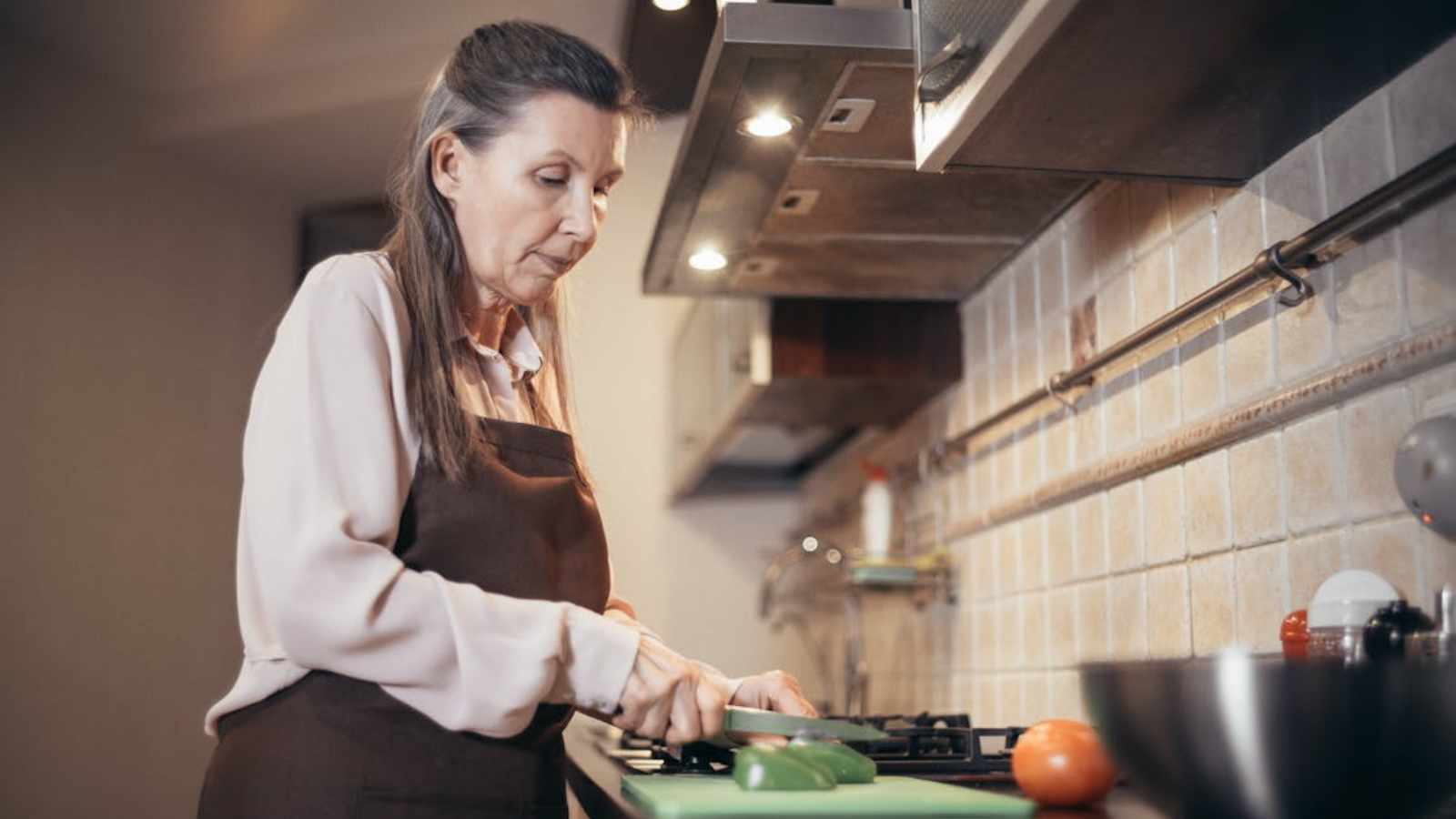
The kitchen table was once the heart of family life, and the importance of home cooking cannot be overstated. In the 1960s, cooking from scratch was not just a way to feed the family; it was a way to save money. Today, many families rely on fast food, takeout, or pre-packaged meals, which, over time, can add up to a substantial financial drain.
Home cooking offers not only financial benefits but also health advantages. It allows families to control ingredients, portion sizes, and overall nutrition.
Comparison Shopping
The rise of the internet has made it easier than ever to compare prices before making a purchase. In the 1960s, families didn’t have the luxury of online price-comparison tools, but they still made a point of checking prices at different stores. Today, price-comparison websites and coupon apps can help families stretch their dollars even further.
Whether it’s using coupons or taking the time to shop around before making a major purchase, comparison shopping is an important habit that modern families should embrace.
Use It Until It’s Unusable
In the 1960s, families were known for using items until they were completely worn out. The idea of discarding something simply because it had been used for a while was unthinkable. The modern obsession with “new” can lead to waste and unnecessary spending, often for items that are still functional.
By adopting this mindset, families today can significantly cut costs. Instead of buying the latest model of a gadget or upgrading to the newest fashion, consider getting the most out of what you already own. Repairing and maintaining items can help extend their lifespan and save a great deal of money.
Building an Emergency Fund

The financial stability of the 1960s was partly due to families’ ability to build small emergency funds for unexpected car repairs, medical bills, or home maintenance. Having a small safety net allowed families to handle emergencies without resorting to credit cards or loans.
Today, creating and contributing to an emergency fund remains one of the most important financial habits. Even small contributions from each paycheck can add up over time, ensuring that your family is prepared for whatever life throws your way.
Key Takeaways
Adopting frugal habits from past generations doesn’t mean living in the past. It means bringing forward timeless strategies that promote financial security, stability, and peace of mind. By cooking at home, using cash, and reviewing bank statements, modern families can thrive in an increasingly complex financial landscape.