


The post 9 Mistakes Dog Groomers See Owners Make Every Week first appeared on Crafting Your Home.
Your dog may look clean, fluffy, and perfectly fine at first glance. But professional groomers often notice problems hiding beneath the surface, including knots close to the skin, nails that have grown too long, or areas owners simply forgot to brush.
Home grooming is also becoming more common. The American Pet Products Association reported in 2026 that 51% of dog owners groom their dogs at home. That can save time and help owners keep up with basic care between appointments, but small mistakes can make the next grooming session much harder.
The good news is that many of these problems are preventable. Here are nine common grooming mistakes dog owners make and what professionals recommend doing instead.
Bathing a Dog Before Dealing With Mats
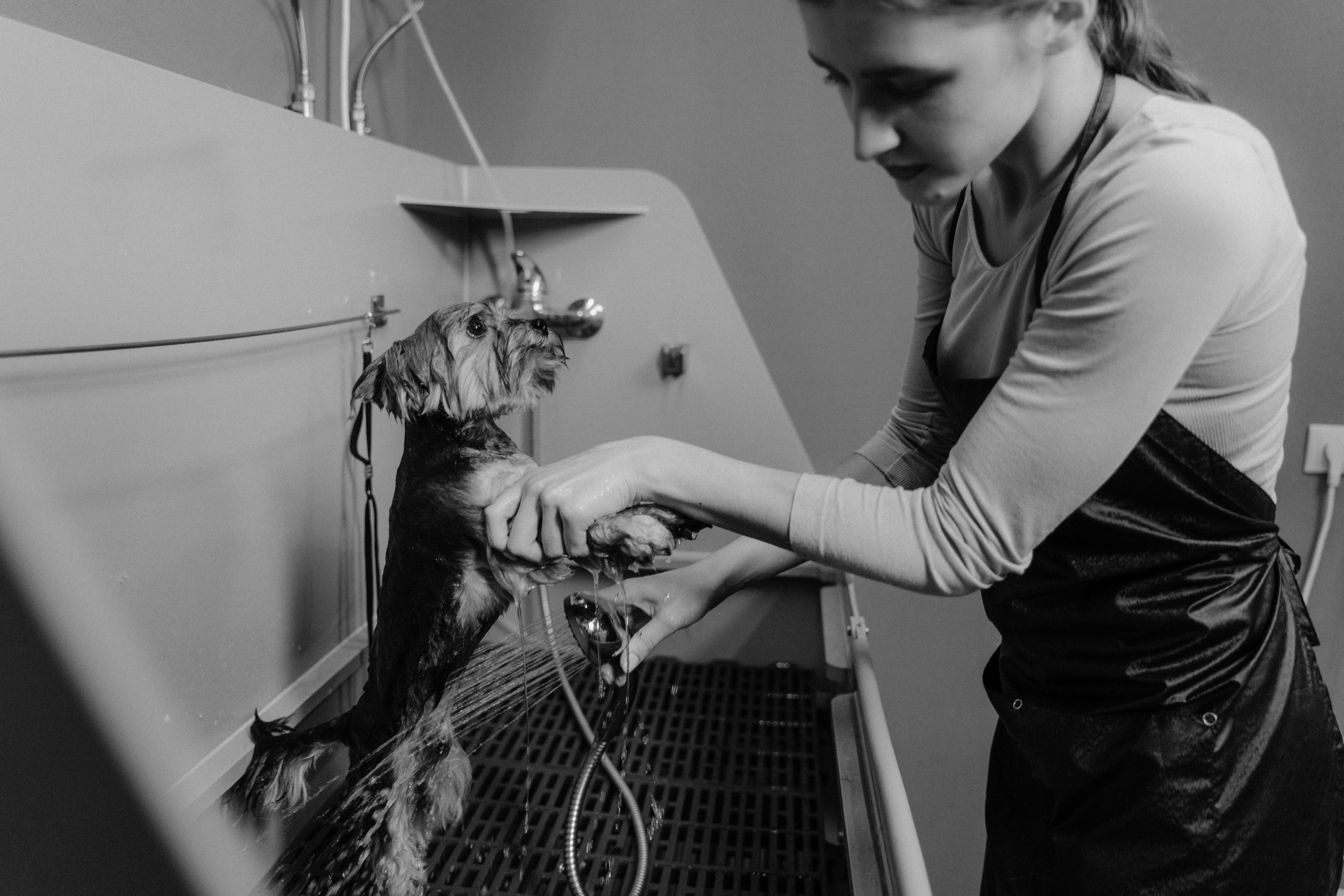
A bath may seem like the obvious first step when your dog is dirty, but water is not always a tangled coat’s best friend. The American Kennel Club warns that bathing a dog with mats can tighten those tangles and make them harder to brush out afterward. What looked like a manageable knot before the bath may become a much bigger grooming problem.
Before turning on the water, gently brush and comb through your dog’s coat. Watch for any tangles you find. Small, loose knots may be manageable at home, but tight or painful mats are better left to an experienced groomer. Long, curly, and silky coats usually need especially close attention.
Cutting Tight Mats Out With Scissors
This is one mistake where trying to save a grooming appointment can end badly. A tight mat can sit extremely close to the skin. Sliding household scissors underneath it creates a real risk of accidentally cutting the dog, especially around the ears, armpits, paws, and groin.
VCA specifically recommends against using scissors to remove mats. You can gently handle loose tangles that come apart easily at home. Tight, extensive, or painful matting is different.
A professional groomer has the equipment and experience to remove difficult mats more safely. If the skin underneath looks sore or irritated, you may also need veterinary care.
Brushing Only What You Can See
A few passes across your dog’s back can make the coat look beautifully brushed. Unfortunately, that does not mean the job is finished. Tangles often form in easy-to-miss places such as behind the ears, under the legs, around the groin, and where the legs meet the chest. Movement and friction can cause hair to knot together in these areas.
The goal is to gently work through the coat rather than simply smoothing the surface. Professional groomer Dale Martins advises owners to brush the hair instead of scraping the skin. If you are unsure how deeply you should brush, ask your groomer to demonstrate the right technique for your dog’s coat.
Using the Wrong Brush
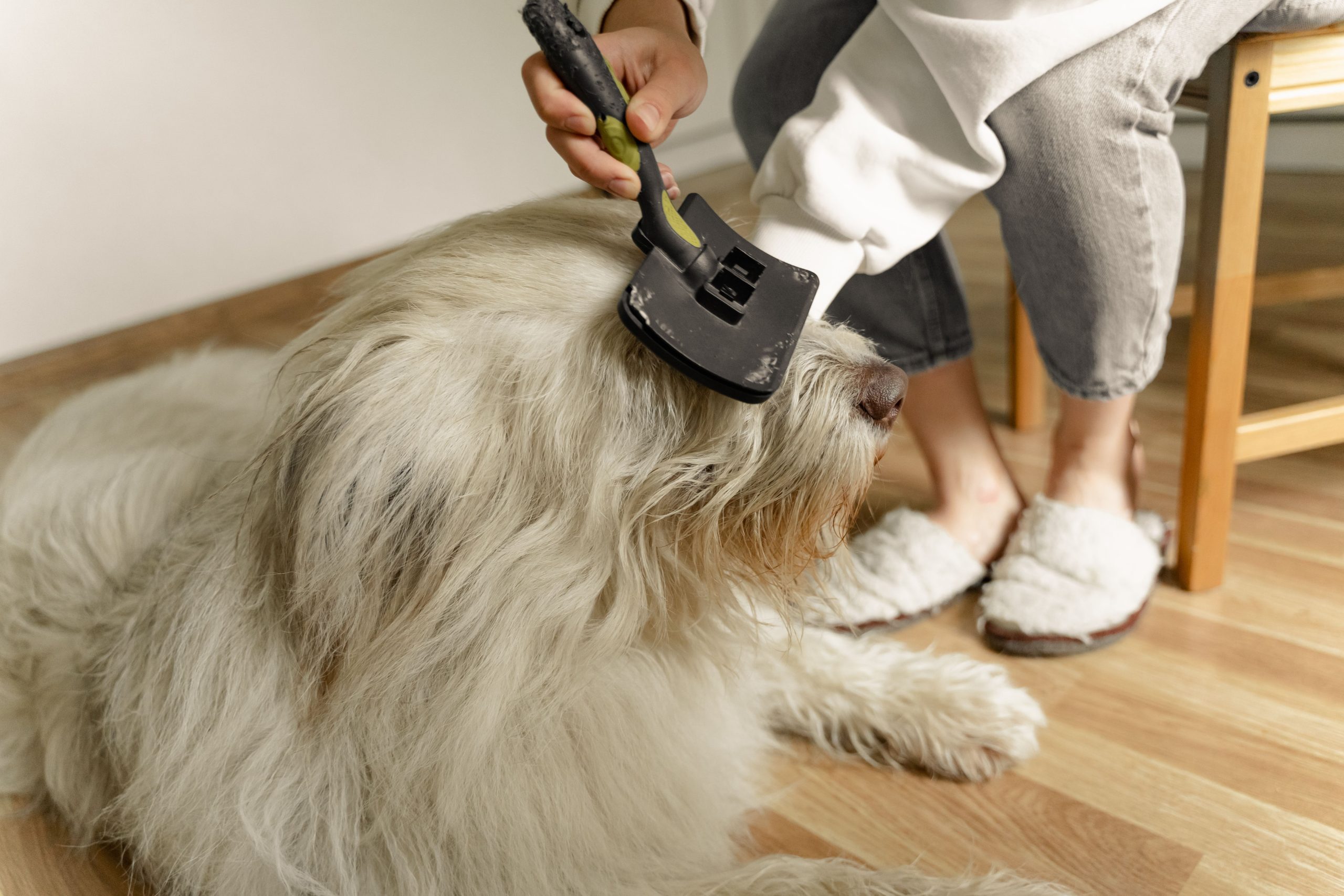
The brush that works perfectly on your neighbor’s Boxer may be almost useless on your Poodle. Different coats need different grooming tools. VCA Animal Hospitals notes that curly coats may benefit from slicker brushes, smooth coats may do well with grooming gloves or short-bristled brushes, and long coats may need long-toothed combs.
One common problem is using a brush with bristles that never reach through a thick or long coat. The top looks neat, but tangles remain underneath. Brushing harder is not the answer, either.
Tugging repeatedly at a stubborn knot can make grooming uncomfortable. If you are unsure about your tools, bring them to your next grooming appointment and ask whether they are appropriate for your dog.
Waiting Until the Coat Looks Bad
Some owners schedule grooming only when their dog starts looking shaggy. By then, the coat may already require much more work. Grooming schedules are not one-size-fits-all. Breed, coat type, lifestyle, weather, haircut style, and home maintenance can all affect how often a dog needs professional care.
Dogs with continuously growing hair, including Shih Tzus and Yorkshire Terriers, generally require regular haircuts. A short-haired dog may not need clipping but still needs nail care, bathing, brushing, and other maintenance. Instead of waiting for your dog to “look overdue,” ask your groomer what schedule makes sense for that particular coat.
Forgetting About the Nails
A dog does not need a haircut to need grooming. Nails are one of the easiest areas to overlook, particularly when owners assume daily walks naturally wear them down. That does not happen equally for every dog.
VCA advises that many dogs need nail trimming about once a month, although individual needs vary. Dewclaws deserve extra attention because they don’t normally touch the ground and therefore don’t wear down through walking.
Overgrown nails can cause discomfort, affect the way a dog walks, and make broken nails more likely. If trimming dark nails makes you nervous because you cannot easily see the quick, ask a groomer or veterinary professional for help.
Shaving a Double-Coated Dog to Stop Shedding
When fur seems to cover every couch cushion in the house, shaving it all off can sound like an easy solution. For double-coated breeds, however, that approach can create new problems.
Dogs such as Huskies and Golden Retrievers have an outer coat and an insulating undercoat. Labrador Retrievers are double-coated too, even though their hair looks much shorter. Professional groomers caution that shaving does not actually stop shedding. It also removes much of the coat’s protective benefits.
Instead, regular brushing, bathing, and removal of loose undercoat are generally better options. Exceptions exist, including severe matting or medical needs, so decisions about clipping should be based on the individual dog.
Using Human Shampoo and Rushing the Bath
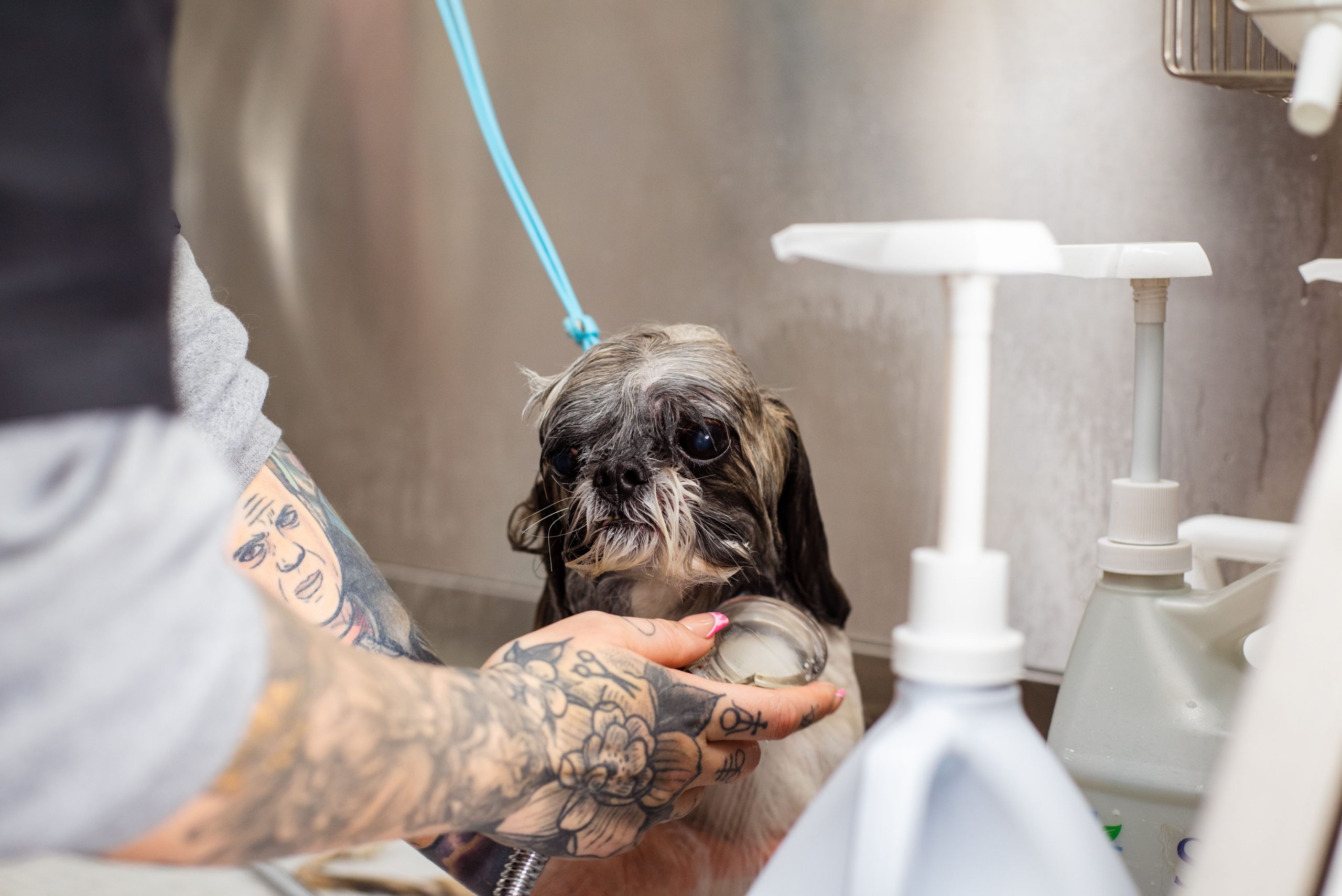
When you run out of dog shampoo, reaching for your own bottle can feel harmless. The ASPCA notes that some ingredients in human shampoos can irritate a pet’s skin. A dog-formulated product is the safer routine choice unless a veterinarian recommends something different.
Rinsing is just as important. Shampoo left behind in a thick coat may irritate the skin, so keep rinsing until the product is fully removed. Drying deserves attention too. A thick coat can feel dry on top while moisture remains underneath.
Owners should also avoid letting water collect inside the ears. Bath time should be thorough, not rushed.
Turning Grooming Into a Wrestling Match
Some dogs run at the sight of nail clippers. Others refuse to stay still for brushing. Trying to finish the entire task by force usually does not make the next grooming session easier. Dogs can gradually learn that grooming is normal. Start with short sessions.
Touch the paws, ears, legs, and coat when you don’t need to groom. Reward calm behavior and slowly introduce brushes, combs, clippers, or nail tools. For nail trimming, that might mean practicing comfortable paw handling first and eventually trimming just one nail during a session. Fear Free guidance encourages owners to watch for signs of discomfort and adjust, rather than push through severe distress.
Small Habits Can Make Grooming Much Easier
Professional grooming is about much more than giving a dog a stylish haircut. Regular brushing, nail checks, coat care, bathing, and comfortable handling can all make a difference between appointments. Certified groomer Tammy Myers puts it simply: “Grooming is more than a haircut.”
Most owners don’t make grooming mistakes because they don’t care. Often, they simply do not realize how different one dog’s coat and grooming needs can be from another’s. A few minutes of the right home care can make your dog more comfortable and make the next grooming appointment much smoother for everyone involved.
Other Posts You Might Like
- why-dogs-love-squeaky-toys-so-much-according-to-research
- dogs-dont-actually-feel-guilty-what-that-guilty-look-really-means-according-to-research
- the-7-dog-years-rule-is-wrong-heres-how-scientists-now-calculate-your-dogs-age
If you like what you just read, then subscribe to our newsletter and follow us on social media.


