Medical Innovations Shaping the Future of Healthcare
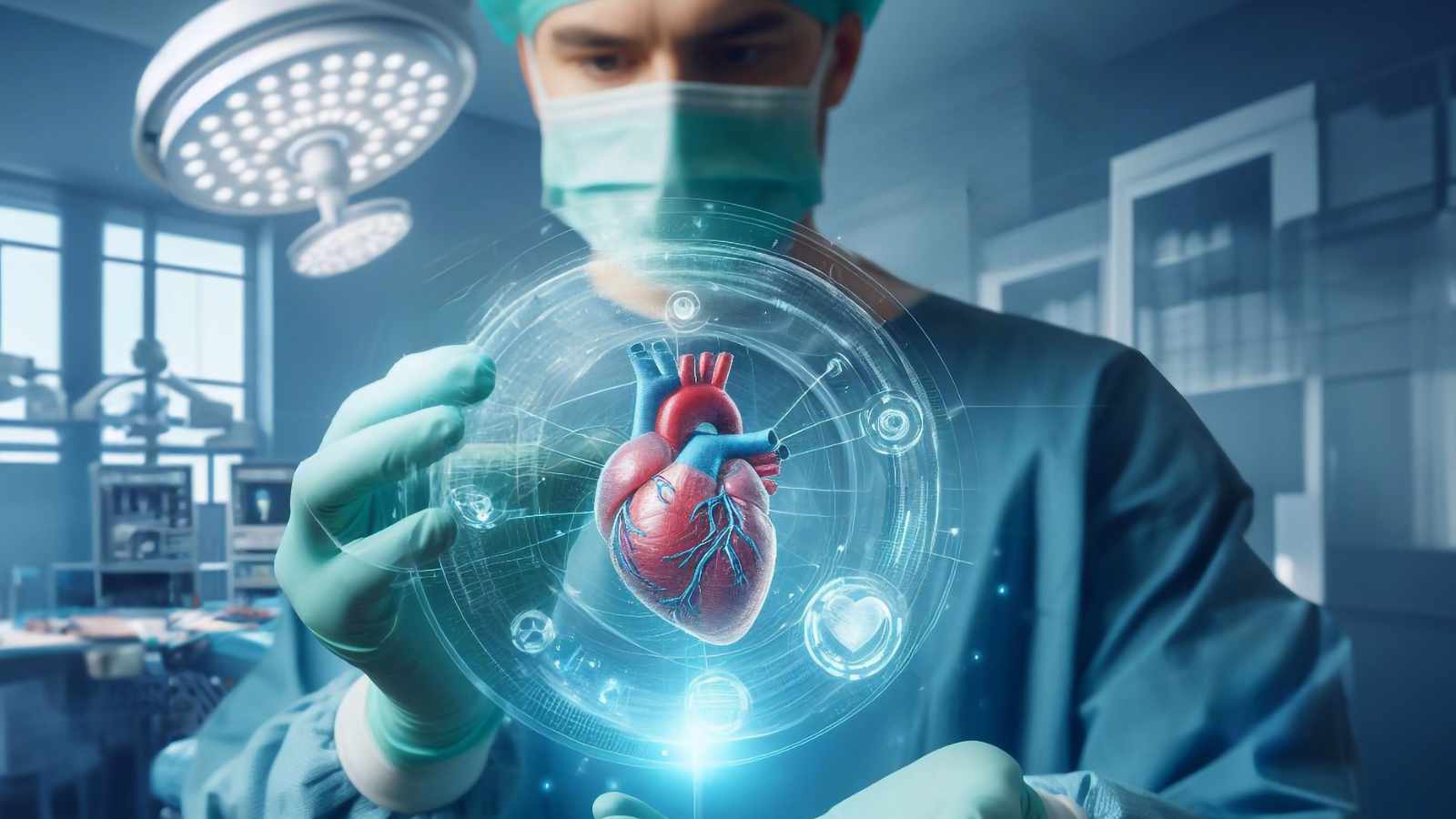
Image Credit: gmm2000 via 123RF
As we step further into the 21st century, healthcare is rapidly evolving. The blending of cutting-edge technology and bold new scientific discoveries promises to revolutionize the way we treat common medical problems.
The future of healthcare looks nothing short of extraordinary. Below are futuristic medical ideas that are pushing the boundaries of what we thought was possible, offering hope for better health outcomes, longer lives, and transformative treatments.
Healing Guts with Lab-Made Mucus
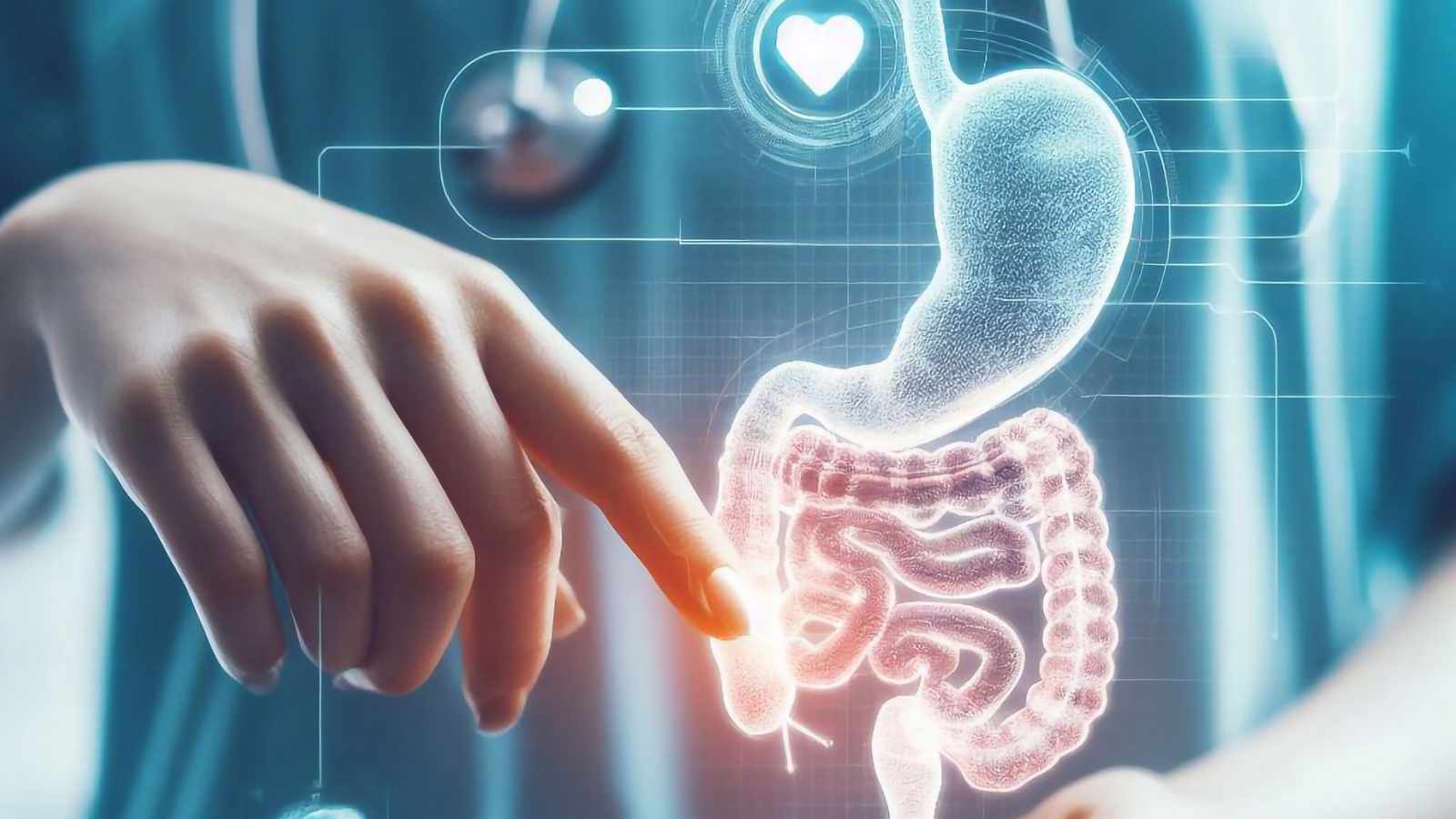
The gastrointestinal system is complex, and injuries or conditions such as ulcers can severely impact a person’s health. To address this, researchers have developed a synthetic mucus-like material, the ultrastable mucus-inspired hydrogel (UMIH), which can heal gut wounds.
Unlike other materials that break down in stomach acid, this gel resists degradation and can slowly release medications directly into the bloodstream. UMIH has the potential to treat ulcers, intestinal wounds, and other gastrointestinal issues by providing a protective coating that promotes healing from within.
Artificial Hearts Powered by Titanium and Magnets
Heart disease remains one of the leading causes of death worldwide. However, the development of artificial hearts is reshaping the future of cardiovascular care. The BiVACOR, a titanium heart powered by a magnetically suspended rotor, offers a breakthrough solution for patients suffering from severe heart failure.
The BiVACOR’s single moving part makes it more reliable and less prone to wear and tear, potentially offering patients a viable long-term solution until a heart transplant is available. For individuals who may never be candidates for a transplant due to age or other health issues, this technology could provide a permanent lifeline.
Brain-Implanted Chips
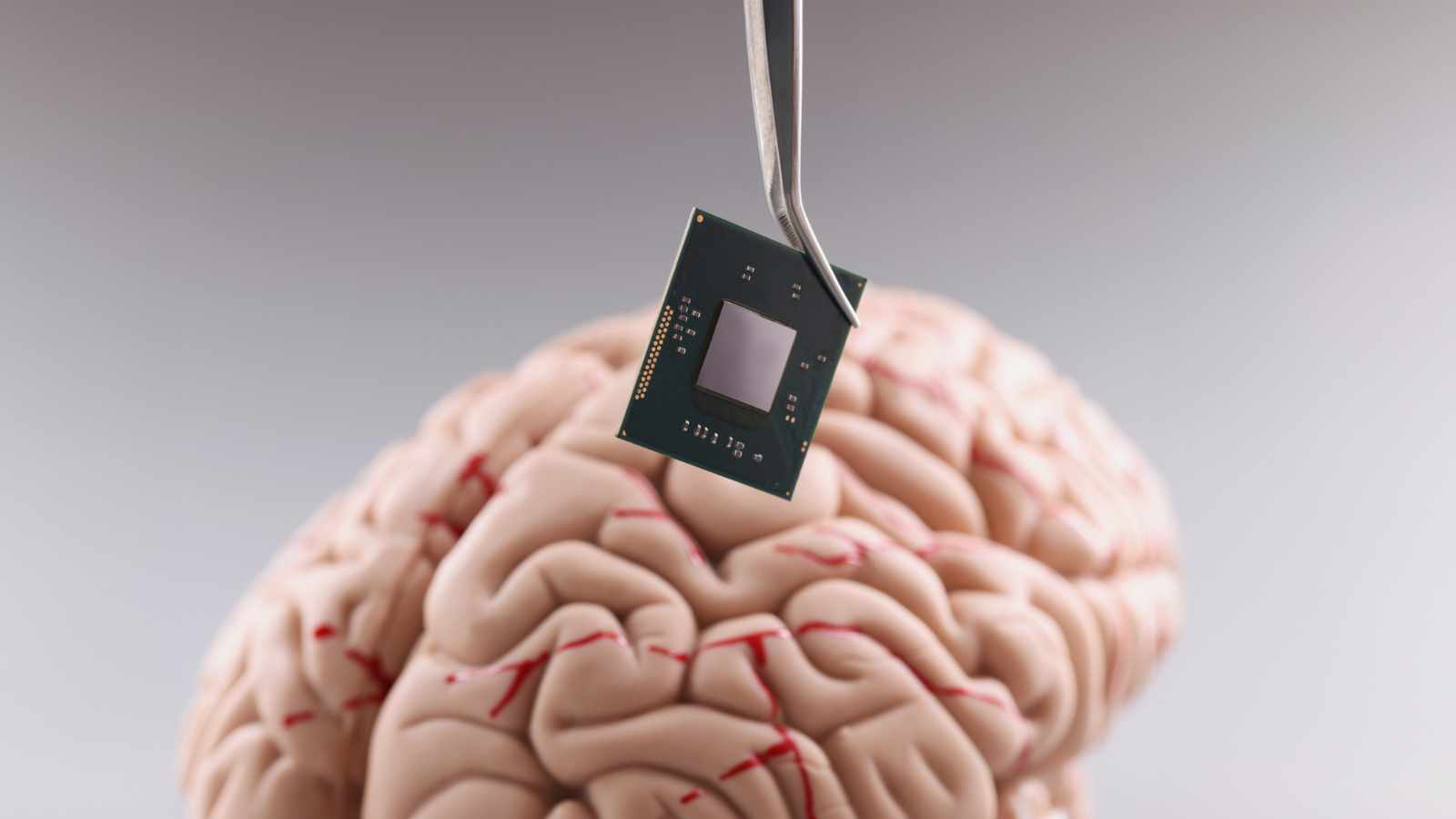
The brain, despite centuries of research, remains one of the least understood organs in the human body. However, a new wave of brain chips and bioelectronic devices is promising to reveal the complexities of neural development in unprecedented detail. Scientists at Harvard have pioneered the development of flexible, bioelectronic implants capable of monitoring brain activity at a cellular level.
These chips can track electrical signals from individual neurons, offering a window into brain development. This technology has the potential to transform how we diagnose and treat neurodevelopmental disorders such as schizophrenia, autism, and bipolar disorder by identifying early-stage changes in brain function.
Regrowing Teeth Using Pig and Human Cells
The loss of a tooth, whether from decay or injury, is a common issue, but the ability to regrow teeth could soon be within reach. Researchers at Tufts University have made progress in using a combination of human and pig cells to regenerate teeth. Scientists have grown teeth that closely resemble human teeth by implanting these cells into pig jawbones.
These bioengineered teeth offer advantages such as better cushioning, support for bone health, and the ability to transmit sensory feedback. In the future, this technology could allow individuals to replace lost teeth with living, biologically functional replacements.
Fat-Busting Beads
As obesity rates continue to rise globally, innovative solutions for weight management are in high demand. A revolutionary development from Sichuan University involves fat-busting “boba” beads made from green tea compounds and vitamin E. When ingested, these beads expand in the intestine, trapping fat particles and preventing their absorption. The beads are then excreted naturally, allowing for fat loss without invasive surgery or harmful side effects.
In animal trials, these beads have shown remarkable promise, with rats losing up to 17% of their body weight. In the future, these beads could be incorporated into everyday products like bubble tea or desserts, providing a simple and enjoyable way to manage weight.
AI-Powered Heart Disease Detection
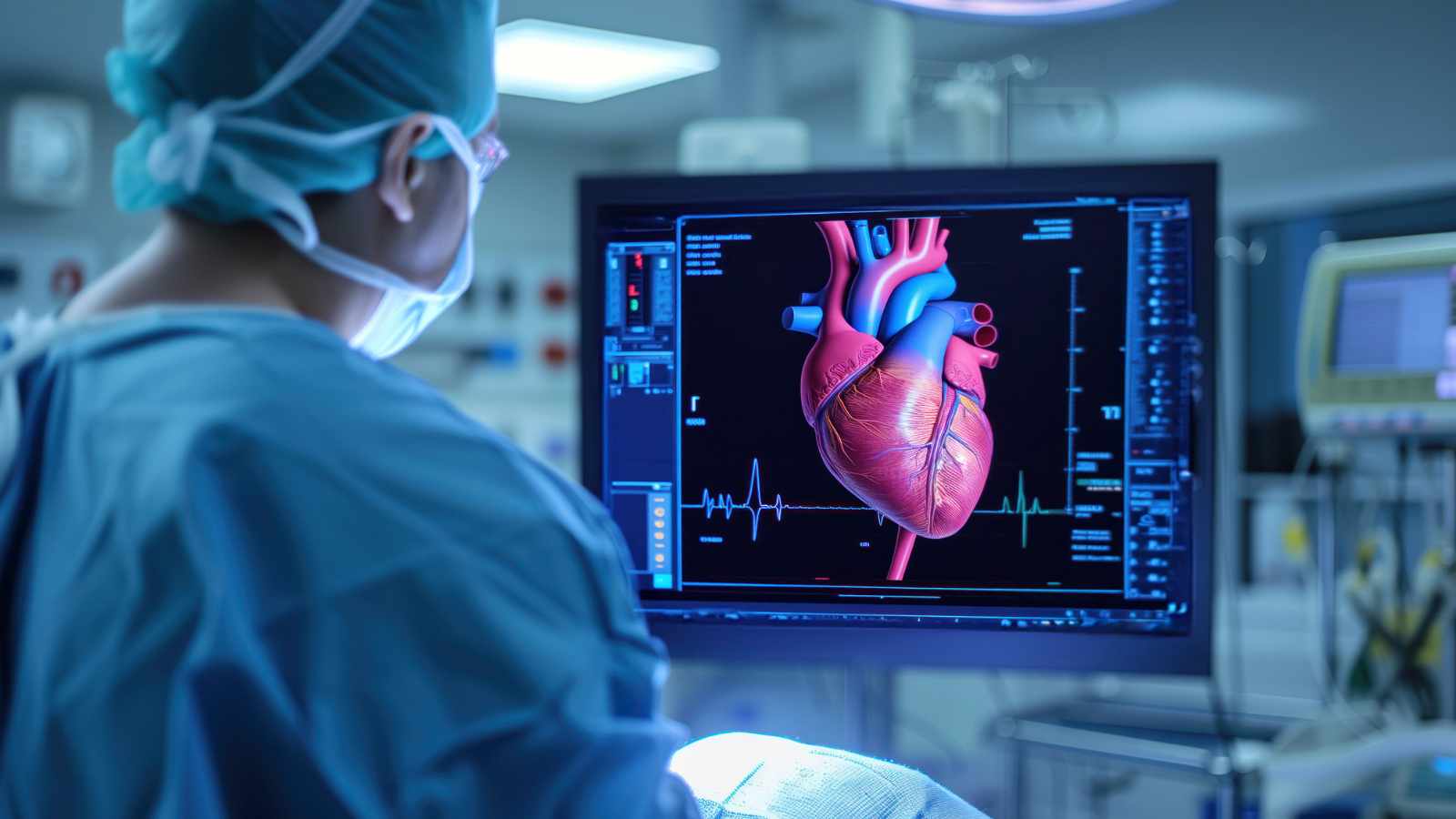
Artificial intelligence (AI) is transforming diagnostics across multiple medical fields, and cardiology is no exception. The development of AI models capable of analyzing echocardiograms—ultrasound images of the heart—could revolutionize how we detect heart disease. AI tools like PanEcho are already capable of assessing heart function in real time by analyzing complex echocardiographic videos.
With the ability to identify subtle signs of heart disease more accurately and quickly than human doctors, AI-powered heart disease detection promises to save countless lives by enabling earlier intervention and more personalized treatments.
Wearable Robots
Neurodegenerative diseases such as Parkinson’s and Alzheimer’s rob individuals of their independence by impairing mobility and function. However, wearable robotic devices are offering new hope for rehabilitation and daily mobility. Scientists at Harvard have developed soft, wearable robots that help individuals regain arm and shoulder movement.
These robots use machine learning to tailor their assistance to the user’s needs, making them adaptable for rehabilitation. With continued development, these devices could enable individuals with neurodegenerative diseases to regain their ability to perform everyday tasks and improve their overall quality of life.
The Future of Medicine is Here
The future of healthcare holds exciting possibilities. Some of these innovations are still in their infancy, but the rapid pace of progress suggests that many could become common practices in the near future.
As research continues and technology advances, we are likely to see even more life-changing medical breakthroughs that will help millions live longer, healthier lives. The next generation of medical treatments promises to address today’s problems and prevent tomorrow’s medical challenges.