

This article was originally published on Crafting Your Home. A human contributor also wrote and edited the post.
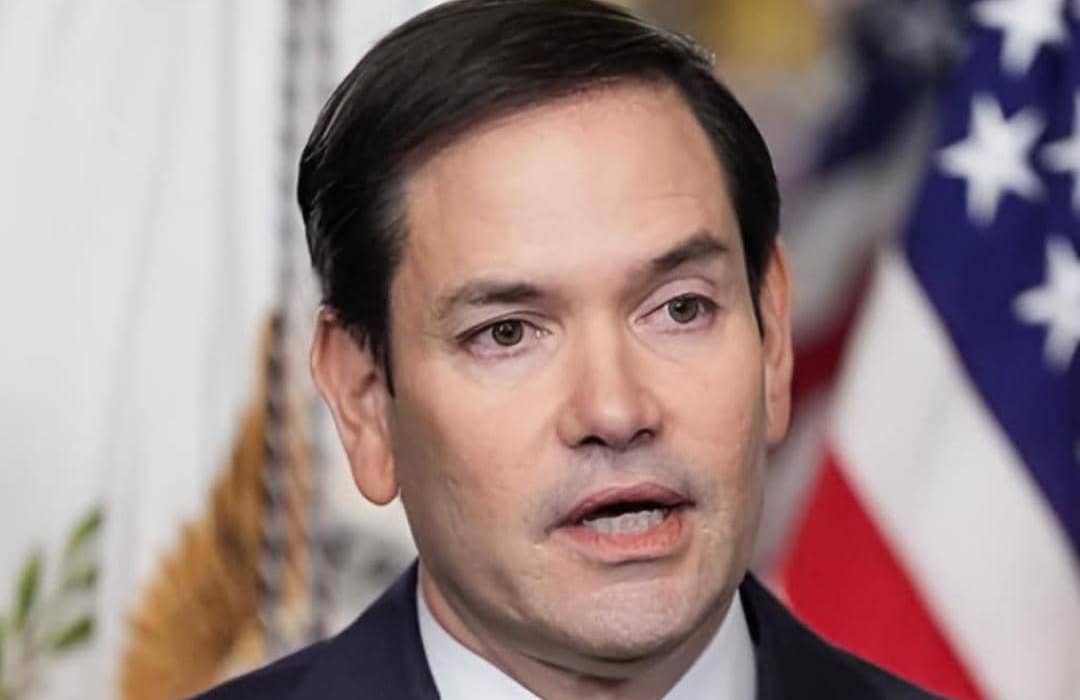
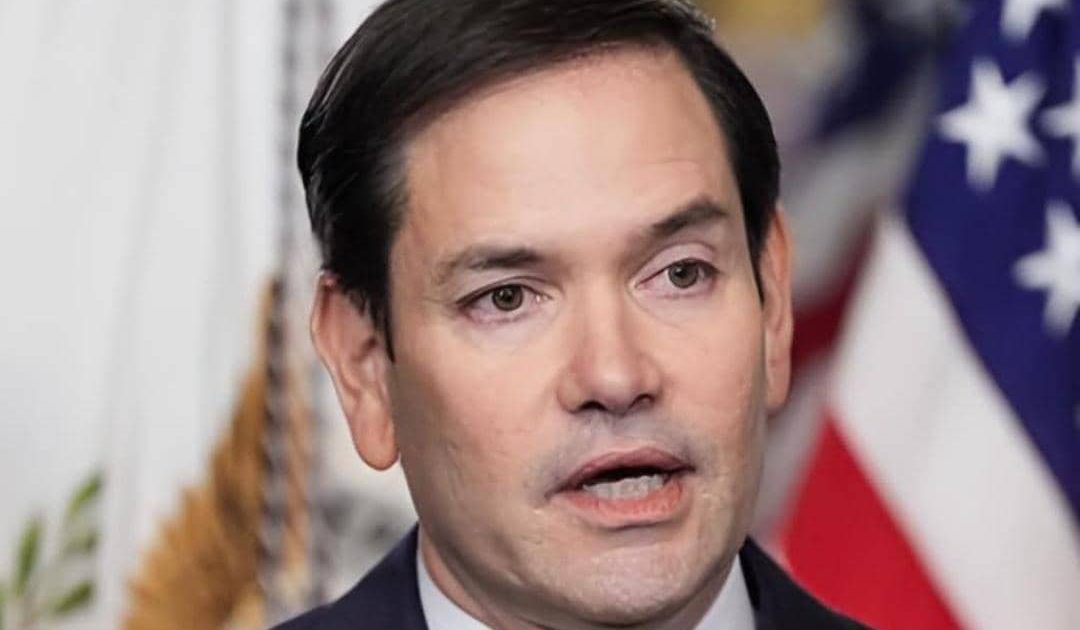
Sen. Marco Rubio sparked a major political debate after describing the fight against extremist groups as a “civilizational conflict with radical Islam,” arguing that certain extremist movements seek to challenge Western societies fundamentally.
The comments, which Rubio made after the 2015 Paris terrorist attacks, resurfaced in public discussions as debates over terrorism, national security, immigration, and religious extremism continue. Rubio’s remarks focused specifically on radical Islamic extremist groups. Still, they also reignited a broader conversation about how politicians discuss Islam, a global religion practiced by more than a billion people.
Rubio argued that the threat came from extremist ideologies rather than ordinary religious communities. His wording, however, has remained controversial, with supporters saying he was warning about a serious security threat and critics arguing that such language risks creating confusion between extremist groups and peaceful Muslims.
Rubio’s Warning After the Paris Attacks
Rubio made the remarks following the deadly terrorist attacks in Paris in 2015, when ISIS claimed responsibility for coordinated attacks that killed more than 100 people.
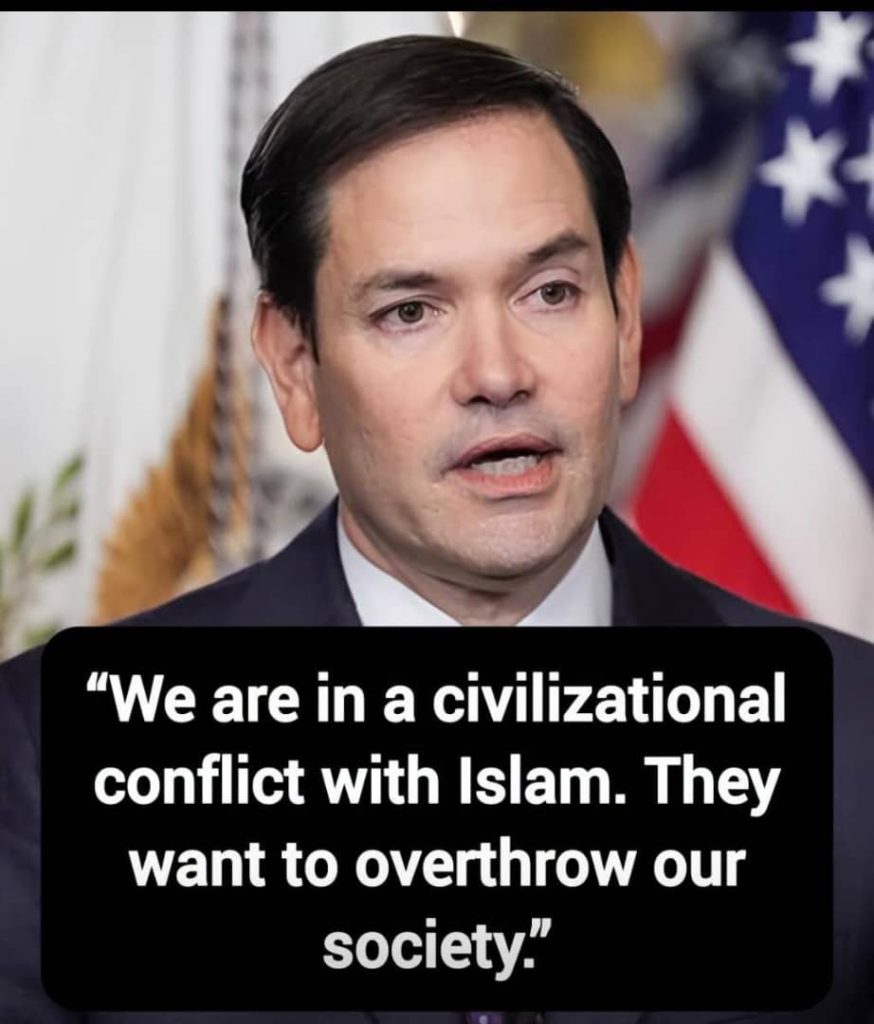
At the time, Rubio said the attacks demonstrated a larger ideological struggle. He stated, “What we’re involved in now is a civilizational conflict with radical Islam.” He added that the conflict was not simply about territory or traditional disputes between countries, arguing that extremist groups wanted to replace existing societies with their own radical interpretation of Islam.
Rubio also said, “They literally want to overthrow our society and replace it with their radical, Sunni Islamic view of the future.”
The senator’s comments reflected concerns among many U.S. officials at the time about ISIS, which had captured territory in Iraq and Syria and carried out terrorist attacks around the world.
Supporters of Rubio’s position argued that governments needed to recognize the ideological nature of extremist movements rather than treating attacks as isolated crimes.
They pointed to ISIS propaganda, recruitment efforts, and attacks against civilians as evidence that extremist organizations were attempting to spread a political and religious ideology through violence.
Supporters and Critics Clash Over the Meaning Behind the Words
Rubio’s use of the phrase “civilizational conflict” quickly became one of the most debated parts of his remarks.
Supporters argued that he was clearly referring to radical extremist groups, not all Muslims. They said identifying the ideology behind terrorism was necessary to develop effective strategies against organizations like ISIS.
Many national security advocates have argued that extremist movements often use religious language to justify violence, making ideology an important part of understanding the threat.
Critics, however, warned that broad phrases involving Islam and civilization could unintentionally suggest that a conflict exists between Western societies and an entire religion.
They argued that extremist organizations represent only a small fraction of Muslims worldwide and that careful language is important when discussing terrorism.
Scholars and analysts have long debated the “clash of civilizations” idea, a phrase popularized by political scientist Samuel Huntington in the 1990s. Some argue that cultural and ideological differences drive modern conflicts, while others say terrorism is better understood through political, economic, and historical factors.
Several researchers have cautioned that describing terrorism as a conflict between civilizations can oversimplify complicated global issues.
The Ongoing Debate Over Extremism and National Security
The controversy surrounding Rubio’s comments reflects a larger American debate about how the country should respond to extremist threats.
Since the September 11 attacks and the rise of groups such as ISIS and al-Qaeda, U.S. leaders have struggled with how to discuss terrorism while maintaining distinctions between violent extremists and peaceful religious communities.
Government officials have generally emphasized that the fight is against terrorism and extremist organizations, not against a religion itself.
Rubio’s broader argument focused on protecting democratic values, including freedom of speech, religious freedom, and individual rights. During his remarks, he argued that extremist groups oppose these values and seek to impose their own system through violence.
The debate continues because national security discussions often involve balancing two priorities: identifying real threats while avoiding language that could deepen divisions between communities.
For many Americans, Rubio’s comments represent a call for stronger action against extremist organizations. For others, they highlight the importance of separating violent ideologies from the beliefs of millions of peaceful people.
A Debate That Continues Beyond Politics
Years after Rubio made the remarks, the discussion surrounding his words remains part of a broader conversation about terrorism, religion, and national identity.
The challenge for policymakers is finding language that accurately describes extremist threats without creating unnecessary divisions.
The fight against groups like ISIS has involved military operations, intelligence efforts, law enforcement actions, and international cooperation. At the same time, governments and communities continue to debate how best to prevent radicalization and address the conditions that allow extremist movements to grow.
Rubio’s statement became controversial because it touched on one of the most sensitive questions in modern politics: how nations define the threats they face and how they communicate those threats to the public.
His supporters see the remarks as a warning about a dangerous ideology. His critics see them as an example of how discussions about terrorism can become broader cultural debates.
Either way, the comments remain a significant moment in the ongoing conversation about security, extremism, and the relationship between religion and politics in the modern world.
If you like what you just read, then subscribe to our newsletter and follow us on social media.


