

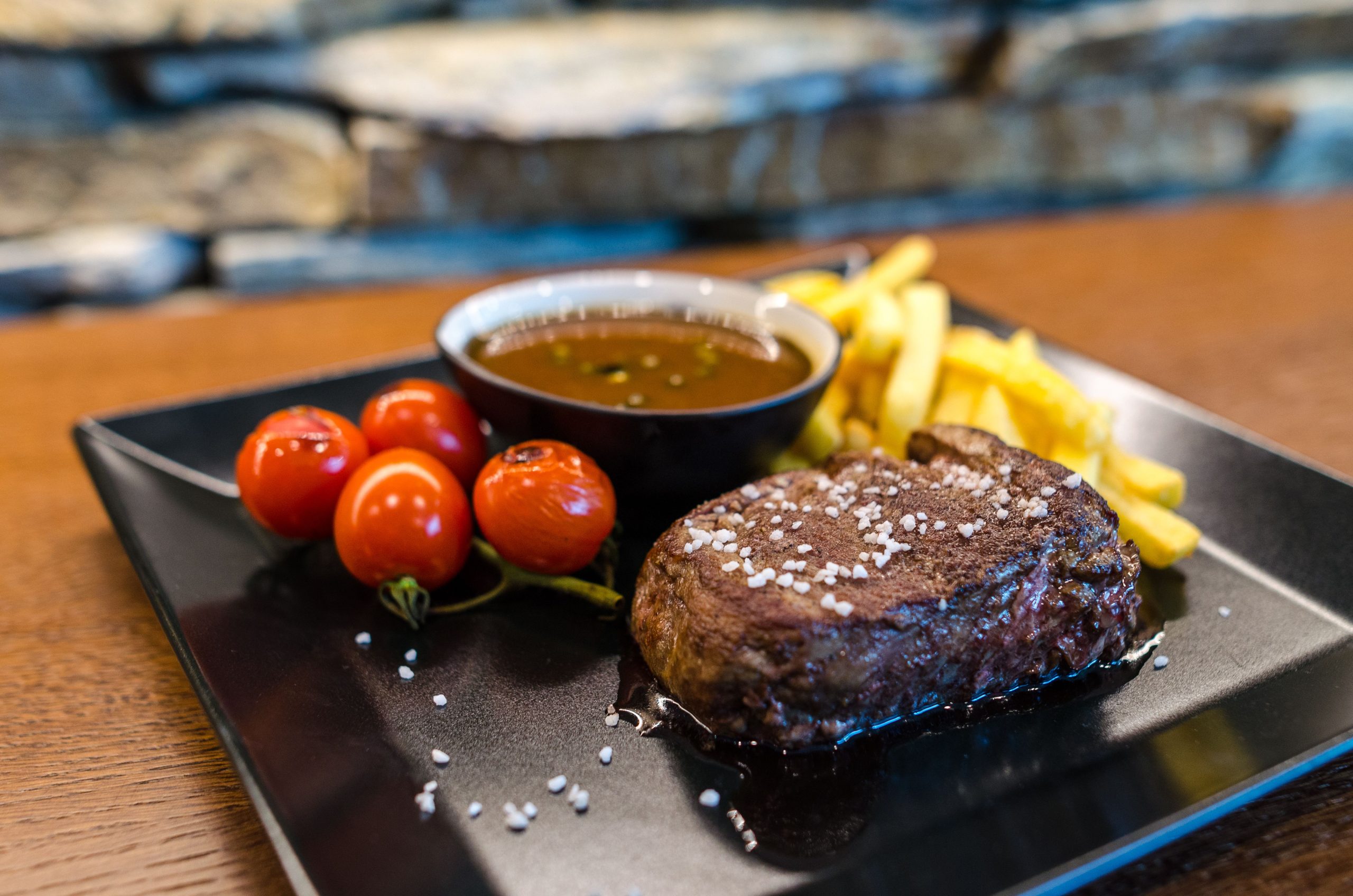
A LongHorn Steakhouse customer has gone viral after posting a TikTok video claiming that a 6-ounce steak he was served appeared significantly smaller than advertised on the menu.
The video, shared by user @dccustomjewelry, has reportedly accumulated more than 16 million views, turning a single dining complaint into a nationwide conversation about portion sizes, pricing, and restaurant transparency. In the short clip, the customer presses down on a small cut of steak with his thumb, suggesting it visually resembles a 2–3-ounce portion rather than the stated 6-ounce serving.
The post also includes on-screen text criticizing what the user described as a decline in the value of restaurant meals, citing inflation and shrinking portion sizes to support the narrative.
What the Customer Claimed About the Steak Portion
In the viral video, the customer expressed frustration that the steak he received did not match his expectations based on the menu description. He claimed the portion appeared significantly smaller in person, raising concerns about consistency in food service.
The steak shown in the clip also appears heavily charred, which further intensified debate in the comment section about preparation quality versus perceived portion size. The user suggested the experience reflected a broader issue of rising prices paired with reduced portions, a trend many online users commonly refer to as shrinkflation.
While the video is not a verified measurement of the steak’s weight, it quickly gained traction for its visual impact and the relatable frustration it evoked among consumers navigating higher restaurant costs.
Social Media Reaction: Humor, Skepticism, and Economic Frustration

The comment section beneath the viral post reflected a wide range of reactions. Some users responded humorously, joking about the steak’s size and questioning whether it met standard serving expectations.
Others defended the restaurant industry, noting that the visual perception of food can vary depending on plating, cooking methods, and camera angles. A number of commenters also shifted the discussion toward broader concerns about rising food prices, suggesting that inflation is reshaping how customers evaluate value when dining out.
The conversation quickly expanded beyond a single meal, reflecting a growing trend in which social media turns individual dining experiences into broader debates about affordability and fairness in the restaurant industry.
LongHorn Steakhouse and Industry Context
LongHorn Steakhouse is part of Darden Restaurants, a major U.S. hospitality company that also owns brands such as Olive Garden and Yard House. The company operates hundreds of locations nationwide and competes in the casual dining steakhouse segment, where portion size and perceived value are key customer expectations.
In past industry remarks, Darden leadership has emphasized efforts to balance pricing pressures with food quality and portion consistency. Executives have stated that the company aims to deliver competitive value for the dollar compared to other major restaurant chains.
As of now, neither LongHorn Steakhouse nor its parent company has issued a public response specifically addressing the viral TikTok video.
Why This Story Matters to Local Readers
For local diners, this story goes beyond a single viral complaint. It highlights a growing concern many customers already feel when eating out, whether restaurant prices still match what is served on the plate.
Casual dining chains like LongHorn Steakhouse are popular across U.S. communities, especially for family meals, celebrations, and affordable steakhouse experiences. When questions arise about portion sizes or value, it directly impacts how local residents choose where to spend their money.
The story also reflects a broader economic reality affecting households nationwide. As grocery bills and dining costs continue to rise, many consumers are becoming more cautious and more critical of what they receive in return. Social media now gives those concerns a louder platform, turning everyday meals into public discussions about fairness and affordability.
For local communities, that means restaurant trust is becoming just as important as taste or service. Even a single viral video can influence how diners perceive a familiar chain in their own neighborhood.
Inflation, Shrinkflation, and the Changing Dining Experience

The conversation surrounding this video ties into a wider economic trend often referred to as shrinkflation. This occurs when portion sizes decrease while prices remain the same or increase, leaving customers feeling they are getting less value.
In the restaurant industry, rising ingredient costs, labor expenses, and supply chain pressures have forced many businesses to adjust pricing strategies. However, these changes often lead to customer dissatisfaction when expectations are not clearly aligned with what is served.
The LongHorn Steakhouse video became a focal point for these frustrations, even though it represents a single individual’s experience rather than a confirmed company-wide issue.
The Role of Social Media in Restaurant Accountability
Platforms like TikTok have fundamentally changed how customer complaints are shared and perceived. A single video can now reach millions of viewers within hours, shaping public opinion far faster than traditional review systems.
In this case, the visual nature of the complaint, combined with a widely relatable topic like food pricing, helped the video gain rapid traction. Whether the portion accurately reflected the menu listing or not, the perception of value was enough to spark widespread discussion.
A Small Steak With a Big Conversation Around It
What began as a short video about a 6-ounce steak has evolved into a larger conversation about pricing, expectations, and trust in casual dining restaurants. The viral moment underscores how sensitive consumers have become to value in an inflation-driven economy.
As restaurant prices continue to shift and social media amplifies customer experiences, stories like this are likely to remain at the center of public debate about what diners receive versus what they believe they are paying for.
Read the original article in Crafting Your Home.