5 Little-Known Portuguese Desserts to Try On

Image Credit: Keira Burton via pexels
One of the best perks of an active holiday filled with walking, hiking, or cycling is the satisfying calorie deficit you’ll rack up by the end of the day. After hours of climbing hills and trekking through scenic trails, you’re bound to have worked up quite an appetite. And let’s be honest—if you’re traveling abroad, sampling the local cuisine is an essential part of experiencing the culture. In Portugal, one of the most delicious ways to satisfy all these needs is through their beloved desserts.
They hold a special place in the hearts of locals, and indulging in them is practically a must. As an adventure traveler, it’s almost your responsibility to treat yourself to a visit to the bakery. No judgment here! You’ve likely heard of the famous Portuguese egg custard tarts, pastéis de nata (or pastéis de Belém, if you’re sampling them from the iconic Lisbon bakery near the Jerónimos Monastery, where they were first created).
If you don’t try one of these when you’re in Portugal, can you even say you’ve truly experienced the country? You’ll earn bonus points if you enjoy one fresh from the oven, dusted with cinnamon and powdered sugar.
Bolo de Bolacha

Bolo de Bolacha, or “cookie cake,” is a beloved no-bake dessert made from alternating layers of Marie biscuits dipped in coffee and buttercream. The simple ingredients come together to create a rich, satisfying dessert that is both easy to make and delicious. Bolo de Bolacha is typically served at family gatherings, especially during Sunday meals.
Unlike many other Portuguese desserts that require hours of preparation, this one is quick and easy to make. You simply layer the biscuits and buttercream, refrigerate the cake, and it’s ready to serve. If you’re looking for a dessert that’s easy to prepare but still impresses, Bolo de Bolacha is the one for you. It’s creamy, flavorful, and guaranteed to be a hit at any gathering. Plus, it’s a fantastic way to experience a slice of Portuguese home-cooked goodness.
Toucinho do Céu

Toucinho do Céu, which translates to “bacon from heaven,” is one of the most unique desserts in Portugal. Despite its misleading name, this is a sweet treat made with almonds, sugar, egg yolks, and cinnamon, with no bacon. The dessert’s richness comes from the use of lard (traditionally replaced by butter today), which gives it a melt-in-the-mouth consistency.
This dense cake is often associated with Portugal’s monasteries, where it was crafted by nuns as a way to use up egg yolks left over from the egg whites used in other recipes. Over the centuries, the recipe has evolved, yet it still retains its deep golden color and rich nutty flavor. The almonds add a subtle crunch, while the cinnamon infuses the cake with a fragrant warmth that lingers long after the last bite.
When in Portugal, especially in the regions where monasteries once thrived, look out for Toucinho do Céu. It’s a dessert that’s both indulgent and historically significant, and its name alone sparks curiosity. The combination of almonds, sugar, and cinnamon makes it a true crowd-pleaser.
Sericaia

Sericaia is a beloved flan-style dessert from the Alentejo region of Portugal. Known for its creamy texture and warm cinnamon fragrance, this dessert has a reputation for being both comforting and indulgent. Traditionally, it’s served with plums in syrup that add a burst of sweetness to balance the dessert’s rich, custardy base.
The origins of Sericaia can be traced back to Portugal’s convents, where nuns refined the art of creating exquisite egg-based desserts. The use of simple ingredients like milk, eggs, sugar, and cinnamon reflects the resourceful and humble nature of convent kitchens, where frugality often gave rise to some of the most incredible treats. What makes Sericaia so special is its texture. While it’s essentially a custard, it has a slightly firmer texture thanks to its unique baking method.
The batter is typically baked in an earthenware dish, resulting in a caramelized crust that gives it an extra layer of flavor. The combination of the creamy base and the slightly crisp top creates an irresistible contrast. If you visit Portugal, particularly the Alentejo region, Sericaia is a must-try dessert that represents centuries of culinary heritage. The dessert’s origins in Portugal’s convents give it a deep sense of history.
Papos de Anjo
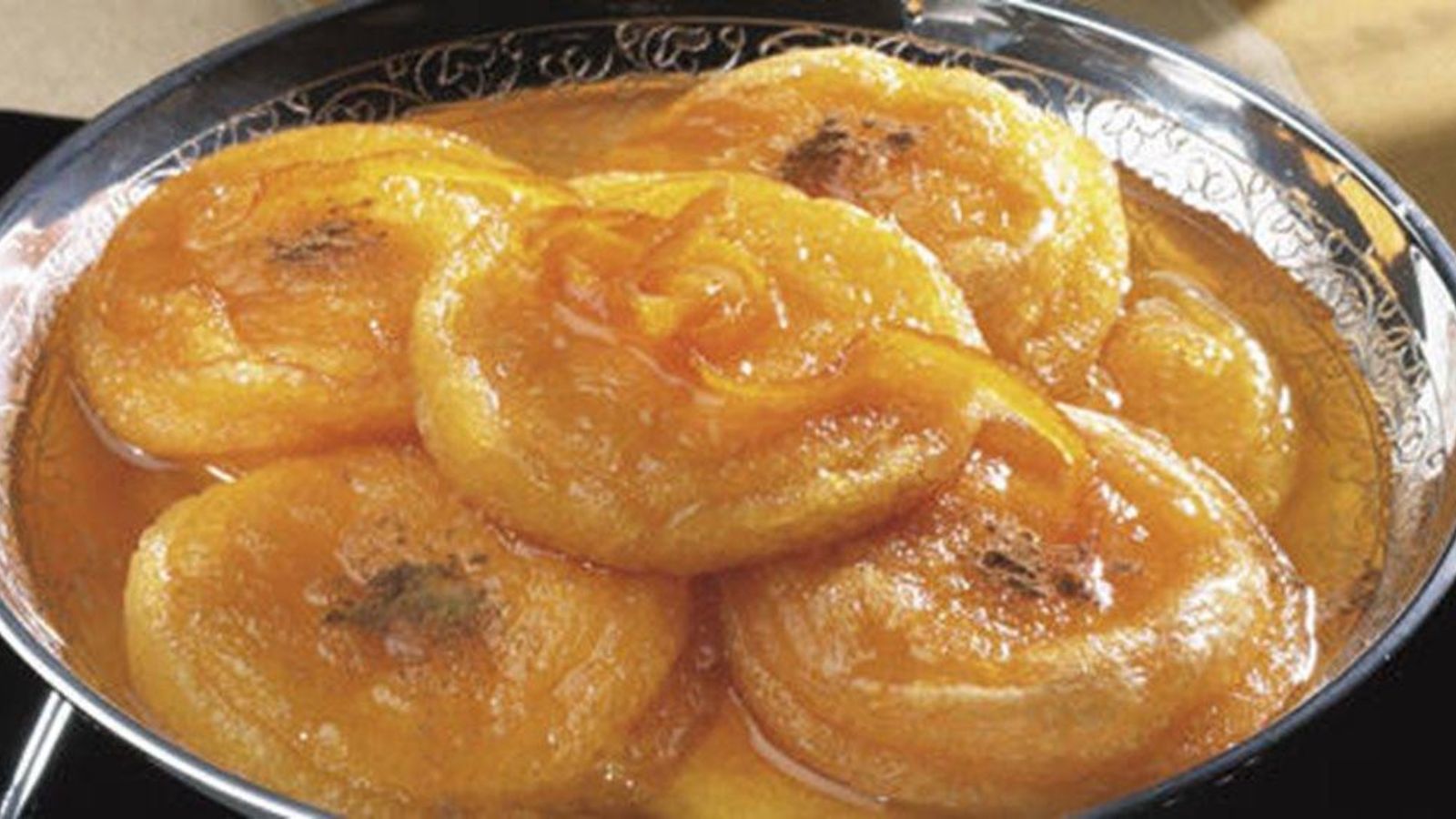
Papos de Anjo, or “angel cheeks,” are small cakes made from beaten egg yolks, baked in the oven, and dipped in a sweet syrup flavored with vanilla or lemon. Despite their name, which evokes images of delicate angelic features, these cakes are quite rich and indulgent. Papos de Anjo were originally created by the nuns in convents and were often served at religious celebrations.
These cakes are made by beating egg yolks to create a light, airy batter that is then baked until golden brown. Once baked, the cakes are submerged in a fragrant syrup, giving them an extra layer of sweetness and a touch of tang from the lemon or vanilla.
Papos de Anjo are one of the most iconic desserts in Portugal, and for good reason.
Their sweet and subtle fragrance, combined with the rich syrup, makes them a perfect choice for anyone with a sweet tooth. The cakes are light enough to be enjoyed with coffee, making them a popular choice at any time of day.
Queijadas de Sintra
Queijadas de Sintra are small cheese tartlets hailing from the picturesque town of Sintra. These delightful pastries are filled with a mixture of fresh cheese, sugar, eggs, and sometimes cinnamon. The result is a tender, creamy filling encased in a delicate pastry shell. Sintra, with its fairy-tale palaces and lush gardens, has long been a favorite destination for tourists.
The town’s reputation for otherworldly beauty is matched only by its culinary legacy. Queijadas de Sintra have been enjoyed since the Middle Ages, making them a dessert with both cultural and historical importance. Sintra is one of Portugal’s most enchanting locations, and a visit to this town is incomplete without savoring the delicious Queijadas de Sintra.
Best enjoyed warm, these pastries pair perfectly with a strong cup of Portuguese coffee. Whether you’re exploring the mystical palaces or strolling through the cobbled streets, these tartlets are a local tradition that will leave you craving more.
Conclusion
From the rich history of Sericaia to the simplicity of Bolo de Bolacha, Portuguese desserts offer something for everyone. These treats aren’t just about satisfying your sweet tooth—they’re a window into the country’s history, culture, and traditions. Each dessert tells a story of convents, families, and generations of bakers and cooks who have perfected these recipes over centuries.
Whether you’re visiting Portugal for the first time or returning to explore more of its culinary delights, make sure to indulge in these lesser-known desserts. They’re a beautiful way to experience the country’s rich heritage and enjoy some truly extraordinary flavors. Don’t miss out on these hidden gems—they might just become your new favorite Portuguese treat.