


This article was originally published on Crafting Your Home. A human contributor also wrote and edited the post.
For generations, brightly colored cereal boxes have been a familiar sight on breakfast tables across America. From colorful loops to rainbow-shaped pieces, artificial dyes have helped make some of the country’s most recognizable cereals stand out. But as consumer attitudes toward food ingredients continue to shift, one of the world’s biggest cereal makers is changing course.
Kellogg’s, the company behind many well-known cereal brands, says it is removing artificial food dyes from its cereals by the end of the year, denoting a major change in how some of America’s most popular breakfast products are made.
The move shows growing pressure from consumers, health advocates and regulators who have questioned the use of synthetic colors in foods, particularly products marketed toward children.
A colorful chapter comes to an end.
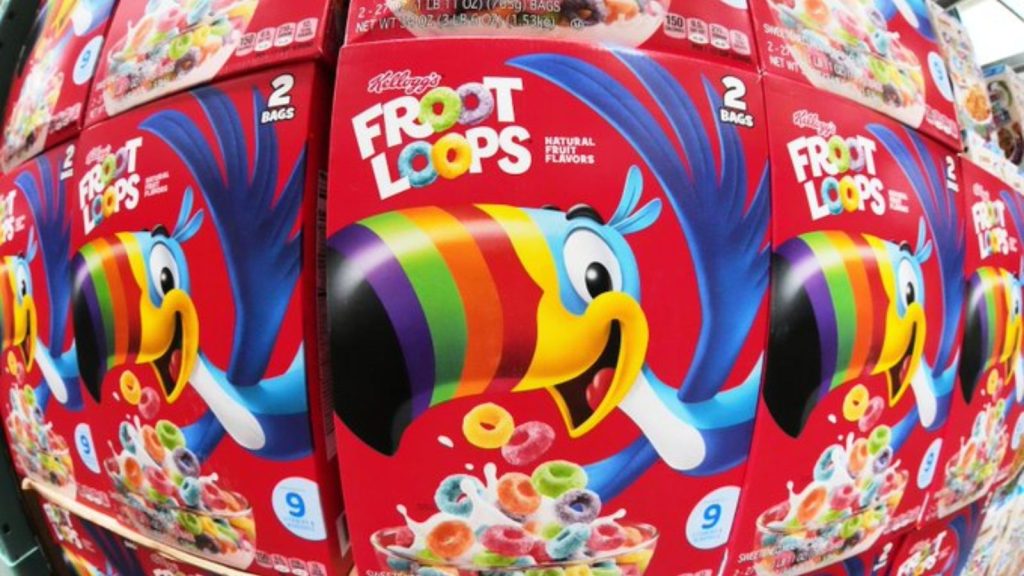
Artificial dyes have played a major role in the food industry for decades. They help create the bright colors that consumers associate with certain snacks, candies and breakfast cereals. For manufacturers, these ingredients have traditionally been valued because they provide consistent color and help products maintain a recognizable appearance.
However, developing consumer expectations have pushed many food companies to rethink those choices. Parents and shoppers are increasingly reading ingredient labels, looking for simpler formulas and asking more questions about what goes into everyday foods.
Kellogg’s decision succeeds a wider industry movement toward removing artificial ingredients and replacing them with colors sourced from natural origins.
The company said the transition will affect its cereal products sold in the United States, and it will complete the removal process by the end of 2026. The company has been working on reformulating products while continuing the taste and appearance that customers expect.
Why artificial dyes have become controversial
The argument surrounding artificial food dyes has grown significantly in recent years. Critics have raised concerns about possible links between certain synthetic colors and behavioral effects in children, although scientific opinions have varied and research continues.
Some health organizations and lawmakers have called for firmer oversight of artificial dyes, arguing that consumers deserve more honesty and safer food opt ions.
The discussion has also picked up pace as several states consider or introduce regulations targeting certain food additives.
These efforts have increased pressure on major food manufacturers to review ingredients that have been used for decades.
Food companies have responded through reformulating products, removing controversial additives and highlighting cleaner ingredient lists as part of their marketing strategies.
A changing breakfast aisle
Kellogg’s decision forms part of a much larger transformation happening across grocery store shelves. Consumers are no longer simply looking for convenience. They are paying closer attention to nutrition labels, ingredient lists and the overall quality of the foods they buy.
Major brands across the food industry have increasingly introduced products with fewer artificial ingredients, lower sugar levels and more recognizable components.
For cereal makers, the challenge is balancing consumer expectations with the traditions that made certain products successful.
Bright colors have been part of cereal branding for decades, creating strong emotional connections with families and childhood memories.
The shift away from artificial dyes represents an attempt to preserve those connections while adjusting to changing views about food.
What it means for consumers
For shoppers, the change may not be immediately noticeable. Many consumers will likely continue seeing familiar cereal brands on store shelves, but the ingredient lists will gradually change.
The company’s reformulation efforts seek to preserve the same tastes and textures while replacing synthetic colors with alternatives that fulfill evolving expectations.
Industry analysts say these changes demonstrate the increasing influence consumers have over food production. As more shoppers seek transparency and simpler ingredients, large companies are being pushed to respond.
The move also shows how food trends that begin with a small group of wellness-focused consumers can eventually influence some of the largest brands in the world.
The future of America’s favorite cereals
Kellogg’s decision to eliminate artificial dyes marks another turning point in the long relationship between food marketing and consumer tastes.
For decades, colorful cereals grabbed attention through bright packaging and playful designs. Now, the industry is entering a new phase where ingredient choices may weigh just as much as appearance.
The breakfast aisle may look slightly different in the coming years. Still, the message from consumers is becoming clearer: they want products that feel familiar while also matching modern expectations about health and transparency.
As one of America’s biggest cereal producers changes its recipe book, other companies may be watching closely. The removal of artificial dyes could become more than a single company decision. It might signal a wider transformation in how everyday foods are made.
If you like what you just read, then subscribe to our newsletter and follow us on social media.
