


A federal court decision in Washington, D.C., has halted a controversial effort by the Trump administration to restrict how Supplemental Nutrition Assistance Program (SNAP) benefits can be used, specifically targeting purchases of sugary drinks and candy.
The ruling blocks attempts in five states to prevent recipients from using food assistance funds on these products, raising major questions about federal authority, state flexibility, and the limits of nutrition policy inside public benefit programs.
At the center of the case is whether the U.S. Department of Agriculture (USDA) has the legal authority to approve state-level waivers that restrict what SNAP recipients can buy. The court concluded it does not.
Federal Judge Rules USDA Overstepped Its Authority on SNAP Food Restrictions
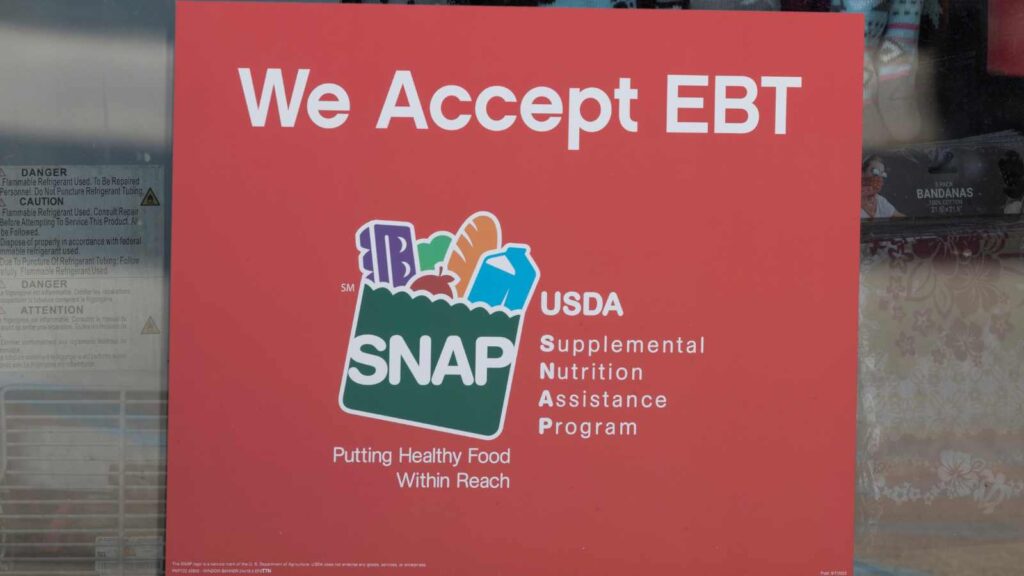
U.S. District Judge Amy Berman Jackson ruled that the USDA lacked legal authority under federal law to approve state requests to ban SNAP purchases of sugary foods and beverages, such as soda and candy.
Her decision effectively blocks enforcement of these restrictions in five states involved in the lawsuit: Colorado, Iowa, Nebraska, Tennessee, and West Virginia.
The ruling makes clear that while policymakers may have health-related motivations, federal agencies must operate strictly within the boundaries of congressional authorization.
She further stated that improving the health and diet of SNAP recipients is not a qualifying legal reason for granting such waivers under current federal rules, which are primarily focused on program efficiency rather than nutritional regulation.
This interpretation sharply limits the USDA’s ability to reshape SNAP into a behavior-driven nutrition policy tool without congressional approval.
SNAP Restrictions on Soda and Candy Spark Legal and Policy Clash
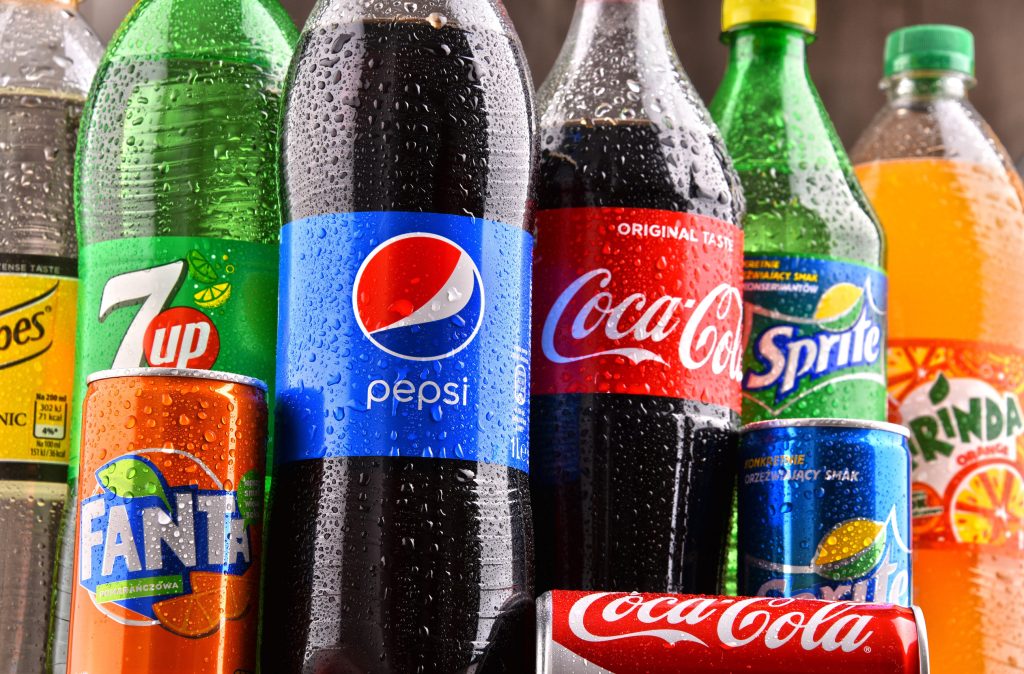
The Supplemental Nutrition Assistance Program provides monthly food benefits to approximately 42 million low-income Americans. It is one of the largest federal nutrition assistance systems in the United States and is administered by the USDA in partnership with state governments.
In recent years, some states have pushed for greater control over what can be purchased using SNAP funds. Under the USDA’s waiver system, 23 states have already received approval to restrict certain food categories in the name of public health initiatives.
These restrictions were supported by Agriculture Secretary Brooke Rollins and Health and Human Services Secretary Robert F. Kennedy Jr., as part of a broader “Make America Healthy Again” initiative focused on reducing sugar consumption and improving diet quality among low-income households.
However, critics argued that these restrictions go beyond the intent of the federal food assistance law. Plaintiffs in the case, residents from the five affected states, argued that limiting access to sugary foods could interfere with personal dietary needs, including medical conditions such as diabetes, energy requirements for daily functioning, and specific dietary tolerances.
Public Health Goals vs Federal Food Assistance Law
The case highlights a growing tension in American food policy: the conflict between public health objectives and the legal structure of federal assistance programs.
On one side, policymakers advocating for SNAP food restrictions argue that taxpayer-funded nutrition programs should encourage healthier eating habits and reduce long-term health risks linked to high sugar consumption. They view soda and candy restrictions as part of a broader preventive health strategy.
On the other side, opponents argue that SNAP was designed to provide food access, not to regulate dietary behavior. They warn that restricting eligible food items could create unequal access, administrative complexity, and unintended consequences for vulnerable households.
The court ruling reinforces the idea that policy changes of this scale must come from Congress, not administrative reinterpretation.
Katharine Deabler-Meadows, an attorney representing the plaintiffs at the National Center for Law and Economic Justice, described the ruling as a major step in protecting food access for SNAP participants nationwide.
Her argument reflects a broader legal position: that access to food benefits should not be conditioned on government-defined nutritional behavior unless explicitly authorized by law.
States, Waivers, and the Limits of SNAP Food Policy Innovation
The USDA waiver system has become a key mechanism for states seeking flexibility in SNAP administration. Through these waivers, states have attempted to test food restriction policies aimed at reducing sugar consumption and promoting healthier purchasing habits.
However, the court’s ruling draws a firm legal boundary around that flexibility.
The judge’s interpretation clarifies that waivers may only be approved for purposes explicitly allowed under federal law, such as improving administrative efficiency. Health-based restrictions on food categories like soda and candy fall outside that scope.
This creates immediate uncertainty for states that have already implemented or planned similar restrictions under previously approved waivers.
It also raises broader questions about the future of SNAP reform:
- Can states influence dietary behavior through SNAP without new federal legislation?
- Will Congress redefine the program’s goals to include nutrition enforcement?
- Or will SNAP remain strictly a food access program without behavioral conditions?
These questions remain unresolved, but the ruling strongly signals that administrative agencies alone cannot redefine the program’s core purpose.
USDA Response and the Future of SNAP Nutrition Restrictions
Despite the court ruling, the USDA has signaled it will continue to pursue strategies aimed at limiting SNAP purchases of unhealthy foods. The agency maintains that taxpayer-funded assistance should not support what it describes as “junk food” consumption.
This position suggests that the policy debate is far from over.
However, the ruling establishes a significant legal barrier. Any future attempt to restrict SNAP food categories will likely require either:
- Clear congressional authorization
- Or a revised statutory framework that explicitly allows nutrition-based restrictions
Without that, similar waivers risk being struck down again in court.
For now, SNAP remains what it has long been: a federally funded food assistance program designed to expand access to groceries, not regulate dietary choices.
The federal court decision blocking SNAP soda and candy restrictions marks a defining moment in the ongoing debate over food assistance and public health policy in the United States.
While policymakers continue to explore ways to improve nutrition outcomes for low-income households, the ruling reinforces a fundamental principle: federal agencies cannot extend their authority beyond what Congress has explicitly granted.
As states, agencies, and advocacy groups continue to debate the future of SNAP, one reality is now clear. Efforts to reshape food behavior through benefit restrictions will face intense legal scrutiny unless grounded in clear legislative authority.
The outcome does not end the conversation, it sharpens it.
And at the center of that conversation remains a question that will define the next chapter of SNAP policy: should food assistance programs simply provide access to food, or actively shape what Americans are allowed to eat?


