

This article was originally published on Crafting Your Home. A human contributor also wrote and edited the post.
In Jackson, Mississippi, reliable water service remains a major local issue. The city’s water problems became nationally known after the 2022 system failure, when flooding, equipment problems and inadequate treatment capacity left residents without dependable water service. Although conditions have improved under federal oversight, Jackson still faces difficult questions about infrastructure, financing, management, and how to keep the system reliable.
How the Crisis Developed
Jackson’s water problems did not begin with one isolated failure. The Environmental Protection Agency’s Office of Inspector General reported that years of inadequate maintenance, staffing problems, limited local capacity, and insufficient financial support contributed to prolonged drinking-water difficulties. The report specifically identified problems at the O.B. Curtis Water Treatment Plant and said that weaknesses in operations and maintenance helped prolong the crisis.
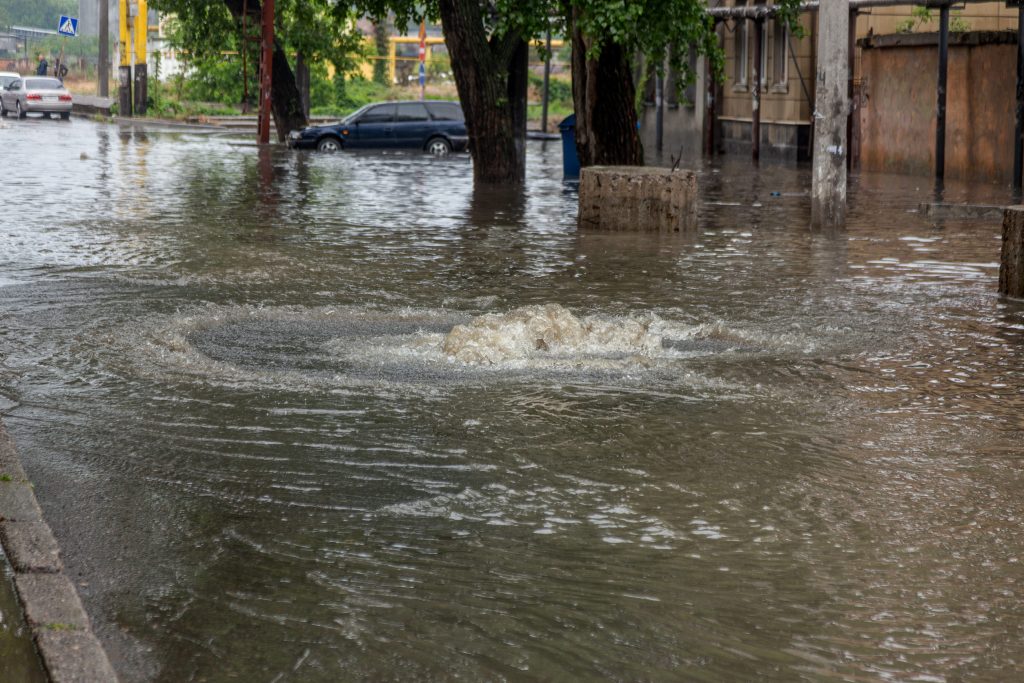
In August 2022, the city experienced a severe breakdown after flooding and equipment failures affected the O.B. Curtis plant. The resulting loss of water pressure and treatment problems disrupted service for residents throughout Jackson. The event demonstrated how vulnerable an aging system can become when major equipment is not maintained or replaced in time.
The 2022 breakdown was therefore more than a temporary inconvenience. Residents struggled to get water for drinking, cooking, bathing, and other everyday activities. Businesses, schools, hospitals and public services also had to adapt to unreliable supply.
Federal Oversight and System Management
Following the 2022 crisis, Jackson’s water and sewer system came under federal intervention. JXN Water has operated the system since that period, while federal authorities and courts have remained involved in efforts to improve compliance and management.
Federal oversight was intended to provide technical expertise, improve operations, and create a path toward a more reliable water system. The arrangement also reflects the seriousness of the city’s infrastructure problems. Jackson needed more than short-term repairs; it required better staffing, maintenance, billing, planning and financial management.
The system’s future control remains an important local question. Officials and residents have considered how responsibilities should be divided among the city, the state, federal authorities, and outside managers. A transition plan is expected to guide decisions about the system’s future operation.
Progress Has Been Made
The situation has changed since 2022. Reports indicate that the system achieved compliance with Safe Drinking Water Act requirements in 2025 after a long period of violations. Treatment capacity at the O.B. Curtis plant has also been restored, while staffing and day-to-day operations have improved.
These developments matter because a water system cannot become reliable through public announcements alone. It needs trained workers, functioning treatment equipment, accurate customer records, dependable billing, and regular maintenance. Improvements in those areas can reduce the chance that a technical problem becomes a citywide emergency.
However, compliance at a particular point in time does not mean that every long-term problem has disappeared. Aging pipes, treatment-plant maintenance, financial pressure, and the need for future capital investment remain significant concerns.
The Cost of Keeping Water Reliable
One of the most difficult issues is how to pay for the system. Water utilities require ongoing investment, not only during emergencies but also in ordinary years when pipes, pumps, and treatment equipment need repair or replacement.
JXN Water has proposed rate increases of 10 percent in 2027, 9 percent in 2028 and 8 percent in 2029. The proposed increases are intended to support the system, but they would also place additional pressure on households already struggling with daily expenses.
This creates a difficult balance. If rates are too low, the utility may not have enough money to maintain its facilities. If rates rise sharply, some residents may struggle to pay their bills. A water system needs revenue to remain functional, but affordability also matters because residents cannot benefit from improved service if they cannot afford to remain connected.
The debate is therefore not simply about whether rates should increase. It is about how much revenue the system needs, how efficiently it will use that money, whether customers will receive reliable service, and what assistance should be available to households with limited incomes.
Public Trust Has Also Been Damaged

Years of service problems can weaken public confidence. Residents may question whether a notice is accurate, whether water is safe after a disruption, or whether promised repairs will actually be completed. Trust is difficult to rebuild after people have experienced low pressure, interruptions, discolored water, or repeated advisories.
Clear communication is essential. Utility officials need to explain what has happened, what residents should do, how long repairs may take, and what testing has shown. Messages should be understandable and available through channels that residents can access.
Discolored water can be especially alarming. JXN Water has previously attributed some seasonal discoloration to increased manganese, a naturally occurring mineral, and said that the appearance did not pose a health risk. Even when discoloration is not dangerous, residents deserve prompt information so they know whether to flush pipes, avoid drinking the water temporarily, or follow other instructions.
Why Infrastructure Problems Affect More Than Water
A weak water system can affect almost every part of local life. Restaurants may be unable to operate during an advisory. Schools may need to change schedules or provide bottled water. Hospitals and care facilities may require emergency supplies. Residents may spend money purchasing bottled water, installing filters, or repairing appliances affected by interruptions.
Businesses may also hesitate to expand in a city where basic infrastructure is unreliable. Employers need confidence that workers, customers, and facilities can function normally. Repeated service problems can damage the city’s reputation and make economic development more difficult.
Water disruptions also place a heavier burden on residents who have fewer resources. A household with a car and money to buy bottled water may manage an outage differently from an older adult, a disabled resident, or a family without reliable transportation. This is why infrastructure reliability is also a question of fairness.
What a Long-Term Solution Requires

Jackson’s water challenges cannot be solved by replacing one pump or issuing one emergency notice. A durable solution requires long-term maintenance plans, realistic budgets, accurate billing, trained staff, and transparent oversight.
The city and its partners must identify which components are most likely to fail and replace them before an emergency occurs. They also need reliable information about pipe conditions, water losses, customer accounts and treatment performance.
Residents should be able to see how money is collected and spent. Public reporting can help answer practical questions about repair schedules, staffing, treatment performance, and the use of rate revenue. Greater transparency may also improve trust between the utility and the people it serves.
Federal and state assistance may remain necessary, especially for major capital projects. At the same time, outside funding cannot substitute for a sustainable local operating model. The system must eventually pay for routine operations and maintenance while keeping water affordable.
The Local Lesson
Jackson’s water crisis shows how infrastructure problems can accumulate quietly until a major failure exposes them. The most visible emergency occurred in 2022, but the underlying causes included years of maintenance, staffing, financial, and management challenges. The EPA’s review confirms the crisis stemmed from local capacity and financial support, not a single unexpected event.
Jackson has made progress since the collapse, but reliability will depend on what happens next. Residents need a system that delivers safe, dependable water every day, not only one that improves after a crisis. The central challenge is to combine technical repairs, responsible management, fair rates, and clear public communication.
For Jackson, the water issue remains local but nationally significant. It shows why communities must invest in essential infrastructure before aging systems fail, and why recovery requires sustained attention long after the headlines have disappeared.
Other post you might like:


