6 Items You Shouldn’t Put In the Recycling Bin
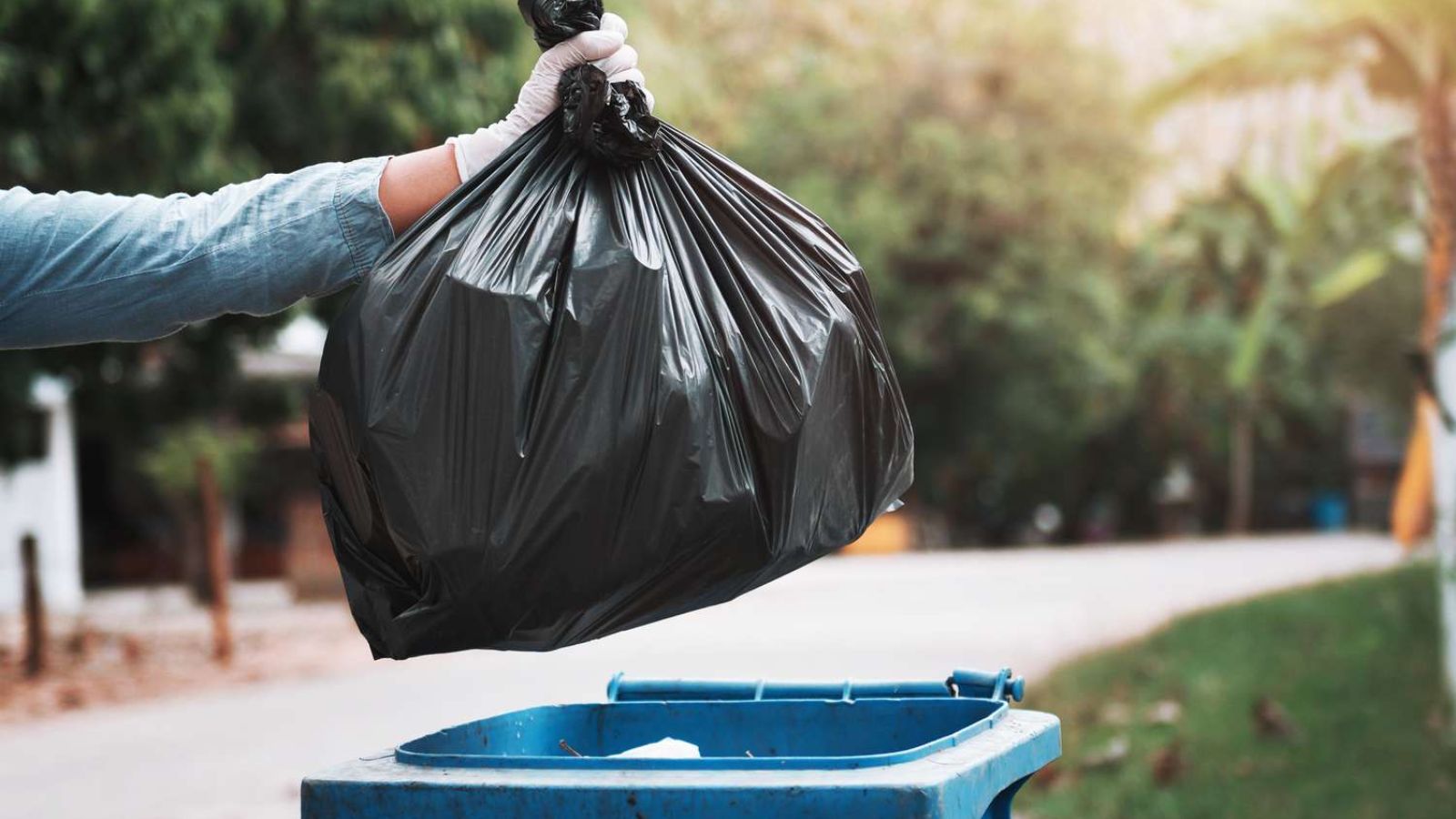
Image Credit: doucefleur/123rf Photos
Recycling—it’s something we all feel good about, right? The idea of sorting our waste and sending it off to be transformed into something new is both simple and rewarding. But, what if the items we’re tossing into our bins aren’t as harmless as we think? While we all know that paper, plastic, and glass can be recycled, the reality is a bit more complicated.
Over the years, it’s become clear that many common household items don’t belong in the recycling bin, and, in some cases, they can even do more harm than good. What should you do with that stack of old electronics? Or the pizza box that’s seen one too many slices? As our understanding of recycling improves, so too does our awareness of what we should—or shouldn’t—be throwing away.
In this guide, we’ll explore some of the most common mistakes people make when it comes to recycling, and offer simple, practical alternatives for more sustainable disposal. After all, it’s not just about feeling good; it’s about actually doing good for the planet.
Plastic Bags
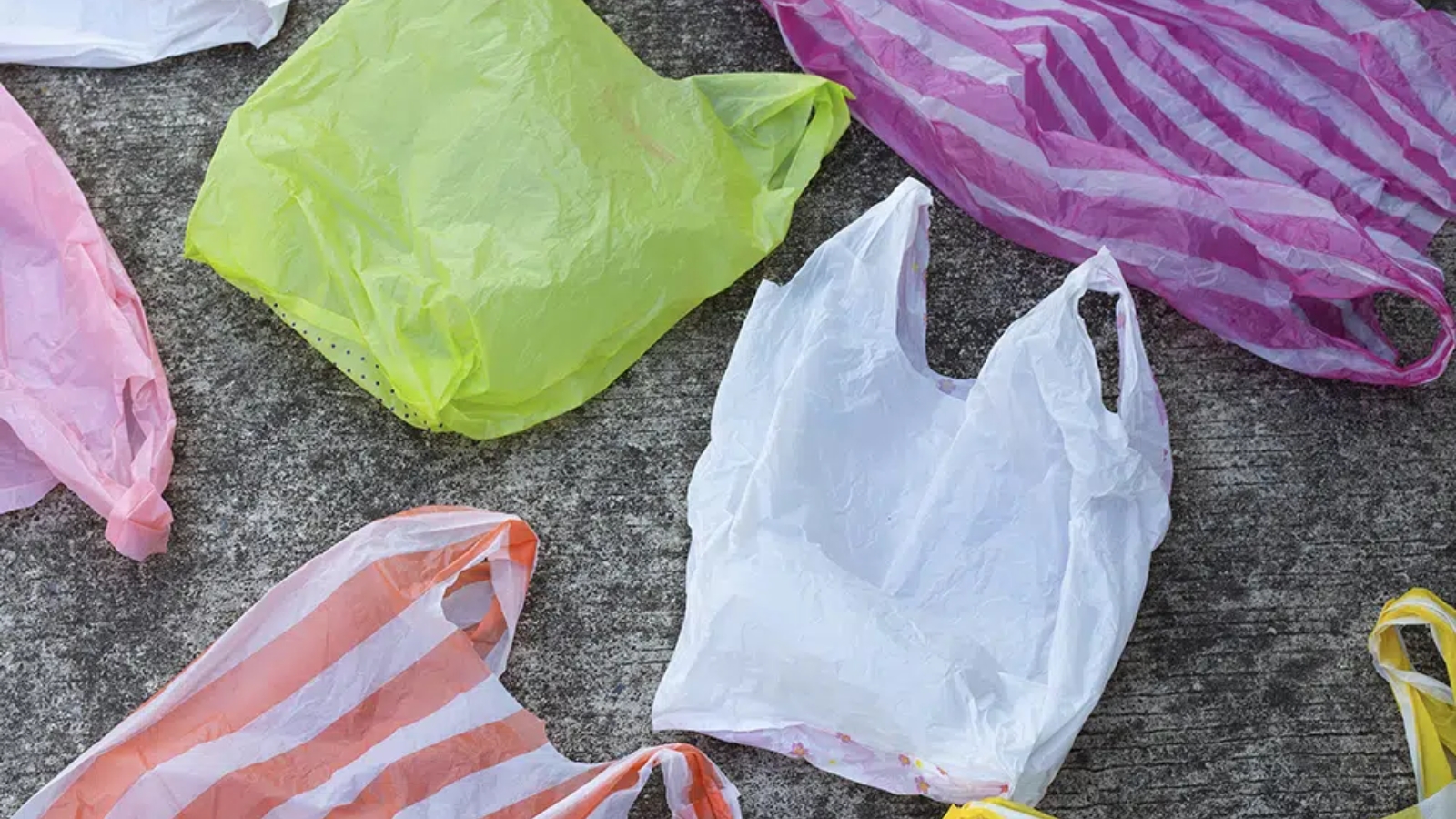
It’s common knowledge that plastic bags don’t belong in your recycling bin, but many still aren’t sure how to handle these everyday items. So, why are plastic bags such a problem for recycling facilities? Plastic bags can clog the machinery at recycling centers, causing delays and forcing workers to manually remove them, which is both time-consuming and dangerous. While they are technically recyclable, the process is costly and inefficient in most municipalities.
Many grocery stores now offer dedicated plastic bag recycling bins. These bins allow you to safely dispose of your bags, which are then sent to facilities that specialize in recycling them. Better yet, reduce your reliance on plastic bags altogether. Invest in a few sturdy reusable bags, and keep them in your car or by your front door for easy access.
Light Bulbs
When it comes to light bulbs, there’s no one-size-fits-all answer. While incandescent bulbs are easy to dispose of, other types, such as compact fluorescent (CFL) and halogen, require more care. Incandescent bulbs can go in the regular trash, while CFLs and fluorescent tubes should be taken to special recycling centers.
You can check online for a list of places that accept these items. As a sustainable alternative, LED bulbs use less energy and last longer, making them a great investment for your home and the planet.
Electronics
It’s tempting to throw away that old phone or broken laptop, but electronic waste (e-waste) should never go into the recycling bin. E-waste contains materials that, if not disposed of properly, can pollute the environment and contribute to harmful runoff from landfills.
Before considering disposal, explore options for donating old electronics. Many nonprofits accept phones, computers, and accessories in any condition. For those that are beyond repair, e-waste recycling centers provide safe disposal options, ensuring valuable components like metals and plastics are recovered and reused.
Batteries
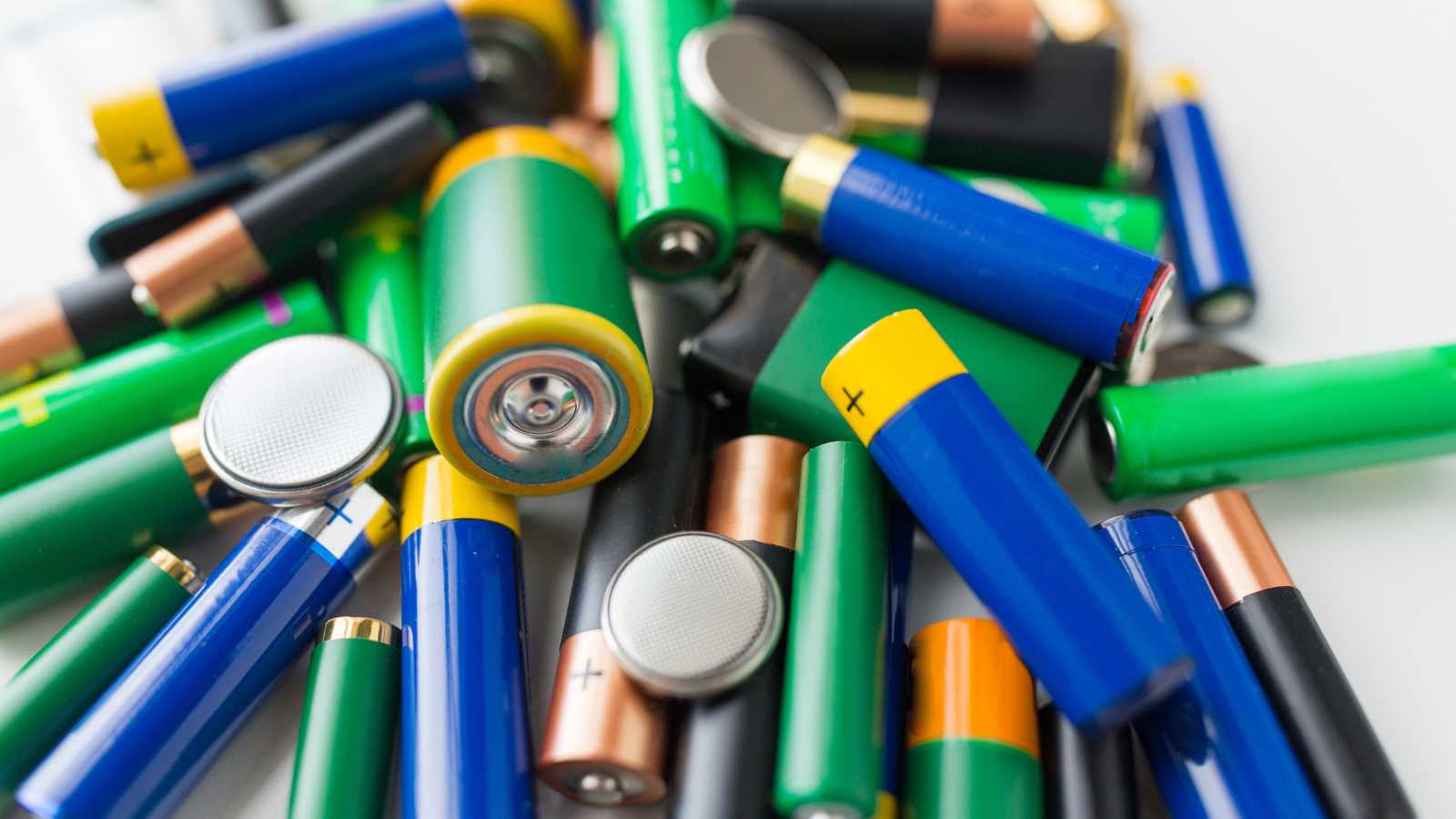
Batteries are often tossed into the trash or recycling bin, but this is a major mistake. Both single-use and rechargeable batteries contain hazardous materials that, when improperly disposed of, can harm the environment and pose risks to human health. Many local stores, including home improvement centers and office supply chains, offer battery recycling stations.
For single-use batteries, research local disposal locations or check online resources to find nearby drop-off points. Another great option is to invest in rechargeable batteries, which can be used hundreds of times and are fully recyclable.
Hangers
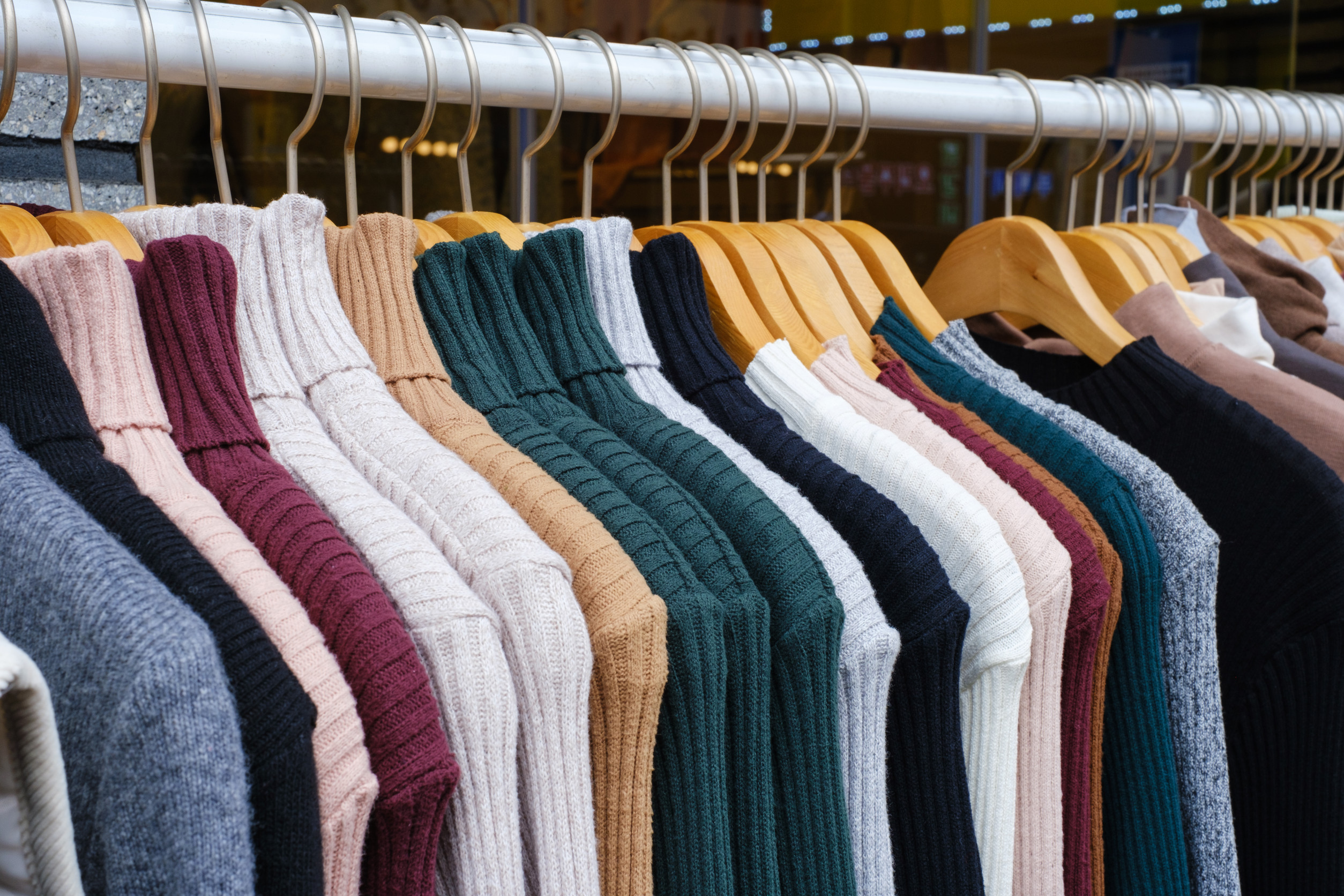
Americans purchase billions of hangers each year, but when these plastic or metal hangers reach the end of their life, they often end up in landfills. Because of their unique shape and material composition, most recycling centers aren’t equipped to process them.
You’ll have to toss hangers in the trash. However, consider using upcycled materials in place of cheap, disposable hangers—bamboo or wooden hangers are sturdy and better for the environment in the long term.
Clothing
Clothing is one of the largest contributors to landfills, thanks to fast fashion and the constant pressure to keep up with trends. When you no longer need a piece of clothing, it can be tempting to throw it out or toss it in the recycling bin, but that’s not the best choice for the environment.
Rather than recycling or trashing clothes, consider donating items in good condition to thrift stores or shelters. Some retailers, like H&M, even offer clothing recycling programs, giving you the chance to earn discounts while ensuring your clothes don’t end up in a landfill.
Key Takeaways
Recycling may seem like a small step, but it plays a crucial role in conserving resources and reducing waste. However, as this guide shows, it’s essential to be mindful of what can and can’t be recycled. By properly disposing of everyday items like plastic bags, batteries, and old electronics, we can ensure our efforts truly make a positive impact.
So, the next time you’re unsure whether to toss something in the recycling bin, remember this guide—and make the right choice for the environment.