8 Items Frugal People Keep at Home That Others Often Miss

Image Credit: Andrea Piacquadio via pexels
Saving money isn’t just about making big financial decisions; it’s about making small, consistent choices that add up over time. Frugal living involves a mindset shift and a careful, intentional approach to household management, and frugal people prioritize long-term savings over short-term comforts.
Below are eight key items every frugal person keeps in their home that most others overlook but can significantly impact both your finances and your well-being.
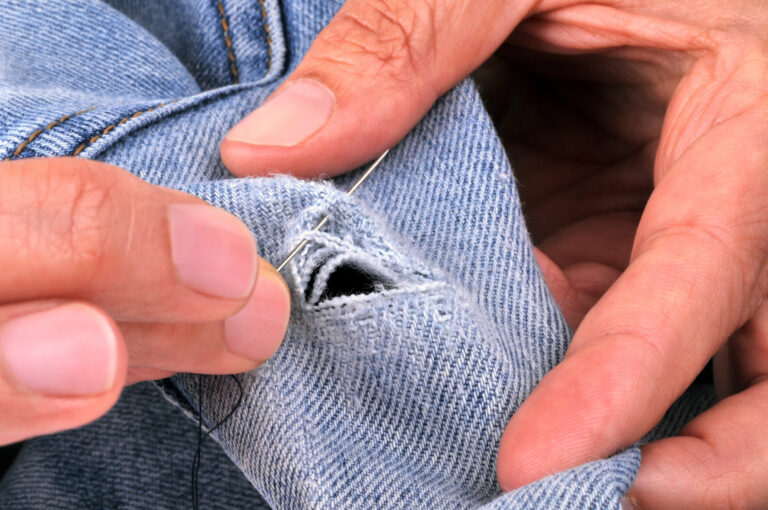
A Well-Stocked Sewing Kit
Frugal people are masters of repurposing. Instead of throwing away or replacing torn clothes, they use a sewing kit to repair them. Simple fixes like mending buttons, patching holes, or altering ill-fitting items help save money in the long run.
Opting for second-hand clothing or upcycling old pieces is a hallmark of frugal living. It’s a mindset that rejects the fast-fashion cycle and embraces longevity, opting for small repairs rather than unnecessary purchases.
Vinegar for Cleaning

Instead of buying expensive, chemical-laden cleaning products, frugal people often opt for vinegar. A versatile, affordable, and natural solution, vinegar can be used for everything from cleaning windows to removing laundry stains.
The savings add up significantly. While a bottle of commercial cleaner can cost several dollars, vinegar is a fraction of the price and works just as well, if not better. Frugal people understand that the true cost of cleaning supplies can be drastically reduced by shifting to natural, inexpensive products like vinegar.
A Stockpile of Comfort Books and Movies
Emotional spending is a trap that many fall into during times of stress or discomfort. Frugal individuals recognize this pattern and actively work to avoid it by keeping a stockpile of comfort items, such as books and movies, in their home. By having these accessible, they can soothe themselves without relying on expensive distractions or impulsive purchases.
Frugal people don’t just save on the cost of these items; they also prioritize mental well-being by opting for affordable, long-lasting comforts. It’s about having resources to lean on during tough times, without spending money on temporary fixes.
Dedicated Recycling Bins
Beyond environmental benefits, recycling is a frugal habit that helps individuals recoup some of their costs. Aluminum cans, glass bottles, and other recyclable items can be exchanged for money, helping frugal people earn a little extra income without effort.
Having separate recycling bins in the home is a simple way to ensure that valuable items are not being discarded. This practice, along with mindful consumption, supports sustainable habits that save money in the long term and contribute to a more responsible lifestyle.
Energy-Efficient LED Bulbs
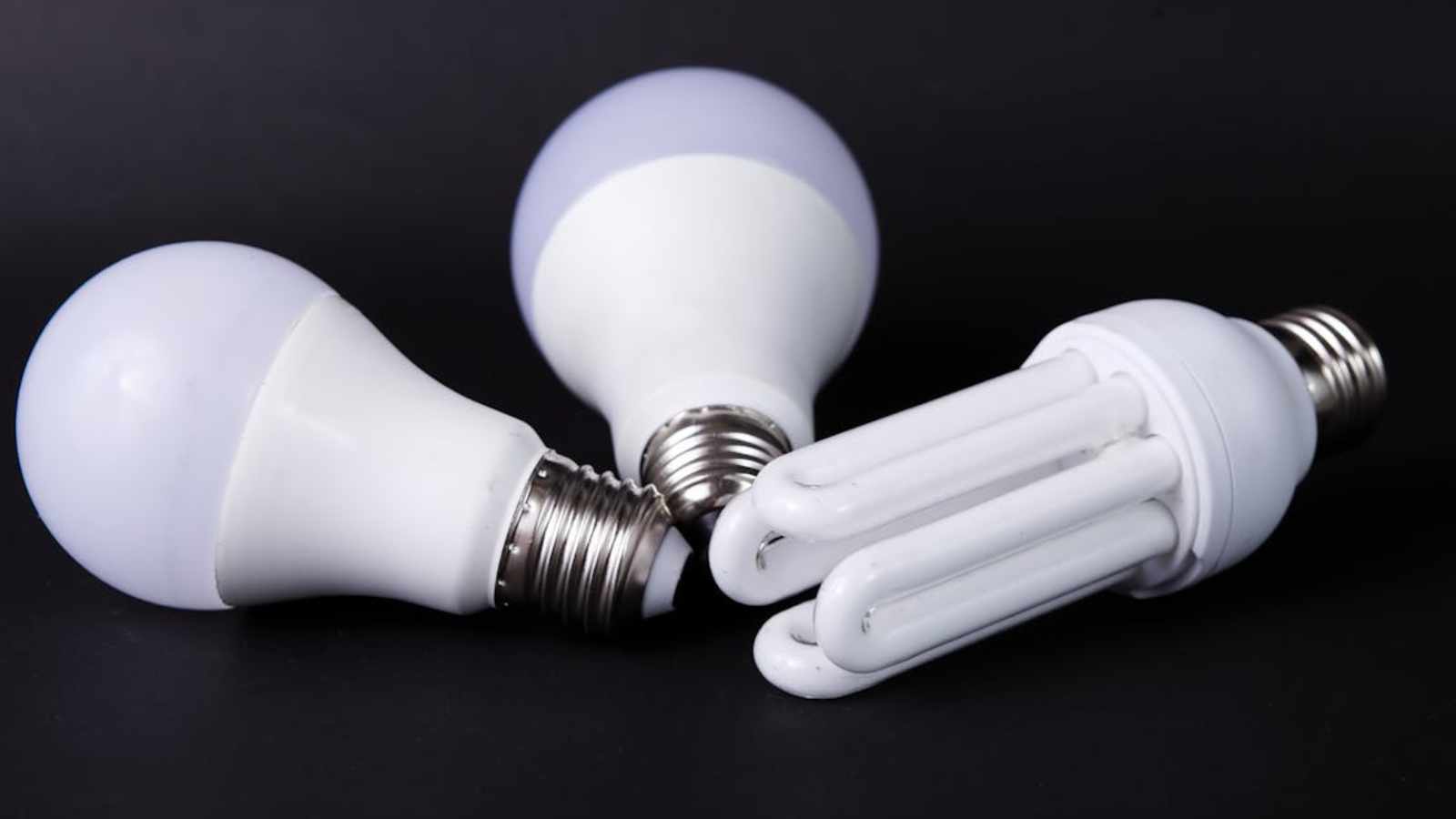
Switching to LED bulbs is a no-brainer for frugal people looking to save on energy costs. Beyond lighting, frugal people are mindful of their overall energy consumption. They reduce electricity use by turning off lights when not in use, limiting the use of energy-hungry appliances, and investing in energy-efficient gadgets.
Reusable Cloths and Rags
Paper towels, napkins, and other disposable products can quickly accumulate costs. By choosing to use washable cloths and rags instead of disposable ones, frugal people eliminate the need for ongoing purchases and reduce waste.
The savings are substantial: families can save over $100 per year by making the simple switch. These cloths and rags, though mismatched or old, are a hallmark of frugal living. Instead of buying new, frugal people repurpose old towels, fabric scraps, or worn-out clothes, making use of what they already own.
A Home Herb Garden
Growing your own herbs can save you money on expensive grocery items while also promoting a healthier lifestyle. Whether you have a small balcony or just a few pots on a windowsill, an herb garden is one of the best frugal investments you can make.
Herbs like basil, rosemary, thyme, and parsley are expensive to buy in stores, but growing them at home can significantly reduce grocery costs. For frugal people, gardening isn’t just about saving money; it’s also a way to enjoy fresh, organic ingredients, ensuring they’re eating healthier while keeping costs low.
A Clothesline for Air-Drying Laundry

A clothes dryer consumes a lot of energy, and using it regularly can significantly increase your electricity bill. Instead of relying on costly energy usage, frugal people opt for a clothesline or air-drying rack.
Drying clothes naturally not only saves money but also extends their lifespan, reducing the need for frequent replacements. It’s a simple yet effective way to lower monthly bills and extend the longevity of your wardrobe.